About Makuhari Station

Description

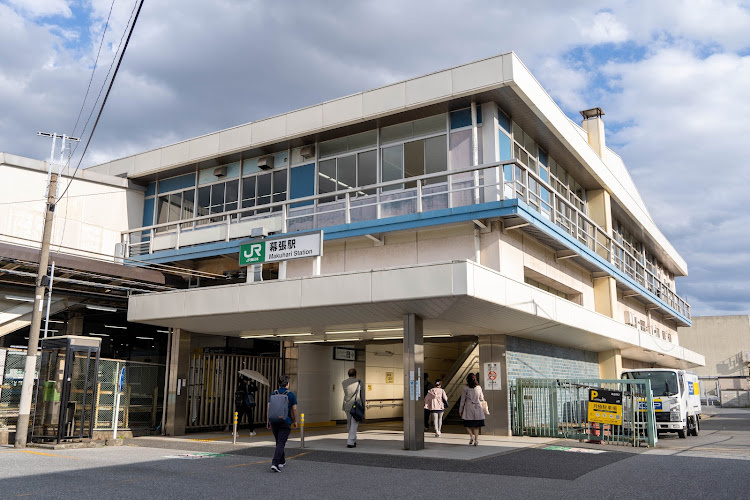
Makuhari Station in Chiba isn’t the kind of place that usually makes it onto glossy travel brochures, but that’s exactly why it’s worth talking about. It’s a local stop on the JR Sobu Line, and while it doesn’t have the glitz of Tokyo Station or the sheer scale of Shinjuku, it has its own character. The station is relatively modest compared to the nearby Kaihin-Makuhari hub, but that’s part of its charm—it feels more grounded, more everyday Japan. Travelers who find themselves here often notice how the station serves as a bridge between the residential neighborhoods and the busier commercial zones, making it a practical gateway rather than a tourist spectacle.

It’s a fully functional station with the essentials you’d expect: restrooms, ticket machines, and a layout that’s straightforward enough for even a first-time visitor to figure out. Accessibility is thoughtfully considered too, with wheelchair-friendly entrances and restrooms that make it easier for all travelers to move around without hassle. Parking is available on-site, which is handy if you’re mixing train and car travel, and trains run throughout the day and night, so you’re never really stranded. That 24-hour connectivity is something I’ve personally leaned on when I stayed late in Tokyo and needed a reliable way back.

Now, if you’re expecting architectural marvels or high-tech spectacle, you might be a little underwhelmed. The design is practical rather than flashy. But that’s not necessarily a bad thing. There’s a certain honesty in its simplicity—it’s a station that knows its role and does it well. Some people might call it plain, but I’d say it’s dependable. And sometimes, dependable is exactly what you want when you’re traveling in an unfamiliar place.

What stands out most is how the station feels like a snapshot of daily life in Chiba. You’ll see commuters rushing during peak hours, kids heading to school, and older folks taking it slow. It’s not trying to impress anyone, but if you pay attention, you’ll catch those little slices of Japanese life that you might miss in busier, more tourist-heavy stations. That’s what makes it memorable in its own quiet way.

Key Features

  • Direct access to the JR Sobu Line, connecting to Tokyo and other Chiba destinations
  • Wheelchair-friendly entrances and restrooms for accessible travel
  • On-site parking for those combining car and train transport
  • Basic amenities such as restrooms and ticket machines
  • 24-hour transit availability, making late-night travel possible
  • Less crowded atmosphere compared to larger nearby stations

Best Time to Visit

The best time to experience Makuhari Station really depends on what you’re after. If you want to see it in full swing, mornings on weekdays are fascinating—you’ll witness the rhythm of Japanese commuting culture firsthand. But if you’re like me and prefer a quieter vibe, mid-morning or early afternoon is your sweet spot. The station slows down, and you can take your time without being swept along by the crowd. Evenings can get busy again, but there’s something oddly comforting about watching locals head home after a long day. Weekends are generally calmer, and you might even spot families or groups of friends heading out for shopping or events in the Makuhari area.

How to Get There

Reaching Makuhari Station is straightforward. It sits on the JR Sobu Line, which makes it easy to connect from Tokyo and other parts of Chiba. Trains are frequent, so you won’t be waiting long. If you’re coming from central Tokyo, it’s about a 40-minute ride depending on the service you catch. The station isn’t massive, so once you arrive, navigation is simple—you won’t get lost in a maze of platforms like at Shinjuku. For those driving, the availability of on-site parking makes it convenient to combine car and rail travel, which can be a lifesaver if you’re exploring more suburban or coastal areas nearby.

Tips for Visiting

First tip: don’t expect Makuhari Station to entertain you. This isn’t a destination in itself but rather a gateway. That being said, there’s a certain charm in slowing down and noticing the details. Grab a coffee from a vending machine, watch the ebb and flow of commuters, and you’ll get a sense of the everyday life that powers Japan. If you’re planning to head to Makuhari Messe, Aeon Mall, or the beach, you’ll likely use Kaihin-Makuhari Station instead, which is just one stop away. But Makuhari Station itself is a good spot if you’re staying in the nearby residential areas.

Another tip: if you’re traveling with luggage, be prepared. The station is smaller, and while it’s accessible, it doesn’t have the same abundance of elevators and escalators you might find at larger hubs. Pack light if you can. Also, keep in mind that the station isn’t packed with restaurants or shops, so plan your meals elsewhere. I once made the mistake of arriving hungry and thinking I’d find a quick bite inside the station—not the best idea. There are small eateries nearby, but nothing flashy.

Finally, I’d say Makuhari Station is a reminder that not every stop on your journey has to be a headline attraction. Sometimes the quieter, less celebrated places give you the clearest window into local life. So if you find yourself here, take a moment to look around, breathe it in, and appreciate the slower pace. It’s not glamorous, but it’s real—and that’s worth something when you’re traveling.

Key Features

  • Direct access to the JR Sobu Line, connecting to Tokyo and other Chiba destinations
  • Wheelchair-friendly entrances and restrooms for accessible travel
  • On-site parking for those combining car and train transport
  • Basic amenities such as restrooms and ticket machines
  • 24-hour transit availability, making late-night travel possible
  • Less crowded atmosphere compared to larger nearby stations

More Details

Updated October 1, 2025


Description

Makuhari Station in Chiba isn’t the kind of place that usually makes it onto glossy travel brochures, but that’s exactly why it’s worth talking about. It’s a local stop on the JR Sobu Line, and while it doesn’t have the glitz of Tokyo Station or the sheer scale of Shinjuku, it has its own character. The station is relatively modest compared to the nearby Kaihin-Makuhari hub, but that’s part of its charm—it feels more grounded, more everyday Japan. Travelers who find themselves here often notice how the station serves as a bridge between the residential neighborhoods and the busier commercial zones, making it a practical gateway rather than a tourist spectacle.

It’s a fully functional station with the essentials you’d expect: restrooms, ticket machines, and a layout that’s straightforward enough for even a first-time visitor to figure out. Accessibility is thoughtfully considered too, with wheelchair-friendly entrances and restrooms that make it easier for all travelers to move around without hassle. Parking is available on-site, which is handy if you’re mixing train and car travel, and trains run throughout the day and night, so you’re never really stranded. That 24-hour connectivity is something I’ve personally leaned on when I stayed late in Tokyo and needed a reliable way back.

Now, if you’re expecting architectural marvels or high-tech spectacle, you might be a little underwhelmed. The design is practical rather than flashy. But that’s not necessarily a bad thing. There’s a certain honesty in its simplicity—it’s a station that knows its role and does it well. Some people might call it plain, but I’d say it’s dependable. And sometimes, dependable is exactly what you want when you’re traveling in an unfamiliar place.

What stands out most is how the station feels like a snapshot of daily life in Chiba. You’ll see commuters rushing during peak hours, kids heading to school, and older folks taking it slow. It’s not trying to impress anyone, but if you pay attention, you’ll catch those little slices of Japanese life that you might miss in busier, more tourist-heavy stations. That’s what makes it memorable in its own quiet way.

Key Features

  • Direct access to the JR Sobu Line, connecting to Tokyo and other Chiba destinations
  • Wheelchair-friendly entrances and restrooms for accessible travel
  • On-site parking for those combining car and train transport
  • Basic amenities such as restrooms and ticket machines
  • 24-hour transit availability, making late-night travel possible
  • Less crowded atmosphere compared to larger nearby stations

Best Time to Visit

The best time to experience Makuhari Station really depends on what you’re after. If you want to see it in full swing, mornings on weekdays are fascinating—you’ll witness the rhythm of Japanese commuting culture firsthand. But if you’re like me and prefer a quieter vibe, mid-morning or early afternoon is your sweet spot. The station slows down, and you can take your time without being swept along by the crowd. Evenings can get busy again, but there’s something oddly comforting about watching locals head home after a long day. Weekends are generally calmer, and you might even spot families or groups of friends heading out for shopping or events in the Makuhari area.

How to Get There

Reaching Makuhari Station is straightforward. It sits on the JR Sobu Line, which makes it easy to connect from Tokyo and other parts of Chiba. Trains are frequent, so you won’t be waiting long. If you’re coming from central Tokyo, it’s about a 40-minute ride depending on the service you catch. The station isn’t massive, so once you arrive, navigation is simple—you won’t get lost in a maze of platforms like at Shinjuku. For those driving, the availability of on-site parking makes it convenient to combine car and rail travel, which can be a lifesaver if you’re exploring more suburban or coastal areas nearby.

Tips for Visiting

First tip: don’t expect Makuhari Station to entertain you. This isn’t a destination in itself but rather a gateway. That being said, there’s a certain charm in slowing down and noticing the details. Grab a coffee from a vending machine, watch the ebb and flow of commuters, and you’ll get a sense of the everyday life that powers Japan. If you’re planning to head to Makuhari Messe, Aeon Mall, or the beach, you’ll likely use Kaihin-Makuhari Station instead, which is just one stop away. But Makuhari Station itself is a good spot if you’re staying in the nearby residential areas.

Another tip: if you’re traveling with luggage, be prepared. The station is smaller, and while it’s accessible, it doesn’t have the same abundance of elevators and escalators you might find at larger hubs. Pack light if you can. Also, keep in mind that the station isn’t packed with restaurants or shops, so plan your meals elsewhere. I once made the mistake of arriving hungry and thinking I’d find a quick bite inside the station—not the best idea. There are small eateries nearby, but nothing flashy.

Finally, I’d say Makuhari Station is a reminder that not every stop on your journey has to be a headline attraction. Sometimes the quieter, less celebrated places give you the clearest window into local life. So if you find yourself here, take a moment to look around, breathe it in, and appreciate the slower pace. It’s not glamorous, but it’s real—and that’s worth something when you’re traveling.

Key Highlights

  • Direct access to the JR Sobu Line, connecting to Tokyo and other Chiba destinations
  • Wheelchair-friendly entrances and restrooms for accessible travel
  • On-site parking for those combining car and train transport
  • Basic amenities such as restrooms and ticket machines
  • 24-hour transit availability, making late-night travel possible
  • Less crowded atmosphere compared to larger nearby stations

Location

Places to Stay Near Makuhari Station

Find and Book a Tour

Explore More Travel Guides

No reviews found! Be the first to review!

Traveler Reviews for Makuhari Station

There are no reviews yet. Be the first one to write one.

Share Your Experience

Have you visited Makuhari Station? Help other travelers by sharing your review.

Find Accommodations Nearby

Recommended Tours & Activities

Visitor Reviews

There are no reviews yet. Be the first one to write one.

Share Your Experience

Have you visited Makuhari Station? Help other travelers by leaving a review.