
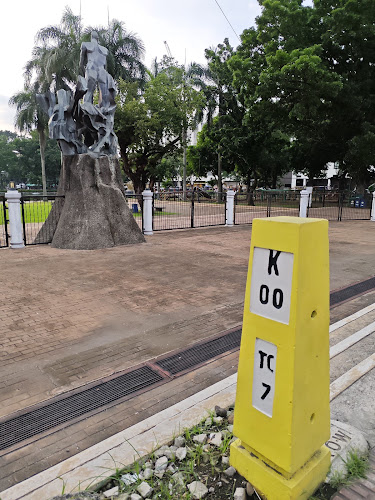
Negros Occidental – Kilometer Zero
About Negros Occidental – Kilometer Zero
Description
Standing at Kilometer Zero in Negros Occidental feels a bit like discovering a secret that locals have kept to themselves for years. This unassuming marker represents the official starting point from which all distances in the province are measured, and honestly, it's one of those places that doesn't immediately scream "tourist destination" until you understand what you're looking at. But that's exactly what makes it special. The marker itself sits in Bacolod City, serving as the geographic and symbolic heart of the province. And while you might think a simple marker wouldn't be worth the visit, there's something genuinely compelling about standing at the exact spot where every journey through Negros Occidental technically begins. It's like being at the center of a spider's web, with roads radiating out in all directions to sugar plantations, mountain ranges, coastal towns, and everything in between. What surprised me when I first learned about this place was how family-friendly it actually is. You don't need to be a geography nerd or history buff to appreciate it, though those certainly help. Kids find the concept fascinating once you explain it to them – they're literally standing at zero, at the beginning of everything in the province. It's a tangible way to teach them about navigation, measurement, and how our infrastructure systems work. The area around Kilometer Zero has become somewhat of a meeting point for locals and travelers alike. You'll often see people taking photos, using it as a landmark when giving directions, or simply passing through on their way to other destinations. But smart travelers know that this spot deserves more than just a quick drive-by.Key Features
The distinctive characteristics that make Kilometer Zero worth your time include several aspects that aren't immediately obvious: • The historical significance as the official reference point for all provincial road measurements and distances throughout Negros Occidental • A straightforward yet meaningful marker that represents the province's commitment to organized infrastructure and development • Excellent photo opportunities, particularly for travel bloggers and those documenting their Philippine adventures with a unique twist • The surrounding area offers glimpses into daily Bacolod life, with local vendors and residents going about their routines • Easy accessibility from major accommodations and other tourist spots in Bacolod City proper • Educational value for children learning about geography, cartography, and how road systems function • Serves as a practical orientation point for travelers planning to explore multiple destinations across the province • The marker connects symbolically to the province's rich sugar industry history and its role as an economic center • Free to visit and photograph, making it budget-friendly for all types of travelers • Represents the methodical Spanish colonial approach to city planning that still influences Philippine urban development todayBest Time to Visit
Timing your visit to Kilometer Zero requires less planning than other attractions, but there are still considerations that'll make your experience better. The marker is accessible year-round, which gives you flexibility, but the best conditions happen during the dry season from November through April. Early morning visits, say around 7 to 9 AM, offer cooler temperatures and better lighting for photographs. The sun isn't beating down quite as hard yet, and you'll avoid the midday heat that can make standing around for photos pretty uncomfortable. Plus, traffic is usually lighter during these hours, which matters since the marker sits along an active thoroughfare. Late afternoon around 4 to 6 PM provides another sweet spot. The harsh sunlight softens, creating that golden hour glow that makes every photo look professional. And there's something nice about visiting when locals are finishing their workday – you get a genuine feel for how this marker fits into everyday life rather than just existing as a tourist curiosity. Weekdays generally work better than weekends if you prefer fewer crowds. Not that Kilometer Zero gets mobbed with tourists or anything, but weekends bring more local families out and about, which can make it trickier to get those unobstructed shots. Though honestly, sometimes those candid moments with locals in the frame add authenticity to your photos. The rainy season from June through October doesn't completely rule out a visit, but afternoon downpours can cut your time short. If you're traveling during these months, morning visits become even more important. Just check the weather forecast and plan accordingly.How to Get There
Getting to Kilometer Zero is refreshingly straightforward, especially compared to some of the more remote attractions in the Philippines. If you're staying anywhere in Bacolod City proper, you're already close enough that transportation becomes almost a non-issue. Taxis and ride-sharing services like Grab operate throughout Bacolod, and drivers absolutely know where Kilometer Zero is located. Just tell them "Kilometer Zero" or mention you want to go to the marker, and they'll understand immediately. The fare from most central hotels shouldn't break your budget – we're talking maybe 50 to 100 pesos depending on your starting point. Jeepneys, those iconic Philippine vehicles, also pass near the area. While slightly more complicated for first-time visitors, they're cheap and give you an authentic local experience. Ask your hotel staff which jeepney route passes closest to the marker, and don't be shy about asking the driver or other passengers to let you know when you're there. Filipinos are generally helpful to travelers trying to navigate public transportation. For those renting a vehicle, the marker is easy to spot once you're in the general vicinity. It's marked clearly enough that you won't drive past without noticing. Parking might require some creativity depending on the time of day, but you'll typically find street parking within walking distance. Walking to Kilometer Zero makes sense if you're already exploring downtown Bacolod on foot. The city center is compact enough that many attractions sit within reasonable walking distance of each other. Just remember that Philippine heat and humidity can be intense, so hydrate accordingly and maybe bring an umbrella for sun protection.Tips for Visiting
Making the most of your Kilometer Zero experience requires some insider knowledge that guidebooks don't always cover. First off, don't expect a grand monument or elaborate installation. Managing your expectations prevents disappointment – this is a marker with historical and practical significance rather than an architectural marvel. Bring your camera or smartphone because this is absolutely a photo-worthy stop. But get creative with your shots. Instead of just snapping the standard straight-on photo of the marker, try different angles. Capture it with Bacolod's streetscape in the background, or wait for interesting characters to walk past. Some travelers like to photograph the marker with their GPS coordinates displayed on their phone screen – it's a nice touch that proves you were really there. Combine your visit with other nearby attractions to maximize your time. Kilometer Zero sits close enough to the San Sebastian Cathedral, the Capitol Park and Lagoon, and various local restaurants that you can easily create a half-day itinerary. Don't make it your only stop in Bacolod, but rather incorporate it into a broader exploration of the city. Dress comfortably and practically. You're not visiting a formal attraction that requires particular attire, but you will be outside in tropical weather. Light, breathable clothing and comfortable shoes make sense. And yeah, sunscreen and a hat are good ideas if you're visiting during peak sun hours. Engage with locals if the opportunity presents itself. I've found that people hanging around the area often have interesting stories about how the marker factors into their daily lives or memories. These conversations add depth to your visit and might lead you to discover other nearby spots worth checking out. Consider the marker as a starting point for your provincial exploration in a literal sense. Once you've visited Kilometer Zero, you can say you've been to the official beginning point of Negros Occidental. Then as you travel to other destinations in the province, you'll have that connection – you started from zero and worked your way outward. Don't rush your visit, but don't overthink it either. Fifteen to thirty minutes gives you plenty of time to appreciate the marker, take photos, observe the surroundings, and maybe chat with someone. It's not a place that demands hours of your itinerary, but it deserves more than a two-minute drive-by. Lastly, remember that this spot represents something bigger than just a marker. It symbolizes order, planning, and the human need to measure and understand our world. Standing there, you're at the center of a province with incredible diversity – from sugar plantations to mountain adventures to coastal escapes. Everything measured from this single point. There's poetry in that simplicity.Key Features
- Key Features
- Best Time to Visit
- How to Get There
- Tips for Visiting
More Details
Updated March 30, 2026
Table of Contents
- Description
- Key Features
- Best Time to Visit
- How to Get There
- Tips for Visiting
- Key Highlights
- Location
- Places to Stay Near Negros Occidental - Kilometer Zero
- Find and Book a Tour
- Explore More Travel Guides
- Nearby Places You Might Like
- Traveler Reviews for Negros Occidental – Kilometer Zero
- Share Your Experience
Description
Standing at Kilometer Zero in Negros Occidental feels a bit like discovering a secret that locals have kept to themselves for years. This unassuming marker represents the official starting point from which all distances in the province are measured, and honestly, it’s one of those places that doesn’t immediately scream “tourist destination” until you understand what you’re looking at. But that’s exactly what makes it special.
The marker itself sits in Bacolod City, serving as the geographic and symbolic heart of the province. And while you might think a simple marker wouldn’t be worth the visit, there’s something genuinely compelling about standing at the exact spot where every journey through Negros Occidental technically begins. It’s like being at the center of a spider’s web, with roads radiating out in all directions to sugar plantations, mountain ranges, coastal towns, and everything in between.
What surprised me when I first learned about this place was how family-friendly it actually is. You don’t need to be a geography nerd or history buff to appreciate it, though those certainly help. Kids find the concept fascinating once you explain it to them – they’re literally standing at zero, at the beginning of everything in the province. It’s a tangible way to teach them about navigation, measurement, and how our infrastructure systems work.
The area around Kilometer Zero has become somewhat of a meeting point for locals and travelers alike. You’ll often see people taking photos, using it as a landmark when giving directions, or simply passing through on their way to other destinations. But smart travelers know that this spot deserves more than just a quick drive-by.
Key Features
The distinctive characteristics that make Kilometer Zero worth your time include several aspects that aren’t immediately obvious:
• The historical significance as the official reference point for all provincial road measurements and distances throughout Negros Occidental
• A straightforward yet meaningful marker that represents the province’s commitment to organized infrastructure and development
• Excellent photo opportunities, particularly for travel bloggers and those documenting their Philippine adventures with a unique twist
• The surrounding area offers glimpses into daily Bacolod life, with local vendors and residents going about their routines
• Easy accessibility from major accommodations and other tourist spots in Bacolod City proper
• Educational value for children learning about geography, cartography, and how road systems function
• Serves as a practical orientation point for travelers planning to explore multiple destinations across the province
• The marker connects symbolically to the province’s rich sugar industry history and its role as an economic center
• Free to visit and photograph, making it budget-friendly for all types of travelers
• Represents the methodical Spanish colonial approach to city planning that still influences Philippine urban development today
Best Time to Visit
Timing your visit to Kilometer Zero requires less planning than other attractions, but there are still considerations that’ll make your experience better. The marker is accessible year-round, which gives you flexibility, but the best conditions happen during the dry season from November through April.
Early morning visits, say around 7 to 9 AM, offer cooler temperatures and better lighting for photographs. The sun isn’t beating down quite as hard yet, and you’ll avoid the midday heat that can make standing around for photos pretty uncomfortable. Plus, traffic is usually lighter during these hours, which matters since the marker sits along an active thoroughfare.
Late afternoon around 4 to 6 PM provides another sweet spot. The harsh sunlight softens, creating that golden hour glow that makes every photo look professional. And there’s something nice about visiting when locals are finishing their workday – you get a genuine feel for how this marker fits into everyday life rather than just existing as a tourist curiosity.
Weekdays generally work better than weekends if you prefer fewer crowds. Not that Kilometer Zero gets mobbed with tourists or anything, but weekends bring more local families out and about, which can make it trickier to get those unobstructed shots. Though honestly, sometimes those candid moments with locals in the frame add authenticity to your photos.
The rainy season from June through October doesn’t completely rule out a visit, but afternoon downpours can cut your time short. If you’re traveling during these months, morning visits become even more important. Just check the weather forecast and plan accordingly.
How to Get There
Getting to Kilometer Zero is refreshingly straightforward, especially compared to some of the more remote attractions in the Philippines. If you’re staying anywhere in Bacolod City proper, you’re already close enough that transportation becomes almost a non-issue.
Taxis and ride-sharing services like Grab operate throughout Bacolod, and drivers absolutely know where Kilometer Zero is located. Just tell them “Kilometer Zero” or mention you want to go to the marker, and they’ll understand immediately. The fare from most central hotels shouldn’t break your budget – we’re talking maybe 50 to 100 pesos depending on your starting point.
Jeepneys, those iconic Philippine vehicles, also pass near the area. While slightly more complicated for first-time visitors, they’re cheap and give you an authentic local experience. Ask your hotel staff which jeepney route passes closest to the marker, and don’t be shy about asking the driver or other passengers to let you know when you’re there. Filipinos are generally helpful to travelers trying to navigate public transportation.
For those renting a vehicle, the marker is easy to spot once you’re in the general vicinity. It’s marked clearly enough that you won’t drive past without noticing. Parking might require some creativity depending on the time of day, but you’ll typically find street parking within walking distance.
Walking to Kilometer Zero makes sense if you’re already exploring downtown Bacolod on foot. The city center is compact enough that many attractions sit within reasonable walking distance of each other. Just remember that Philippine heat and humidity can be intense, so hydrate accordingly and maybe bring an umbrella for sun protection.
Tips for Visiting
Making the most of your Kilometer Zero experience requires some insider knowledge that guidebooks don’t always cover. First off, don’t expect a grand monument or elaborate installation. Managing your expectations prevents disappointment – this is a marker with historical and practical significance rather than an architectural marvel.
Bring your camera or smartphone because this is absolutely a photo-worthy stop. But get creative with your shots. Instead of just snapping the standard straight-on photo of the marker, try different angles. Capture it with Bacolod’s streetscape in the background, or wait for interesting characters to walk past. Some travelers like to photograph the marker with their GPS coordinates displayed on their phone screen – it’s a nice touch that proves you were really there.
Combine your visit with other nearby attractions to maximize your time. Kilometer Zero sits close enough to the San Sebastian Cathedral, the Capitol Park and Lagoon, and various local restaurants that you can easily create a half-day itinerary. Don’t make it your only stop in Bacolod, but rather incorporate it into a broader exploration of the city.
Dress comfortably and practically. You’re not visiting a formal attraction that requires particular attire, but you will be outside in tropical weather. Light, breathable clothing and comfortable shoes make sense. And yeah, sunscreen and a hat are good ideas if you’re visiting during peak sun hours.
Engage with locals if the opportunity presents itself. I’ve found that people hanging around the area often have interesting stories about how the marker factors into their daily lives or memories. These conversations add depth to your visit and might lead you to discover other nearby spots worth checking out.
Consider the marker as a starting point for your provincial exploration in a literal sense. Once you’ve visited Kilometer Zero, you can say you’ve been to the official beginning point of Negros Occidental. Then as you travel to other destinations in the province, you’ll have that connection – you started from zero and worked your way outward.
Don’t rush your visit, but don’t overthink it either. Fifteen to thirty minutes gives you plenty of time to appreciate the marker, take photos, observe the surroundings, and maybe chat with someone. It’s not a place that demands hours of your itinerary, but it deserves more than a two-minute drive-by.
Lastly, remember that this spot represents something bigger than just a marker. It symbolizes order, planning, and the human need to measure and understand our world. Standing there, you’re at the center of a province with incredible diversity – from sugar plantations to mountain adventures to coastal escapes. Everything measured from this single point. There’s poetry in that simplicity.
Key Highlights
- Key Features
- Best Time to Visit
- How to Get There
- Tips for Visiting
Location
Places to Stay Near Negros Occidental - Kilometer Zero
Find and Book a Tour
Explore More Travel Guides
No reviews found! Be the first to review!
Negros Occidental – Kilometer Zero is a prominent attractions located in Bacolod.
Visit us at: MXG3+74V, Lacson St, Bacolod, 6100 Negros Occidental, Philippines.
Traveler Reviews for Negros Occidental – Kilometer Zero
There are no reviews yet. Be the first one to write one.
Have you visited Negros Occidental – Kilometer Zero? Help other travelers by sharing your review.
You Might Also Like
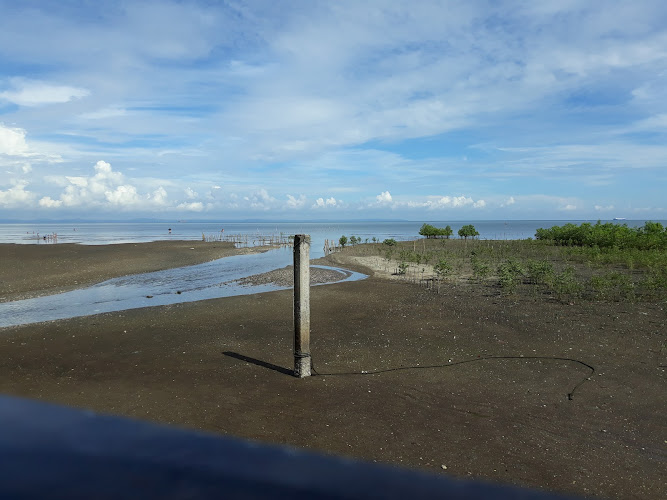
Viewing Deck
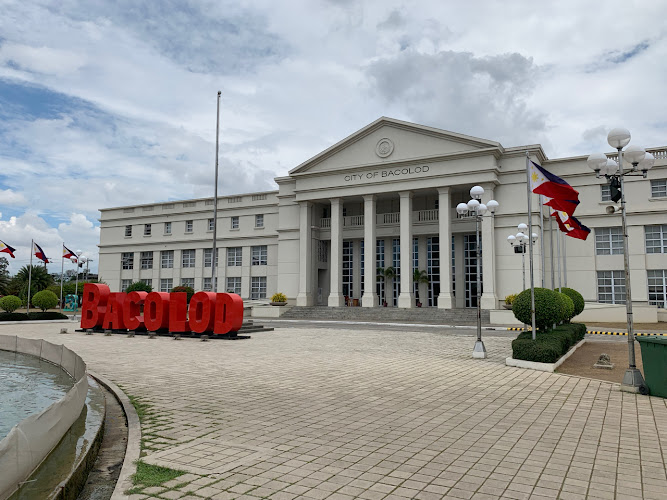
Bacolod City Hall
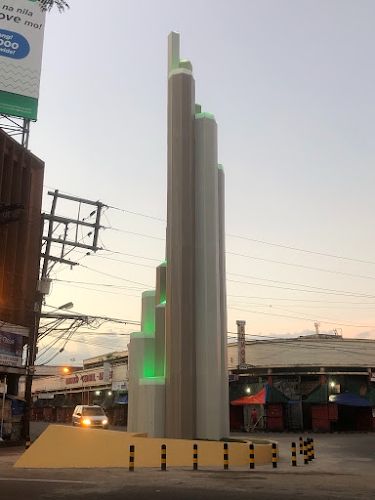
Halandumon Tower
Find Accommodations Nearby
Recommended Tours & Activities
Visitor Reviews
There are no reviews yet. Be the first one to write one.
Share Your Experience
Have you visited Negros Occidental – Kilometer Zero? Help other travelers by leaving a review.