
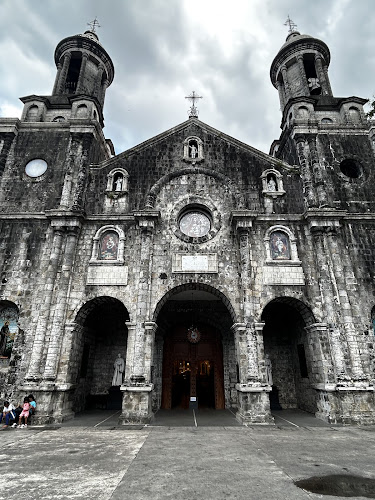
San Sebastian Cathedral
About San Sebastian Cathedral
Description
The San Sebastian Cathedral stands as one of those places that catches you off guard in the best possible way. When I first heard about this 19th-century Catholic cathedral, I'll admit I thought it would be just another church to tick off a sightseeing list. But there's something genuinely special about this architectural marvel that keeps drawing visitors back, and honestly, the building speaks for itself once you step inside. Built during a period of significant growth and cultural development, this cathedral represents more than just a place of worship—it's a testament to the craftsmanship and dedication of an era when building sacred spaces meant pouring your heart and soul into every detail. The twin bell towers rise against the skyline with an elegance that photographs beautifully, though no camera really captures the sense of peace you feel standing beneath them. What strikes most people first is the sheer lightness of the interior space. And I mean that literally—the cathedral's design allows natural light to pour through in ways that make the whole place feel almost ethereal. Those chandeliers hanging from the ceiling aren't just decorative pieces; they're part of a carefully planned lighting scheme that transforms the atmosphere throughout different times of day. Early morning visits offer a completely different experience than late afternoon stops, something I learned after visiting at various hours. The cathedral serves an active parish community while simultaneously welcoming thousands of tourists each year, which creates this interesting blend of sacred reverance and curious exploration. You might find yourself witnessing a quiet prayer service while admiring the architectural details, and there's something beautifully authentic about that duality.Key Features
The San Sebastian Cathedral offers visitors several distinctive elements that make it worth more than a quick photo stop: • Twin bell towers that serve as prominent landmarks visible from various points around the area, offering excellent orientation points when you're exploring the surrounding neighborhood • An exceptionally airy interior design that defies the sometimes heavy, dark atmosphere found in many older cathedrals—this place actually feels welcoming and open rather than imposing • Ornate chandeliers that provide both functional lighting and artistic beauty, particularly stunning when illuminated during evening services • Well-preserved 19th-century architecture showcasing the building techniques and aesthetic preferences of that era, with details that reveal themselves slowly as you spend time inside • Active religious services that give visitors a chance to experience the cathedral as a living, functioning sacred space rather than merely a museum piece • Wheelchair accessible entrance and parking facilities, making this attraction genuinely accessible to visitors with mobility considerations—something that unfortunately can't be said for many historic religious buildings • Onsite restroom facilities, which might seem like a minor point but becomes pretty important when you're spending a day exploring • Architectural details in the facade and interior that reward careful observation, from carved woodwork to thoughtful stonework that tells stories of the craftspeople who built this placeBest Time to Visit
Timing your visit to the San Sebastian Cathedral can really make or break your experience, and I learned this through a bit of trial and error myself. Weekday mornings, particularly Tuesday through Thursday between 9 AM and 11 AM, offer the quietest and most contemplative atmosphere. You'll share the space with local worshippers and maybe a handful of other tourists, which allows for actual reflection and proper photograph-taking without constantly dodging crowds. The morning light through the windows during these hours creates some absolutely gorgeous effects on the interior walls. If you're hoping to attend a service and experience the cathedral in its intended function, Sunday masses draw the largest congregations. But arrive early—at least 20 minutes before the service begins—because seating fills up quickly. There's something genuinely moving about hearing hymns echo through that soaring space with a full congregation. Avoid visiting during major tourist season midday hours, roughly between 12 PM and 3 PM during summer months. The cathedral can get uncomfortably crowded, and you'll find yourself jostling for space to even see the key features. Plus, the midday heat combined with crowds makes for a less pleasant experience overall. Late afternoon visits, around 4 PM to 5:30 PM, offer a nice middle ground. The morning tour groups have dispersed, the lighting takes on beautiful golden tones, and you can usually find quiet corners for contemplation. I personally found these hours most conducive to actually absorbing the atmosphere rather than rushing through. For photographers, the golden hour just before sunset provides exceptional lighting conditions for exterior shots, especially of those bell towers. The surrounding area takes on a warm glow that makes for stunning compositions. Weather doesn't impact your visit much since you're primarily indoors, but rainy days actually draw smaller crowds, making them secretly ideal for those seeking a more intimate experience. And there's something appropriate about seeking shelter in a cathedral during a storm, isn't there?How to Get There
Getting to the San Sebastian Cathedral is refreshingly straightforward, though like most worthwhile destinations, having a plan helps. For those relying on public transportation, several bus routes stop within easy walking distance of the cathedral. The transit system in the area is reliable and affordable, making it a practical choice for budget-conscious travelers. Ask your hotel concierge for the most current route information, as schedules do shift seasonally. Taxi services and ride-sharing apps work well if you're coming from further out or prefer door-to-door convenience. Just be aware that during peak tourist hours, traffic can slow your journey considerably. Building in extra time prevents that anxious clock-watching that ruins the start of a visit. If you're driving yourself, here's where things get a bit trickier. Parking in the immediate vicinity fills up quickly, especially on weekends. However, the cathedral does offer wheelchair accessible parking, which is reassuring for those who need it. Arriving before 9 AM or after 4 PM generally improves your chances of finding a spot nearby. Otherwise, be prepared to park a few blocks away and walk. Many visitors incorporate the cathedral into walking tours of the historic district, which honestly makes the most sense. The surrounding neighborhood offers plenty to explore, and approaching on foot gives you a better appreciation for how the cathedral fits into the urban landscape. You'll notice details you'd completely miss when focused on parking or navigating traffic. For those staying in nearby hotels, the cathedral makes an excellent early morning walk before breakfast or an evening stroll before dinner. The distance is manageable for most fitness levels, and you'll get a feel for local life along the way.Tips for Visiting
Here's what I wish someone had told me before my first visit, along with some lessons learned from subsequent trips. Dress respectfully. This is an active place of worship, not just a tourist attraction. While you won't face strict enforcement, covering shoulders and knees shows consideration for the religious significance of the space. Plus, the interior can feel surprisingly cool even on hot days, so having sleeves isn't a bad idea anyway. Bring cash for donations. While entry is typically free, contributions help maintain this historic building. Even a small donation makes a difference, and honestly, the architectural and spiritual experience you receive is worth supporting financially. Photography is usually permitted, but be mindful of services and other visitors. That means no flash photography during masses, keeping your voice down, and being aware that you're sharing space with people in prayer. I've seen tourists completely disrupt solemn moments with loud conversations and aggressive photo-taking, and it's just not cool. Take your time. This isn't a place to rush through in fifteen minutes. Budget at least 45 minutes to an hour if you want to actually appreciate the details. Sit in one of the pews for a while. Look up at the ceiling. Notice the small details in the corners. Some of the most rewarding discoveries happen when you slow down and observe. Visit the restroom before entering if needed—while facilities are available onsite, interrupting your visit for practical needs breaks the contemplative mood you're building. Download or bring information about the cathedral's history beforehand. While the architecture speaks for itself, understanding the context of when and why it was built enriches the experience considerably. The building has stories to tell if you know how to listen. Consider attending a service even if you're not Catholic or particularly religious. The cathedral truly comes alive during worship, with music, community, and purpose filling that airy space in ways that empty viewing hours cannot replicate. Be mindful of your belongings. Like any tourist attraction, the cathedral and its surroundings attract pickpockets who target distracted visitors. Keep bags zipped and phones secured. And lastly, don't let disappointing weather cancel your plans. The cathedral offers the same beauty and peace whether it's sunny or storming outside, making it an excellent flexible option when your outdoor plans get rained out.Key Features
- Late 19th-century colonial-era architecture and stone façade
- Seat of the Roman Catholic Diocese of Bacolod with active parish life
- Declared heritage church with historical significance dating to a parish founded in 1755
- Photogenic exterior and evening illumination
- Central downtown location near Rizal Street for easy access to markets and civic sites
More Details
Updated March 30, 2026
Table of Contents
Description
The San Sebastian Cathedral stands as one of those places that catches you off guard in the best possible way. When I first heard about this 19th-century Catholic cathedral, I’ll admit I thought it would be just another church to tick off a sightseeing list. But there’s something genuinely special about this architectural marvel that keeps drawing visitors back, and honestly, the building speaks for itself once you step inside.
Built during a period of significant growth and cultural development, this cathedral represents more than just a place of worship—it’s a testament to the craftsmanship and dedication of an era when building sacred spaces meant pouring your heart and soul into every detail. The twin bell towers rise against the skyline with an elegance that photographs beautifully, though no camera really captures the sense of peace you feel standing beneath them.
What strikes most people first is the sheer lightness of the interior space. And I mean that literally—the cathedral’s design allows natural light to pour through in ways that make the whole place feel almost ethereal. Those chandeliers hanging from the ceiling aren’t just decorative pieces; they’re part of a carefully planned lighting scheme that transforms the atmosphere throughout different times of day. Early morning visits offer a completely different experience than late afternoon stops, something I learned after visiting at various hours.
The cathedral serves an active parish community while simultaneously welcoming thousands of tourists each year, which creates this interesting blend of sacred reverance and curious exploration. You might find yourself witnessing a quiet prayer service while admiring the architectural details, and there’s something beautifully authentic about that duality.
Key Features
The San Sebastian Cathedral offers visitors several distinctive elements that make it worth more than a quick photo stop:
• Twin bell towers that serve as prominent landmarks visible from various points around the area, offering excellent orientation points when you’re exploring the surrounding neighborhood
• An exceptionally airy interior design that defies the sometimes heavy, dark atmosphere found in many older cathedrals—this place actually feels welcoming and open rather than imposing
• Ornate chandeliers that provide both functional lighting and artistic beauty, particularly stunning when illuminated during evening services
• Well-preserved 19th-century architecture showcasing the building techniques and aesthetic preferences of that era, with details that reveal themselves slowly as you spend time inside
• Active religious services that give visitors a chance to experience the cathedral as a living, functioning sacred space rather than merely a museum piece
• Wheelchair accessible entrance and parking facilities, making this attraction genuinely accessible to visitors with mobility considerations—something that unfortunately can’t be said for many historic religious buildings
• Onsite restroom facilities, which might seem like a minor point but becomes pretty important when you’re spending a day exploring
• Architectural details in the facade and interior that reward careful observation, from carved woodwork to thoughtful stonework that tells stories of the craftspeople who built this place
Best Time to Visit
Timing your visit to the San Sebastian Cathedral can really make or break your experience, and I learned this through a bit of trial and error myself.
Weekday mornings, particularly Tuesday through Thursday between 9 AM and 11 AM, offer the quietest and most contemplative atmosphere. You’ll share the space with local worshippers and maybe a handful of other tourists, which allows for actual reflection and proper photograph-taking without constantly dodging crowds. The morning light through the windows during these hours creates some absolutely gorgeous effects on the interior walls.
If you’re hoping to attend a service and experience the cathedral in its intended function, Sunday masses draw the largest congregations. But arrive early—at least 20 minutes before the service begins—because seating fills up quickly. There’s something genuinely moving about hearing hymns echo through that soaring space with a full congregation.
Avoid visiting during major tourist season midday hours, roughly between 12 PM and 3 PM during summer months. The cathedral can get uncomfortably crowded, and you’ll find yourself jostling for space to even see the key features. Plus, the midday heat combined with crowds makes for a less pleasant experience overall.
Late afternoon visits, around 4 PM to 5:30 PM, offer a nice middle ground. The morning tour groups have dispersed, the lighting takes on beautiful golden tones, and you can usually find quiet corners for contemplation. I personally found these hours most conducive to actually absorbing the atmosphere rather than rushing through.
For photographers, the golden hour just before sunset provides exceptional lighting conditions for exterior shots, especially of those bell towers. The surrounding area takes on a warm glow that makes for stunning compositions.
Weather doesn’t impact your visit much since you’re primarily indoors, but rainy days actually draw smaller crowds, making them secretly ideal for those seeking a more intimate experience. And there’s something appropriate about seeking shelter in a cathedral during a storm, isn’t there?
How to Get There
Getting to the San Sebastian Cathedral is refreshingly straightforward, though like most worthwhile destinations, having a plan helps.
For those relying on public transportation, several bus routes stop within easy walking distance of the cathedral. The transit system in the area is reliable and affordable, making it a practical choice for budget-conscious travelers. Ask your hotel concierge for the most current route information, as schedules do shift seasonally.
Taxi services and ride-sharing apps work well if you’re coming from further out or prefer door-to-door convenience. Just be aware that during peak tourist hours, traffic can slow your journey considerably. Building in extra time prevents that anxious clock-watching that ruins the start of a visit.
If you’re driving yourself, here’s where things get a bit trickier. Parking in the immediate vicinity fills up quickly, especially on weekends. However, the cathedral does offer wheelchair accessible parking, which is reassuring for those who need it. Arriving before 9 AM or after 4 PM generally improves your chances of finding a spot nearby. Otherwise, be prepared to park a few blocks away and walk.
Many visitors incorporate the cathedral into walking tours of the historic district, which honestly makes the most sense. The surrounding neighborhood offers plenty to explore, and approaching on foot gives you a better appreciation for how the cathedral fits into the urban landscape. You’ll notice details you’d completely miss when focused on parking or navigating traffic.
For those staying in nearby hotels, the cathedral makes an excellent early morning walk before breakfast or an evening stroll before dinner. The distance is manageable for most fitness levels, and you’ll get a feel for local life along the way.
Tips for Visiting
Here’s what I wish someone had told me before my first visit, along with some lessons learned from subsequent trips.
Dress respectfully. This is an active place of worship, not just a tourist attraction. While you won’t face strict enforcement, covering shoulders and knees shows consideration for the religious significance of the space. Plus, the interior can feel surprisingly cool even on hot days, so having sleeves isn’t a bad idea anyway.
Bring cash for donations. While entry is typically free, contributions help maintain this historic building. Even a small donation makes a difference, and honestly, the architectural and spiritual experience you receive is worth supporting financially.
Photography is usually permitted, but be mindful of services and other visitors. That means no flash photography during masses, keeping your voice down, and being aware that you’re sharing space with people in prayer. I’ve seen tourists completely disrupt solemn moments with loud conversations and aggressive photo-taking, and it’s just not cool.
Take your time. This isn’t a place to rush through in fifteen minutes. Budget at least 45 minutes to an hour if you want to actually appreciate the details. Sit in one of the pews for a while. Look up at the ceiling. Notice the small details in the corners. Some of the most rewarding discoveries happen when you slow down and observe.
Visit the restroom before entering if needed—while facilities are available onsite, interrupting your visit for practical needs breaks the contemplative mood you’re building.
Download or bring information about the cathedral’s history beforehand. While the architecture speaks for itself, understanding the context of when and why it was built enriches the experience considerably. The building has stories to tell if you know how to listen.
Consider attending a service even if you’re not Catholic or particularly religious. The cathedral truly comes alive during worship, with music, community, and purpose filling that airy space in ways that empty viewing hours cannot replicate.
Be mindful of your belongings. Like any tourist attraction, the cathedral and its surroundings attract pickpockets who target distracted visitors. Keep bags zipped and phones secured.
And lastly, don’t let disappointing weather cancel your plans. The cathedral offers the same beauty and peace whether it’s sunny or storming outside, making it an excellent flexible option when your outdoor plans get rained out.
Key Highlights
- Late 19th-century colonial-era architecture and stone façade
- Seat of the Roman Catholic Diocese of Bacolod with active parish life
- Declared heritage church with historical significance dating to a parish founded in 1755
- Photogenic exterior and evening illumination
- Central downtown location near Rizal Street for easy access to markets and civic sites
Location
Places to Stay Near San Sebastian Cathedral
Find and Book a Tour
Explore More Travel Guides
No reviews found! Be the first to review!
San Sebastian Cathedral is a prominent attractions located in Bacolod.
Visit us at: 1755 Rizal Street, Bacolod City, 6100, Negros Occidental, Rizal St, Bacolod, 6100 Negros Occidental, Philippines.
Traveler Reviews for San Sebastian Cathedral
There are no reviews yet. Be the first one to write one.
Have you visited San Sebastian Cathedral? Help other travelers by sharing your review.
Nearby Attractions
You Might Also Like
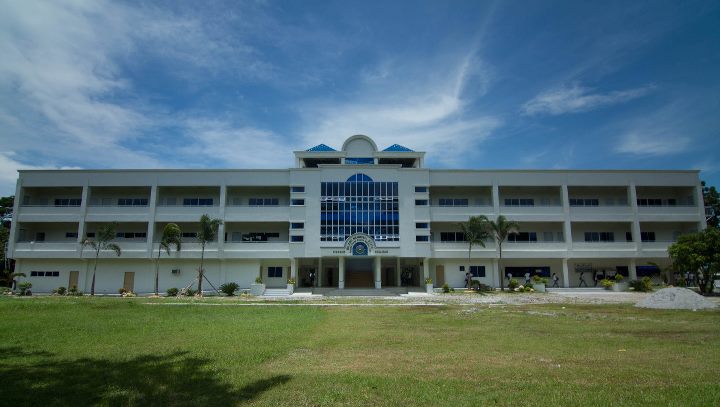
Carlos Hilado Memorial State University
Den!ise Pad
Cabug - Sum-ag - Pahanocoy Boundary
Find Accommodations Nearby
Recommended Tours & Activities
Visitor Reviews
There are no reviews yet. Be the first one to write one.
Share Your Experience
Have you visited San Sebastian Cathedral? Help other travelers by leaving a review.