
NEGROS FORESTS AND ECOLOGICAL FOUNDATION,INC.
About NEGROS FORESTS AND ECOLOGICAL FOUNDATION,INC.
Description
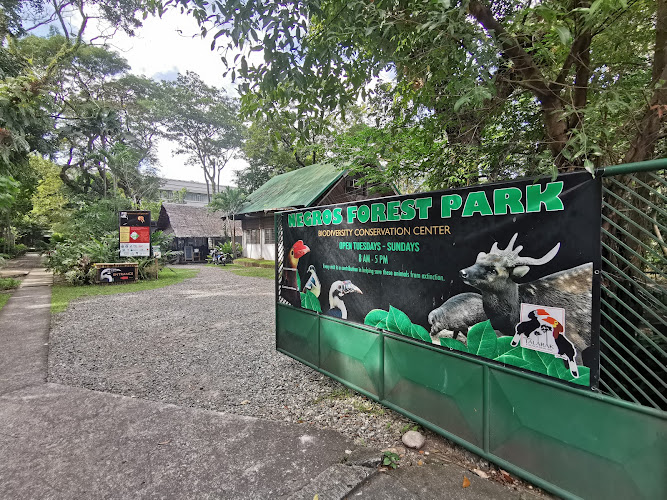
The Negros Forests and Ecological Foundation, Inc. stands as one of the Philippines' most important conservation centers, quietly doing extraordinary work to protect some of the country's most endangered species. Located on Negros Island, this wildlife refuge has become a beacon of hope for creatures that might otherwise have vanished from our planet entirely. And honestly, visiting places like this changes your perspective on what tourism can actually accomplish. This isn't your typical zoo experience where animals pace behind bars looking miserable. The foundation operates as a genuine sanctuary and breeding facility, focusing particularly on species native to the Negros Island region. The star residents include the critically endangered Visayan spotted deer, the Visayan warty pig, and various bird species that you simply won't encounter anywhere else on Earth. I remember reading about how some of these animals were down to just dozens of individuals in the wild – that's terrifyingly close to extinction. What makes this place truly special is the dual mission approach. Sure, they're protecting animals and breeding them in controlled environments, but they're also running extensive education programs that reach local communities. Because let's be real – conservation doesn't work if the people living alongside these habitats don't understand why protecting them matters. The foundation has been instrumental in changing attitudes about wildlife preservation across the Negros region since its establishment. Travelers who visit get to witness conservation work in action rather than just reading about it in articles or watching documentaries. The facility manages various enclosures designed to mirror natural habitats as closely as possible, giving these rare breeds the space and environment they need to thrive. And the staff – many of whom have dedicated their entire careers to this cause – bring a level of passion and knowledge that you just can't fake. The foundation has made the facility wheelchair accessible, which is genuinely commendable for an attraction situated in a region where accessibility often takes a backseat to other concerns. Both the entrance and parking areas accommodate visitors with mobility challenges, making this conservation experience available to more people.Key Features
The Negros Forests and Ecological Foundation offers visitors several distinctive experiences that set it apart from commercial wildlife attractions:- Home to the critically endangered Visayan spotted deer, one of the world's rarest deer species with fewer than 300 individuals believed to exist in the wild
- Breeding program for Visayan warty pigs, another endemic species facing severe population decline
- Educational programs that explain the delicate ecological balance of Negros Island's forest ecosystems
- Opportunity to observe rare bird species native to the Visayan region, including several threatened hornbill varieties
- Conservation tours led by knowledgeable staff who share firsthand accounts of rescue and rehabilitation efforts
- Smaller, more intimate setting compared to large commercial zoos, allowing for closer observation and learning experiences
- Active participation in reforestation projects that aim to restore degraded habitats across the island
- Research facilities where ongoing studies help inform conservation strategies throughout the Philippines
- Wheelchair accessible facilities including entrance and parking areas, making the experience inclusive for visitors with mobility needs
- Gift shop where purchases directly support conservation programs and operational costs
- Photo opportunities with proper ethical guidelines that prioritize animal welfare over tourist desires
Best Time to Visit
Planning your visit to the Negros Forests and Ecological Foundation requires consideration of both weather patterns and the rhythms of the animals themselves. The dry season running from November through May offers the most comfortable conditions for walking around the facility. You'll appreciate this when you're spending a couple hours outdoors in a tropical climate, trust me. Early mornings between 8 and 10 AM present ideal visiting conditions. The animals tend to be more active during cooler morning hours, and you'll catch them feeding and moving around their enclosures rather than resting in shaded areas. Plus, morning visits mean you'll beat both the midday heat and larger tour groups that sometimes arrive later. Weekdays generally provide a more peaceful experience than weekends when local families often plan their outings. But honestly, the foundation never gets overwhelmingly crowded – one of those hidden advantages of visiting a genuine conservation facility rather than a major tourist zoo. The wet season from June through October brings afternoon rains that can interrupt your visit, though the lush greenery during these months makes the sanctuary particularly beautiful. If you don't mind getting a bit damp and carrying an umbrella, visiting during the shoulder months of June or October offers a nice compromise between favorable weather and that vibrant rainy season landscape. Avoid visiting during major Philippine holidays like Holy Week or Christmas when the facility might have modified hours or when transportation options become more limited and expensive. The foundation sometimes hosts special educational events and feeding demonstrations – checking their schedule before planning your trip can help you time your visit to coincide with these enhanced experiences. Temperature-wise, you're looking at consistent warmth year-round since this is the tropics. But the humidity during the wet season can be pretty intense, especially for travelers coming from temperate climates. Pack accordingly and maybe don't schedule this as an all-day adventure if you're heat-sensitive.How to Get There
Reaching the Negros Forests and Ecological Foundation requires some planning since it's not situated in a major urban center. Most travelers arrive in Bacolod City, the capital of Negros Occidental, which serves as the main gateway to the island. Bacolod-Silay Airport receives flights from Manila, Cebu, and other Philippine cities multiple times daily. From Bacolod, the foundation is approximately a 30-40 minute drive depending on traffic conditions. Hiring a taxi for a half-day trip typically costs between 1,500 to 2,000 pesos, and most drivers know the location. Make sure to negotiate the fare in advance and clarify that you want them to wait while you visit – otherwise you might find yourself stranded without return transportation. Another option involves riding a jeepney or van toward the general area and then taking a tricycle for the final leg of the journey. This approach costs significantly less but requires more time and some comfort with navigating Philippine public transport. And let's be honest, if it's your first time in the region, the taxi option removes a lot of uncertainty and stress. Some hotels in Bacolod can arrange transportation as part of a day tour package. This often includes a driver who functions as an informal guide, explaining local context during the drive. The convenience comes at a premium, but for travelers with limited time or those visiting as part of a larger Negros itinerary, it's worth considering. If you're already exploring other parts of Negros and approaching from Dumaguete City in the south, the journey becomes considerably longer – roughly 3-4 hours depending on road conditions. In that case, you might want to arrange overnight accommodation closer to the foundation or plan it as part of a multi-day circuit around the island. Ride-sharing apps have limited availability in this part of Negros, so don't count on Grab or similar services as your backup plan. Old-school taxis and negotiated private hires remain the most reliable options.Tips for Visiting
Preparing properly for your visit to the Negros Forests and Ecological Foundation enhances the experience considerably. First off, wear comfortable walking shoes – not sandals or flip-flops. The terrain includes some uneven paths, and you'll be on your feet exploring various enclosures and exhibits. I learned this lesson the hard way at a different sanctuary, and sore feet really put a damper on what should be an enjoyable experience. Bring sun protection including a hat, sunglasses, and sunscreen. Much of the facility sits under tree cover, but you'll still get plenty of sun exposure during your visit. And the tropical sun hits different than what many travelers are used to – it's no joke even on partly cloudy days. Pack water and light snacks. While there might be some refreshments available, you can't count on extensive food service at a conservation facility. Staying hydrated in the heat should be a priority, especially if you're visiting with children or elderly family members. Photography is generally allowed and encouraged, but always follow staff guidelines about flash photography and distance from enclosures. These are rescue animals, many of whom have experienced trauma, and your Instagram shot isn't worth causing them stress. Be respectful and patient, waiting for natural moments rather than trying to provoke reactions. Donation support goes directly toward conservation efforts. While there's typically an entrance fee, consider bringing extra cash to contribute to the foundation's work. Every peso helps fund feeding programs, veterinary care, and habitat restoration projects. Small amounts make a real difference for non-profit operations. Engage with the staff and ask questions. The people working here possess incredible knowledge about these species and Philippine ecology generally. They're usually eager to share information with genuinely interested visitors, and you'll leave understanding so much more than you would from just reading the informational signs. Respect the rules about not feeding animals or reaching into enclosures. This should go without saying, but every sanctuary has stories about visitors who thought the rules didn't apply to them. These guidelines exist for both your safety and the animals' wellbeing. Plan for about 2-3 hours for a thorough visit. Rushing through defeats the purpose of experiencing a conservation facility. This isn't like checking a landmark off your list – it's about observation, learning, and reflection. Consider visiting as part of a broader exploration of Negros Island's natural attractions. The island offers mountains, waterfalls, and other ecological sites that pair well with the foundation's conservation theme. Creating a nature-focused itinerary makes the journey more worthwhile. Check the facility's operating hours before heading out, as they sometimes close for maintenance or during severe weather. A quick confirmation call or message saves the disappointment of arriving to locked gates. Finally, approach your visit with realistic expectations. This is a working conservation facility, not a polished theme park. The focus is on animal welfare and species preservation rather than entertainment value. But if you appreciate wildlife and want to support meaningful conservation work, you'll find the Negros Forests and Ecological Foundation absolutely worth your time.Key Features
- Wildlife sanctuary and captive-breeding programs for endemic and endangered species
- Reforestation and habitat restoration projects across Negros Island
- Educational exhibits and guided walks focused on local ecology and conservation
- Intimate, low-impact visitor experience rather than a commercial zoo
- Volunteer and community-engagement opportunities for hands-on conservation
More Details
Updated March 30, 2026
Table of Contents
- Description
- Key Features
- Best Time to Visit
- How to Get There
- Tips for Visiting
- Key Highlights
- Location
- Places to Stay Near NEGROS FORESTS AND ECOLOGICAL FOUNDATION,INC.
- Find and Book a Tour
- Explore More Travel Guides
- Nearby Places You Might Like
- Traveler Reviews for NEGROS FORESTS AND ECOLOGICAL FOUNDATION,INC.
- Share Your Experience
Description
The Negros Forests and Ecological Foundation, Inc. stands as one of the Philippines’ most important conservation centers, quietly doing extraordinary work to protect some of the country’s most endangered species. Located on Negros Island, this wildlife refuge has become a beacon of hope for creatures that might otherwise have vanished from our planet entirely. And honestly, visiting places like this changes your perspective on what tourism can actually accomplish.
This isn’t your typical zoo experience where animals pace behind bars looking miserable. The foundation operates as a genuine sanctuary and breeding facility, focusing particularly on species native to the Negros Island region. The star residents include the critically endangered Visayan spotted deer, the Visayan warty pig, and various bird species that you simply won’t encounter anywhere else on Earth. I remember reading about how some of these animals were down to just dozens of individuals in the wild – that’s terrifyingly close to extinction.
What makes this place truly special is the dual mission approach. Sure, they’re protecting animals and breeding them in controlled environments, but they’re also running extensive education programs that reach local communities. Because let’s be real – conservation doesn’t work if the people living alongside these habitats don’t understand why protecting them matters. The foundation has been instrumental in changing attitudes about wildlife preservation across the Negros region since its establishment.
Travelers who visit get to witness conservation work in action rather than just reading about it in articles or watching documentaries. The facility manages various enclosures designed to mirror natural habitats as closely as possible, giving these rare breeds the space and environment they need to thrive. And the staff – many of whom have dedicated their entire careers to this cause – bring a level of passion and knowledge that you just can’t fake.
The foundation has made the facility wheelchair accessible, which is genuinely commendable for an attraction situated in a region where accessibility often takes a backseat to other concerns. Both the entrance and parking areas accommodate visitors with mobility challenges, making this conservation experience available to more people.
Key Features
The Negros Forests and Ecological Foundation offers visitors several distinctive experiences that set it apart from commercial wildlife attractions:
- Home to the critically endangered Visayan spotted deer, one of the world’s rarest deer species with fewer than 300 individuals believed to exist in the wild
- Breeding program for Visayan warty pigs, another endemic species facing severe population decline
- Educational programs that explain the delicate ecological balance of Negros Island’s forest ecosystems
- Opportunity to observe rare bird species native to the Visayan region, including several threatened hornbill varieties
- Conservation tours led by knowledgeable staff who share firsthand accounts of rescue and rehabilitation efforts
- Smaller, more intimate setting compared to large commercial zoos, allowing for closer observation and learning experiences
- Active participation in reforestation projects that aim to restore degraded habitats across the island
- Research facilities where ongoing studies help inform conservation strategies throughout the Philippines
- Wheelchair accessible facilities including entrance and parking areas, making the experience inclusive for visitors with mobility needs
- Gift shop where purchases directly support conservation programs and operational costs
- Photo opportunities with proper ethical guidelines that prioritize animal welfare over tourist desires
Best Time to Visit
Planning your visit to the Negros Forests and Ecological Foundation requires consideration of both weather patterns and the rhythms of the animals themselves. The dry season running from November through May offers the most comfortable conditions for walking around the facility. You’ll appreciate this when you’re spending a couple hours outdoors in a tropical climate, trust me.
Early mornings between 8 and 10 AM present ideal visiting conditions. The animals tend to be more active during cooler morning hours, and you’ll catch them feeding and moving around their enclosures rather than resting in shaded areas. Plus, morning visits mean you’ll beat both the midday heat and larger tour groups that sometimes arrive later.
Weekdays generally provide a more peaceful experience than weekends when local families often plan their outings. But honestly, the foundation never gets overwhelmingly crowded – one of those hidden advantages of visiting a genuine conservation facility rather than a major tourist zoo.
The wet season from June through October brings afternoon rains that can interrupt your visit, though the lush greenery during these months makes the sanctuary particularly beautiful. If you don’t mind getting a bit damp and carrying an umbrella, visiting during the shoulder months of June or October offers a nice compromise between favorable weather and that vibrant rainy season landscape.
Avoid visiting during major Philippine holidays like Holy Week or Christmas when the facility might have modified hours or when transportation options become more limited and expensive. The foundation sometimes hosts special educational events and feeding demonstrations – checking their schedule before planning your trip can help you time your visit to coincide with these enhanced experiences.
Temperature-wise, you’re looking at consistent warmth year-round since this is the tropics. But the humidity during the wet season can be pretty intense, especially for travelers coming from temperate climates. Pack accordingly and maybe don’t schedule this as an all-day adventure if you’re heat-sensitive.
How to Get There
Reaching the Negros Forests and Ecological Foundation requires some planning since it’s not situated in a major urban center. Most travelers arrive in Bacolod City, the capital of Negros Occidental, which serves as the main gateway to the island. Bacolod-Silay Airport receives flights from Manila, Cebu, and other Philippine cities multiple times daily.
From Bacolod, the foundation is approximately a 30-40 minute drive depending on traffic conditions. Hiring a taxi for a half-day trip typically costs between 1,500 to 2,000 pesos, and most drivers know the location. Make sure to negotiate the fare in advance and clarify that you want them to wait while you visit – otherwise you might find yourself stranded without return transportation.
Another option involves riding a jeepney or van toward the general area and then taking a tricycle for the final leg of the journey. This approach costs significantly less but requires more time and some comfort with navigating Philippine public transport. And let’s be honest, if it’s your first time in the region, the taxi option removes a lot of uncertainty and stress.
Some hotels in Bacolod can arrange transportation as part of a day tour package. This often includes a driver who functions as an informal guide, explaining local context during the drive. The convenience comes at a premium, but for travelers with limited time or those visiting as part of a larger Negros itinerary, it’s worth considering.
If you’re already exploring other parts of Negros and approaching from Dumaguete City in the south, the journey becomes considerably longer – roughly 3-4 hours depending on road conditions. In that case, you might want to arrange overnight accommodation closer to the foundation or plan it as part of a multi-day circuit around the island.
Ride-sharing apps have limited availability in this part of Negros, so don’t count on Grab or similar services as your backup plan. Old-school taxis and negotiated private hires remain the most reliable options.
Tips for Visiting
Preparing properly for your visit to the Negros Forests and Ecological Foundation enhances the experience considerably. First off, wear comfortable walking shoes – not sandals or flip-flops. The terrain includes some uneven paths, and you’ll be on your feet exploring various enclosures and exhibits. I learned this lesson the hard way at a different sanctuary, and sore feet really put a damper on what should be an enjoyable experience.
Bring sun protection including a hat, sunglasses, and sunscreen. Much of the facility sits under tree cover, but you’ll still get plenty of sun exposure during your visit. And the tropical sun hits different than what many travelers are used to – it’s no joke even on partly cloudy days.
Pack water and light snacks. While there might be some refreshments available, you can’t count on extensive food service at a conservation facility. Staying hydrated in the heat should be a priority, especially if you’re visiting with children or elderly family members.
Photography is generally allowed and encouraged, but always follow staff guidelines about flash photography and distance from enclosures. These are rescue animals, many of whom have experienced trauma, and your Instagram shot isn’t worth causing them stress. Be respectful and patient, waiting for natural moments rather than trying to provoke reactions.
Donation support goes directly toward conservation efforts. While there’s typically an entrance fee, consider bringing extra cash to contribute to the foundation’s work. Every peso helps fund feeding programs, veterinary care, and habitat restoration projects. Small amounts make a real difference for non-profit operations.
Engage with the staff and ask questions. The people working here possess incredible knowledge about these species and Philippine ecology generally. They’re usually eager to share information with genuinely interested visitors, and you’ll leave understanding so much more than you would from just reading the informational signs.
Respect the rules about not feeding animals or reaching into enclosures. This should go without saying, but every sanctuary has stories about visitors who thought the rules didn’t apply to them. These guidelines exist for both your safety and the animals’ wellbeing.
Plan for about 2-3 hours for a thorough visit. Rushing through defeats the purpose of experiencing a conservation facility. This isn’t like checking a landmark off your list – it’s about observation, learning, and reflection.
Consider visiting as part of a broader exploration of Negros Island’s natural attractions. The island offers mountains, waterfalls, and other ecological sites that pair well with the foundation’s conservation theme. Creating a nature-focused itinerary makes the journey more worthwhile.
Check the facility’s operating hours before heading out, as they sometimes close for maintenance or during severe weather. A quick confirmation call or message saves the disappointment of arriving to locked gates.
Finally, approach your visit with realistic expectations. This is a working conservation facility, not a polished theme park. The focus is on animal welfare and species preservation rather than entertainment value. But if you appreciate wildlife and want to support meaningful conservation work, you’ll find the Negros Forests and Ecological Foundation absolutely worth your time.
Key Highlights
- Wildlife sanctuary and captive-breeding programs for endemic and endangered species
- Reforestation and habitat restoration projects across Negros Island
- Educational exhibits and guided walks focused on local ecology and conservation
- Intimate, low-impact visitor experience rather than a commercial zoo
- Volunteer and community-engagement opportunities for hands-on conservation
Location
Places to Stay Near NEGROS FORESTS AND ECOLOGICAL FOUNDATION,INC.
Find and Book a Tour
Explore More Travel Guides
No reviews found! Be the first to review!
NEGROS FORESTS AND ECOLOGICAL FOUNDATION,INC. is a prominent attractions located in Bacolod.
Visit us at: MXG2+2CM, S Capitol Rd, Bacolod, 6100 Negros Occidental, Philippines.
Traveler Reviews for NEGROS FORESTS AND ECOLOGICAL FOUNDATION,INC.
There are no reviews yet. Be the first one to write one.
Have you visited NEGROS FORESTS AND ECOLOGICAL FOUNDATION,INC.? Help other travelers by sharing your review.
Nearby Attractions
You Might Also Like
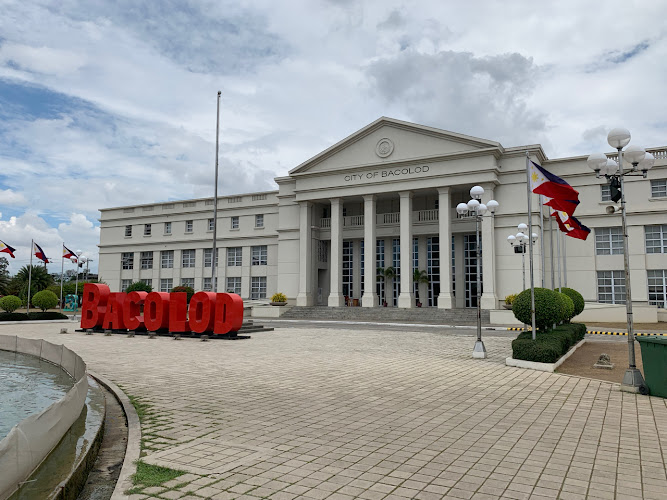
Bacolod City Hall

Capitol Park and Lagoon
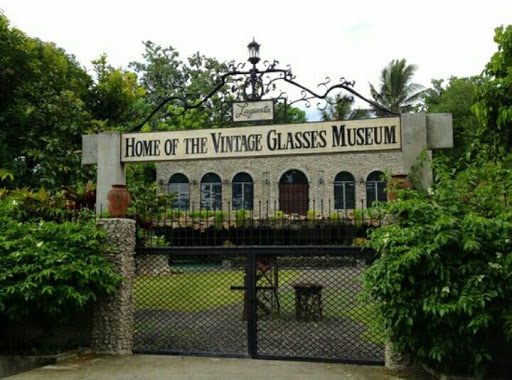
Laguerta Vintage Glasses Museum
Find Accommodations Nearby
Recommended Tours & Activities
Visitor Reviews
There are no reviews yet. Be the first one to write one.
Share Your Experience
Have you visited NEGROS FORESTS AND ECOLOGICAL FOUNDATION,INC.? Help other travelers by leaving a review.