
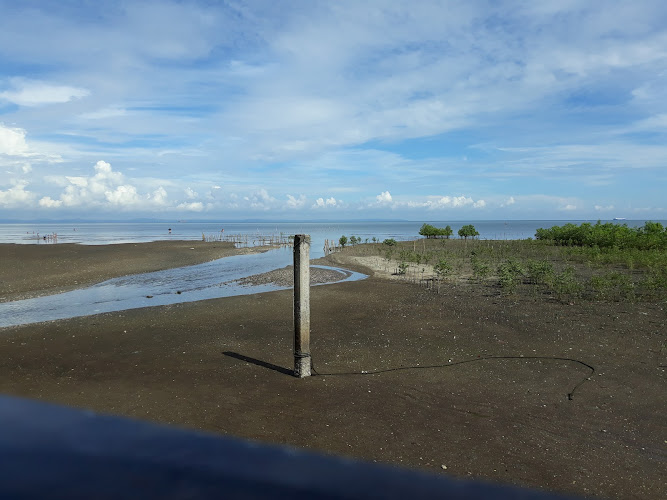
Viewing Deck
About Viewing Deck
Description
The Viewing Deck offers travelers one of those experiences where you can catch your breath and really take in everything around you. I've always believed that the best travel moments happen when you're standing somewhere high enough to get perspective, and this spot delivers exactly that. It's designed as a dedicated observation point where visitors can soak in panoramic views without the usual distractions you find at busier tourist attractions. What makes this place work is its straightforward approach. You're not dealing with over-commercialized gimmicks or endless souvenir stands blocking your line of sight. The deck itself provides an unobstructed vantage point that lets the scenery do the talking. And honestly, that's refreshing in today's world where every attraction seems to think it needs bells and whistles to keep people interested. The space welcomes families particularly well, making it an excellent choice for those traveling with children. Kids can run around a bit without the constant worry that plagues parents at more precarious overlooks. The structure itself feels secure and well-maintained, which matters when you're bringing little ones along who don't quite understand the concept of staying put. From a practical standpoint, the viewing deck serves its purpose beautifully. Whether you're an amateur photographer trying to capture that perfect shot or someone who just wants to sit quietly for twenty minutes and decompress from the chaos of travel, this place accommodates both approaches. The reviews speak pretty clearly here - most visitors leave satisfied, with a significant majority giving it high marks for delivering what it promises without pretense.Key Features
- Panoramic viewing angles that provide sweeping sightlines across the surrounding landscape, giving visitors multiple perspectives from different positions along the deck
- Family-friendly infrastructure with safety features that make it suitable for children of various ages, allowing parents to relax while kids explore
- Unobstructed views that aren't marred by excessive commercial development or intrusive structures blocking the natural scenery
- Well-maintained observation areas with sturdy railings and proper spacing for groups of different sizes
- Accessible layout that accommodates visitors with different mobility levels, though it's worth checking specific accessibility features before your visit
- Photo-friendly setup with plenty of angles and positions for capturing memorable shots without fighting crowds for the perfect spot
- Minimal commercialization compared to similar tourist attractions, which means less pressure to spend money on overpriced add-ons
- Open-air design that connects visitors directly with the environment rather than filtering everything through glass or screens
- Adequate space for lingering without feeling rushed, allowing visitors to take their time appreciating the views
- Strategic positioning that maximizes visual impact, clearly chosen by someone who understood what makes a viewing experience memorable
Best Time to Visit
Timing your visit to the viewing deck can make the difference between a decent experience and one you'll actually remember years later. Early morning hours typically offer the clearest visibility, especially if you're hoping to capture photographs without haze or excessive glare. I've learned through multiple travel mishaps that showing up at midday usually means dealing with harsh sunlight and reduced contrast in whatever scenery you're viewing. The golden hour before sunset remains the classic choice for good reason. The light quality transforms ordinary landscapes into something worth posting about, and you'll find the temperature more comfortable than midday heat. But here's the thing - everyone else knows this too. If you're visiting during peak tourist season, that gorgeous sunset viewing might come with a side of shoulder-to-shoulder crowds that diminish the experience considerably. Weekday visits generally provide a more peaceful atmosphere than weekends. If your travel schedule allows flexibility, avoiding Saturday and Sunday can mean having the deck mostly to yourself. There's something special about experiencing these places without constant chatter and jostling for position at the railing. Weather patterns matter significantly for viewing decks. Clear days obviously provide the best visibility, but don't automatically dismiss slightly overcast conditions. Some of the most dramatic landscape views I've witnessed happened under partly cloudy skies that added texture and depth to the scene. Just avoid heavy wind or rain, which makes standing on exposed decks uncomfortable and potentially unsafe. Seasonal considerations come into play too. Different times of year offer distinct advantages depending on what you want from the experience. Spring and fall typically provide moderate temperatures that make extended standing comfortable, while summer might require planning around heat and winter could mean bundling up considerably.How to Get There
Getting to the viewing deck requires some planning, though it's not as complicated as reaching some remote attractions. The journey itself often becomes part of the adventure, especially if you're traveling through scenic areas along the way. Most visitors reach the viewing deck by car, which provides the most flexibility in terms of timing and allowing you to carry supplies for your visit. Parking availability should be confirmed before you arrive, particularly during busy periods when spaces fill up quickly. I've made the mistake before of assuming parking would be plentiful only to spend thirty minutes circling around looking for a spot. Public transportation options exist but typically require more time and planning. If you're relying on buses or other public transit, check schedules carefully and build in buffer time. Missing the last bus back because you stayed too long watching the sunset creates unnecessary stress that ruins the peaceful experience you came for. Walking access depends on where you're staying and your fitness level. Some travelers incorporate the viewing deck into longer hikes or walking routes, which works beautifully if you're properly prepared. But showing up exhausted from an unexpectedly difficult walk means you won't fully appreciate the destination once you arrive. Ride-sharing services can work well for getting there, though you'll want to confirm availability for the return trip. Service can be spotty in less densely populated areas, and counting on a quick pickup might leave you stranded longer than anticipated.Tips for Visiting
Bring layers regardless of what the weather forecast promises. Viewing decks by their nature sit exposed to wind and elements, which means temperatures feel different than ground level. I can't count how many times I've watched shivering tourists who dressed for the parking lot rather than the actual destination. Arrive with realistic expectations about what you'll see. The viewing deck provides excellent vantage points, but it's not going to magically create stunning vistas if the surrounding area doesn't naturally offer them. Check photos from other visitors beforehand so you know what you're getting. Timing your visit around meals makes sense if the deck lacks food facilities. Arriving hungry and then realizing you'll need to leave immediately to find lunch cuts your experience short unnecessarily. Pack snacks and water, especially when bringing children who need regular fuel to stay happy. Photography equipment deserves consideration. A smartphone works fine for casual shots, but serious photographers should bring appropriate lenses and stabilization equipment. The lighting and distance involved in landscape photography from viewing decks often requires more than basic gear. Respect other visitors by not monopolizing prime viewing spots during busy times. I get it - you want that perfect shot or extended contemplation time. But when crowds build up, being mindful about sharing access keeps everyone's experience positive. Check for any specific rules or restrictions before visiting. Some viewing decks prohibit drones, professional photography equipment, or certain activities that might interfere with other guests. Finding this out after you arrive wastes time and creates frustration. Consider visiting multiple times if your schedule allows. Different lighting, weather conditions, and times of day can transform the same location into completely different experiences. What looks ordinary at noon might become spectacular an hour before sunset. Bring binoculars if you're interested in picking out distant details. The naked eye misses plenty of interesting features that become apparent with magnification. This especially matters for viewing decks that overlook expansive areas where notable landmarks sit far away. Mind your belongings, particularly on windy days. I once watched someone's hat sail off into an inaccessible area, and loose items have a way of escaping when you're focused on the view rather than what's in your hands. Take time to simply observe without documenting everything. Sure, get your photos for memories and sharing. But then put the phone away and actually experience the place through your own eyes rather than through a screen. That's where the real value lives.Key Features
- Panoramic viewing angles that provide sweeping sightlines across the surrounding landscape, giving visitors multiple perspectives from different positions along the deck
- Family-friendly infrastructure with safety features that make it suitable for children of various ages, allowing parents to relax while kids explore
- Unobstructed views that aren't marred by excessive commercial development or intrusive structures blocking the natural scenery
- Well-maintained observation areas with sturdy railings and proper spacing for groups of different sizes
- Accessible layout that accommodates visitors with different mobility levels, though it's worth checking specific accessibility features before your visit
- Photo-friendly setup with plenty of angles and positions for capturing memorable shots without fighting crowds for the perfect spot
- Minimal commercialization compared to similar tourist attractions, which means less pressure to spend money on overpriced add-ons
- Open-air design that connects visitors directly with the environment rather than filtering everything through glass or screens
More Details
Updated March 30, 2026
Table of Contents
Description
The Viewing Deck offers travelers one of those experiences where you can catch your breath and really take in everything around you. I’ve always believed that the best travel moments happen when you’re standing somewhere high enough to get perspective, and this spot delivers exactly that. It’s designed as a dedicated observation point where visitors can soak in panoramic views without the usual distractions you find at busier tourist attractions.
What makes this place work is its straightforward approach. You’re not dealing with over-commercialized gimmicks or endless souvenir stands blocking your line of sight. The deck itself provides an unobstructed vantage point that lets the scenery do the talking. And honestly, that’s refreshing in today’s world where every attraction seems to think it needs bells and whistles to keep people interested.
The space welcomes families particularly well, making it an excellent choice for those traveling with children. Kids can run around a bit without the constant worry that plagues parents at more precarious overlooks. The structure itself feels secure and well-maintained, which matters when you’re bringing little ones along who don’t quite understand the concept of staying put.
From a practical standpoint, the viewing deck serves its purpose beautifully. Whether you’re an amateur photographer trying to capture that perfect shot or someone who just wants to sit quietly for twenty minutes and decompress from the chaos of travel, this place accommodates both approaches. The reviews speak pretty clearly here – most visitors leave satisfied, with a significant majority giving it high marks for delivering what it promises without pretense.
Key Features
- Panoramic viewing angles that provide sweeping sightlines across the surrounding landscape, giving visitors multiple perspectives from different positions along the deck
- Family-friendly infrastructure with safety features that make it suitable for children of various ages, allowing parents to relax while kids explore
- Unobstructed views that aren’t marred by excessive commercial development or intrusive structures blocking the natural scenery
- Well-maintained observation areas with sturdy railings and proper spacing for groups of different sizes
- Accessible layout that accommodates visitors with different mobility levels, though it’s worth checking specific accessibility features before your visit
- Photo-friendly setup with plenty of angles and positions for capturing memorable shots without fighting crowds for the perfect spot
- Minimal commercialization compared to similar tourist attractions, which means less pressure to spend money on overpriced add-ons
- Open-air design that connects visitors directly with the environment rather than filtering everything through glass or screens
- Adequate space for lingering without feeling rushed, allowing visitors to take their time appreciating the views
- Strategic positioning that maximizes visual impact, clearly chosen by someone who understood what makes a viewing experience memorable
Best Time to Visit
Timing your visit to the viewing deck can make the difference between a decent experience and one you’ll actually remember years later. Early morning hours typically offer the clearest visibility, especially if you’re hoping to capture photographs without haze or excessive glare. I’ve learned through multiple travel mishaps that showing up at midday usually means dealing with harsh sunlight and reduced contrast in whatever scenery you’re viewing.
The golden hour before sunset remains the classic choice for good reason. The light quality transforms ordinary landscapes into something worth posting about, and you’ll find the temperature more comfortable than midday heat. But here’s the thing – everyone else knows this too. If you’re visiting during peak tourist season, that gorgeous sunset viewing might come with a side of shoulder-to-shoulder crowds that diminish the experience considerably.
Weekday visits generally provide a more peaceful atmosphere than weekends. If your travel schedule allows flexibility, avoiding Saturday and Sunday can mean having the deck mostly to yourself. There’s something special about experiencing these places without constant chatter and jostling for position at the railing.
Weather patterns matter significantly for viewing decks. Clear days obviously provide the best visibility, but don’t automatically dismiss slightly overcast conditions. Some of the most dramatic landscape views I’ve witnessed happened under partly cloudy skies that added texture and depth to the scene. Just avoid heavy wind or rain, which makes standing on exposed decks uncomfortable and potentially unsafe.
Seasonal considerations come into play too. Different times of year offer distinct advantages depending on what you want from the experience. Spring and fall typically provide moderate temperatures that make extended standing comfortable, while summer might require planning around heat and winter could mean bundling up considerably.
How to Get There
Getting to the viewing deck requires some planning, though it’s not as complicated as reaching some remote attractions. The journey itself often becomes part of the adventure, especially if you’re traveling through scenic areas along the way.
Most visitors reach the viewing deck by car, which provides the most flexibility in terms of timing and allowing you to carry supplies for your visit. Parking availability should be confirmed before you arrive, particularly during busy periods when spaces fill up quickly. I’ve made the mistake before of assuming parking would be plentiful only to spend thirty minutes circling around looking for a spot.
Public transportation options exist but typically require more time and planning. If you’re relying on buses or other public transit, check schedules carefully and build in buffer time. Missing the last bus back because you stayed too long watching the sunset creates unnecessary stress that ruins the peaceful experience you came for.
Walking access depends on where you’re staying and your fitness level. Some travelers incorporate the viewing deck into longer hikes or walking routes, which works beautifully if you’re properly prepared. But showing up exhausted from an unexpectedly difficult walk means you won’t fully appreciate the destination once you arrive.
Ride-sharing services can work well for getting there, though you’ll want to confirm availability for the return trip. Service can be spotty in less densely populated areas, and counting on a quick pickup might leave you stranded longer than anticipated.
Tips for Visiting
Bring layers regardless of what the weather forecast promises. Viewing decks by their nature sit exposed to wind and elements, which means temperatures feel different than ground level. I can’t count how many times I’ve watched shivering tourists who dressed for the parking lot rather than the actual destination.
Arrive with realistic expectations about what you’ll see. The viewing deck provides excellent vantage points, but it’s not going to magically create stunning vistas if the surrounding area doesn’t naturally offer them. Check photos from other visitors beforehand so you know what you’re getting.
Timing your visit around meals makes sense if the deck lacks food facilities. Arriving hungry and then realizing you’ll need to leave immediately to find lunch cuts your experience short unnecessarily. Pack snacks and water, especially when bringing children who need regular fuel to stay happy.
Photography equipment deserves consideration. A smartphone works fine for casual shots, but serious photographers should bring appropriate lenses and stabilization equipment. The lighting and distance involved in landscape photography from viewing decks often requires more than basic gear.
Respect other visitors by not monopolizing prime viewing spots during busy times. I get it – you want that perfect shot or extended contemplation time. But when crowds build up, being mindful about sharing access keeps everyone’s experience positive.
Check for any specific rules or restrictions before visiting. Some viewing decks prohibit drones, professional photography equipment, or certain activities that might interfere with other guests. Finding this out after you arrive wastes time and creates frustration.
Consider visiting multiple times if your schedule allows. Different lighting, weather conditions, and times of day can transform the same location into completely different experiences. What looks ordinary at noon might become spectacular an hour before sunset.
Bring binoculars if you’re interested in picking out distant details. The naked eye misses plenty of interesting features that become apparent with magnification. This especially matters for viewing decks that overlook expansive areas where notable landmarks sit far away.
Mind your belongings, particularly on windy days. I once watched someone’s hat sail off into an inaccessible area, and loose items have a way of escaping when you’re focused on the view rather than what’s in your hands.
Take time to simply observe without documenting everything. Sure, get your photos for memories and sharing. But then put the phone away and actually experience the place through your own eyes rather than through a screen. That’s where the real value lives.
Key Highlights
- Panoramic viewing angles that provide sweeping sightlines across the surrounding landscape, giving visitors multiple perspectives from different positions along the deck
- Family-friendly infrastructure with safety features that make it suitable for children of various ages, allowing parents to relax while kids explore
- Unobstructed views that aren't marred by excessive commercial development or intrusive structures blocking the natural scenery
- Well-maintained observation areas with sturdy railings and proper spacing for groups of different sizes
- Accessible layout that accommodates visitors with different mobility levels, though it's worth checking specific accessibility features before your visit
- Photo-friendly setup with plenty of angles and positions for capturing memorable shots without fighting crowds for the perfect spot
- Minimal commercialization compared to similar tourist attractions, which means less pressure to spend money on overpriced add-ons
- Open-air design that connects visitors directly with the environment rather than filtering everything through glass or screens
Location
Places to Stay Near Viewing Deck
Find and Book a Tour
Explore More Travel Guides
No reviews found! Be the first to review!
Viewing Deck is a prominent attractions located in Bacolod.
Visit us at: JW37+WFV, Bacolod, Negros Occidental, Philippines.
Traveler Reviews for Viewing Deck
There are no reviews yet. Be the first one to write one.
Have you visited Viewing Deck? Help other travelers by sharing your review.
You Might Also Like
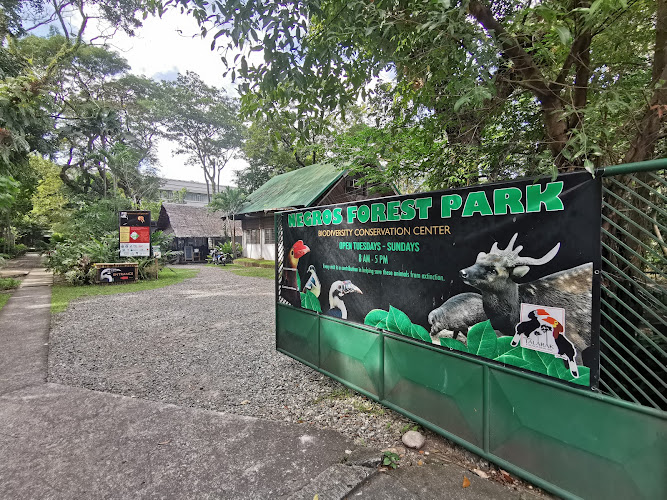
NEGROS FORESTS AND ECOLOGICAL FOUNDATION,INC.
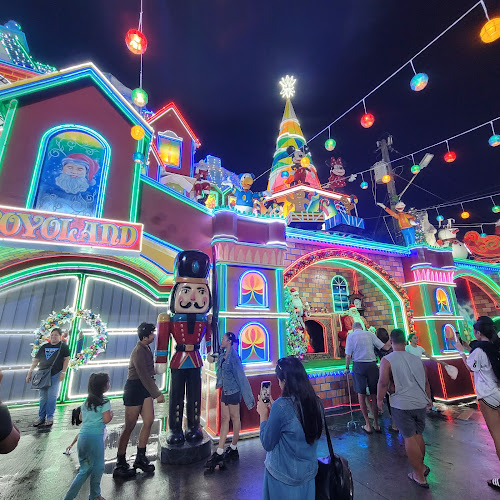
Yoyo Land

San Sebastian Cathedral
Find Accommodations Nearby
Recommended Tours & Activities
Visitor Reviews
There are no reviews yet. Be the first one to write one.
Share Your Experience
Have you visited Viewing Deck? Help other travelers by leaving a review.