About Nagasaki Science Museum

Description

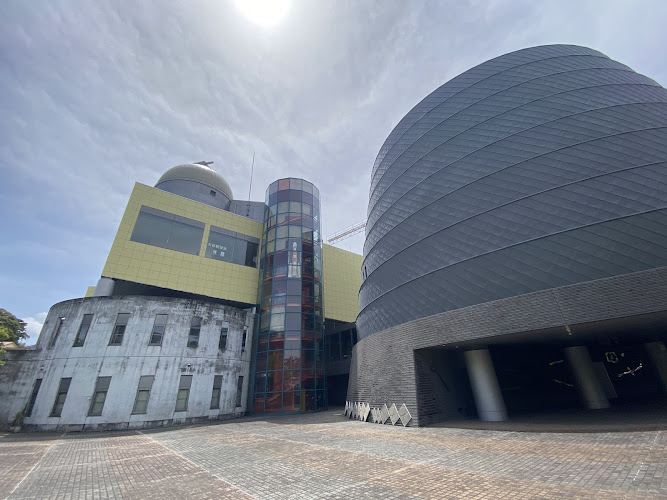
The Nagasaki Science Museum is one of those places that quietly surprises you. It doesn’t shout for attention, and honestly, that’s part of the charm. Travelers who make the effort to step inside usually come away thinking, huh, that was better than expected. It’s a hands-on science museum with a strong educational backbone, mixed with playful curiosity and a planetarium that feels way more immersive than its modest exterior suggests.

The museum focuses on physics, astronomy, natural science, and everyday technology. And yes, it’s clearly designed with kids in mind, but adults don’t feel like awkward tagalongs. I’ve visited science museums around Japan, and this one has a very Nagasaki flavor—practical, thoughtful, and not overly flashy. Some exhibits show their age, sure. But that almost adds to the experience, like flipping through a well-used science textbook that someone clearly loved.

One thing that stands out is how approachable everything feels. You’re encouraged to touch, push, spin, test, and sometimes mess up. And that’s refreshing. There’s less of the glass-case, don’t-touch vibe and more of a “go on, try it” attitude. If you’re traveling with children, expect them to dart from one experiment to the next while you trail behind, secretly enjoying it too.

The planetarium is the emotional core of the museum. It’s not massive, but the shows are surprisingly absorbing. On one visit, I remember sitting there longer than planned, half because I was genuinely interested in the night sky over Nagasaki, and half because the dark, cool room felt like a gift after walking all day. You might feel the same.

Accessibility is another quiet strength. The building has wheelchair-accessible entrances, parking, and restrooms, which makes planning much easier for families and travelers with mobility needs. That kind of consideration matters more than people realize until they actually need it.

Key Features

  • Interactive science exhibits covering physics, astronomy, and natural phenomena
  • A planetarium with rotating shows about space, stars, and the universe
  • Hands-on experiments designed to spark curiosity in kids and adults
  • Educational displays explaining scientific concepts in simple language
  • Wheelchair-accessible entrance, restrooms, and parking areas
  • Family-friendly layout that’s easy to navigate without feeling overwhelming

One small note I always tell friends: don’t rush. This isn’t a museum you breeze through in 20 minutes unless you really want to. Some of the best parts are the little explanations next to each exhibit. And yes, some translations are a bit stiff, but you can still get the idea. Science is a universal language anyway.

Best Time to Visit

Timing your visit to the Nagasaki Science Museum can change the whole experience. Weekdays are generally calmer, especially in the morning. If you’re traveling without kids, that’s your sweet spot. You’ll have space to linger at exhibits and actually read the panels without a small human tugging at your sleeve.

Weekends and school holidays are a different story. The museum fills up with local families, which adds energy but also noise. Personally, I don’t mind it. There’s something nice about hearing kids gasp when an experiment works or doesn’t. But if crowds stress you out, aim for a weekday.

Weather matters too. Rainy days are prime time. Nagasaki gets its fair share of wet weather, and when it pours, this museum becomes a popular indoor escape. On those days, arrive early. Summer afternoons can also be busy, partly because the air-conditioned planetarium feels like heaven.

As for seasons, any time of year works. The content inside doesn’t change much with the weather, though astronomy shows sometimes feel extra special in winter, when you’re already thinking about stars and long nights.

How to Get There

Getting to the Nagasaki Science Museum is straightforward, even if you’re new to the city. Public transportation does most of the heavy lifting here. Trams and buses run frequently, and signage is generally clear, even for non-Japanese speakers. If you’ve spent a day navigating Nagasaki’s tram system, this will feel familiar and manageable.

If you’re walking, be prepared for a bit of a stroll depending on where you’re coming from. Nagasaki isn’t flat-flat, and you might encounter gentle slopes. Wear decent shoes. I learned that lesson the hard way, once showing up in flimsy sandals and regretting every step.

Taxis are also an option and relatively affordable for short distances. Drivers usually recognize the museum name, which saves you from awkward map-pointing. If you’re traveling with kids or someone with mobility needs, this might be the easiest choice.

For those driving, there’s wheelchair-accessible parking available, which is a relief in a city where parking can sometimes feel like a puzzle.

Tips for Visiting

First tip: check the planetarium schedule as soon as you arrive. Shows run at set times, and planning your visit around one makes everything smoother. I’ve seen people miss it by ten minutes and look genuinely heartbroken. Don’t be that person.

Second, give yourself at least two hours. More if you’re with kids who like to press every button twice. The museum isn’t huge, but it’s dense in a good way. Rushing through it kind of misses the point.

Third, eat beforehand. There’s no restaurant inside, and while that’s not a dealbreaker, hunger sneaks up on you when you’re focused on exhibits. Grab a meal or a snack before heading in, especially if you’re with children.

Fourth, talk to your kids—or your travel companions—about what you’re seeing. This sounds obvious, but it changes the experience. I once overheard a parent explaining a basic physics concept using one of the exhibits, and it stuck with me. Science feels less intimidating when it’s a conversation, not a lecture.

Also, don’t expect everything to be cutting-edge. Some displays are a little dated, and that’s okay. Think of it as a snapshot of how science education has evolved. There’s value in that, too. Plus, the core concepts never really go out of style.

If accessibility matters to you, rest easy. The museum does a solid job here. Wide paths, accessible restrooms, and thoughtful design make it welcoming. That’s not always a given, even in modern attractions.

Finally, let yourself be curious. This isn’t the kind of place where you need to understand everything. Push a lever. Watch what happens. Read a bit. Move on. The Nagasaki Science Museum works best when you approach it with an open mind and zero pressure to be “smart.” And honestly, that’s when science is the most fun.

For travelers looking to balance history-heavy sightseeing with something lighter, more playful, and quietly educational, this museum fits beautifully into a Nagasaki itinerary. It won’t dominate your trip, but it will stick in your memory. And sometimes, that’s exactly what you want.

Key Features

  • Interactive science exhibits covering physics, astronomy, and natural phenomena
  • A planetarium with rotating shows about space, stars, and the universe
  • Hands-on experiments designed to spark curiosity in kids and adults
  • Educational displays explaining scientific concepts in simple language
  • Wheelchair-accessible entrance, restrooms, and parking areas
  • Family-friendly layout that’s easy to navigate without feeling overwhelming

More Details

Updated December 31, 2025

Description

The Nagasaki Science Museum is one of those places that quietly surprises you. It doesn’t shout for attention, and honestly, that’s part of the charm. Travelers who make the effort to step inside usually come away thinking, huh, that was better than expected. It’s a hands-on science museum with a strong educational backbone, mixed with playful curiosity and a planetarium that feels way more immersive than its modest exterior suggests.

The museum focuses on physics, astronomy, natural science, and everyday technology. And yes, it’s clearly designed with kids in mind, but adults don’t feel like awkward tagalongs. I’ve visited science museums around Japan, and this one has a very Nagasaki flavor—practical, thoughtful, and not overly flashy. Some exhibits show their age, sure. But that almost adds to the experience, like flipping through a well-used science textbook that someone clearly loved.

One thing that stands out is how approachable everything feels. You’re encouraged to touch, push, spin, test, and sometimes mess up. And that’s refreshing. There’s less of the glass-case, don’t-touch vibe and more of a “go on, try it” attitude. If you’re traveling with children, expect them to dart from one experiment to the next while you trail behind, secretly enjoying it too.

The planetarium is the emotional core of the museum. It’s not massive, but the shows are surprisingly absorbing. On one visit, I remember sitting there longer than planned, half because I was genuinely interested in the night sky over Nagasaki, and half because the dark, cool room felt like a gift after walking all day. You might feel the same.

Accessibility is another quiet strength. The building has wheelchair-accessible entrances, parking, and restrooms, which makes planning much easier for families and travelers with mobility needs. That kind of consideration matters more than people realize until they actually need it.

Key Features

  • Interactive science exhibits covering physics, astronomy, and natural phenomena
  • A planetarium with rotating shows about space, stars, and the universe
  • Hands-on experiments designed to spark curiosity in kids and adults
  • Educational displays explaining scientific concepts in simple language
  • Wheelchair-accessible entrance, restrooms, and parking areas
  • Family-friendly layout that’s easy to navigate without feeling overwhelming

One small note I always tell friends: don’t rush. This isn’t a museum you breeze through in 20 minutes unless you really want to. Some of the best parts are the little explanations next to each exhibit. And yes, some translations are a bit stiff, but you can still get the idea. Science is a universal language anyway.

Best Time to Visit

Timing your visit to the Nagasaki Science Museum can change the whole experience. Weekdays are generally calmer, especially in the morning. If you’re traveling without kids, that’s your sweet spot. You’ll have space to linger at exhibits and actually read the panels without a small human tugging at your sleeve.

Weekends and school holidays are a different story. The museum fills up with local families, which adds energy but also noise. Personally, I don’t mind it. There’s something nice about hearing kids gasp when an experiment works or doesn’t. But if crowds stress you out, aim for a weekday.

Weather matters too. Rainy days are prime time. Nagasaki gets its fair share of wet weather, and when it pours, this museum becomes a popular indoor escape. On those days, arrive early. Summer afternoons can also be busy, partly because the air-conditioned planetarium feels like heaven.

As for seasons, any time of year works. The content inside doesn’t change much with the weather, though astronomy shows sometimes feel extra special in winter, when you’re already thinking about stars and long nights.

How to Get There

Getting to the Nagasaki Science Museum is straightforward, even if you’re new to the city. Public transportation does most of the heavy lifting here. Trams and buses run frequently, and signage is generally clear, even for non-Japanese speakers. If you’ve spent a day navigating Nagasaki’s tram system, this will feel familiar and manageable.

If you’re walking, be prepared for a bit of a stroll depending on where you’re coming from. Nagasaki isn’t flat-flat, and you might encounter gentle slopes. Wear decent shoes. I learned that lesson the hard way, once showing up in flimsy sandals and regretting every step.

Taxis are also an option and relatively affordable for short distances. Drivers usually recognize the museum name, which saves you from awkward map-pointing. If you’re traveling with kids or someone with mobility needs, this might be the easiest choice.

For those driving, there’s wheelchair-accessible parking available, which is a relief in a city where parking can sometimes feel like a puzzle.

Tips for Visiting

First tip: check the planetarium schedule as soon as you arrive. Shows run at set times, and planning your visit around one makes everything smoother. I’ve seen people miss it by ten minutes and look genuinely heartbroken. Don’t be that person.

Second, give yourself at least two hours. More if you’re with kids who like to press every button twice. The museum isn’t huge, but it’s dense in a good way. Rushing through it kind of misses the point.

Third, eat beforehand. There’s no restaurant inside, and while that’s not a dealbreaker, hunger sneaks up on you when you’re focused on exhibits. Grab a meal or a snack before heading in, especially if you’re with children.

Fourth, talk to your kids—or your travel companions—about what you’re seeing. This sounds obvious, but it changes the experience. I once overheard a parent explaining a basic physics concept using one of the exhibits, and it stuck with me. Science feels less intimidating when it’s a conversation, not a lecture.

Also, don’t expect everything to be cutting-edge. Some displays are a little dated, and that’s okay. Think of it as a snapshot of how science education has evolved. There’s value in that, too. Plus, the core concepts never really go out of style.

If accessibility matters to you, rest easy. The museum does a solid job here. Wide paths, accessible restrooms, and thoughtful design make it welcoming. That’s not always a given, even in modern attractions.

Finally, let yourself be curious. This isn’t the kind of place where you need to understand everything. Push a lever. Watch what happens. Read a bit. Move on. The Nagasaki Science Museum works best when you approach it with an open mind and zero pressure to be “smart.” And honestly, that’s when science is the most fun.

For travelers looking to balance history-heavy sightseeing with something lighter, more playful, and quietly educational, this museum fits beautifully into a Nagasaki itinerary. It won’t dominate your trip, but it will stick in your memory. And sometimes, that’s exactly what you want.

Key Highlights

  • Interactive science exhibits covering physics, astronomy, and natural phenomena
  • A planetarium with rotating shows about space, stars, and the universe
  • Hands-on experiments designed to spark curiosity in kids and adults
  • Educational displays explaining scientific concepts in simple language
  • Wheelchair-accessible entrance, restrooms, and parking areas
  • Family-friendly layout that’s easy to navigate without feeling overwhelming

Location

Places to Stay Near Nagasaki Science Museum

Find and Book a Tour

Explore More Travel Guides

No reviews found! Be the first to review!

Traveler Reviews for Nagasaki Science Museum

There are no reviews yet. Be the first one to write one.

Share Your Experience

Have you visited Nagasaki Science Museum? Help other travelers by sharing your review.

Find Accommodations Nearby

Recommended Tours & Activities

Visitor Reviews

There are no reviews yet. Be the first one to write one.

Share Your Experience

Have you visited Nagasaki Science Museum? Help other travelers by leaving a review.