
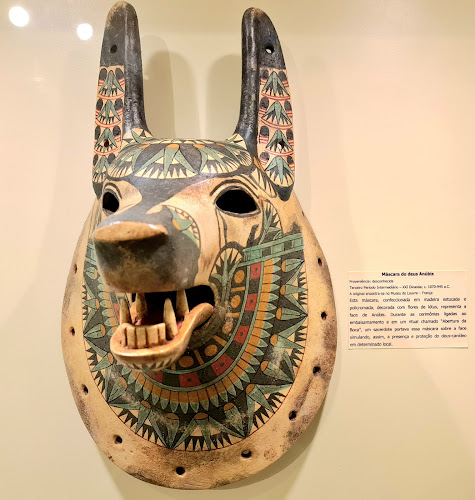
Museum of Archeology
About Museum of Archeology
Description
The Museum of Archeology in Ponta Grossa is a privately run educational and cultural museum that quietly punches above its weight. Focused primarily on students from elementary and high school but open to anyone curious about ancient worlds, the museum presents a compact but thoughtfully arranged archaeological collection that blends replicas, fac-símiles and original artifacts. Two galleries explore Life and Immortality in Ancient Egypt across two rooms, while a third gallery displays Treasures of Pre-Columbian America — a concentrated dose of history that surprises many visitors who expected something smaller or more pedestrian.
Because the institution identifies as women-owned and emphasizes outreach to schools, programming often leans toward teaching and hands-on interpretation rather than sheer display volume. That pedagogical slant is obvious: labels are written to be approachable, displays invite questions, and docents (when available) are used to breaking down complex ideas into plain language for younger audiences. It’s not the biggest archaeology museum in Brazil, but it’s the kind of place where details matter — the paint on an Egyptian coffin replica, the texture on a pottery sherd, the explanatory timeline that ties disparate objects together into a story about daily life, death beliefs and cross-cultural exchange.
Practical note: the museum has basic restroom facilities but no on-site restaurant, so plan for a snack before or after the visit. Accessibility is mixed: there is a wheelchair accessible entrance, but visitors should be aware that accessible parking and seating are not provided and there is no assistive hearing loop. The venue presents itself as family-friendly and welcoming to LGBTQ+ visitors and offers reduced admission prices for students, teachers and older adults.
Visitors often remark that the snug scale is an advantage. It takes roughly 45–75 minutes to see everything at a comfortable pace; school groups will spend longer, especially when teachers or museum staff arrange guided sessions. The museum’s strength is interpretation — rather than an overwhelming mass of artifacts, it offers focused exhibits that encourage curiosity about ancient Egypt and pre-Columbian civilizations, and it succeeds at making those civilizations feel accessible. For travelers who collect vivid museum memories rather than a checklist of blockbuster objects, this place delivers.
Key Features
- Educational focus geared to elementary and high school students, with exhibits designed for learning and engagement.
- Three distinct exhibit rooms: two dedicated to ancient Egypt (Life and Immortality) and one featuring Pre-Columbian American treasures.
- Mixed collection of originals, replicas and fac-símiles that balance preservation concerns with teaching needs.
- Women-owned institution with an emphasis on community outreach and inclusive visitor experience.
- Wheelchair accessible entrance; varied accessibility elsewhere (no accessible parking or assisted seating).
- Family-friendly atmosphere, suitable for children and teens; staff are used to hosting school groups.
- Affordable admission: Adults R$ 20, Students R$ 10, Teachers R$ 10, Seniors (60+) R$ 10.
- Restroom on site; no café or restaurant inside the building — good nearby options are recommended.
- Concise visit time—ideal for travelers with limited time who still want a meaningful cultural stop.
Best Time to Visit
The museum is best visited on weekday mornings or early afternoons, particularly if the goal is a quiet, reflective experience. Weekday school groups often schedule visits mid-morning, so very early openings and late afternoons tend to be calmer. If a traveler prefers a relaxed pace and the chance to chat with staff, aim for midweek between 10:00 and 14:00 — staff are usually on hand and not stretched thin by group rotations.
Weekends can be busier, especially with families and local visitors. That’s not bad — the place feels lively and student-friendly — but it does mean gallery space can feel crowded and moving between displays may take longer. For photography without crowds, pick a weekday or the very first hour after opening. And if a traveler has limited time in Ponta Grossa and the weather isn’t ideal (it rains sometimes in the region), a museum stop is a safe, weather-proof choice.
A bit of practical planning: while the exhibits are indoor and well-sheltered, museum visits pair nicely with morning or late-afternoon walks through nearby neighborhoods. If the schedule allows, combine the visit with a light meal outside the museum rather than assuming an on-site dining option.
How to Get There
Located in the Oficinas neighborhood of Ponta Grossa, the museum is easy to reach from the city center by car, taxi or local bus. Travelers relying on rideshare or taxis will find a quick drop-off near the entrance (remember the site has a wheelchair-accessible entrance). For those taking public transit, local bus routes serve the area; a short walk from the nearest stop usually completes the trip. Drivers should note that accessible parking is not available on site, so if mobility is a concern, arranging transport that can stop near the entrance is recommended.
From Ponta Grossa’s main transit hubs, rideshare or taxi typically takes under 15 minutes depending on traffic. Travelers coming from farther afield (such as Curitiba or other cities in Paraná) can plan a day trip by car — roads are straightforward — or combine the museum visit with other regional attractions for a full-day cultural itinerary. Parking around the museum is possible but sometimes limited during busy periods; arriving slightly earlier than planned can save time hunting for a spot.
For international travelers or those new to the region: Portuguese is the language of operation. Museum labels are generally clear and visually driven, so non-Portuguese speakers will still get a strong experience, but asking about guided materials or staff-language availability ahead of time can ease matters for visitors who prefer deeper explanations in another language.
Tips for Visiting
Plan 45 to 90 minutes for the visit. That range allows for reading labels, lingering in the Egyptian rooms, and browsing any rotating displays. If a visitor is particularly interested in archaeology or anthropology, budgeting toward the upper end will let them soak in the details.
Buy tickets on arrival. The pricing is simple and budget-friendly: Adults R$ 20, Students R$ 10, Teachers R$ 10, Seniors (60+) R$ 10. Students and teachers should bring a valid ID to claim discounts. Cash and card policies can vary, so carrying a small amount of cash just in case never hurts (and locals often do this).
Ask about guided tours for groups or schools. The museum’s strength lies in its educational remit, so guided tours (when available) turn objects into stories. Docents and staff often have memorable anecdotes that make, say, an Egyptian funerary object leap off the label and into daily life. If traveling with children or teens, request an interactive or kid-focused explanation — it usually makes the visit far more engaging.
Mind the scale. It’s a modest museum. Expectations matter: visitors seeking sweeping national collections or blockbuster artifacts might feel underwhelmed, but those open to a curated, story-driven experience will find it rewarding. In short: go for depth, not quantity.
Photography is usually allowed for personal use, but flash and tripods can damage delicate displays, so refrain from either unless expressly permitted. The museum tends to prioritize preservation, so following on-site rules helps ensure more people can enjoy the collection in future years.
Combine the visit with nearby cafés or cultural stops. Since there’s no restaurant inside, a quick stroll to a local café afterward is a pleasant way to discuss favorite pieces and digest what was seen. Locals often recommend pairing museum time with a walk through other historical parts of Ponta Grossa or a visit to complementary cultural venues in the city.
Check accessibility needs ahead of time. The entrance is wheelchair accessible but other features like parking and seating are limited. Visitors with mobility or hearing needs should contact the museum in advance to confirm what accommodations can be made. The museum is welcoming and tries to be inclusive, but planning makes for a smoother visit.
Finally, treat the visit like a conversation. The collection is curated to teach and provoke questions. Whether a traveler spends five minutes with a single object or fifty minutes in a gallery, the museum rewards curiosity. And it’s often the small story — a painted eye on a funerary mask, a pre-Columbian bead pattern — that sticks with visitors long after they leave. For many travelers, this museum becomes the unexpected highlight of a trip to Ponta Grossa: not because it’s the largest, but because it tells human stories in a way that’s immediate, clear and quietly affectionate toward the past.
Key Features
- Educational focus geared to elementary and high school students, with exhibits designed for learning and engagement.
- Three distinct exhibit rooms: two dedicated to ancient Egypt (Life and Immortality) and one featuring Pre-Columbian American treasures.
- Mixed collection of originals, replicas and fac-símiles that balance preservation concerns with teaching needs.
- Women-owned institution with an emphasis on community outreach and inclusive visitor experience.
- Wheelchair accessible entrance; varied accessibility elsewhere (no accessible parking or assisted seating).
- Family-friendly atmosphere, suitable for children and teens; staff are used to hosting school groups.
- Affordable admission: Adults R$ 20, Students R$ 10, Teachers R$ 10, Seniors (60+) R$ 10.
- Restroom on site; no café or restaurant inside the building — good nearby options are recommended.
More Details
Updated August 29, 2025
Table of Contents
Description
The Museum of Archeology in Ponta Grossa is a privately run educational and cultural museum that quietly punches above its weight. Focused primarily on students from elementary and high school but open to anyone curious about ancient worlds, the museum presents a compact but thoughtfully arranged archaeological collection that blends replicas, fac-símiles and original artifacts. Two galleries explore Life and Immortality in Ancient Egypt across two rooms, while a third gallery displays Treasures of Pre-Columbian America — a concentrated dose of history that surprises many visitors who expected something smaller or more pedestrian.
Because the institution identifies as women-owned and emphasizes outreach to schools, programming often leans toward teaching and hands-on interpretation rather than sheer display volume. That pedagogical slant is obvious: labels are written to be approachable, displays invite questions, and docents (when available) are used to breaking down complex ideas into plain language for younger audiences. It’s not the biggest archaeology museum in Brazil, but it’s the kind of place where details matter — the paint on an Egyptian coffin replica, the texture on a pottery sherd, the explanatory timeline that ties disparate objects together into a story about daily life, death beliefs and cross-cultural exchange.
Practical note: the museum has basic restroom facilities but no on-site restaurant, so plan for a snack before or after the visit. Accessibility is mixed: there is a wheelchair accessible entrance, but visitors should be aware that accessible parking and seating are not provided and there is no assistive hearing loop. The venue presents itself as family-friendly and welcoming to LGBTQ+ visitors and offers reduced admission prices for students, teachers and older adults.
Visitors often remark that the snug scale is an advantage. It takes roughly 45–75 minutes to see everything at a comfortable pace; school groups will spend longer, especially when teachers or museum staff arrange guided sessions. The museum’s strength is interpretation — rather than an overwhelming mass of artifacts, it offers focused exhibits that encourage curiosity about ancient Egypt and pre-Columbian civilizations, and it succeeds at making those civilizations feel accessible. For travelers who collect vivid museum memories rather than a checklist of blockbuster objects, this place delivers.
Key Features
- Educational focus geared to elementary and high school students, with exhibits designed for learning and engagement.
- Three distinct exhibit rooms: two dedicated to ancient Egypt (Life and Immortality) and one featuring Pre-Columbian American treasures.
- Mixed collection of originals, replicas and fac-símiles that balance preservation concerns with teaching needs.
- Women-owned institution with an emphasis on community outreach and inclusive visitor experience.
- Wheelchair accessible entrance; varied accessibility elsewhere (no accessible parking or assisted seating).
- Family-friendly atmosphere, suitable for children and teens; staff are used to hosting school groups.
- Affordable admission: Adults R$ 20, Students R$ 10, Teachers R$ 10, Seniors (60+) R$ 10.
- Restroom on site; no café or restaurant inside the building — good nearby options are recommended.
- Concise visit time—ideal for travelers with limited time who still want a meaningful cultural stop.
Best Time to Visit
The museum is best visited on weekday mornings or early afternoons, particularly if the goal is a quiet, reflective experience. Weekday school groups often schedule visits mid-morning, so very early openings and late afternoons tend to be calmer. If a traveler prefers a relaxed pace and the chance to chat with staff, aim for midweek between 10:00 and 14:00 — staff are usually on hand and not stretched thin by group rotations.
Weekends can be busier, especially with families and local visitors. That’s not bad — the place feels lively and student-friendly — but it does mean gallery space can feel crowded and moving between displays may take longer. For photography without crowds, pick a weekday or the very first hour after opening. And if a traveler has limited time in Ponta Grossa and the weather isn’t ideal (it rains sometimes in the region), a museum stop is a safe, weather-proof choice.
A bit of practical planning: while the exhibits are indoor and well-sheltered, museum visits pair nicely with morning or late-afternoon walks through nearby neighborhoods. If the schedule allows, combine the visit with a light meal outside the museum rather than assuming an on-site dining option.
How to Get There
Located in the Oficinas neighborhood of Ponta Grossa, the museum is easy to reach from the city center by car, taxi or local bus. Travelers relying on rideshare or taxis will find a quick drop-off near the entrance (remember the site has a wheelchair-accessible entrance). For those taking public transit, local bus routes serve the area; a short walk from the nearest stop usually completes the trip. Drivers should note that accessible parking is not available on site, so if mobility is a concern, arranging transport that can stop near the entrance is recommended.
From Ponta Grossa’s main transit hubs, rideshare or taxi typically takes under 15 minutes depending on traffic. Travelers coming from farther afield (such as Curitiba or other cities in Paraná) can plan a day trip by car — roads are straightforward — or combine the museum visit with other regional attractions for a full-day cultural itinerary. Parking around the museum is possible but sometimes limited during busy periods; arriving slightly earlier than planned can save time hunting for a spot.
For international travelers or those new to the region: Portuguese is the language of operation. Museum labels are generally clear and visually driven, so non-Portuguese speakers will still get a strong experience, but asking about guided materials or staff-language availability ahead of time can ease matters for visitors who prefer deeper explanations in another language.
Tips for Visiting
Plan 45 to 90 minutes for the visit. That range allows for reading labels, lingering in the Egyptian rooms, and browsing any rotating displays. If a visitor is particularly interested in archaeology or anthropology, budgeting toward the upper end will let them soak in the details.
Buy tickets on arrival. The pricing is simple and budget-friendly: Adults R$ 20, Students R$ 10, Teachers R$ 10, Seniors (60+) R$ 10. Students and teachers should bring a valid ID to claim discounts. Cash and card policies can vary, so carrying a small amount of cash just in case never hurts (and locals often do this).
Ask about guided tours for groups or schools. The museum’s strength lies in its educational remit, so guided tours (when available) turn objects into stories. Docents and staff often have memorable anecdotes that make, say, an Egyptian funerary object leap off the label and into daily life. If traveling with children or teens, request an interactive or kid-focused explanation — it usually makes the visit far more engaging.
Mind the scale. It’s a modest museum. Expectations matter: visitors seeking sweeping national collections or blockbuster artifacts might feel underwhelmed, but those open to a curated, story-driven experience will find it rewarding. In short: go for depth, not quantity.
Photography is usually allowed for personal use, but flash and tripods can damage delicate displays, so refrain from either unless expressly permitted. The museum tends to prioritize preservation, so following on-site rules helps ensure more people can enjoy the collection in future years.
Combine the visit with nearby cafés or cultural stops. Since there’s no restaurant inside, a quick stroll to a local café afterward is a pleasant way to discuss favorite pieces and digest what was seen. Locals often recommend pairing museum time with a walk through other historical parts of Ponta Grossa or a visit to complementary cultural venues in the city.
Check accessibility needs ahead of time. The entrance is wheelchair accessible but other features like parking and seating are limited. Visitors with mobility or hearing needs should contact the museum in advance to confirm what accommodations can be made. The museum is welcoming and tries to be inclusive, but planning makes for a smoother visit.
Finally, treat the visit like a conversation. The collection is curated to teach and provoke questions. Whether a traveler spends five minutes with a single object or fifty minutes in a gallery, the museum rewards curiosity. And it’s often the small story — a painted eye on a funerary mask, a pre-Columbian bead pattern — that sticks with visitors long after they leave. For many travelers, this museum becomes the unexpected highlight of a trip to Ponta Grossa: not because it’s the largest, but because it tells human stories in a way that’s immediate, clear and quietly affectionate toward the past.
Key Highlights
- Educational focus geared to elementary and high school students, with exhibits designed for learning and engagement.
- Three distinct exhibit rooms: two dedicated to ancient Egypt (Life and Immortality) and one featuring Pre-Columbian American treasures.
- Mixed collection of originals, replicas and fac-símiles that balance preservation concerns with teaching needs.
- Women-owned institution with an emphasis on community outreach and inclusive visitor experience.
- Wheelchair accessible entrance; varied accessibility elsewhere (no accessible parking or assisted seating).
- Family-friendly atmosphere, suitable for children and teens; staff are used to hosting school groups.
- Affordable admission: Adults R$ 20, Students R$ 10, Teachers R$ 10, Seniors (60+) R$ 10.
- Restroom on site; no café or restaurant inside the building — good nearby options are recommended.
Location
Places to Stay Near Museum of Archeology
Find and Book a Tour
Explore More Travel Guides
No reviews found! Be the first to review!
Traveler Reviews for Museum of Archeology
There are no reviews yet. Be the first one to write one.
Have you visited Museum of Archeology? Help other travelers by sharing your review.
You Might Also Like
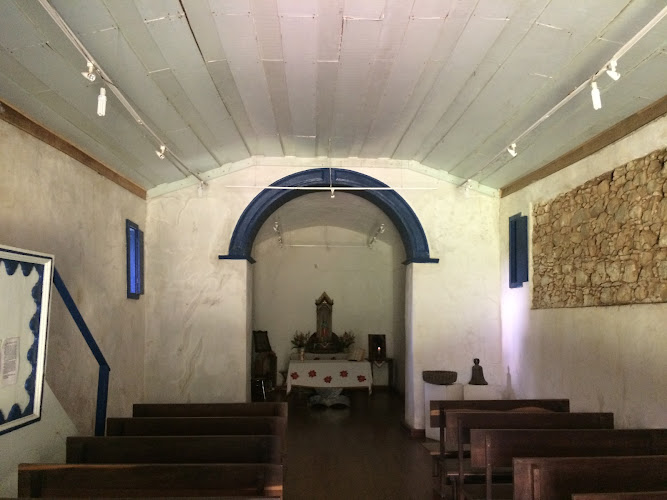
Capela Santa Bárbara
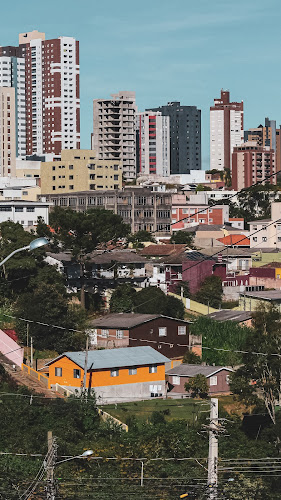
Ponta Grossa

Barbur Plaza Hotel Ponta Grossa
Find Accommodations Nearby
Recommended Tours & Activities
Visitor Reviews
There are no reviews yet. Be the first one to write one.
Share Your Experience
Have you visited Museum of Archeology? Help other travelers by leaving a review.