
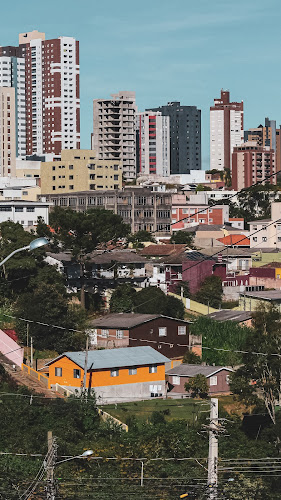
Ponta Grossa
About Ponta Grossa
Description
Ponta Grossa, tucked away in the heart of Paraná, Brazil, is one of those places that quietly surprises you. It’s not the kind of destination that screams for attention, but rather one that slowly unfolds its beauty the longer you stay. The city blends rugged natural landscapes with an easy-going local charm that feels distinctly Brazilian. It’s known for its rolling hills, sandstone formations, waterfalls, and a sense of space that makes you breathe a little deeper.
I remember the first time I drove through the region — the earthy scent of red soil after a light rain, the way the horizon seemed endless, and how locals waved as if you were an old friend. That’s Ponta Grossa in a nutshell: unpretentious, welcoming, and full of quiet wonders. It’s not just about sightseeing; it’s about feeling connected to the land, the people, and the stories that have shaped this corner of Brazil.
The city has a strong sense of identity, shaped by its agricultural roots and cultural traditions. You’ll find lively festivals, hearty regional cuisine, and a genuine appreciation for nature. What makes it truly special is its proximity to some of Paraná’s most stunning natural attractions, including the famous Vila Velha State Park and the mysterious Buraco do Padre — a cavern with a waterfall that looks straight out of a fantasy movie.
While it may not be as polished as Curitiba or as bustling as São Paulo, Ponta Grossa’s charm lies in its authenticity. Travelers who come here often leave with stories they didn’t expect to tell — about the kindness of a café owner, a spontaneous hike that led to a breathtaking view, or the feeling of standing under a waterfall with no one else around.
Key Features
- Vila Velha State Park: Known for its striking sandstone formations, naturally sculpted over millions of years. Walking among them feels like stepping into another world.
- Buraco do Padre: A hidden cave with a waterfall cascading through its roof — perfect for those who love a bit of adventure and photography.
- Capão da Onça Trail: A favorite among hikers, offering panoramic views and a chance to see local wildlife.
- Religious and Cultural Heritage: From the majestic Cathedral Sant’Ana to traditional festivals celebrating the city’s European influences.
- Local Cuisine: Expect hearty dishes inspired by the countryside — think grilled meats, fresh cheese, and homemade desserts that taste like someone’s grandmother made them.
- Friendly Locals: The people of Ponta Grossa are known for their warmth and hospitality, always ready to share a story or a recommendation.
Best Time to Visit
The best time to visit Ponta Grossa really depends on what kind of traveler you are. If you enjoy cooler weather and fewer crowds, the months from May to August are ideal. The air is crisp, perfect for hiking and exploring the parks without breaking too much of a sweat. On the other hand, if you like a livelier atmosphere and don’t mind a little heat, December through March brings summer energy — longer days, festivals, and lush green landscapes after the rains.
Personally, I prefer visiting in September or October. The weather strikes a nice balance — warm enough for outdoor adventures, but not too hot. Plus, the countryside is at its most colorful, with wildflowers blooming and the skies often painted in dramatic shades of orange and pink during sunset. It’s the kind of light photographers dream about.
How to Get There
Getting to Ponta Grossa is relatively easy, especially if you’re already exploring southern Brazil. The city lies about 120 kilometers from Curitiba, the capital of Paraná, and the drive takes around two hours along the BR-376 highway. The route itself is scenic — winding through green valleys, farmland, and the occasional roadside café worth stopping for a cup of strong Brazilian coffee.
If you’re flying in, the nearest major airport is Afonso Pena International Airport in Curitiba. From there, you can rent a car, catch a bus, or even hire a private transfer. Buses run frequently between Curitiba and Ponta Grossa, and they’re comfortable enough for the short journey. Once in the city, taxis and rideshare apps are available, but honestly, renting a car gives you the freedom to explore the surrounding natural areas at your own pace.
For travelers who love road trips, driving from São Paulo or Foz do Iguaçu can be a rewarding adventure. The highways are well-maintained, and you’ll pass through small towns and landscapes that reveal another side of Brazil — one that’s quieter but equally captivating.
Tips for Visiting
Before you pack your bags, here are a few things I’ve learned — sometimes the hard way — about visiting Ponta Grossa. First, bring comfortable shoes. The terrain around the natural attractions can be uneven, and you’ll want proper footwear for exploring caves, trails, and rock formations. A light rain jacket is also a good idea, as the weather can change quickly, especially near the parks.
If you plan to visit Vila Velha or Buraco do Padre, go early in the day. Not only do you avoid the midday heat, but the morning light makes the rock formations glow in a way that feels almost magical. And don’t forget to bring water and snacks — while there are visitor facilities, they can be limited depending on the season.
One thing I love about Ponta Grossa is how friendly and approachable the locals are. Don’t be shy about asking for directions or recommendations. I once ended up at a small family-run restaurant just outside the city because a local insisted I try their “carne de onça” — a traditional dish that turned out to be surprisingly delicious. Moments like that make travel here feel personal.
If you’re traveling with family, the city is safe and welcoming, though it’s always wise to take standard precautions. For solo travelers, Ponta Grossa offers a peaceful environment that’s great for reflection or simply escaping the rush of big cities.
And one last tip — slow down. Ponta Grossa isn’t a place to rush through. It rewards those who take their time, who stop to watch the sunset over the hills or listen to the sound of water echoing inside a cave. It’s about connecting — with nature, with people, and maybe even with yourself.
In short, Ponta Grossa is one of those destinations that quietly wins your heart. It’s not flashy or crowded, but it’s full of genuine beauty and experiences that stay with you long after you’ve left. Whether you’re chasing adventure, craving peace, or just curious about a different side of Brazil, this city is worth a spot on your travel list.
Key Features
- Key Features
- Best Time to Visit
- How to Get There
- Tips for Visiting
More Details
Updated November 10, 2025
Table of Contents
Description
Ponta Grossa, tucked away in the heart of Paraná, Brazil, is one of those places that quietly surprises you. It’s not the kind of destination that screams for attention, but rather one that slowly unfolds its beauty the longer you stay. The city blends rugged natural landscapes with an easy-going local charm that feels distinctly Brazilian. It’s known for its rolling hills, sandstone formations, waterfalls, and a sense of space that makes you breathe a little deeper.
I remember the first time I drove through the region — the earthy scent of red soil after a light rain, the way the horizon seemed endless, and how locals waved as if you were an old friend. That’s Ponta Grossa in a nutshell: unpretentious, welcoming, and full of quiet wonders. It’s not just about sightseeing; it’s about feeling connected to the land, the people, and the stories that have shaped this corner of Brazil.
The city has a strong sense of identity, shaped by its agricultural roots and cultural traditions. You’ll find lively festivals, hearty regional cuisine, and a genuine appreciation for nature. What makes it truly special is its proximity to some of Paraná’s most stunning natural attractions, including the famous Vila Velha State Park and the mysterious Buraco do Padre — a cavern with a waterfall that looks straight out of a fantasy movie.
While it may not be as polished as Curitiba or as bustling as São Paulo, Ponta Grossa’s charm lies in its authenticity. Travelers who come here often leave with stories they didn’t expect to tell — about the kindness of a café owner, a spontaneous hike that led to a breathtaking view, or the feeling of standing under a waterfall with no one else around.
Key Features
- Vila Velha State Park: Known for its striking sandstone formations, naturally sculpted over millions of years. Walking among them feels like stepping into another world.
- Buraco do Padre: A hidden cave with a waterfall cascading through its roof — perfect for those who love a bit of adventure and photography.
- Capão da Onça Trail: A favorite among hikers, offering panoramic views and a chance to see local wildlife.
- Religious and Cultural Heritage: From the majestic Cathedral Sant’Ana to traditional festivals celebrating the city’s European influences.
- Local Cuisine: Expect hearty dishes inspired by the countryside — think grilled meats, fresh cheese, and homemade desserts that taste like someone’s grandmother made them.
- Friendly Locals: The people of Ponta Grossa are known for their warmth and hospitality, always ready to share a story or a recommendation.
Best Time to Visit
The best time to visit Ponta Grossa really depends on what kind of traveler you are. If you enjoy cooler weather and fewer crowds, the months from May to August are ideal. The air is crisp, perfect for hiking and exploring the parks without breaking too much of a sweat. On the other hand, if you like a livelier atmosphere and don’t mind a little heat, December through March brings summer energy — longer days, festivals, and lush green landscapes after the rains.
Personally, I prefer visiting in September or October. The weather strikes a nice balance — warm enough for outdoor adventures, but not too hot. Plus, the countryside is at its most colorful, with wildflowers blooming and the skies often painted in dramatic shades of orange and pink during sunset. It’s the kind of light photographers dream about.
How to Get There
Getting to Ponta Grossa is relatively easy, especially if you’re already exploring southern Brazil. The city lies about 120 kilometers from Curitiba, the capital of Paraná, and the drive takes around two hours along the BR-376 highway. The route itself is scenic — winding through green valleys, farmland, and the occasional roadside café worth stopping for a cup of strong Brazilian coffee.
If you’re flying in, the nearest major airport is Afonso Pena International Airport in Curitiba. From there, you can rent a car, catch a bus, or even hire a private transfer. Buses run frequently between Curitiba and Ponta Grossa, and they’re comfortable enough for the short journey. Once in the city, taxis and rideshare apps are available, but honestly, renting a car gives you the freedom to explore the surrounding natural areas at your own pace.
For travelers who love road trips, driving from São Paulo or Foz do Iguaçu can be a rewarding adventure. The highways are well-maintained, and you’ll pass through small towns and landscapes that reveal another side of Brazil — one that’s quieter but equally captivating.
Tips for Visiting
Before you pack your bags, here are a few things I’ve learned — sometimes the hard way — about visiting Ponta Grossa. First, bring comfortable shoes. The terrain around the natural attractions can be uneven, and you’ll want proper footwear for exploring caves, trails, and rock formations. A light rain jacket is also a good idea, as the weather can change quickly, especially near the parks.
If you plan to visit Vila Velha or Buraco do Padre, go early in the day. Not only do you avoid the midday heat, but the morning light makes the rock formations glow in a way that feels almost magical. And don’t forget to bring water and snacks — while there are visitor facilities, they can be limited depending on the season.
One thing I love about Ponta Grossa is how friendly and approachable the locals are. Don’t be shy about asking for directions or recommendations. I once ended up at a small family-run restaurant just outside the city because a local insisted I try their “carne de onça” — a traditional dish that turned out to be surprisingly delicious. Moments like that make travel here feel personal.
If you’re traveling with family, the city is safe and welcoming, though it’s always wise to take standard precautions. For solo travelers, Ponta Grossa offers a peaceful environment that’s great for reflection or simply escaping the rush of big cities.
And one last tip — slow down. Ponta Grossa isn’t a place to rush through. It rewards those who take their time, who stop to watch the sunset over the hills or listen to the sound of water echoing inside a cave. It’s about connecting — with nature, with people, and maybe even with yourself.
In short, Ponta Grossa is one of those destinations that quietly wins your heart. It’s not flashy or crowded, but it’s full of genuine beauty and experiences that stay with you long after you’ve left. Whether you’re chasing adventure, craving peace, or just curious about a different side of Brazil, this city is worth a spot on your travel list.
Key Highlights
- Key Features
- Best Time to Visit
- How to Get There
- Tips for Visiting
Location
Places to Stay Near Ponta Grossa
Find and Book a Tour
Explore More Travel Guides
No reviews found! Be the first to review!
Traveler Reviews for Ponta Grossa
There are no reviews yet. Be the first one to write one.
Have you visited Ponta Grossa? Help other travelers by sharing your review.
You Might Also Like
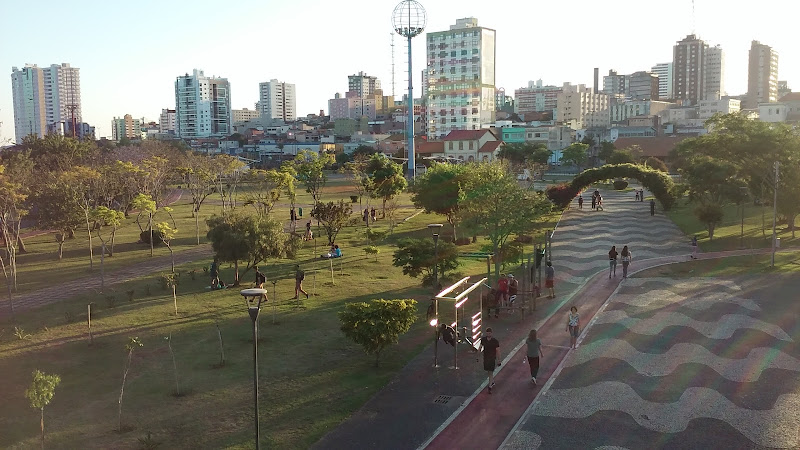
Complexo Ambiental Gov. Manoel Ribas
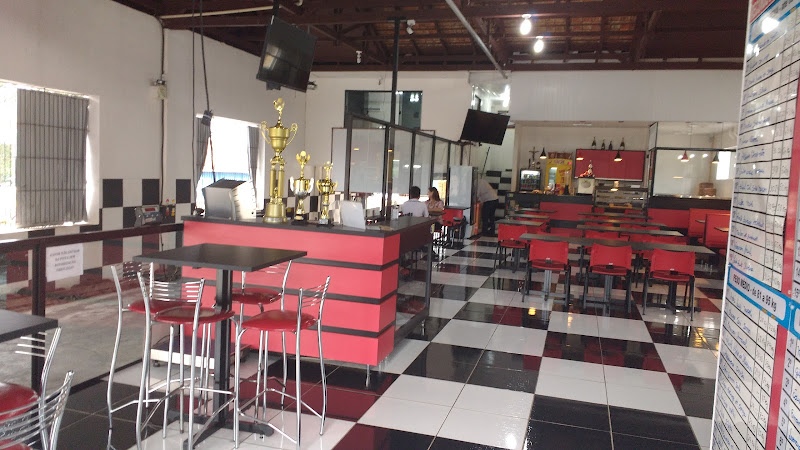
Na Pole Position Kart Pizzaria
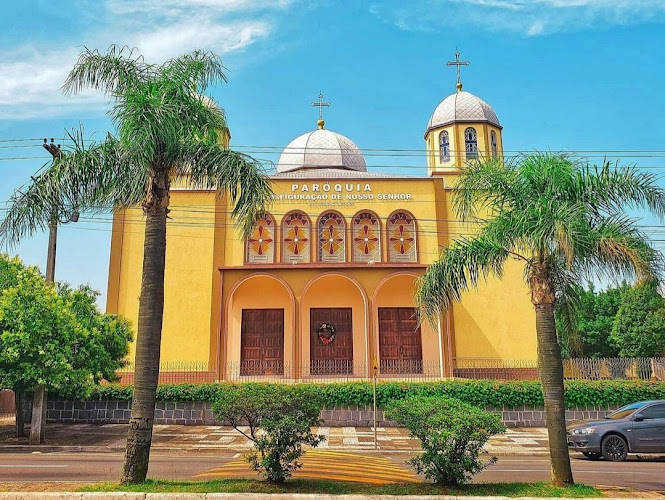
Paróquia Transfiguração de Nosso Senhor (Rito Ucraniano)
Find Accommodations Nearby
Recommended Tours & Activities
Visitor Reviews
There are no reviews yet. Be the first one to write one.
Share Your Experience
Have you visited Ponta Grossa? Help other travelers by leaving a review.