
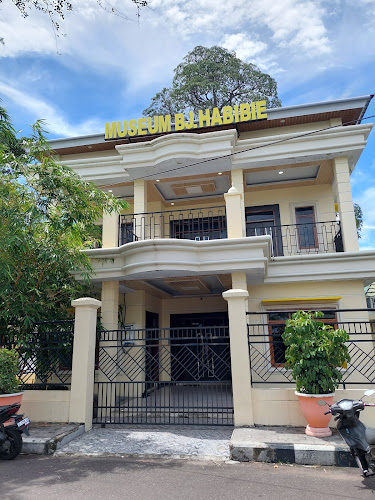
Museum BJ Habibie
About Museum BJ Habibie
Description
The Museum BJ Habibie in Parepare, South Sulawesi, is more than just a building filled with artifacts. It’s a living tribute to Indonesia’s third president, Bacharuddin Jusuf Habibie, who was not only a political leader but also a brilliant engineer and thinker. Walking through its halls, you get a sense of his journey—from his childhood in Parepare to his years studying and working abroad, and finally his time leading the nation. It’s not a massive museum, but what it lacks in size it makes up for in heart and storytelling. Personally, I found the atmosphere surprisingly moving; you don’t just look at objects, you feel like you’re piecing together the story of a man who dared to dream big.
The museum is well-kept, clean, and thoughtfully arranged. Families often bring their kids here, and you’ll notice how children light up when they see the models of airplanes or listen to stories about Habibie’s inventions. It’s educational without being boring, which is a rare balance. Of course, not every visitor walks away completely satisfied—some might expect more interactive features or a bigger collection—but overall, the experience is positive and memorable.
Key Features
- Exhibits showcasing BJ Habibie’s personal belongings, including photographs, awards, and documents that shaped his career.
- Multimedia displays that explain his contributions to aviation technology and his role in Indonesian politics.
- A section dedicated to his childhood in Parepare, giving visitors a glimpse of his early life and family influences.
- Scale models of aircraft and engineering projects that highlight his reputation as Indonesia’s “Father of Technology.”
- Spaces designed for reflection, where visitors can pause and absorb the inspiring story of a man who combined science with leadership.
- Basic amenities like restrooms, making it a comfortable stop for families with children.
One of the things I liked most is how the museum doesn’t overwhelm you with too much information at once. You can take your time, wander through the exhibits, and let the story unfold naturally. And honestly, that’s the best way to experience a place like this—slowly, with curiosity.
Best Time to Visit
If you’re planning a trip, mornings are the sweet spot. The museum tends to be quieter, and you’ll have more space to move around and actually read the displays without feeling rushed. Weekdays are usually calmer than weekends, when local families often come by. Weather-wise, Parepare can get pretty hot in the afternoon, so starting early means you avoid the heat and still have time afterward to explore the nearby port area or grab some local food.
I once visited in the late afternoon, and while the lighting inside was still fine, the outdoor heat made the walk up to the museum a bit uncomfortable. Trust me, you’ll thank yourself for going earlier in the day.
How to Get There
The museum is located in the heart of Parepare, not far from the port area. If you’re already in town, it’s easy to reach by car, motorbike, or even a short ride with local transport. Many travelers coming from Makassar make the trip by bus or private car, which takes around 3–4 hours depending on traffic. The drive itself is scenic, with stretches of coastline and small towns along the way, so it’s not just a commute—it’s part of the adventure.
For those who like to plan ahead, hiring a driver can be worth it, especially if you’re traveling with family or want to make stops at other attractions on the route. And if you’re like me and enjoy chatting with locals, taking a shared van is a fun way to hear stories and tips from people who know the area best.
Tips for Visiting
Here are a few things I wish I had known before my first visit:
- Go early: You’ll avoid crowds and the midday heat.
- Bring water: There’s no restaurant inside, so staying hydrated is on you.
- Take your time: Don’t just rush through the exhibits. Reading the captions and watching the videos really adds depth to the experience.
- Travel with kids: The museum is kid-friendly, and children often enjoy the airplane models. Just be prepared to explain some of the history in simpler terms.
- Ask questions: The staff are usually friendly and knowledgeable. A quick chat can reveal details you might miss on your own.
- Combine with other stops: Since it doesn’t take all day, pair your visit with a walk along the waterfront or a taste of Parepare’s local seafood.
One last thought: don’t approach the museum expecting flashy technology or interactive screens everywhere. This place is more about heart and history than high-tech gimmicks. If you go in with that mindset, you’ll walk away with a deeper appreciation for BJ Habibie’s legacy and maybe even a bit of inspiration for your own journey.
Key Features
- Exhibits showcasing BJ Habibie’s personal belongings, including photographs, awards, and documents that shaped his career.
- Multimedia displays that explain his contributions to aviation technology and his role in Indonesian politics.
- A section dedicated to his childhood in Parepare, giving visitors a glimpse of his early life and family influences.
- Scale models of aircraft and engineering projects that highlight his reputation as Indonesia’s “Father of Technology.”
- Spaces designed for reflection, where visitors can pause and absorb the inspiring story of a man who combined science with leadership.
- Basic amenities like restrooms, making it a comfortable stop for families with children.
More Details
Updated September 9, 2025
Table of Contents
Description
The Museum BJ Habibie in Parepare, South Sulawesi, is more than just a building filled with artifacts. It’s a living tribute to Indonesia’s third president, Bacharuddin Jusuf Habibie, who was not only a political leader but also a brilliant engineer and thinker. Walking through its halls, you get a sense of his journey—from his childhood in Parepare to his years studying and working abroad, and finally his time leading the nation. It’s not a massive museum, but what it lacks in size it makes up for in heart and storytelling. Personally, I found the atmosphere surprisingly moving; you don’t just look at objects, you feel like you’re piecing together the story of a man who dared to dream big.
The museum is well-kept, clean, and thoughtfully arranged. Families often bring their kids here, and you’ll notice how children light up when they see the models of airplanes or listen to stories about Habibie’s inventions. It’s educational without being boring, which is a rare balance. Of course, not every visitor walks away completely satisfied—some might expect more interactive features or a bigger collection—but overall, the experience is positive and memorable.
Key Features
- Exhibits showcasing BJ Habibie’s personal belongings, including photographs, awards, and documents that shaped his career.
- Multimedia displays that explain his contributions to aviation technology and his role in Indonesian politics.
- A section dedicated to his childhood in Parepare, giving visitors a glimpse of his early life and family influences.
- Scale models of aircraft and engineering projects that highlight his reputation as Indonesia’s “Father of Technology.”
- Spaces designed for reflection, where visitors can pause and absorb the inspiring story of a man who combined science with leadership.
- Basic amenities like restrooms, making it a comfortable stop for families with children.
One of the things I liked most is how the museum doesn’t overwhelm you with too much information at once. You can take your time, wander through the exhibits, and let the story unfold naturally. And honestly, that’s the best way to experience a place like this—slowly, with curiosity.
Best Time to Visit
If you’re planning a trip, mornings are the sweet spot. The museum tends to be quieter, and you’ll have more space to move around and actually read the displays without feeling rushed. Weekdays are usually calmer than weekends, when local families often come by. Weather-wise, Parepare can get pretty hot in the afternoon, so starting early means you avoid the heat and still have time afterward to explore the nearby port area or grab some local food.
I once visited in the late afternoon, and while the lighting inside was still fine, the outdoor heat made the walk up to the museum a bit uncomfortable. Trust me, you’ll thank yourself for going earlier in the day.
How to Get There
The museum is located in the heart of Parepare, not far from the port area. If you’re already in town, it’s easy to reach by car, motorbike, or even a short ride with local transport. Many travelers coming from Makassar make the trip by bus or private car, which takes around 3–4 hours depending on traffic. The drive itself is scenic, with stretches of coastline and small towns along the way, so it’s not just a commute—it’s part of the adventure.
For those who like to plan ahead, hiring a driver can be worth it, especially if you’re traveling with family or want to make stops at other attractions on the route. And if you’re like me and enjoy chatting with locals, taking a shared van is a fun way to hear stories and tips from people who know the area best.
Tips for Visiting
Here are a few things I wish I had known before my first visit:
- Go early: You’ll avoid crowds and the midday heat.
- Bring water: There’s no restaurant inside, so staying hydrated is on you.
- Take your time: Don’t just rush through the exhibits. Reading the captions and watching the videos really adds depth to the experience.
- Travel with kids: The museum is kid-friendly, and children often enjoy the airplane models. Just be prepared to explain some of the history in simpler terms.
- Ask questions: The staff are usually friendly and knowledgeable. A quick chat can reveal details you might miss on your own.
- Combine with other stops: Since it doesn’t take all day, pair your visit with a walk along the waterfront or a taste of Parepare’s local seafood.
One last thought: don’t approach the museum expecting flashy technology or interactive screens everywhere. This place is more about heart and history than high-tech gimmicks. If you go in with that mindset, you’ll walk away with a deeper appreciation for BJ Habibie’s legacy and maybe even a bit of inspiration for your own journey.
Key Highlights
- Exhibits showcasing BJ Habibie’s personal belongings, including photographs, awards, and documents that shaped his career.
- Multimedia displays that explain his contributions to aviation technology and his role in Indonesian politics.
- A section dedicated to his childhood in Parepare, giving visitors a glimpse of his early life and family influences.
- Scale models of aircraft and engineering projects that highlight his reputation as Indonesia’s “Father of Technology.”
- Spaces designed for reflection, where visitors can pause and absorb the inspiring story of a man who combined science with leadership.
- Basic amenities like restrooms, making it a comfortable stop for families with children.
Location
Places to Stay Near Museum BJ Habibie
Find and Book a Tour
Explore More Travel Guides
No reviews found! Be the first to review!
Traveler Reviews for Museum BJ Habibie
There are no reviews yet. Be the first one to write one.
Have you visited Museum BJ Habibie? Help other travelers by sharing your review.
Find Accommodations Nearby
Recommended Tours & Activities
Visitor Reviews
There are no reviews yet. Be the first one to write one.
Share Your Experience
Have you visited Museum BJ Habibie? Help other travelers by leaving a review.