

Ki Paharé Museum
About Ki Paharé Museum
Description
Museum Ki Paharé is one of those places that somehow manages to feel both small-town charming and culturally weighty at the same time. Tucked away in Sukabumi City, this museum serves as a hub of information, education, and preservation of the region's cultural heritage. It’s not just a building filled with artifacts – it’s a living testament to the stories, traditions, and identity of the people here. Operated under the Ki Paharé Museum Foundation, its mission is not simply to put history under glass but to keep it relevant, keep it breathing, and pass it down to the next curious soul who walks through its doors.
The museum’s exhibits blend tangible history – heirlooms, traditional crafts, old photographs – with narratives about the people who shaped this land. You can almost feel the pride in how Sukabumi’s past is presented. It’s not flashy like big-city museums, but it makes up for that with intimacy and a kind of unpolished authenticity that makes you feel connected. If you take your time here, you may find yourself piecing together not only the history of the city but also seeing echoes of your own community’s struggles and triumphs. That’s the magic of places like this.
And here’s something else to note – although it’s modest in scale, Museum Ki Paharé seems to have been thoughtfully curated. Its atmosphere is welcoming, not cold and over-curated. It’s also a spot where kids actually get something out of the visit, especially because the displays are approachable, and some sections are geared toward younger audiences. I’ve been to museums where you feel like you’re constantly being told not to touch things, but here, there’s a conversational tone to the way history is explained that feels more inclusive.
Key Features
- Dedicated to preserving and presenting Sukabumi's cultural heritage in a realistic, relatable manner
- Curated exhibitions with a mix of artifacts, photographs, and historical narratives
- Run by the Ki Paharé Museum Foundation, ensuring focus on education and preservation
- Good for children, with accessible displays and informative layouts
- Restroom facilities available for visitors’ convenience
- Cultural interpretive material that tells local stories, some rarely found in larger museums
- Personal and intimate feel that allows visitors to connect emotionally with local history
Best Time to Visit
If you can, visit during the drier months – in West Java that’s usually June through September. The weather then lends itself to more comfortable walking around town, and you won’t be dealing with soggy clothes after sudden afternoon rainstorms. That being said, because the museum is all indoors, you’re not bound by the seasons when planning your trip here.
Weekdays tend to be quieter. If you show up midweek in the morning, you might get that blissful feeling of having the place almost to yourself. And in those moments, you can slow down and really let the exhibits sink in without feeling rushed.
How to Get There
Getting to Museum Ki Paharé is straightforward if you’re already in Sukabumi City. Local public transport is available for those who want to save on costs and experience daily life around town. If you’re more the door-to-door type, taxis and ride-hailing services are reasonably priced and will drop you off right at the entrance.
From Jakarta, the drive to Sukabumi can range from three to four hours depending on traffic – and if you’ve driven in Indonesia before, you’ll know “depending on traffic” is no joke. Trains from Bogor to Sukabumi are another option, offering scenic views along the way, and from Sukabumi Station, it’s a short ride to the museum.
Tips for Visiting
First off, don’t rush. This isn’t the kind of place you power through in 20 minutes. Give yourself a solid hour, maybe even two, to soak it all in. A tip from my own visiting habits – start by walking the exhibitions once without reading every single placard, just to take it all in visually. Then go back to the pieces that caught your eye and read more about them. It helps to build a personal connection before diving deep.
Bring some cash along, especially if you plan to grab snacks from vendors nearby afterward – smaller spots here still rely on cash transactions. As for attire, nothing too formal is needed, but it’s worth remembering that this is a cultural space, so dressing respectfully is a good call.
And lastly, don’t be afraid to chat with the staff or guides if they’re available. They often have tidbits and stories that aren’t on the info boards – the sort of casual, personal details that bring history to life. I once learned from a museum staffer about a local artisan whose great-grandparent’s tools are on display, and suddenly that display turned into something with a heartbeat and a family story. You can’t get that just from reading plaques.
So go in with open eyes, open ears, and a curious mind – Museum Ki Paharé might just surprise you with how much of Sukabumi’s spirit it can share in a single visit.
Key Features
- Dedicated to preserving and presenting Sukabumi's cultural heritage in a realistic, relatable manner
- Curated exhibitions with a mix of artifacts, photographs, and historical narratives
- Run by the Ki Paharé Museum Foundation, ensuring focus on education and preservation
- Good for children, with accessible displays and informative layouts
- Restroom facilities available for visitors’ convenience
- Cultural interpretive material that tells local stories, some rarely found in larger museums
- Personal and intimate feel that allows visitors to connect emotionally with local history
More Details
Updated August 8, 2025
Description
Museum Ki Paharé is one of those places that somehow manages to feel both small-town charming and culturally weighty at the same time. Tucked away in Sukabumi City, this museum serves as a hub of information, education, and preservation of the region’s cultural heritage. It’s not just a building filled with artifacts – it’s a living testament to the stories, traditions, and identity of the people here. Operated under the Ki Paharé Museum Foundation, its mission is not simply to put history under glass but to keep it relevant, keep it breathing, and pass it down to the next curious soul who walks through its doors.
The museum’s exhibits blend tangible history – heirlooms, traditional crafts, old photographs – with narratives about the people who shaped this land. You can almost feel the pride in how Sukabumi’s past is presented. It’s not flashy like big-city museums, but it makes up for that with intimacy and a kind of unpolished authenticity that makes you feel connected. If you take your time here, you may find yourself piecing together not only the history of the city but also seeing echoes of your own community’s struggles and triumphs. That’s the magic of places like this.
And here’s something else to note – although it’s modest in scale, Museum Ki Paharé seems to have been thoughtfully curated. Its atmosphere is welcoming, not cold and over-curated. It’s also a spot where kids actually get something out of the visit, especially because the displays are approachable, and some sections are geared toward younger audiences. I’ve been to museums where you feel like you’re constantly being told not to touch things, but here, there’s a conversational tone to the way history is explained that feels more inclusive.
Key Features
- Dedicated to preserving and presenting Sukabumi’s cultural heritage in a realistic, relatable manner
- Curated exhibitions with a mix of artifacts, photographs, and historical narratives
- Run by the Ki Paharé Museum Foundation, ensuring focus on education and preservation
- Good for children, with accessible displays and informative layouts
- Restroom facilities available for visitors’ convenience
- Cultural interpretive material that tells local stories, some rarely found in larger museums
- Personal and intimate feel that allows visitors to connect emotionally with local history
Best Time to Visit
If you can, visit during the drier months – in West Java that’s usually June through September. The weather then lends itself to more comfortable walking around town, and you won’t be dealing with soggy clothes after sudden afternoon rainstorms. That being said, because the museum is all indoors, you’re not bound by the seasons when planning your trip here.
Weekdays tend to be quieter. If you show up midweek in the morning, you might get that blissful feeling of having the place almost to yourself. And in those moments, you can slow down and really let the exhibits sink in without feeling rushed.
How to Get There
Getting to Museum Ki Paharé is straightforward if you’re already in Sukabumi City. Local public transport is available for those who want to save on costs and experience daily life around town. If you’re more the door-to-door type, taxis and ride-hailing services are reasonably priced and will drop you off right at the entrance.
From Jakarta, the drive to Sukabumi can range from three to four hours depending on traffic – and if you’ve driven in Indonesia before, you’ll know “depending on traffic” is no joke. Trains from Bogor to Sukabumi are another option, offering scenic views along the way, and from Sukabumi Station, it’s a short ride to the museum.
Tips for Visiting
First off, don’t rush. This isn’t the kind of place you power through in 20 minutes. Give yourself a solid hour, maybe even two, to soak it all in. A tip from my own visiting habits – start by walking the exhibitions once without reading every single placard, just to take it all in visually. Then go back to the pieces that caught your eye and read more about them. It helps to build a personal connection before diving deep.
Bring some cash along, especially if you plan to grab snacks from vendors nearby afterward – smaller spots here still rely on cash transactions. As for attire, nothing too formal is needed, but it’s worth remembering that this is a cultural space, so dressing respectfully is a good call.
And lastly, don’t be afraid to chat with the staff or guides if they’re available. They often have tidbits and stories that aren’t on the info boards – the sort of casual, personal details that bring history to life. I once learned from a museum staffer about a local artisan whose great-grandparent’s tools are on display, and suddenly that display turned into something with a heartbeat and a family story. You can’t get that just from reading plaques.
So go in with open eyes, open ears, and a curious mind – Museum Ki Paharé might just surprise you with how much of Sukabumi’s spirit it can share in a single visit.
Key Highlights
- Dedicated to preserving and presenting Sukabumi's cultural heritage in a realistic, relatable manner
- Curated exhibitions with a mix of artifacts, photographs, and historical narratives
- Run by the Ki Paharé Museum Foundation, ensuring focus on education and preservation
- Good for children, with accessible displays and informative layouts
- Restroom facilities available for visitors’ convenience
- Cultural interpretive material that tells local stories, some rarely found in larger museums
- Personal and intimate feel that allows visitors to connect emotionally with local history
Location
Places to Stay Near Ki Paharé Museum
Find and Book a Tour
Explore More Travel Guides
No reviews found! Be the first to review!
Traveler Reviews for Ki Paharé Museum
There are no reviews yet. Be the first one to write one.
Have you visited Ki Paharé Museum? Help other travelers by sharing your review.
You Might Also Like

SantaSea Water Theme Park Sukabumi
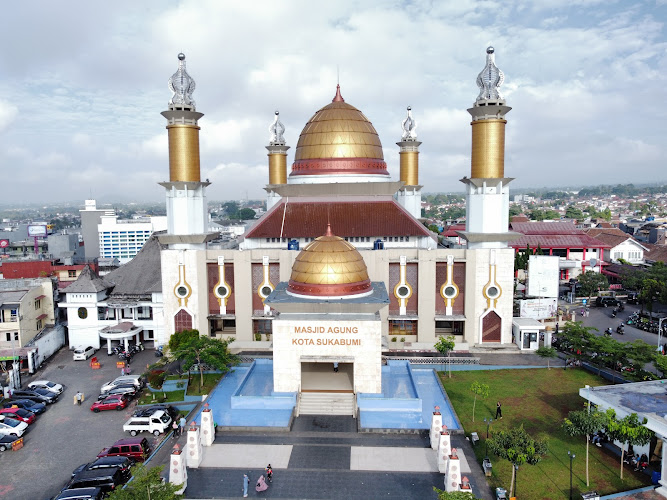
Masjid Agung Kota Sukabumi
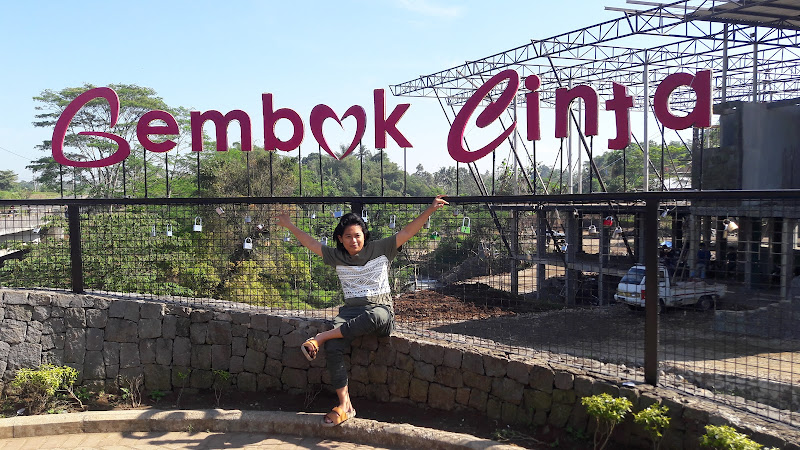
Love Padlocks of Sukabumi
Find Accommodations Nearby
Recommended Tours & Activities
Visitor Reviews
There are no reviews yet. Be the first one to write one.
Share Your Experience
Have you visited Ki Paharé Museum? Help other travelers by leaving a review.