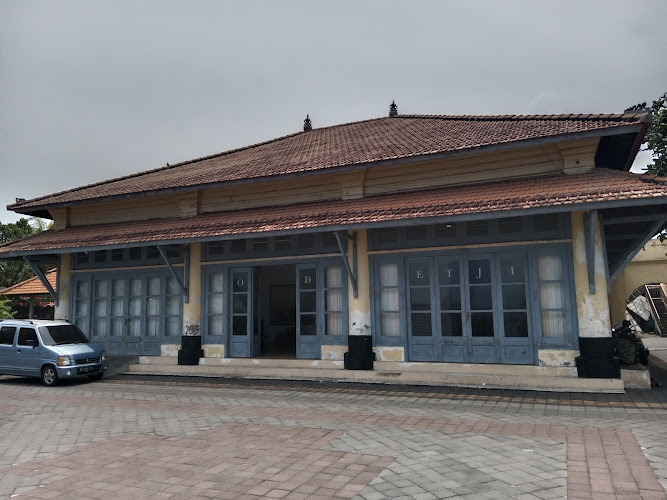
It is not a sprawling national museum; rather, it functions as a neighbourhood museum with carefully arranged displays: maps, archival photographs, short explanatory panels, and a handful of artifacts that hint at maritime trade, colonial times, and local leadership. Visitors get a clear, readable story rather than an exhaustive academic tome. That clarity is actually one of its strengths — if someone wants a quick, enriching primer on the region and its past, this is the place to come.
The tone inside the museum is low-key and personable. Exhibits are arranged for quick digestion: a timeline wall that condenses decades into a few readable panels, a modest gallery of photos showing life in coastal towns and port-related activity, and a small cabinet of objects that link everyday life to historical currents. It feels like a local project — curated with pride rather than with pretension. The space often attracts families, school groups, and travelers who prefer to learn through visual storytelling. The museum also makes a point of being accessible; there is a wheelchair accessible entrance and visitor facilities that make short visits comfortable.
There is a strong sense of place. The museum’s narrative repeatedly returns to the idea of islands connected by sea: how ports and pelabuhan shaped movement, identity, and administration across smaller islands. That maritime thread is compelling, especially when paired with images of Singaraja and its old port life. For travelers who have been hopping around Bali and the Lesser Sunda islands, the museum stitches a few threads together and explains why certain local customs, administrative names, and historical figures show up where they do.
It is important to set expectations. The collection is concise, not encyclopedic. Some rooms are intentionally minimalist — a few documents and photos presented with straightforward captions — while other parts have hands-on elements for kids. The museum’s charm lies less in dazzling objects and more in the way it condenses regional history into an approachable, walk-through story. In short: it rewards curiosity and benefits visitors who come ready to read and reflect rather than gape.
Best Time to Visit
The museum suits an easy half-day detour, and the best time to visit is during weekday mornings when school groups are either just starting or haven’t arrived yet — paradoxically, mornings can be quieter than expected. If mornings are not possible, late afternoons often mellow out too, after the lunch-hour local traffic has dispersed. Avoid mid-morning on public holidays or special local celebration days when the museum sometimes hosts school tours or community events; it can get lively, and a little loud, which is fine if kids are part of your group, but not ideal for quiet contemplation.
Weather in north Bali tends to be a little cooler than the south, but the museum is mostly indoors so rain or shine it works as a plan B. If a visitor is pairing the museum with a walk around the old port area or a seaside café visit, late afternoon brings softer light for photos and a more relaxed vibe along the waterfront. In short: aim for weekday mornings or late afternoons to enjoy the exhibits at an unhurried pace.
How to Get There
The museum sits within an urban coastal context that makes it easy to reach from Singaraja and surrounding towns. Local taxis, app-based ride services, or motorbike taxis are common ways travelers arrive — and if someone is renting a scooter (common for independent travelers in Bali), there are usually sensible parking options nearby. The short walks from nearby streets are pleasant, especially when passing small shops and local eateries. Expect a handful of short stairs near the entrance; staff will help if a visitor needs assistance entering via the accessible route.
For travelers coming from further south on Bali, allow a little extra time for the drive north. The roads offer scenic stretches, and that part of the island rewards slower travel. Public buses and minibuses run routes through the regency, but schedules can be less predictable for non-locals — so renting a car with a driver or using a reliable ride app will save time and reduce stress. From local hotels in Singaraja, the museum is typically a short ride away, making it an easy morning or afternoon stop on a broader north-Bali itinerary.
Tips for Visiting
Plan for a visit of about 30 to 60 minutes. The museum is compact and intentionally curated; if a traveler reads every panel and spends time with the photos or interactive displays, that timeframe is perfect. For people who love to linger with paper-and-ink documents and colonial-era photos, allow a bit more time — about 90 minutes should be sufficient.
The staff are friendly and often happy to offer context. The writer once watched a local curator patiently point out a series of photos to a family, explaining how port life shaped migration across islands. Small moments like that make the museum feel lived-in rather than staged. If a visitor wants more local insight, ask questions — staffers tend to share small stories or point to a nearby place of interest.
Bring a camera, but be mindful of signage. Photography is generally allowed for personal use, but flash and tripod set-ups may be restricted in certain rooms. The museum’s visual material — old photographs, maps, and maritime images — is photogenic, especially in the softer afternoon light that filters through the windows.
Kids do well here. The layout accommodates children, and there are kid-friendly panels and a few tactile elements for younger visitors. The writer’s niece once spent a surprising amount of time tracing the route of a shipping lane on an old map; she left with a handful of questions that led to a longer family conversation about why islands trade with one another. That’s a win in the travel-education department.
Accessibility is practical rather than theatrical. The wheelchair accessible entrance and restroom mean the building is usable by many visitors with mobility needs, though those requiring elaborate assistance should check ahead to confirm staff availability. The museum’s compact footprint makes it easier to move through than larger institutions, and seating is available for those who need to rest.
Pair the museum visit with nearby experiences. It fits neatly into a half-day exploring Singaraja’s coastal area: try a coffee stop at a nearby café, a walk along the waterfront to take in the feel of the old pelabuhan, or a short visit to other cultural sites in the district. The museum works best as part of a slow, thoughtful day rather than an isolated tick-box on a rushed itinerary.
Expect modest admission fees, if any; community museums often aim for affordability. Cash is sometimes more convenient than cards at smaller cultural sites, so having a small amount of local currency on hand is wise. Also, if a traveler is interested in local publications or postcards, check the modest gift corner for pamphlets that make lovely, inexpensive souvenirs.
Finally, bring curiosity and time to read. The Museum Soenda Ketjil rewards visitors who slow down. It tells a regional story in plain language, making it a solid stop for people who want to understand how islands in this part of Indonesia relate to each other historically and culturally. It is not flashy. But genuine value often wears a simple face — and for someone who enjoys history told as a sequence of human actions and coastal movements, this museum is quietly satisfying.
 Real Journey Travels