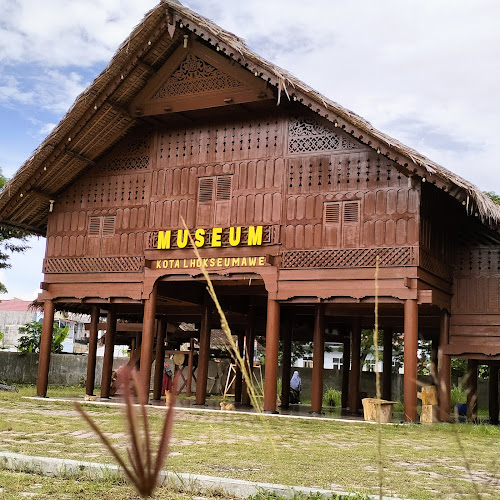
It presents the story of the city and surrounding region through objects, photographs, and oral histories, and also connects visitors with the religious life of the community by featuring a nearby mosque and displays that explain Islamic cultural practices in Aceh. The museum is practical rather than flashy — low on glossy multimedia, high on real artifacts and local voices. That sort of thing matters to travelers who like getting under the skin of a place rather than skimming the surface.
Visitors will find exhibits about local fisheries, traditional crafts, and the social changes that shaped Lhokseumawe over the 20th century. There are costumes, household objects, boat models, and photographs that document everything from small fishing villages to industrial shifts. What makes this museum stand out is the human scale of its collection. Many items were donated by families, and the labels sometimes read like short memoirs. It feels intimate. The writing style of the exhibits is straightforward and sometimes even affectionate, which gives a different kind of access than the impersonal tone of larger national museums.
The museum also touches on religious life. An adjacent or nearby mosque is part of the visitor experience, not because it is an exhibit in the conventional sense, but because it anchors daily life in the city. Exhibits explain mosque architecture, prayer practices, and the role of religious education in Acehnese communities. If a visitor times their trip well, they might hear the call to prayer blending with the sound of the city outside the windows — a small but memorable urban soundtrack.
For families, the museum is surprisingly kid-friendly. Children can see real objects from everyday life in Banda Sakti and beyond, and staff are generally welcoming to questions. Facilities are basic but functional: restrooms are available on site. There is no on-site restaurant, so plan ahead for snacks or meals. The museum’s pace is unhurried, lending itself to travelers who prefer slow, thoughtful exploration rather than rushed checklists.
The atmosphere is friendly and low-pressure. Staff members tend to be local and often enjoy chatting about the displays, local customs, or the best place for a bowl of Acehnese soto. The museum does not aim to dazzle, it aims to inform and connect. For many visitors the highlight is the small, human details — a handwritten ledger, a child’s schoolbooks, or a weathered fishing net with a story attached. Those sorts of objects create a sense of place, and remind tourists that Lhokseumawe has everyday lives worth noticing.
Best Time to Visit
The best time to visit the Museum Kota Lhokseumawe depends on what kind of day the traveler wants. Mornings are often calmer, cooler, and better for folks who prefer to avoid the midday heat. Also, mornings allow a visitor to pair the museum trip with a leisurely lunch in town afterward. That said, if someone wants to experience the mosque and its rhythms, late afternoon can be evocative because of the interplay between light and prayer times.
Weather in Aceh matters. The dry season, generally from April to September, has fewer heavy rains and makes walking around the neighborhood more pleasant. But rainy season visits can also be interesting: the sound of tropical rain against the roof while reading local history has its own quiet charm. The museum itself offers refuge from sudden downpours, and exhibits remain readable and intact during wet months.
Avoid peak public holiday times if privacy and space matter. During major religious holidays the mosque may host larger gatherings, which are fascinating to observe but can limit access to certain spaces. Overall, plan a few hours rather than trying to rush through — the museum rewards slow curiosity.
How to Get There
The museum sits within the urban fabric of Lhokseumawe and is reachable by several common transport options. From most parts of the city, a short trip by ojek (motorcycle taxi) or regular taxi is the fastest way. For budget-conscious travelers, local minibuses and angkot services operate around town; they are slower and less comfortable but give a clear sense of daily life and routes locals use for commuting. Ride-hailing apps like Gojek and Grab work here too, making point-to-point travel straightforward if you prefer app-based payments.
For people arriving by intercity bus, a taxi from the bus terminal will get them to the museum without fuss. If coming from a nearby airport or ferry terminal, allow extra time for traffic during morning and evening peaks. Streets can be narrow and congested, particularly near markets.
Walking is an option if a visitor is staying centrally. The city center has a compact feel, and strolling to the museum allows detours past coffee stalls, street vendors, and small shops. Walking is also the best way to notice architectural details and street life that inform the museum’s exhibits. Just watch for scooters and crossing habits that may be different from what some travelers expect.
Parking for private cars is limited, so those driving should be ready to find nearby public parking and walk a short distance. If a traveler is on a tight schedule, it helps to call ahead (or message via local ride apps) and confirm opening hours, since smaller museums occasionally close for special events or maintenance.
Tips for Visiting
Plan for no on-site dining. There is no restaurant within the museum complex, so bring bottled water and light snacks, or plan to eat before or after. The surrounding neighborhood has several small warungs and eateries where one can sample local Acehnese dishes. The writer once grabbed a simple fish curry nearby after an afternoon in the galleries and still remembers the spicy warmth — the kind of meal that felt perfectly local.
Take time to read the labels. Exhibits are modestly labeled and often include personal notes from donors. Those short stories are, honestly, the best part. They give context you won’t find in glossy brochures. Ask staff about any pieces that seem particularly old or out of place; they usually enjoy telling the backstory and will offer little insights not on the placards.
Respect worship times. Because parts of the experience are linked to a mosque, visitors should be mindful of prayer schedules. Dress respectfully if planning to enter the mosque area: shoulders and knees covered, and women may be asked to wear a headscarf. It sounds formal, but locals generally appreciate visitors who take a moment to adapt. Also, keep noise down during prayer times — it helps preserve the contemplative atmosphere.
Bring small change. A modest donation box or small fee may be requested for certain galleries or for special exhibitions. Small bills or coins come in handy, and it’s good etiquette to contribute if a visitor benefits from a guided explanation by staff or volunteers.
Engage children with simple prompts. The museum is good for families, but exhibits are mostly documentary. Parents can make the visit more memorable by turning it into a scavenger hunt: look for a boat model, a woven textile, a traditional musical instrument. That kind of prompt turns passive viewing into active discovery, and kids tend to retain more that way.
Allow extra time for conversation. The author found that the most valuable part of small local museums is the human exchange — five extra minutes chatting with a staff member can reveal a whole new perspective. So, even if one thinks the museum will take 30 minutes, set aside an hour. People linger, stories unfold, and then suddenly the visit feels worthwhile in a genuine way.
Finally, consider combining the visit with other neighborhood stops. A short walk after the museum often leads to markets, small boatyards, or riverside views — places that echo the museum’s subject matter. Such paired exploration creates a fuller picture of Lhokseumawe’s life, past and present, and leaves a traveler with memories that travel guides simply cannot teach.
 Real Journey Travels