About Masjid Agung Kota Sukabumi

Description

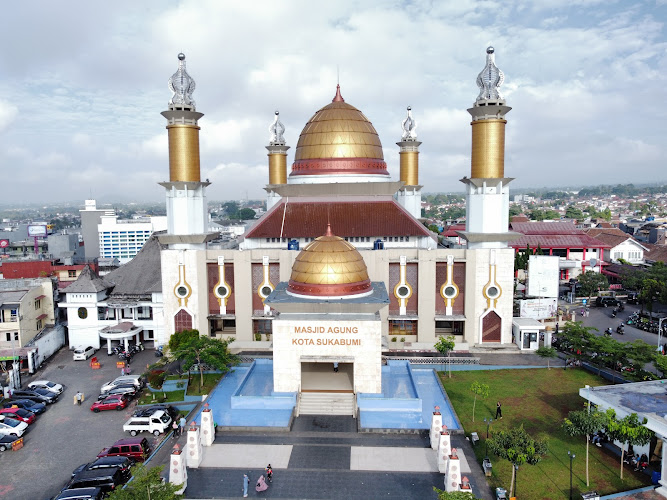
Masjid Agung Kota Sukabumi stands as one of West Java’s most remarkable landmarks—a place where faith, history, and architecture intertwine beautifully. This grand mosque, with its gleaming golden domes and tall minarets, dominates the city’s central square. It’s not just a spot for prayer; it’s a living piece of Sukabumi’s story. Built in the late 19th century and lovingly restored multiple times over the decades, the mosque has evolved while keeping its soul intact. You can almost feel the layers of time in its walls—from the colonial era to the present day.

The first time I visited, I remember being struck by the serenity that seemed to float in the air, even with the bustle of the city right outside. The intricate carvings, the symmetry of the arches, and the soft echo of footsteps on the marble floors—it all felt timeless. What’s fascinating is how the mosque manages to blend traditional Javanese elements with Middle Eastern influences. The result? A structure that feels both rooted and regal.

Inside, the prayer hall is vast and luminous, with natural light streaming through stained glass panels. The ceilings soar high, adorned with detailed calligraphy and geometric patterns that invite you to look up and just breathe for a moment. The gardens surrounding the mosque are equally inviting—a place where families gather, children play, and travelers like me find a quiet corner to rest. It’s easy to lose track of time here.

Of course, not every experience is perfect. Sometimes the area gets crowded, especially during Friday prayers or around major Islamic holidays. Parking can be a bit of a challenge, and the noise from nearby traffic occasionally seeps into the calm. But honestly, that’s part of the charm—it’s a mosque that lives and breathes with its city. And despite the minor inconveniences, most visitors walk away with a sense of peace and admiration.

Key Features

  • Golden Domes and Minarets: The mosque’s signature golden domes shimmer under the Sukabumi sun, visible from several blocks away.
  • Historical Significance: Originally built in 1890 and renovated multiple times, the mosque has witnessed the evolution of Sukabumi through colonial times, independence, and modernization.
  • Architectural Fusion: A blend of Javanese, Middle Eastern, and modern styles, creating a distinctive aesthetic that captures both tradition and innovation.
  • Spacious Prayer Hall: The main hall accommodates thousands of worshippers, with elegant chandeliers and detailed Islamic calligraphy adorning the interior.
  • Beautiful Gardens: Lush green spaces surround the mosque, offering a peaceful retreat and a picturesque backdrop for photography.
  • Accessibility: Wheelchair-friendly entrances, parking, and restrooms make it inclusive for all visitors.
  • Community Hub: Beyond religious functions, the mosque serves as a center for education, charity, and social gatherings.

Best Time to Visit

If you’re planning a visit, early morning or late afternoon are the most magical times. The light hits the golden domes just right, giving them a warm glow that’s perfect for photos. I once arrived just after dawn, and the quietness of the place was almost surreal—the call to prayer echoing softly, mist still hanging low over the gardens. It’s a moment that stays with you.

Weekdays tend to be calmer, which is ideal if you want to explore the architecture or take your time with photography. Fridays, on the other hand, are bustling with worshippers. It’s a different kind of beauty then—a living, breathing energy that shows what the mosque truly means to the community. During Ramadan, the atmosphere transforms completely. Lanterns light up the courtyard, and the air fills with the scent of local food from nearby vendors. It’s busy, yes, but also deeply moving.

How to Get There

Reaching the mosque is fairly straightforward since it’s located right in the heart of Sukabumi. If you’re coming from Jakarta, it’s about a three-hour drive depending on traffic (and trust me, traffic in West Java can be unpredictable). Public transportation options like trains and intercity buses are also available, dropping you off near the city center. From there, a short walk or a quick ride on a becak or motorcycle taxi will get you to the mosque.

For those staying in Sukabumi, local ride-hailing apps make getting around easy. I’d suggest using them during peak hours; parking can be limited near the main square. And if you enjoy walking, the route through the city center is actually quite nice—lined with small shops, food stalls, and friendly locals who might even point you toward the best spot for coffee after your visit.

Tips for Visiting

Visiting Masjid Agung Kota Sukabumi is more than just sightseeing—it’s about experiencing a piece of living culture. Here are a few things I’ve learned (sometimes the hard way) that might make your trip smoother:

  • Dress Modestly: It’s a functioning mosque, so modest clothing is a must. Long pants or skirts, covered shoulders—simple respect goes a long way.
  • Remove Shoes: You’ll need to take off your shoes before entering the prayer hall. There’s usually a designated area for footwear, but it’s wise to keep them in a bag if you’re exploring multiple sections.
  • Visit Outside Prayer Times: Non-Muslim visitors are usually welcome, but avoid entering during the five daily prayers to respect worshippers.
  • Photography Etiquette: While the architecture is stunning, always ask permission before photographing people, especially during prayer.
  • Stay Hydrated: Sukabumi’s weather can get warm, especially around midday. Bring a bottle of water, but remember not to eat or drink inside the mosque.
  • Explore the Surroundings: The mosque sits near the main square, so you can easily wander to local markets or grab traditional snacks afterward. Don’t miss the street vendors selling es doger or nasi uduk—they’re delicious.
  • Respect the Space: Even if you’re just here to admire the architecture, remember it’s a sacred place. Keep your voice low and move mindfully.

One more thing—bring your curiosity. The mosque has a way of sparking conversations. I once ended up chatting with an elderly man who told me stories about how the mosque served as a gathering point during Indonesia’s struggle for independence. It’s those unexpected moments that make travel so rewarding. You come for the architecture, but you leave with stories that stick.

In the end, Masjid Agung Kota Sukabumi is more than a religious site—it’s a reflection of the city’s heart. Whether you’re a traveler chasing history, an architecture lover, or someone simply seeking a quiet moment, this mosque offers something meaningful. Its golden domes may catch your eye first, but it’s the warmth of the people and the sense of peace that will stay with you long after you’ve left.

Key Features

  • Key Features
  • Best Time to Visit
  • How to Get There
  • Tips for Visiting

More Details

Updated December 1, 2025


Description

Masjid Agung Kota Sukabumi stands as one of West Java’s most remarkable landmarks—a place where faith, history, and architecture intertwine beautifully. This grand mosque, with its gleaming golden domes and tall minarets, dominates the city’s central square. It’s not just a spot for prayer; it’s a living piece of Sukabumi’s story. Built in the late 19th century and lovingly restored multiple times over the decades, the mosque has evolved while keeping its soul intact. You can almost feel the layers of time in its walls—from the colonial era to the present day.

The first time I visited, I remember being struck by the serenity that seemed to float in the air, even with the bustle of the city right outside. The intricate carvings, the symmetry of the arches, and the soft echo of footsteps on the marble floors—it all felt timeless. What’s fascinating is how the mosque manages to blend traditional Javanese elements with Middle Eastern influences. The result? A structure that feels both rooted and regal.

Inside, the prayer hall is vast and luminous, with natural light streaming through stained glass panels. The ceilings soar high, adorned with detailed calligraphy and geometric patterns that invite you to look up and just breathe for a moment. The gardens surrounding the mosque are equally inviting—a place where families gather, children play, and travelers like me find a quiet corner to rest. It’s easy to lose track of time here.

Of course, not every experience is perfect. Sometimes the area gets crowded, especially during Friday prayers or around major Islamic holidays. Parking can be a bit of a challenge, and the noise from nearby traffic occasionally seeps into the calm. But honestly, that’s part of the charm—it’s a mosque that lives and breathes with its city. And despite the minor inconveniences, most visitors walk away with a sense of peace and admiration.

Key Features

  • Golden Domes and Minarets: The mosque’s signature golden domes shimmer under the Sukabumi sun, visible from several blocks away.
  • Historical Significance: Originally built in 1890 and renovated multiple times, the mosque has witnessed the evolution of Sukabumi through colonial times, independence, and modernization.
  • Architectural Fusion: A blend of Javanese, Middle Eastern, and modern styles, creating a distinctive aesthetic that captures both tradition and innovation.
  • Spacious Prayer Hall: The main hall accommodates thousands of worshippers, with elegant chandeliers and detailed Islamic calligraphy adorning the interior.
  • Beautiful Gardens: Lush green spaces surround the mosque, offering a peaceful retreat and a picturesque backdrop for photography.
  • Accessibility: Wheelchair-friendly entrances, parking, and restrooms make it inclusive for all visitors.
  • Community Hub: Beyond religious functions, the mosque serves as a center for education, charity, and social gatherings.

Best Time to Visit

If you’re planning a visit, early morning or late afternoon are the most magical times. The light hits the golden domes just right, giving them a warm glow that’s perfect for photos. I once arrived just after dawn, and the quietness of the place was almost surreal—the call to prayer echoing softly, mist still hanging low over the gardens. It’s a moment that stays with you.

Weekdays tend to be calmer, which is ideal if you want to explore the architecture or take your time with photography. Fridays, on the other hand, are bustling with worshippers. It’s a different kind of beauty then—a living, breathing energy that shows what the mosque truly means to the community. During Ramadan, the atmosphere transforms completely. Lanterns light up the courtyard, and the air fills with the scent of local food from nearby vendors. It’s busy, yes, but also deeply moving.

How to Get There

Reaching the mosque is fairly straightforward since it’s located right in the heart of Sukabumi. If you’re coming from Jakarta, it’s about a three-hour drive depending on traffic (and trust me, traffic in West Java can be unpredictable). Public transportation options like trains and intercity buses are also available, dropping you off near the city center. From there, a short walk or a quick ride on a becak or motorcycle taxi will get you to the mosque.

For those staying in Sukabumi, local ride-hailing apps make getting around easy. I’d suggest using them during peak hours; parking can be limited near the main square. And if you enjoy walking, the route through the city center is actually quite nice—lined with small shops, food stalls, and friendly locals who might even point you toward the best spot for coffee after your visit.

Tips for Visiting

Visiting Masjid Agung Kota Sukabumi is more than just sightseeing—it’s about experiencing a piece of living culture. Here are a few things I’ve learned (sometimes the hard way) that might make your trip smoother:

  • Dress Modestly: It’s a functioning mosque, so modest clothing is a must. Long pants or skirts, covered shoulders—simple respect goes a long way.
  • Remove Shoes: You’ll need to take off your shoes before entering the prayer hall. There’s usually a designated area for footwear, but it’s wise to keep them in a bag if you’re exploring multiple sections.
  • Visit Outside Prayer Times: Non-Muslim visitors are usually welcome, but avoid entering during the five daily prayers to respect worshippers.
  • Photography Etiquette: While the architecture is stunning, always ask permission before photographing people, especially during prayer.
  • Stay Hydrated: Sukabumi’s weather can get warm, especially around midday. Bring a bottle of water, but remember not to eat or drink inside the mosque.
  • Explore the Surroundings: The mosque sits near the main square, so you can easily wander to local markets or grab traditional snacks afterward. Don’t miss the street vendors selling es doger or nasi uduk—they’re delicious.
  • Respect the Space: Even if you’re just here to admire the architecture, remember it’s a sacred place. Keep your voice low and move mindfully.

One more thing—bring your curiosity. The mosque has a way of sparking conversations. I once ended up chatting with an elderly man who told me stories about how the mosque served as a gathering point during Indonesia’s struggle for independence. It’s those unexpected moments that make travel so rewarding. You come for the architecture, but you leave with stories that stick.

In the end, Masjid Agung Kota Sukabumi is more than a religious site—it’s a reflection of the city’s heart. Whether you’re a traveler chasing history, an architecture lover, or someone simply seeking a quiet moment, this mosque offers something meaningful. Its golden domes may catch your eye first, but it’s the warmth of the people and the sense of peace that will stay with you long after you’ve left.

Key Highlights

  • Key Features
  • Best Time to Visit
  • How to Get There
  • Tips for Visiting

Location

Places to Stay Near Masjid Agung Kota Sukabumi

Find and Book a Tour

Explore More Travel Guides

No reviews found! Be the first to review!

Traveler Reviews for Masjid Agung Kota Sukabumi

There are no reviews yet. Be the first one to write one.

Share Your Experience

Have you visited Masjid Agung Kota Sukabumi? Help other travelers by sharing your review.

Find Accommodations Nearby

Recommended Tours & Activities

Visitor Reviews

There are no reviews yet. Be the first one to write one.

Share Your Experience

Have you visited Masjid Agung Kota Sukabumi? Help other travelers by leaving a review.