
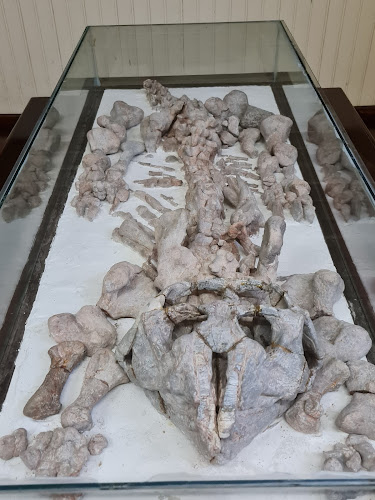
Museu do Homem do Sambaqui
About Museu do Homem do Sambaqui
Description
The Museu do Homem do Sambaqui offers visitors a fascinating glimpse into Brazil's ancient coastal cultures and the indigenous peoples who once thrived along the southern shorelines. Located in Florianópolis, this natural history museum takes its name from the sambaquis - prehistoric shell mounds that dot the Brazilian coast and serve as archaeological goldmines of information about early human settlement in the region. When you step inside this museum, you're essentially walking through thousands of years of human history. The exhibits focus heavily on the people who built these massive shell middens, some reaching heights of 30 meters and dating back over 5,000 years. These weren't just garbage dumps, as some early researchers mistakenly believed. They were complex structures that served multiple purposes - burial sites, territorial markers, and even foundations for settlements. The museum does an excellent job of showcasing both the natural environment these ancient peoples inhabited and the cultural artifacts they left behind. You'll find displays featuring the native fauna of the region, giving context to how these coastal dwellers hunted, fished, and survived. And honestly, seeing the preserved specimens of animals that still inhabit the area today really helps you understand the continuity between past and present. What sets this museum apart from your typical natural history collection is its specific focus on this unique archaeological phenomenon. The sambaqui builders were sophisticated societies with their own technologies, spiritual beliefs, and social structures. Through carefully curated displays of human remains, tools, pottery, and personal ornaments, the museum paints a picture of daily life that feels surprisingly intimate despite the vast temporal distance. The facility itself maintains a modest scale that actually works in its favor. You won't spend an entire day here, but that's perfectly fine - sometimes smaller museums can deliver more focused, impactful experiences than sprawling institutions where you leave feeling overwhelmed and exhausted.Key Features
- Extensive collection of archaeological artifacts recovered from sambaqui sites throughout Santa Catarina's coastline, including stone tools, fishing implements, and ceremonial objects that showcase the technological sophistication of these ancient peoples
- Skeletal remains and burial displays that provide insight into the physical characteristics, health conditions, and funerary practices of sambaqui builders, presented respectfully with educational context about these ancestral populations
- Native animal specimens representing the biodiversity of coastal Santa Catarina, from marine life to forest creatures, demonstrating the rich ecosystem that supported human habitation for millennia
- Pottery fragments and reconstructed vessels that reveal artistic sensibilities and practical skills, showing how these communities evolved over different periods and geographic locations
- Educational displays explaining the formation and structure of sambaquis themselves, including cross-sections and diagrams that help visitors understand how these shell mounds accumulated over centuries of human activity
- Interactive elements and informational panels in Portuguese that detail the archaeological methodology used to study these sites and what scientists have learned about prehistoric coastal societies
- Wheelchair accessible facilities including adapted restrooms, making the museum inclusive for visitors with mobility considerations
- Child-friendly exhibits at appropriate heights and with engaging visual elements that can capture younger imaginations while educating them about Brazil's indigenous heritage
Best Time to Visit
Timing your visit to the Museu do Homem do Sambaqui depends more on your overall Florianópolis travel plans than seasonal variations, since it's an indoor attraction that operates year-round. But let me share some thoughts based on practical considerations. The summer months from December through February bring the highest tourist traffic to Florianópolis. While the museum itself won't necessarily be overcrowded, you might find the surrounding area busier and parking more challenging. Plus, when you're in a beach destination during prime beach weather, spending time indoors at a museum might feel like you're missing out on the sunshine. That said, a rainy summer afternoon makes for perfect museum weather, and tropical showers are definitely a thing during this season. I'd actually recommend visiting during the shoulder seasons - April to June or August to November. The weather remains pleasant enough for outdoor activities, but you'll encounter fewer crowds everywhere you go. The museum staff might have more time to answer questions if you're curious about specific exhibits, and you won't feel rushed as you move through the displays. Weekday visits generally offer a more contemplative experience compared to weekends when local families often plan educational outings. But honestly, the museum doesn't typically see the crush of visitors that more mainstream attractions draw, so weekend visits are still manageable. Winter (June through August) can be surprisingly cool in Florianópolis, with temperatures sometimes dropping to around 15°C. This makes indoor cultural activities more appealing than beach lounging anyway. You might find yourself appreciating the museum's shelter from the chill while still getting your dose of cultural enrichment. Consider visiting in the morning when you're fresh and can really absorb the information presented. Archaeological and anthropological exhibits require some mental engagement, and afternoon museum fatigue is real. Plus, mornings tend to be quieter regardless of the season.How to Get There
Getting to the Museu do Homem do Sambaqui requires a bit of planning since it's not located in the most central tourist area of Florianópolis. The museum sits in the College of Education at the Federal University of Santa Catarina (UFSC), which means you'll be heading to a university campus rather than a dedicated museum district. If you're driving, this is probably your most convenient option. The museum is located within the UFSC campus, and parking is generally available in the university lots. Navigation apps will get you there without much trouble - just search for the museum by name or the College of Education building. From the beach areas where most tourists stay, you're looking at roughly 20-30 minutes of driving depending on traffic and your starting point. Public transportation is definitely doable but requires more patience and planning. Several bus lines serve the university campus from various parts of Florianópolis. You'll want to check the current routes and schedules since these can change, but buses heading to "UFSC" or "Universidade" will get you to the general area. From the main bus stops on campus, you might need to walk a bit to find the specific building housing the museum. Don't hesitate to ask students for directions - university folks are usually helpful to lost visitors. Taxis and ride-sharing services like Uber operate throughout Florianópolis and can drop you directly at the museum entrance. This eliminates navigation stress and parking concerns, though it obviously costs more than public transit. For many travelers, the convenience justifies the expense, especially if you're visiting with children or have mobility limitations. The museum's location on a university campus actually provides an interesting side benefit - you get to see a slice of Brazilian academic life and the beautiful UFSC grounds. The campus has a pleasant atmosphere that's worth experiencing beyond just the museum visit itself.Tips for Visiting
First things first - don't expect this to be a massive museum requiring half a day to explore. Budget about an hour to ninety minutes for your visit, maybe two hours if you're really into archaeology and want to read every placard carefully. This is a specialized collection, not the British Museum, and managing your expectations appropriately will help you appreciate what's actually there rather than being disappointed by what isn't. Bring Portuguese language skills or a translation app. While some exhibits may have English information, you can't count on comprehensive bilingual displays. The museum primarily serves Brazilian visitors and school groups, so Portuguese is the dominant language. That said, many of the artifacts speak for themselves visually, and you can grasp the main concepts even with limited language skills. Photography policies should be confirmed when you arrive. Museum rules vary regarding flash photography and whether any restrictions apply to certain artifacts or human remains. Being respectful of these guidelines shows consideration for preservation efforts and cultural sensitivities around indigenous heritage. The museum is particularly well-suited for educational visits with children who are old enough to engage with archaeological concepts - probably around age 7 and up. Younger kids might get bored unless they're particularly interested in bones and old tools. There's something genuinely cool about seeing actual prehistoric artifacts that can capture children's imaginations, but you know your kids best and whether this type of attraction will hold their attention. Wheelchair users will find the restroom facilities accessible, which is great, but you might want to call ahead to confirm that all exhibit areas are equally accessible. University buildings sometimes have quirks when it comes to older sections and accessibility modifications. Consider combining your museum visit with exploring other parts of the UFSC campus. The university has some lovely green spaces and interesting architecture. There's no restaurant at the museum itself, so you'll need to plan for meals elsewhere. The campus and surrounding neighborhood have various dining options worth exploring. Don't rush through the exhibits. Really spend time looking at the craftsmanship in the stone tools, the way shells are layered in the sambaqui cross-sections, the positioning of skeletal remains in burial displays. These details tell stories that the placards can only partially convey. Sometimes just sitting with an artifact and thinking about the human hands that made it thousands of years ago creates a connection that's more valuable than reading every word of text. Be prepared for relatively basic museum presentation. This isn't a high-tech interactive experience with touchscreens and virtual reality. It's old-school museum display cases and informational panels. Some visitors find this refreshingly straightforward, while others might expect more bells and whistles. Understanding the museum's modest scale and traditional approach helps you appreciate it for what it offers rather than criticizing it for what it doesn't attempt to be.Key Features
- Archaeological collections from local sambaqui sites (shell mounds)
- Human osteological and funerary artifacts providing insights into prehistoric lifeways
- Natural history specimens connecting ancient diets and coastal ecology
- Interpretive exhibits contextualizing regional indigenous history
- Compact, easily walkable museum in central Florianópolis with knowledgeable local focus
More Details
Updated January 18, 2026
Table of Contents
Description
The Museu do Homem do Sambaqui offers visitors a fascinating glimpse into Brazil’s ancient coastal cultures and the indigenous peoples who once thrived along the southern shorelines. Located in Florianópolis, this natural history museum takes its name from the sambaquis – prehistoric shell mounds that dot the Brazilian coast and serve as archaeological goldmines of information about early human settlement in the region.
When you step inside this museum, you’re essentially walking through thousands of years of human history. The exhibits focus heavily on the people who built these massive shell middens, some reaching heights of 30 meters and dating back over 5,000 years. These weren’t just garbage dumps, as some early researchers mistakenly believed. They were complex structures that served multiple purposes – burial sites, territorial markers, and even foundations for settlements.
The museum does an excellent job of showcasing both the natural environment these ancient peoples inhabited and the cultural artifacts they left behind. You’ll find displays featuring the native fauna of the region, giving context to how these coastal dwellers hunted, fished, and survived. And honestly, seeing the preserved specimens of animals that still inhabit the area today really helps you understand the continuity between past and present.
What sets this museum apart from your typical natural history collection is its specific focus on this unique archaeological phenomenon. The sambaqui builders were sophisticated societies with their own technologies, spiritual beliefs, and social structures. Through carefully curated displays of human remains, tools, pottery, and personal ornaments, the museum paints a picture of daily life that feels surprisingly intimate despite the vast temporal distance.
The facility itself maintains a modest scale that actually works in its favor. You won’t spend an entire day here, but that’s perfectly fine – sometimes smaller museums can deliver more focused, impactful experiences than sprawling institutions where you leave feeling overwhelmed and exhausted.
Key Features
- Extensive collection of archaeological artifacts recovered from sambaqui sites throughout Santa Catarina’s coastline, including stone tools, fishing implements, and ceremonial objects that showcase the technological sophistication of these ancient peoples
- Skeletal remains and burial displays that provide insight into the physical characteristics, health conditions, and funerary practices of sambaqui builders, presented respectfully with educational context about these ancestral populations
- Native animal specimens representing the biodiversity of coastal Santa Catarina, from marine life to forest creatures, demonstrating the rich ecosystem that supported human habitation for millennia
- Pottery fragments and reconstructed vessels that reveal artistic sensibilities and practical skills, showing how these communities evolved over different periods and geographic locations
- Educational displays explaining the formation and structure of sambaquis themselves, including cross-sections and diagrams that help visitors understand how these shell mounds accumulated over centuries of human activity
- Interactive elements and informational panels in Portuguese that detail the archaeological methodology used to study these sites and what scientists have learned about prehistoric coastal societies
- Wheelchair accessible facilities including adapted restrooms, making the museum inclusive for visitors with mobility considerations
- Child-friendly exhibits at appropriate heights and with engaging visual elements that can capture younger imaginations while educating them about Brazil’s indigenous heritage
Best Time to Visit
Timing your visit to the Museu do Homem do Sambaqui depends more on your overall Florianópolis travel plans than seasonal variations, since it’s an indoor attraction that operates year-round. But let me share some thoughts based on practical considerations.
The summer months from December through February bring the highest tourist traffic to Florianópolis. While the museum itself won’t necessarily be overcrowded, you might find the surrounding area busier and parking more challenging. Plus, when you’re in a beach destination during prime beach weather, spending time indoors at a museum might feel like you’re missing out on the sunshine. That said, a rainy summer afternoon makes for perfect museum weather, and tropical showers are definitely a thing during this season.
I’d actually recommend visiting during the shoulder seasons – April to June or August to November. The weather remains pleasant enough for outdoor activities, but you’ll encounter fewer crowds everywhere you go. The museum staff might have more time to answer questions if you’re curious about specific exhibits, and you won’t feel rushed as you move through the displays.
Weekday visits generally offer a more contemplative experience compared to weekends when local families often plan educational outings. But honestly, the museum doesn’t typically see the crush of visitors that more mainstream attractions draw, so weekend visits are still manageable.
Winter (June through August) can be surprisingly cool in Florianópolis, with temperatures sometimes dropping to around 15°C. This makes indoor cultural activities more appealing than beach lounging anyway. You might find yourself appreciating the museum’s shelter from the chill while still getting your dose of cultural enrichment.
Consider visiting in the morning when you’re fresh and can really absorb the information presented. Archaeological and anthropological exhibits require some mental engagement, and afternoon museum fatigue is real. Plus, mornings tend to be quieter regardless of the season.
How to Get There
Getting to the Museu do Homem do Sambaqui requires a bit of planning since it’s not located in the most central tourist area of Florianópolis. The museum sits in the College of Education at the Federal University of Santa Catarina (UFSC), which means you’ll be heading to a university campus rather than a dedicated museum district.
If you’re driving, this is probably your most convenient option. The museum is located within the UFSC campus, and parking is generally available in the university lots. Navigation apps will get you there without much trouble – just search for the museum by name or the College of Education building. From the beach areas where most tourists stay, you’re looking at roughly 20-30 minutes of driving depending on traffic and your starting point.
Public transportation is definitely doable but requires more patience and planning. Several bus lines serve the university campus from various parts of Florianópolis. You’ll want to check the current routes and schedules since these can change, but buses heading to “UFSC” or “Universidade” will get you to the general area. From the main bus stops on campus, you might need to walk a bit to find the specific building housing the museum. Don’t hesitate to ask students for directions – university folks are usually helpful to lost visitors.
Taxis and ride-sharing services like Uber operate throughout Florianópolis and can drop you directly at the museum entrance. This eliminates navigation stress and parking concerns, though it obviously costs more than public transit. For many travelers, the convenience justifies the expense, especially if you’re visiting with children or have mobility limitations.
The museum’s location on a university campus actually provides an interesting side benefit – you get to see a slice of Brazilian academic life and the beautiful UFSC grounds. The campus has a pleasant atmosphere that’s worth experiencing beyond just the museum visit itself.
Tips for Visiting
First things first – don’t expect this to be a massive museum requiring half a day to explore. Budget about an hour to ninety minutes for your visit, maybe two hours if you’re really into archaeology and want to read every placard carefully. This is a specialized collection, not the British Museum, and managing your expectations appropriately will help you appreciate what’s actually there rather than being disappointed by what isn’t.
Bring Portuguese language skills or a translation app. While some exhibits may have English information, you can’t count on comprehensive bilingual displays. The museum primarily serves Brazilian visitors and school groups, so Portuguese is the dominant language. That said, many of the artifacts speak for themselves visually, and you can grasp the main concepts even with limited language skills.
Photography policies should be confirmed when you arrive. Museum rules vary regarding flash photography and whether any restrictions apply to certain artifacts or human remains. Being respectful of these guidelines shows consideration for preservation efforts and cultural sensitivities around indigenous heritage.
The museum is particularly well-suited for educational visits with children who are old enough to engage with archaeological concepts – probably around age 7 and up. Younger kids might get bored unless they’re particularly interested in bones and old tools. There’s something genuinely cool about seeing actual prehistoric artifacts that can capture children’s imaginations, but you know your kids best and whether this type of attraction will hold their attention.
Wheelchair users will find the restroom facilities accessible, which is great, but you might want to call ahead to confirm that all exhibit areas are equally accessible. University buildings sometimes have quirks when it comes to older sections and accessibility modifications.
Consider combining your museum visit with exploring other parts of the UFSC campus. The university has some lovely green spaces and interesting architecture. There’s no restaurant at the museum itself, so you’ll need to plan for meals elsewhere. The campus and surrounding neighborhood have various dining options worth exploring.
Don’t rush through the exhibits. Really spend time looking at the craftsmanship in the stone tools, the way shells are layered in the sambaqui cross-sections, the positioning of skeletal remains in burial displays. These details tell stories that the placards can only partially convey. Sometimes just sitting with an artifact and thinking about the human hands that made it thousands of years ago creates a connection that’s more valuable than reading every word of text.
Be prepared for relatively basic museum presentation. This isn’t a high-tech interactive experience with touchscreens and virtual reality. It’s old-school museum display cases and informational panels. Some visitors find this refreshingly straightforward, while others might expect more bells and whistles. Understanding the museum’s modest scale and traditional approach helps you appreciate it for what it offers rather than criticizing it for what it doesn’t attempt to be.
Key Highlights
- Archaeological collections from local sambaqui sites (shell mounds)
- Human osteological and funerary artifacts providing insights into prehistoric lifeways
- Natural history specimens connecting ancient diets and coastal ecology
- Interpretive exhibits contextualizing regional indigenous history
- Compact, easily walkable museum in central Florianópolis with knowledgeable local focus
Location
Places to Stay Near Museu do Homem do Sambaqui
Find and Book a Tour
Explore More Travel Guides
No reviews found! Be the first to review!
Traveler Reviews for Museu do Homem do Sambaqui
There are no reviews yet. Be the first one to write one.
Have you visited Museu do Homem do Sambaqui? Help other travelers by sharing your review.
Nearby Attractions
You Might Also Like
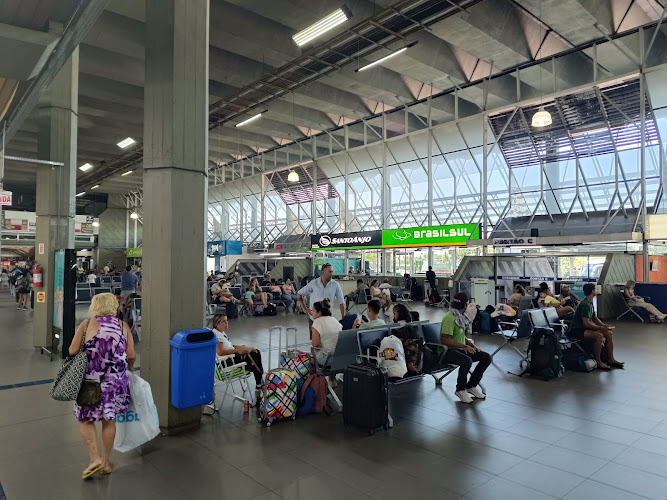
Terminal rodoviário de Florianópolis
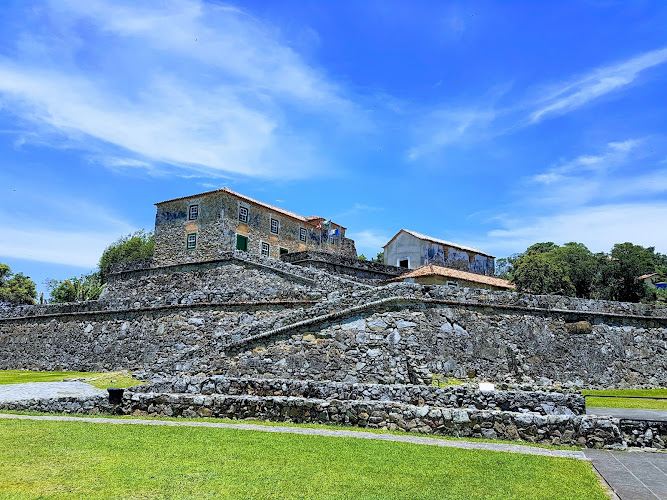
São José da Ponta Grossa Fortress
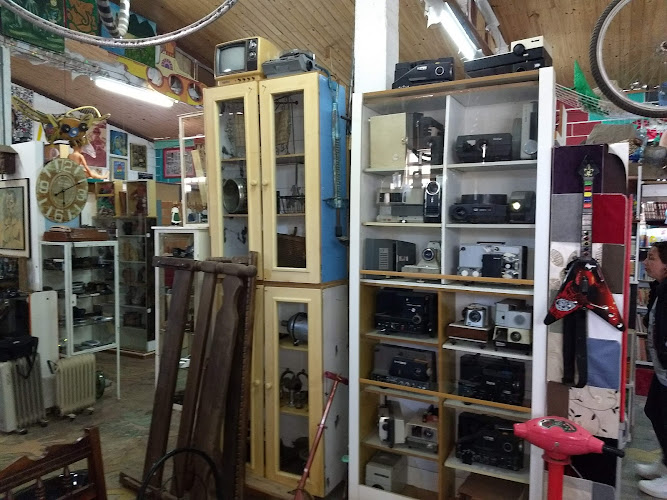
Museum of Trash
Find Accommodations Nearby
Recommended Tours & Activities
Visitor Reviews
There are no reviews yet. Be the first one to write one.
Share Your Experience
Have you visited Museu do Homem do Sambaqui? Help other travelers by leaving a review.