Dunes of Joaquina
About Dunes of Joaquina
Description
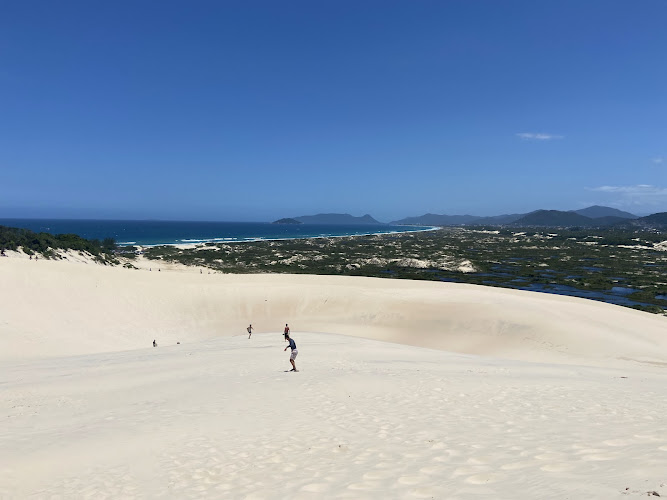
The Dunes of Joaquina stand as one of southern Brazil's most remarkable natural playgrounds, where golden sand meets the Atlantic Ocean in a spectacular display of coastal beauty. These massive sand formations have become legendary among adventure seekers and beach lovers alike, offering something that's honestly pretty rare – a place where you can experience the thrill of desert-like dunes while being just steps away from crashing ocean waves. I've always found it fascinating how nature can create such dramatic landscapes right next to each other. And the Dunes of Joaquina deliver on that fascination in spades. The expansive stretches of sand rise and fall like frozen waves themselves, creating an otherworldly terrain that feels more like the Sahara than a Brazilian beach destination. But what really sets this place apart is the culture that's grown around it – particularly the sandboarding scene that's made these dunes famous throughout South America. Visitors quickly discover that this isn't your typical beach experience. Sure, you can swim and sunbathe, but the real magic happens on those towering dunes where adrenaline and gravity combine to create unforgettable moments. The local community has embraced the area's unique geography, transforming what could have been just another pretty beach into an active recreational zone that attracts everyone from professional sandboarders to families looking for a memorable day out. The ecological significance of the dunes shouldn't be overlooked either. These formations represent an important coastal ecosystem that's been shaped by wind and tide over countless years. Walking across the sand, you'll notice how the landscape constantly shifts and changes, a reminder that you're experiencing something genuinely dynamic and alive.Key Features
The Dunes of Joaquina pack quite a punch when it comes to what they offer visitors. Here's what makes this destination worth the trip:- World-Class Sandboarding Opportunities – The steep slopes provide perfect conditions for both beginners and experienced boarders, with rental equipment readily available from local vendors who know these dunes inside and out
- Stunning Ocean Panoramas – The elevated position of the dunes offers breathtaking views across the Atlantic, particularly during golden hour when the light hits just right
- Family-Friendly Environment – Kid-friendly hiking trails wind through the dunes, making it accessible for families who want adventure without excessive difficulty
- Picnic-Perfect Spots – Designated areas allow visitors to spread out and enjoy meals with some of the best natural scenery you'll find anywhere as your backdrop
- Cycling Infrastructure – Well-maintained cycling lanes connect the dunes to surrounding areas, offering an eco-friendly way to explore the broader region
- Playground Facilities – Purpose-built play areas keep younger children entertained when they need a break from the sand
- Hiking Trails – Multiple routes traverse the dunes and surrounding ecological park, each offering different perspectives on this unique landscape
- Active Beach Culture – The beach below the dunes maintains its own distinct character, popular with surfers and swimmers who appreciate the more rugged coastal conditions
Best Time to Visit
Timing your visit to the Dunes of Joaquina can really make or break your experience, and I learned this the hard way on my first visit when I showed up during peak summer and found myself competing with what felt like half of Brazil for space on the dunes. The sweet spot for most travelers falls between April and November – Brazil's fall and winter months. Now, don't let "winter" scare you off. We're talking about temperatures that still hover comfortably in the 60s and 70s Fahrenheit, which is honestly perfect for sandboarding. You don't want to be sliding down those dunes in blazing summer heat anyway, trust me. The cooler months also bring fewer crowds, meaning you'll actually get decent runs without waiting in line or dodging other boarders. But here's where it gets interesting. If you're specifically into the beach and swimming aspect, December through March offers warmer water temperatures and that classic Brazilian summer beach vibe. The trade-off? You'll be sharing the space with thousands of domestic tourists, and accommodation prices skyrocket. The dunes themselves can get uncomfortably hot underfoot during midday in summer – we're talking sand that'll burn right through your sandals. Weather patterns matter too. The shoulder seasons of April-May and September-October typically offer the best compromise between pleasant temperatures, manageable crowds, and stable weather conditions. Rain can occur year-round, but these months tend toward drier conditions that are ideal for outdoor activities. Early morning visits work beautifully regardless of season. There's something almost spiritual about watching sunrise over the dunes before anyone else arrives. And practically speaking, you'll have the best sandboarding conditions before afternoon winds pick up and the sand gets churned up. Weekdays trump weekends if your schedule allows flexibility. The difference in crowd levels between a Tuesday morning and a Saturday afternoon is honestly night and day.How to Get There
Getting to the Dunes of Joaquina requires a bit of planning, but the journey is straightforward enough once you understand your options. The dunes sit on Florianópolis island, which means you'll first need to reach this coastal city in Santa Catarina state. Most international visitors fly into Florianópolis-Hercílio Luz International Airport, which receives domestic flights from major Brazilian cities like São Paulo, Rio de Janeiro, and Brasília. From the airport, you're looking at roughly a 30-minute drive to reach the dunes, depending on traffic conditions. Public transportation exists but isn't necessarily the most convenient option. Local buses do service the Joaquina beach area, and they're incredibly budget-friendly. However, the schedules can be irregular, and you might find yourself waiting longer than you'd like, especially during off-peak hours. The bus journey from downtown Florianópolis takes about 45 minutes to an hour. Renting a car makes the most sense for visitors who want flexibility and plan to explore multiple beaches around the island. The drive is scenic and relatively easy to navigate, though parking near the dunes can become challenging during peak periods. Look for the designated parking areas near the beach access points. Taxi and ride-sharing services like Uber operate throughout Florianópolis and offer convenient door-to-door service. This works well if you're planning a single day trip to the dunes and don't need a vehicle for your entire stay. For the more adventurous, cycling to the Dunes of Joaquina is absolutely doable thanks to those dedicated cycling lanes I mentioned earlier. If you're staying in nearby neighborhoods like Lagoa da Conceição, the ride takes maybe 20-30 minutes and offers gorgeous coastal views along the way. One thing that surprised me was how the final approach works. You'll need to park or dismount in the designated areas, then walk the remaining distance to reach the main dune formations. It's not far, but wearing proper footwear matters because that sand gets everywhere.Tips for Visiting
Let me share some hard-earned wisdom that'll help you make the most of your Dunes of Joaquina experience without the rookie mistakes. First off, sunscreen isn't optional – it's absolutely essential. The sand reflects UV rays something fierce, and you'll burn faster than you realize even on cloudy days. Reapply frequently, especially if you're working up a sweat sandboarding. And while we're on the subject, bring more water than you think you'll need. Dehydration sneaks up on you out there. Footwear deserves serious consideration. Flip-flops might seem like the obvious beach choice, but they're useless for hiking the dunes. I recommend bringing sandals with straps for walking and then going barefoot for sandboarding itself. Your feet will thank you. Just watch out for midday sand temperatures during summer months. If sandboarding is on your agenda, rent equipment from the vendors near the dunes rather than buying boards beforehand. These folks know the local conditions and can set you up with appropriate gear. They'll also show you the best runs if you ask nicely. Starting on smaller slopes makes sense even if you've got snowboarding experience – sand behaves differently than snow, and the learning curve catches people off guard. The dunes aren't wheelchair accessible, which is unfortunate but important to know before planning your visit. The terrain is inherently challenging for anyone with mobility limitations. Bring cash for equipment rentals and snacks from beach vendors. While some accept cards, you can't count on it, and there aren't ATMs right at the dunes themselves. Timing your visit around the tides adds another dimension to the experience. Low tide exposes more beach area and makes for easier access between the ocean and dunes. Check tide charts before heading out. Photography enthusiasts should know that the lighting changes dramatically throughout the day. Late afternoon offers those golden tones that make for stunning shots, while midday sun can wash out your photos. Don't underestimate the physical demands. Climbing those dunes repeatedly for sandboarding runs is genuinely exhausting. Take breaks, find shade when needed, and pace yourself. There's no prize for burning yourself out in the first hour. Speaking of shade – there isn't much natural cover on the dunes themselves. Bring a beach umbrella or plan to retreat to the parking area when you need relief from the sun. Keep your belongings secure and minimal. Sand gets into everything, so leave valuables and unnecessary items in your vehicle or accommodation. A small waterproof bag for essentials works perfectly. The ocean conditions at Joaquina beach can be rough with strong currents and waves. It's popular with surfers for good reason, but that same energy makes it less ideal for casual swimmers, especially children. Exercise caution and check local conditions before entering the water. Finally, respect the ecosystem. Stick to established trails where they exist, don't disturb vegetation growing on or around the dunes, and pack out everything you bring in. These formations are fragile despite their massive appearance, and preservation depends on visitor conscientiousness.Key Features
- Large wind-shaped sand dunes with panoramic ocean views
- Adjacency to Joaquina Beach — famous surfing breaks
- Opportunities for sandboarding and photography at sunrise/sunset
- Native dune vegetation and ongoing ecological restoration
- Public access within Lagoa da Conceição with nearby amenities
More Details
Updated January 18, 2026
Table of Contents
Description
The Dunes of Joaquina stand as one of southern Brazil’s most remarkable natural playgrounds, where golden sand meets the Atlantic Ocean in a spectacular display of coastal beauty. These massive sand formations have become legendary among adventure seekers and beach lovers alike, offering something that’s honestly pretty rare – a place where you can experience the thrill of desert-like dunes while being just steps away from crashing ocean waves.
I’ve always found it fascinating how nature can create such dramatic landscapes right next to each other. And the Dunes of Joaquina deliver on that fascination in spades. The expansive stretches of sand rise and fall like frozen waves themselves, creating an otherworldly terrain that feels more like the Sahara than a Brazilian beach destination. But what really sets this place apart is the culture that’s grown around it – particularly the sandboarding scene that’s made these dunes famous throughout South America.
Visitors quickly discover that this isn’t your typical beach experience. Sure, you can swim and sunbathe, but the real magic happens on those towering dunes where adrenaline and gravity combine to create unforgettable moments. The local community has embraced the area’s unique geography, transforming what could have been just another pretty beach into an active recreational zone that attracts everyone from professional sandboarders to families looking for a memorable day out.
The ecological significance of the dunes shouldn’t be overlooked either. These formations represent an important coastal ecosystem that’s been shaped by wind and tide over countless years. Walking across the sand, you’ll notice how the landscape constantly shifts and changes, a reminder that you’re experiencing something genuinely dynamic and alive.
Key Features
The Dunes of Joaquina pack quite a punch when it comes to what they offer visitors. Here’s what makes this destination worth the trip:
- World-Class Sandboarding Opportunities – The steep slopes provide perfect conditions for both beginners and experienced boarders, with rental equipment readily available from local vendors who know these dunes inside and out
- Stunning Ocean Panoramas – The elevated position of the dunes offers breathtaking views across the Atlantic, particularly during golden hour when the light hits just right
- Family-Friendly Environment – Kid-friendly hiking trails wind through the dunes, making it accessible for families who want adventure without excessive difficulty
- Picnic-Perfect Spots – Designated areas allow visitors to spread out and enjoy meals with some of the best natural scenery you’ll find anywhere as your backdrop
- Cycling Infrastructure – Well-maintained cycling lanes connect the dunes to surrounding areas, offering an eco-friendly way to explore the broader region
- Playground Facilities – Purpose-built play areas keep younger children entertained when they need a break from the sand
- Hiking Trails – Multiple routes traverse the dunes and surrounding ecological park, each offering different perspectives on this unique landscape
- Active Beach Culture – The beach below the dunes maintains its own distinct character, popular with surfers and swimmers who appreciate the more rugged coastal conditions
Best Time to Visit
Timing your visit to the Dunes of Joaquina can really make or break your experience, and I learned this the hard way on my first visit when I showed up during peak summer and found myself competing with what felt like half of Brazil for space on the dunes.
The sweet spot for most travelers falls between April and November – Brazil’s fall and winter months. Now, don’t let “winter” scare you off. We’re talking about temperatures that still hover comfortably in the 60s and 70s Fahrenheit, which is honestly perfect for sandboarding. You don’t want to be sliding down those dunes in blazing summer heat anyway, trust me. The cooler months also bring fewer crowds, meaning you’ll actually get decent runs without waiting in line or dodging other boarders.
But here’s where it gets interesting. If you’re specifically into the beach and swimming aspect, December through March offers warmer water temperatures and that classic Brazilian summer beach vibe. The trade-off? You’ll be sharing the space with thousands of domestic tourists, and accommodation prices skyrocket. The dunes themselves can get uncomfortably hot underfoot during midday in summer – we’re talking sand that’ll burn right through your sandals.
Weather patterns matter too. The shoulder seasons of April-May and September-October typically offer the best compromise between pleasant temperatures, manageable crowds, and stable weather conditions. Rain can occur year-round, but these months tend toward drier conditions that are ideal for outdoor activities.
Early morning visits work beautifully regardless of season. There’s something almost spiritual about watching sunrise over the dunes before anyone else arrives. And practically speaking, you’ll have the best sandboarding conditions before afternoon winds pick up and the sand gets churned up.
Weekdays trump weekends if your schedule allows flexibility. The difference in crowd levels between a Tuesday morning and a Saturday afternoon is honestly night and day.
How to Get There
Getting to the Dunes of Joaquina requires a bit of planning, but the journey is straightforward enough once you understand your options. The dunes sit on Florianópolis island, which means you’ll first need to reach this coastal city in Santa Catarina state.
Most international visitors fly into Florianópolis-Hercílio Luz International Airport, which receives domestic flights from major Brazilian cities like São Paulo, Rio de Janeiro, and Brasília. From the airport, you’re looking at roughly a 30-minute drive to reach the dunes, depending on traffic conditions.
Public transportation exists but isn’t necessarily the most convenient option. Local buses do service the Joaquina beach area, and they’re incredibly budget-friendly. However, the schedules can be irregular, and you might find yourself waiting longer than you’d like, especially during off-peak hours. The bus journey from downtown Florianópolis takes about 45 minutes to an hour.
Renting a car makes the most sense for visitors who want flexibility and plan to explore multiple beaches around the island. The drive is scenic and relatively easy to navigate, though parking near the dunes can become challenging during peak periods. Look for the designated parking areas near the beach access points.
Taxi and ride-sharing services like Uber operate throughout Florianópolis and offer convenient door-to-door service. This works well if you’re planning a single day trip to the dunes and don’t need a vehicle for your entire stay.
For the more adventurous, cycling to the Dunes of Joaquina is absolutely doable thanks to those dedicated cycling lanes I mentioned earlier. If you’re staying in nearby neighborhoods like Lagoa da Conceição, the ride takes maybe 20-30 minutes and offers gorgeous coastal views along the way.
One thing that surprised me was how the final approach works. You’ll need to park or dismount in the designated areas, then walk the remaining distance to reach the main dune formations. It’s not far, but wearing proper footwear matters because that sand gets everywhere.
Tips for Visiting
Let me share some hard-earned wisdom that’ll help you make the most of your Dunes of Joaquina experience without the rookie mistakes.
First off, sunscreen isn’t optional – it’s absolutely essential. The sand reflects UV rays something fierce, and you’ll burn faster than you realize even on cloudy days. Reapply frequently, especially if you’re working up a sweat sandboarding. And while we’re on the subject, bring more water than you think you’ll need. Dehydration sneaks up on you out there.
Footwear deserves serious consideration. Flip-flops might seem like the obvious beach choice, but they’re useless for hiking the dunes. I recommend bringing sandals with straps for walking and then going barefoot for sandboarding itself. Your feet will thank you. Just watch out for midday sand temperatures during summer months.
If sandboarding is on your agenda, rent equipment from the vendors near the dunes rather than buying boards beforehand. These folks know the local conditions and can set you up with appropriate gear. They’ll also show you the best runs if you ask nicely. Starting on smaller slopes makes sense even if you’ve got snowboarding experience – sand behaves differently than snow, and the learning curve catches people off guard.
The dunes aren’t wheelchair accessible, which is unfortunate but important to know before planning your visit. The terrain is inherently challenging for anyone with mobility limitations.
Bring cash for equipment rentals and snacks from beach vendors. While some accept cards, you can’t count on it, and there aren’t ATMs right at the dunes themselves.
Timing your visit around the tides adds another dimension to the experience. Low tide exposes more beach area and makes for easier access between the ocean and dunes. Check tide charts before heading out.
Photography enthusiasts should know that the lighting changes dramatically throughout the day. Late afternoon offers those golden tones that make for stunning shots, while midday sun can wash out your photos.
Don’t underestimate the physical demands. Climbing those dunes repeatedly for sandboarding runs is genuinely exhausting. Take breaks, find shade when needed, and pace yourself. There’s no prize for burning yourself out in the first hour.
Speaking of shade – there isn’t much natural cover on the dunes themselves. Bring a beach umbrella or plan to retreat to the parking area when you need relief from the sun.
Keep your belongings secure and minimal. Sand gets into everything, so leave valuables and unnecessary items in your vehicle or accommodation. A small waterproof bag for essentials works perfectly.
The ocean conditions at Joaquina beach can be rough with strong currents and waves. It’s popular with surfers for good reason, but that same energy makes it less ideal for casual swimmers, especially children. Exercise caution and check local conditions before entering the water.
Finally, respect the ecosystem. Stick to established trails where they exist, don’t disturb vegetation growing on or around the dunes, and pack out everything you bring in. These formations are fragile despite their massive appearance, and preservation depends on visitor conscientiousness.
Key Highlights
- Large wind-shaped sand dunes with panoramic ocean views
- Adjacency to Joaquina Beach — famous surfing breaks
- Opportunities for sandboarding and photography at sunrise/sunset
- Native dune vegetation and ongoing ecological restoration
- Public access within Lagoa da Conceição with nearby amenities
Location
Places to Stay Near Dunes of Joaquina
Find and Book a Tour
Explore More Travel Guides
No reviews found! Be the first to review!
Traveler Reviews for Dunes of Joaquina
There are no reviews yet. Be the first one to write one.
Have you visited Dunes of Joaquina? Help other travelers by sharing your review.
Nearby Attractions
Find Accommodations Nearby
Recommended Tours & Activities
Visitor Reviews
There are no reviews yet. Be the first one to write one.
Share Your Experience
Have you visited Dunes of Joaquina? Help other travelers by leaving a review.
