
Museum of Trash
About Museum of Trash
Description
The Museum of Trash represents one of those unexpected travel experiences that catches you completely off guard in the best possible way. This isn't your typical stuffy museum with roped-off exhibits and hushed voices echoing through marble halls. Instead, visitors encounter a thought-provoking space dedicated entirely to what most people throw away without a second thought—garbage, refuse, waste, whatever you want to call it. What makes this place genuinely fascinating is how it transforms ordinary trash into extraordinary stories about human consumption, environmental impact, and the circular economy. You'll find yourself staring at items you've tossed in the bin countless times, suddenly seeing them through an entirely different lens. The museum challenges visitors to confront their relationship with waste in a way that's educational without being preachy, which is honestly refreshing given how heavy-handed some environmental messaging can feel these days. The exhibits showcase various aspects of recycling, waste management, and sustainability through interactive displays and real-world examples that make abstract concepts tangible. And here's the thing—it actually works. People leave this place talking about their recycling habits and genuinely reconsidering their daily choices, which is pretty remarkable for a museum centered around garbage. Families find particular value here because the museum manages to make waste education engaging for younger audiences. Kids get excited about topics they'd normally tune out in a classroom setting, and parents appreciate finding an attraction that combines entertainment with real-world learning. But don't mistake this for just a children's museum; adults regularly report being surprised by how much they learned and how the experience shifted their perspective on consumption.Key Features
The Museum of Trash offers several distinctive elements that set it apart from traditional museum experiences:- Interactive exhibits demonstrating the lifecycle of common household items from production through disposal and potential recycling
- Hands-on sorting stations where visitors can practice proper waste separation techniques and learn why contamination matters in recycling streams
- Visual displays showing the decomposition timeline of various materials—you'd be shocked how long some everyday items persist in landfills
- Real recycling equipment and machinery that visitors can observe in operation, providing insight into the industrial processes behind waste management
- Educational programs explaining what actually happens to items placed in recycling bins versus what many people assume happens
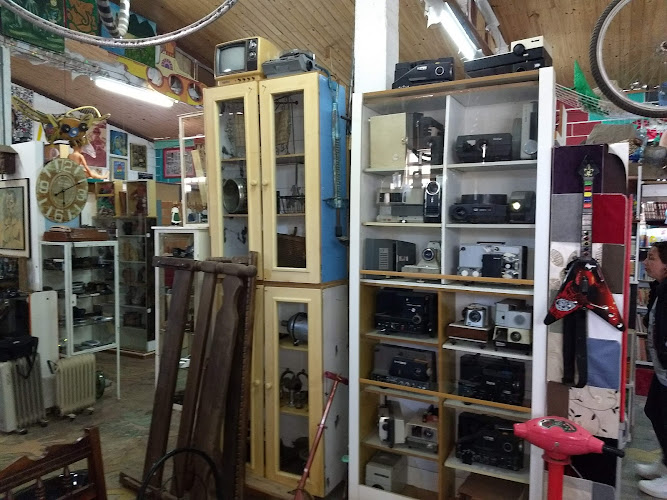
- Art installations created entirely from reclaimed materials, proving that trash can indeed become treasure with creativity and effort
- Complete wheelchair accessibility throughout the facility, including entrances, restrooms, and parking areas, ensuring everyone can participate fully
- Clean restroom facilities maintained to standards that frankly exceed what you'd expect given the museum's subject matter
- Kid-friendly programming designed to engage younger visitors without dumbing down the important environmental messages
- Regular demonstrations showing practical ways visitors can reduce waste in their own homes and communities
Best Time to Visit
Timing your visit to the Museum of Trash can significantly impact your experience, though honestly, any time works better than you might expect for a place focused on refuse. Weekday mornings tend to offer the most peaceful browsing experience. You'll have more space to really engage with exhibits without jostling through crowds, and museum staff have more availability to answer questions or provide additional context. If you're someone who likes taking your time reading every placard and really absorbing information, definitely aim for Tuesday through Thursday mornings. Weekends bring larger crowds, particularly families with children, which creates a different but equally valid atmosphere. The energy level rises considerably, and you'll overhear more discussions and reactions that can actually enhance your own experience. Sometimes hearing a kid's unfiltered response to learning how long plastic persists in the environment adds an emotional dimension that solo contemplation doesn't quite capture. School groups frequently visit during weekday afternoons, especially during the academic year. This can mean packed exhibit halls and elevated noise levels. Some travelers enjoy the bustling educational environment, while others find it distracting. Know yourself and plan accordingly. Weather doesn't impact the visit much since you're indoors, but rainy days predictably draw more visitors seeking indoor activities. Similarly, extreme heat or cold sends people looking for climate-controlled entertainment options. Special events and workshops occasionally take place—these can either enhance your visit with unique programming or crowd the space depending on your perspective. Check ahead if you're particular about having an uncrowded experience versus wanting extra educational opportunities. Early in your trip works well for this museum because the information you absorb might actually influence your behavior for the rest of your travels. I've found that visiting early made me more conscious about waste throughout the remainder of my journey, which felt meaningful even if it was just choosing a reusable water bottle over single-use plastic.How to Get There
Getting to the Museum of Trash typically proves easier than travelers initially expect, though specific directions depend on your starting point and preferred transportation method. For those driving, ample parking exists on-site with designated wheelchair accessible spaces located conveniently near the entrance. The parking lot surface is well-maintained, and you won't find yourself hiking across vast expanses of asphalt like at some larger attractions. Just follow standard GPS directions to the museum—most navigation apps have the location properly mapped. Public transportation users should research local bus or transit routes serving the area. While I can't provide specific route numbers without knowing your exact location, the museum's accessibility features suggest it's situated in a reasonably well-connected area. Contact local transit authorities for the most current schedule information, as routes and times change more frequently than printed guides suggest. Rideshare services like Uber and Lyft work perfectly fine for reaching the museum. Drivers generally know the location, and the entrance area provides adequate space for passenger drop-off and pickup. This option works particularly well if you're combining the museum visit with other nearby attractions on the same day. Cyclists will find the journey manageable depending on distance and local infrastructure. Check whether bike racks or secure parking exists if you're planning to pedal there—most environmentally-focused facilities accommodate cyclists, but confirming beforehand prevents frustration. Walking becomes viable if you're staying nearby, though "nearby" means different things to different people. A two-mile walk might sound pleasant to some travelers and absolutely exhausting to others. Consider your physical abilities, weather conditions, and whether you'll want to walk back after spending several hours on your feet exploring exhibits. Plan for the actual travel time to take longer than GPS estimates suggest. Traffic, parking searches, and getting oriented once you arrive always consume more minutes than anticipated. Arriving with buffer time beats rushing in flustered.Tips for Visiting
Making the most of your Museum of Trash experience requires some strategic planning and knowing what to expect from this unconventional attraction. Allocate more time than you think you'll need. Most visitors underestimate how engaging they'll find the exhibits and then feel rushed toward the end. Budget at least two hours, possibly three if you're particularly interested in environmental issues or traveling with curious children who want to try every interactive element. Wear comfortable shoes because you'll be standing and walking more than you realize. The floors are solid, and museum fatigue is real even when you're fascinated by what you're seeing. Your feet will thank you for choosing supportive footwear over fashionable but painful options. Bring or plan to purchase a reusable water bottle. Staying hydrated matters during any museum visit, and given the environmental focus here, using single-use plastic bottles feels particularly incongruous. Some visitors report feeling almost embarrassed pulling out disposable bottles in this setting, which tells you something about how effectively the exhibits communicate their message. Photography policies vary by museum, so check current rules before snapping away. Most places allow personal photography but restrict commercial use or flash that might disturb other visitors. Some exhibits photograph better than others, and honestly, experiencing the displays fully with your eyes rather than through a phone screen creates stronger memories. Restrooms are available on-site, which travelers always appreciate knowing upfront. They're maintained to standards that defy any jokes about a trash museum having questionable facilities. The accessibility accommodations extend to the restrooms, making them usable for visitors with various mobility needs. Come with an open mind but not necessarily an empty stomach. The museum doesn't have an on-site restaurant, so eat beforehand or plan for a meal afterwards. This isn't a place where you'll find cafeteria trays and overpriced sandwiches, which honestly keeps the focus on the exhibits rather than commercializing the space. Engage with museum staff when opportunities arise. They're typically passionate about waste reduction and recycling education, and their additional insights can transform your understanding of exhibits you might otherwise walk past quickly. Don't be shy about asking questions—they've heard everything and genuinely enjoy sharing knowledge. If you're visiting with children, prepare them appropriately for the experience. This isn't a playground despite being kid-friendly, and the interactive elements work best when approached with respect and curiosity rather than roughhousing energy. That said, the museum does succeed at holding children's attention better than many educational spaces. Consider how this visit might influence your other travel choices. Learning about waste impact often sparks immediate behavior changes. You might suddenly notice recycling bins in your hotel or think twice about accepting excessive packaging. Let that awareness enhance your trip rather than stressing about perfection—nobody expects you to become a zero-waste traveler overnight. Take advantage of the accessible features if they benefit you or your travel companions. The comprehensive wheelchair accessibility isn't just a checkbox here—it's been thoughtfully implemented throughout the space, which unfortunately isn't always the case even at newer facilities. Finally, don't dismiss this museum because of its unusual focus. Travelers consistently report being surprised by how much they enjoyed and learned from their visit, often rating it as an unexpected highlight of their trip. Sometimes the most memorable travel experiences come from places that sound strange on paper but prove genuinely worthwhile in person.Key Features
- Art installations made from locally collected waste
- Educational exhibits on recycling and coastal pollution
- Community-driven origin and volunteer programs
- Intimate, walkable exhibition space near Itacorubi
- Rotating exhibits and occasional workshops or talks
More Details
Updated January 18, 2026
Table of Contents
Description
The Museum of Trash represents one of those unexpected travel experiences that catches you completely off guard in the best possible way. This isn’t your typical stuffy museum with roped-off exhibits and hushed voices echoing through marble halls. Instead, visitors encounter a thought-provoking space dedicated entirely to what most people throw away without a second thought—garbage, refuse, waste, whatever you want to call it.
What makes this place genuinely fascinating is how it transforms ordinary trash into extraordinary stories about human consumption, environmental impact, and the circular economy. You’ll find yourself staring at items you’ve tossed in the bin countless times, suddenly seeing them through an entirely different lens. The museum challenges visitors to confront their relationship with waste in a way that’s educational without being preachy, which is honestly refreshing given how heavy-handed some environmental messaging can feel these days.
The exhibits showcase various aspects of recycling, waste management, and sustainability through interactive displays and real-world examples that make abstract concepts tangible. And here’s the thing—it actually works. People leave this place talking about their recycling habits and genuinely reconsidering their daily choices, which is pretty remarkable for a museum centered around garbage.
Families find particular value here because the museum manages to make waste education engaging for younger audiences. Kids get excited about topics they’d normally tune out in a classroom setting, and parents appreciate finding an attraction that combines entertainment with real-world learning. But don’t mistake this for just a children’s museum; adults regularly report being surprised by how much they learned and how the experience shifted their perspective on consumption.
Key Features
The Museum of Trash offers several distinctive elements that set it apart from traditional museum experiences:
- Interactive exhibits demonstrating the lifecycle of common household items from production through disposal and potential recycling
- Hands-on sorting stations where visitors can practice proper waste separation techniques and learn why contamination matters in recycling streams
- Visual displays showing the decomposition timeline of various materials—you’d be shocked how long some everyday items persist in landfills
- Real recycling equipment and machinery that visitors can observe in operation, providing insight into the industrial processes behind waste management
- Educational programs explaining what actually happens to items placed in recycling bins versus what many people assume happens
- Art installations created entirely from reclaimed materials, proving that trash can indeed become treasure with creativity and effort
- Complete wheelchair accessibility throughout the facility, including entrances, restrooms, and parking areas, ensuring everyone can participate fully
- Clean restroom facilities maintained to standards that frankly exceed what you’d expect given the museum’s subject matter
- Kid-friendly programming designed to engage younger visitors without dumbing down the important environmental messages
- Regular demonstrations showing practical ways visitors can reduce waste in their own homes and communities
Best Time to Visit
Timing your visit to the Museum of Trash can significantly impact your experience, though honestly, any time works better than you might expect for a place focused on refuse.
Weekday mornings tend to offer the most peaceful browsing experience. You’ll have more space to really engage with exhibits without jostling through crowds, and museum staff have more availability to answer questions or provide additional context. If you’re someone who likes taking your time reading every placard and really absorbing information, definitely aim for Tuesday through Thursday mornings.
Weekends bring larger crowds, particularly families with children, which creates a different but equally valid atmosphere. The energy level rises considerably, and you’ll overhear more discussions and reactions that can actually enhance your own experience. Sometimes hearing a kid’s unfiltered response to learning how long plastic persists in the environment adds an emotional dimension that solo contemplation doesn’t quite capture.
School groups frequently visit during weekday afternoons, especially during the academic year. This can mean packed exhibit halls and elevated noise levels. Some travelers enjoy the bustling educational environment, while others find it distracting. Know yourself and plan accordingly.
Weather doesn’t impact the visit much since you’re indoors, but rainy days predictably draw more visitors seeking indoor activities. Similarly, extreme heat or cold sends people looking for climate-controlled entertainment options.
Special events and workshops occasionally take place—these can either enhance your visit with unique programming or crowd the space depending on your perspective. Check ahead if you’re particular about having an uncrowded experience versus wanting extra educational opportunities.
Early in your trip works well for this museum because the information you absorb might actually influence your behavior for the rest of your travels. I’ve found that visiting early made me more conscious about waste throughout the remainder of my journey, which felt meaningful even if it was just choosing a reusable water bottle over single-use plastic.
How to Get There
Getting to the Museum of Trash typically proves easier than travelers initially expect, though specific directions depend on your starting point and preferred transportation method.
For those driving, ample parking exists on-site with designated wheelchair accessible spaces located conveniently near the entrance. The parking lot surface is well-maintained, and you won’t find yourself hiking across vast expanses of asphalt like at some larger attractions. Just follow standard GPS directions to the museum—most navigation apps have the location properly mapped.
Public transportation users should research local bus or transit routes serving the area. While I can’t provide specific route numbers without knowing your exact location, the museum’s accessibility features suggest it’s situated in a reasonably well-connected area. Contact local transit authorities for the most current schedule information, as routes and times change more frequently than printed guides suggest.
Rideshare services like Uber and Lyft work perfectly fine for reaching the museum. Drivers generally know the location, and the entrance area provides adequate space for passenger drop-off and pickup. This option works particularly well if you’re combining the museum visit with other nearby attractions on the same day.
Cyclists will find the journey manageable depending on distance and local infrastructure. Check whether bike racks or secure parking exists if you’re planning to pedal there—most environmentally-focused facilities accommodate cyclists, but confirming beforehand prevents frustration.
Walking becomes viable if you’re staying nearby, though “nearby” means different things to different people. A two-mile walk might sound pleasant to some travelers and absolutely exhausting to others. Consider your physical abilities, weather conditions, and whether you’ll want to walk back after spending several hours on your feet exploring exhibits.
Plan for the actual travel time to take longer than GPS estimates suggest. Traffic, parking searches, and getting oriented once you arrive always consume more minutes than anticipated. Arriving with buffer time beats rushing in flustered.
Tips for Visiting
Making the most of your Museum of Trash experience requires some strategic planning and knowing what to expect from this unconventional attraction.
Allocate more time than you think you’ll need. Most visitors underestimate how engaging they’ll find the exhibits and then feel rushed toward the end. Budget at least two hours, possibly three if you’re particularly interested in environmental issues or traveling with curious children who want to try every interactive element.
Wear comfortable shoes because you’ll be standing and walking more than you realize. The floors are solid, and museum fatigue is real even when you’re fascinated by what you’re seeing. Your feet will thank you for choosing supportive footwear over fashionable but painful options.
Bring or plan to purchase a reusable water bottle. Staying hydrated matters during any museum visit, and given the environmental focus here, using single-use plastic bottles feels particularly incongruous. Some visitors report feeling almost embarrassed pulling out disposable bottles in this setting, which tells you something about how effectively the exhibits communicate their message.
Photography policies vary by museum, so check current rules before snapping away. Most places allow personal photography but restrict commercial use or flash that might disturb other visitors. Some exhibits photograph better than others, and honestly, experiencing the displays fully with your eyes rather than through a phone screen creates stronger memories.
Restrooms are available on-site, which travelers always appreciate knowing upfront. They’re maintained to standards that defy any jokes about a trash museum having questionable facilities. The accessibility accommodations extend to the restrooms, making them usable for visitors with various mobility needs.
Come with an open mind but not necessarily an empty stomach. The museum doesn’t have an on-site restaurant, so eat beforehand or plan for a meal afterwards. This isn’t a place where you’ll find cafeteria trays and overpriced sandwiches, which honestly keeps the focus on the exhibits rather than commercializing the space.
Engage with museum staff when opportunities arise. They’re typically passionate about waste reduction and recycling education, and their additional insights can transform your understanding of exhibits you might otherwise walk past quickly. Don’t be shy about asking questions—they’ve heard everything and genuinely enjoy sharing knowledge.
If you’re visiting with children, prepare them appropriately for the experience. This isn’t a playground despite being kid-friendly, and the interactive elements work best when approached with respect and curiosity rather than roughhousing energy. That said, the museum does succeed at holding children’s attention better than many educational spaces.
Consider how this visit might influence your other travel choices. Learning about waste impact often sparks immediate behavior changes. You might suddenly notice recycling bins in your hotel or think twice about accepting excessive packaging. Let that awareness enhance your trip rather than stressing about perfection—nobody expects you to become a zero-waste traveler overnight.
Take advantage of the accessible features if they benefit you or your travel companions. The comprehensive wheelchair accessibility isn’t just a checkbox here—it’s been thoughtfully implemented throughout the space, which unfortunately isn’t always the case even at newer facilities.
Finally, don’t dismiss this museum because of its unusual focus. Travelers consistently report being surprised by how much they enjoyed and learned from their visit, often rating it as an unexpected highlight of their trip. Sometimes the most memorable travel experiences come from places that sound strange on paper but prove genuinely worthwhile in person.
Key Highlights
- Art installations made from locally collected waste
- Educational exhibits on recycling and coastal pollution
- Community-driven origin and volunteer programs
- Intimate, walkable exhibition space near Itacorubi
- Rotating exhibits and occasional workshops or talks
Location
Places to Stay Near Museum of Trash
Find and Book a Tour
Explore More Travel Guides
No reviews found! Be the first to review!
Traveler Reviews for Museum of Trash
There are no reviews yet. Be the first one to write one.
Have you visited Museum of Trash? Help other travelers by sharing your review.
Nearby Attractions
You Might Also Like

Trilha do Morro das Aranhas

Cachoeira do Bom Jesus Beach

Core Schooners - Boat Trips
Find Accommodations Nearby
Recommended Tours & Activities
Visitor Reviews
There are no reviews yet. Be the first one to write one.
Share Your Experience
Have you visited Museum of Trash? Help other travelers by leaving a review.