
Terminal rodoviário de Florianópolis
About Terminal rodoviário de Florianópolis
Description
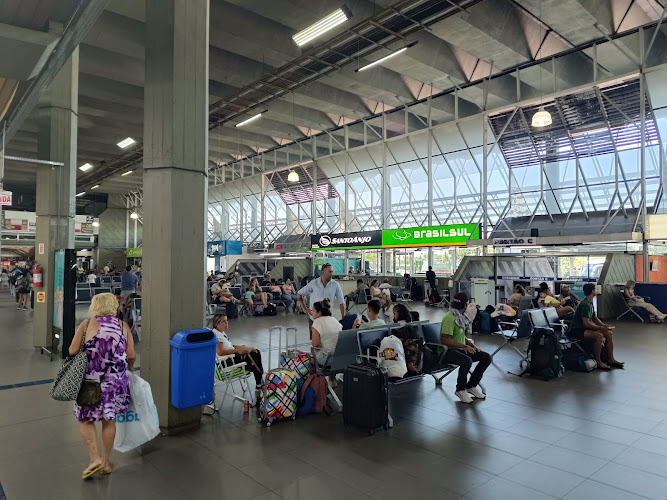
The Terminal Rodoviário de Florianópolis serves as the main bus station for Brazil's Island of Magic, connecting thousands of travelers each day to destinations throughout Santa Catarina state and beyond. This transportation hub sits as the primary gateway for those arriving by road to explore Florianópolis and its stunning beaches, colonial architecture, and unique island culture. While it might not be the most glamorous starting point for a vacation, this terminal plays an absolutely crucial role in the travel infrastructure of the region. From personal experience traveling through various Brazilian bus terminals, I can tell you that the Florianópolis station operates at a level that exceeds many expectations. The facility handles both interstate and intercity routes, making it possible to catch buses heading north to São Paulo and Curitiba or south toward Porto Alegre. And let's be honest, if you're traveling through Brazil on any kind of budget, you're probably going to become very familiar with bus terminals like this one. The station itself reflects the practical nature of Brazilian intercity travel. It's designed to move people efficiently rather than to impress with architectural flourishes. But that's exactly what travelers need—a functional space where you can figure out your connection, grab a snack, and get on your way without too much hassle. The atmosphere buzzes with that particular energy you find in transit spaces, where everyone's focused on getting somewhere else rather than lingering. What makes this terminal particularly important is its location on an island city. Florianópolis presents unique geographical challenges, and having a well-organized bus station helps solve the puzzle of how to move thousands of visitors and residents on and off the island efficiently. The terminal manages this daily dance of arrivals and departures with surprising effectiveness.Key Features
The Terminal Rodoviário de Florianópolis offers several features that make the travel experience more manageable: • Full wheelchair accessibility including entrance ramps, designated parking spaces, and adapted restroom facilities for travelers with mobility challenges • Clean and maintained restroom facilities available throughout the terminal—something you really appreciate after a long bus journey • Paid parking lot with reasonable rates for those who need to leave vehicles while traveling or for people picking up arriving passengers • Multiple ticket counters representing different bus companies serving various routes across southern Brazil • Food vendors and small shops where travelers can purchase snacks, drinks, and basic travel necessities • Waiting areas with seating, though they can fill up quickly during peak travel periods • Information desks staffed with attendants who can help navigate route options and schedules • Security presence throughout the facility providing a sense of safety for travelers with luggage • Clear signage in Portuguese directing passengers to different platforms and services • Storage lockers available for short-term luggage storage if you need to explore the city before your departureBest Time to Visit
Now, saying there's a "best time to visit" a bus terminal sounds a bit odd, doesn't it? But the timing of your arrival or departure from the Terminal Rodoviário de Florianópolis genuinely affects your experience. Understanding the flow and patterns of this transportation hub can save you considerable stress. The terminal sees its heaviest traffic during Brazilian holiday periods, particularly during summer months from December through February. If you're traveling during Carnaval or the weeks between Christmas and New Year, expect the station to be absolutely packed. I remember once trying to navigate through a Brazilian bus terminal during a holiday weekend, and it felt like the entire population of the country had decided to travel simultaneously. Booking tickets in advance becomes essential during these periods rather than just recommended. Early morning departures, typically between 6 AM and 9 AM, create another rush period. Bus companies schedule many long-distance routes to depart early, allowing passengers to arrive at their destinations by evening. If you're catching a morning bus, arrive at least 30 to 40 minutes before departure to account for crowds at ticket counters and to locate your correct platform. Late evening hours bring a quieter atmosphere to the terminal. If you're arriving on a night bus—which is common for longer routes—you'll find the station much calmer after 10 PM. However, this also means fewer food vendors operating and potentially longer waits for onward connections or transportation into the city. Weekends generally see more traffic than weekdays, as locals travel for leisure and to visit family throughout the region. Friday evenings and Sunday afternoons represent particularly busy periods as people travel for weekends away. Tuesday through Thursday mornings often provide the smoothest experience with shorter lines and less crowded waiting areas. The shoulder seasons of April to June and August to November offer advantages for travelers passing through. The terminal remains busy but manageable, and you're more likely to find last-minute tickets for popular routes without everything being sold out.How to Get There
Getting to the Terminal Rodoviário de Florianópolis requires some planning, especially if you're unfamiliar with the city's layout. The terminal sits on the mainland portion of Florianópolis, which surprises some visitors who assume everything in the city occupies the island itself. Public buses provide the most economical option for reaching the terminal. The local bus system includes several routes that stop at or near the rodoviária. Look for buses marked with "TICEN" or "TITRI" which connect the terminal to various neighborhoods and the city center. The fare remains quite affordable, though buses can become crowded during rush hours. And I'll warn you—Brazilian bus drivers have a reputation for aggressive acceleration and braking, so hold on tight. Taxis offer a more comfortable but pricier alternative. Licensed taxis queue outside the terminal and can take you anywhere in the metropolitan area. Make sure the driver turns on the meter or agree on a fixed price before departing. From the beach areas of the island like Canasvieiras or Ingleses, expect a 30 to 45-minute ride depending on traffic. Ride-sharing services like Uber and 99 operate throughout Florianópolis and provide reliable service to the terminal. These apps often offer better value than traditional taxis and eliminate concerns about being overcharged. The pickup area for ride-sharing vehicles is clearly marked at the terminal. If you're driving yourself, follow signs for the terminal as you cross from the island to the mainland. The paid parking lot accommodates both short-term pickups and longer-term parking for travelers leaving vehicles while they journey elsewhere. Rates vary depending on duration, but they're generally reasonable compared to airport parking. For those staying in central Florianópolis, the terminal lies within a manageable distance that some travelers choose to cover by taxi or ride-share rather than wrestling with public buses while carrying luggage.Tips for Visiting
Having passed through numerous Brazilian bus terminals over the years, I've learned some lessons that make these experiences much smoother. The Terminal Rodoviário de Florianópolis follows many of the same unwritten rules as other stations, but it has its own quirks too. Always arrive earlier than you think necessary. I know it sounds like typical travel advice, but Brazilian bus stations can throw unexpected challenges your way. Your bus might depart from a platform on the opposite end of the terminal, or you might encounter a longer-than-expected line at the ticket counter. Giving yourself extra time eliminates stress and prevents that heart-pounding sprint to catch your bus. Keep your valuables secure and maintain awareness of your surroundings. Bus terminals everywhere attract opportunistic thieves, and this one is no exception. Wear your backpack on your front in crowded areas, keep your phone in a secure pocket, and never leave luggage unattended. It's not that the terminal is particularly dangerous, but why take unnecessary risks? Bring some cash in small bills. While many ticket counters accept cards, food vendors and bathroom attendants sometimes prefer cash. Having exact change makes transactions smoother and faster. Don't expect much English language support. This isn't a major international airport, and most signage and announcements are exclusively in Portuguese. If you don't speak the language, consider writing down key phrases or having a translation app ready on your phone. People working at the terminal generally try to help foreign visitors, but language barriers definitely exist. The food situation requires realistic expectations. You'll find snack bars and vendors selling sandwiches, pastries, coffee, and soft drinks, but don't expect gourmet dining. The quality is acceptable for basic fuel, though I'd recommend eating a proper meal before arriving if you're hungry. That said, Brazilian pão de queijo (cheese bread) from terminal vendors can be surprisingly delicious. Check your bus company and platform carefully. Multiple companies operate from the terminal, and your ticket should clearly indicate which counter and platform to use. Announcements about departures happen over the PA system, but they can be difficult to understand even for Portuguese speakers in the echoing terminal environment. Consider booking tickets online in advance when possible. Many bus companies allow online booking, which lets you compare prices, choose seats, and avoid standing in line at the terminal. This becomes especially valuable during busy periods when popular routes sell out. If you're arriving at the terminal from an overnight bus journey, give yourself a moment to get your bearings before rushing off. Use the restroom facilities, splash some water on your face, and check your onward transportation options with a clear head. The terminal gets chilly in the early morning hours, even during summer months. Brazilian buses also tend to run their air conditioning at arctic temperatures. Bringing a light jacket or sweater makes the experience much more comfortable. For travelers continuing to beach destinations on the island, remember that the terminal sits on the mainland. You'll need to factor in additional travel time to reach places like Lagoa da Conceição or Praia Mole. Don't assume you can arrive at the terminal and be at the beach within 15 minutes.Key Features
- Key Features
- Best Time to Visit
- How to Get There
- Tips for Visiting
More Details
Updated January 18, 2026
Table of Contents
- Description
- Key Features
- Best Time to Visit
- How to Get There
- Tips for Visiting
- Key Highlights
- Location
- Places to Stay Near Terminal rodoviário de Florianópolis
- Find and Book a Tour
- Explore More Travel Guides
- Nearby Places You Might Like
- Traveler Reviews for Terminal rodoviário de Florianópolis
- Share Your Experience
Description
The Terminal Rodoviário de Florianópolis serves as the main bus station for Brazil’s Island of Magic, connecting thousands of travelers each day to destinations throughout Santa Catarina state and beyond. This transportation hub sits as the primary gateway for those arriving by road to explore Florianópolis and its stunning beaches, colonial architecture, and unique island culture. While it might not be the most glamorous starting point for a vacation, this terminal plays an absolutely crucial role in the travel infrastructure of the region.
From personal experience traveling through various Brazilian bus terminals, I can tell you that the Florianópolis station operates at a level that exceeds many expectations. The facility handles both interstate and intercity routes, making it possible to catch buses heading north to São Paulo and Curitiba or south toward Porto Alegre. And let’s be honest, if you’re traveling through Brazil on any kind of budget, you’re probably going to become very familiar with bus terminals like this one.
The station itself reflects the practical nature of Brazilian intercity travel. It’s designed to move people efficiently rather than to impress with architectural flourishes. But that’s exactly what travelers need—a functional space where you can figure out your connection, grab a snack, and get on your way without too much hassle. The atmosphere buzzes with that particular energy you find in transit spaces, where everyone’s focused on getting somewhere else rather than lingering.
What makes this terminal particularly important is its location on an island city. Florianópolis presents unique geographical challenges, and having a well-organized bus station helps solve the puzzle of how to move thousands of visitors and residents on and off the island efficiently. The terminal manages this daily dance of arrivals and departures with surprising effectiveness.
Key Features
The Terminal Rodoviário de Florianópolis offers several features that make the travel experience more manageable:
• Full wheelchair accessibility including entrance ramps, designated parking spaces, and adapted restroom facilities for travelers with mobility challenges
• Clean and maintained restroom facilities available throughout the terminal—something you really appreciate after a long bus journey
• Paid parking lot with reasonable rates for those who need to leave vehicles while traveling or for people picking up arriving passengers
• Multiple ticket counters representing different bus companies serving various routes across southern Brazil
• Food vendors and small shops where travelers can purchase snacks, drinks, and basic travel necessities
• Waiting areas with seating, though they can fill up quickly during peak travel periods
• Information desks staffed with attendants who can help navigate route options and schedules
• Security presence throughout the facility providing a sense of safety for travelers with luggage
• Clear signage in Portuguese directing passengers to different platforms and services
• Storage lockers available for short-term luggage storage if you need to explore the city before your departure
Best Time to Visit
Now, saying there’s a “best time to visit” a bus terminal sounds a bit odd, doesn’t it? But the timing of your arrival or departure from the Terminal Rodoviário de Florianópolis genuinely affects your experience. Understanding the flow and patterns of this transportation hub can save you considerable stress.
The terminal sees its heaviest traffic during Brazilian holiday periods, particularly during summer months from December through February. If you’re traveling during Carnaval or the weeks between Christmas and New Year, expect the station to be absolutely packed. I remember once trying to navigate through a Brazilian bus terminal during a holiday weekend, and it felt like the entire population of the country had decided to travel simultaneously. Booking tickets in advance becomes essential during these periods rather than just recommended.
Early morning departures, typically between 6 AM and 9 AM, create another rush period. Bus companies schedule many long-distance routes to depart early, allowing passengers to arrive at their destinations by evening. If you’re catching a morning bus, arrive at least 30 to 40 minutes before departure to account for crowds at ticket counters and to locate your correct platform.
Late evening hours bring a quieter atmosphere to the terminal. If you’re arriving on a night bus—which is common for longer routes—you’ll find the station much calmer after 10 PM. However, this also means fewer food vendors operating and potentially longer waits for onward connections or transportation into the city.
Weekends generally see more traffic than weekdays, as locals travel for leisure and to visit family throughout the region. Friday evenings and Sunday afternoons represent particularly busy periods as people travel for weekends away. Tuesday through Thursday mornings often provide the smoothest experience with shorter lines and less crowded waiting areas.
The shoulder seasons of April to June and August to November offer advantages for travelers passing through. The terminal remains busy but manageable, and you’re more likely to find last-minute tickets for popular routes without everything being sold out.
How to Get There
Getting to the Terminal Rodoviário de Florianópolis requires some planning, especially if you’re unfamiliar with the city’s layout. The terminal sits on the mainland portion of Florianópolis, which surprises some visitors who assume everything in the city occupies the island itself.
Public buses provide the most economical option for reaching the terminal. The local bus system includes several routes that stop at or near the rodoviária. Look for buses marked with “TICEN” or “TITRI” which connect the terminal to various neighborhoods and the city center. The fare remains quite affordable, though buses can become crowded during rush hours. And I’ll warn you—Brazilian bus drivers have a reputation for aggressive acceleration and braking, so hold on tight.
Taxis offer a more comfortable but pricier alternative. Licensed taxis queue outside the terminal and can take you anywhere in the metropolitan area. Make sure the driver turns on the meter or agree on a fixed price before departing. From the beach areas of the island like Canasvieiras or Ingleses, expect a 30 to 45-minute ride depending on traffic.
Ride-sharing services like Uber and 99 operate throughout Florianópolis and provide reliable service to the terminal. These apps often offer better value than traditional taxis and eliminate concerns about being overcharged. The pickup area for ride-sharing vehicles is clearly marked at the terminal.
If you’re driving yourself, follow signs for the terminal as you cross from the island to the mainland. The paid parking lot accommodates both short-term pickups and longer-term parking for travelers leaving vehicles while they journey elsewhere. Rates vary depending on duration, but they’re generally reasonable compared to airport parking.
For those staying in central Florianópolis, the terminal lies within a manageable distance that some travelers choose to cover by taxi or ride-share rather than wrestling with public buses while carrying luggage.
Tips for Visiting
Having passed through numerous Brazilian bus terminals over the years, I’ve learned some lessons that make these experiences much smoother. The Terminal Rodoviário de Florianópolis follows many of the same unwritten rules as other stations, but it has its own quirks too.
Always arrive earlier than you think necessary. I know it sounds like typical travel advice, but Brazilian bus stations can throw unexpected challenges your way. Your bus might depart from a platform on the opposite end of the terminal, or you might encounter a longer-than-expected line at the ticket counter. Giving yourself extra time eliminates stress and prevents that heart-pounding sprint to catch your bus.
Keep your valuables secure and maintain awareness of your surroundings. Bus terminals everywhere attract opportunistic thieves, and this one is no exception. Wear your backpack on your front in crowded areas, keep your phone in a secure pocket, and never leave luggage unattended. It’s not that the terminal is particularly dangerous, but why take unnecessary risks?
Bring some cash in small bills. While many ticket counters accept cards, food vendors and bathroom attendants sometimes prefer cash. Having exact change makes transactions smoother and faster.
Don’t expect much English language support. This isn’t a major international airport, and most signage and announcements are exclusively in Portuguese. If you don’t speak the language, consider writing down key phrases or having a translation app ready on your phone. People working at the terminal generally try to help foreign visitors, but language barriers definitely exist.
The food situation requires realistic expectations. You’ll find snack bars and vendors selling sandwiches, pastries, coffee, and soft drinks, but don’t expect gourmet dining. The quality is acceptable for basic fuel, though I’d recommend eating a proper meal before arriving if you’re hungry. That said, Brazilian pão de queijo (cheese bread) from terminal vendors can be surprisingly delicious.
Check your bus company and platform carefully. Multiple companies operate from the terminal, and your ticket should clearly indicate which counter and platform to use. Announcements about departures happen over the PA system, but they can be difficult to understand even for Portuguese speakers in the echoing terminal environment.
Consider booking tickets online in advance when possible. Many bus companies allow online booking, which lets you compare prices, choose seats, and avoid standing in line at the terminal. This becomes especially valuable during busy periods when popular routes sell out.
If you’re arriving at the terminal from an overnight bus journey, give yourself a moment to get your bearings before rushing off. Use the restroom facilities, splash some water on your face, and check your onward transportation options with a clear head.
The terminal gets chilly in the early morning hours, even during summer months. Brazilian buses also tend to run their air conditioning at arctic temperatures. Bringing a light jacket or sweater makes the experience much more comfortable.
For travelers continuing to beach destinations on the island, remember that the terminal sits on the mainland. You’ll need to factor in additional travel time to reach places like Lagoa da Conceição or Praia Mole. Don’t assume you can arrive at the terminal and be at the beach within 15 minutes.
Key Highlights
- Key Features
- Best Time to Visit
- How to Get There
- Tips for Visiting
Location
Places to Stay Near Terminal rodoviário de Florianópolis
Find and Book a Tour
Explore More Travel Guides
No reviews found! Be the first to review!
Traveler Reviews for Terminal rodoviário de Florianópolis
There are no reviews yet. Be the first one to write one.
Have you visited Terminal rodoviário de Florianópolis? Help other travelers by sharing your review.
You Might Also Like

Mirante do Morro da Cruz
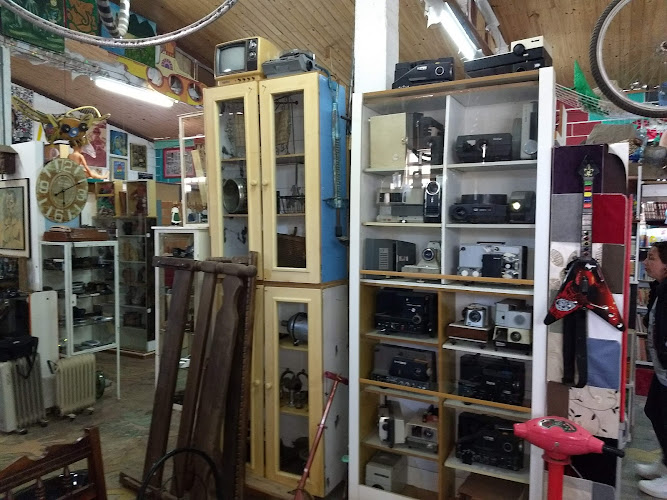
Museum of Trash
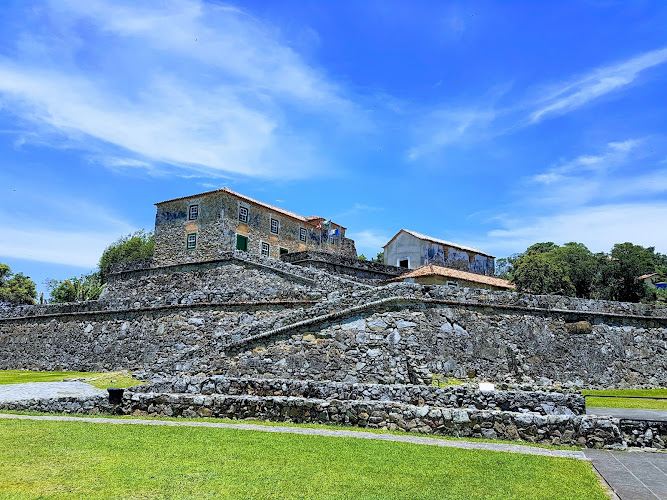
São José da Ponta Grossa Fortress
Find Accommodations Nearby
Recommended Tours & Activities
Visitor Reviews
There are no reviews yet. Be the first one to write one.
Share Your Experience
Have you visited Terminal rodoviário de Florianópolis? Help other travelers by leaving a review.