
Museu de Folclore Edison Carneiro
About Museu de Folclore Edison Carneiro
The Museu de Folclore Edison Carneiro is an anthropology museum in the Catete neighborhood of Rio de Janeiro, Brazil, dedicated to Brazilian folk art and cultural heritage.
What to Expect
You will find a permanent collection of approximately 17,000 objects. The collection includes Candomblé costumes, ceramic figurines, and religious costumes used in festivals. Many pieces originate from the Northeast region of Brazil. The museum also features a folklore library and a shop that sells handicrafts, books, and folk music. The long-term exhibition "Os objetos e suas narrativas" (The Objects and Their Narratives) is a central feature, though it may be closed for renovation. The museum is named after the prominent Brazilian anthropologist Edison Carneiro.
Practical Information
The address is R. do Catete, 179 - Glória, Rio de Janeiro - RJ, 22220-000, Brazil. The museum was founded in 1968. It holds a high user rating of 4.7 out of 5.
History & Significance
The museum was created in 1968 to preserve and present Brazilian folk traditions. It has grown from an initial collection into a major institution housing thousands of artifacts that represent diverse techniques and origins from across the country.
More Details
Updated April 5, 2026
The Museu de Folclore Edison Carneiro is an anthropology museum in the Catete neighborhood of Rio de Janeiro, Brazil, dedicated to Brazilian folk art and cultural heritage.
Table of Contents
- What to Expect
- Practical Information
- History & Significance
- Location
- Places to Stay Near Museu de Folclore Edison Carneiro
- Find and Book a Tour
- Explore More Travel Guides
- Key Takeaways
- About Museu de Folclore Edison Carneiro
- History and Significance
- What Makes It Special
- What to See and Do
- Main Attractions and Highlights
- Best Time to Visit
- Visitor Information
- Location and How to Get There
- Tips for Visitors
- Nearby Places You Might Like
- Traveler Reviews for Museu de Folclore Edison Carneiro
- Share Your Experience
What to Expect
You will find a permanent collection of approximately 17,000 objects. The collection includes Candomblé costumes, ceramic figurines, and religious costumes used in festivals. Many pieces originate from the Northeast region of Brazil. The museum also features a folklore library and a shop that sells handicrafts, books, and folk music. The long-term exhibition “Os objetos e suas narrativas” (The Objects and Their Narratives) is a central feature, though it may be closed for renovation. The museum is named after the prominent Brazilian anthropologist Edison Carneiro.
Practical Information
The address is R. do Catete, 179 – Glória, Rio de Janeiro – RJ, 22220-000, Brazil. The museum was founded in 1968. It holds a high user rating of 4.7 out of 5.
History & Significance
The museum was created in 1968 to preserve and present Brazilian folk traditions. It has grown from an initial collection into a major institution housing thousands of artifacts that represent diverse techniques and origins from across the country.
Location
Places to Stay Near Museu de Folclore Edison Carneiro
Find and Book a Tour
Explore More Travel Guides
No reviews found! Be the first to review!
The Museu de Folclore Edison Carneiro in Rio de Janeiro’s Catete neighborhood is a real treasure trove—over 17,000 objects packed into a space that feels more like a celebration than a gallery. If you’re even a little curious about Brazil’s folk art and cultural traditions, this is your spot.
Founded in 1968 as part of the National Center of Folklore and Popular Culture, the museum’s shelves and walls are stacked with clay figures, textiles, religious artifacts, and traditional crafts. It’s a deep dive into the country’s wild, colorful heritage—one that’s easy to miss if you stick to the usual tourist haunts.
This place is tucked away from the sunburned crowds and boardwalks, so you’ll actually get to breathe and take it all in. In the galleries, you’ll find everything from vibrant ceramics to intricate handmade lace, each piece carrying its own story about Brazil’s patchwork of cultures.
You get a real sense of the country’s regional diversity here. If you’re the type who loves snapping photos of unique finds, you’ll have a field day.
Guided tours are an option, but honestly, wandering solo lets you soak up the atmosphere at your own pace. The building itself is part of Catete’s old-world charm—a neighborhood most tourists just breeze past.
Key Takeaways
- Over 17,000 folk art objects from all corners of Brazil fill the permanent collection.
- Nestled in Catete, it’s a genuine cultural experience far from Rio’s usual beachy distractions.
- You’ll see traditional crafts, religious pieces, and regional art that really get at the heart of Brazilian heritage.
About Museu de Folclore Edison Carneiro
The museum opened its doors in 1968, right in the middle of Catete, and now houses an astonishing 17,000 objects that document Brazilian folk traditions. It’s part of the National Folklore and Popular Culture Centre, officially under Brazil’s federal heritage institute.
History and Significance
Born out of Brazil’s folklore movement in the 1960s, the museum honors Edison Carneiro—a folklorist and anthropologist who pushed for Afro-Brazilian cultural studies. The place started as an effort by intellectuals to save traditions that were vanishing fast.
You’ll find the museum inside two late 19th-century mansions, right next to the Palácio da República. That’s a slice of Rio’s history you don’t get on the postcards.
What began as a modest collection eventually grew into Brazil’s main folk art museum. It’s more than just a display—this place is a living, breathing part of the National Folklore and Popular Culture Centre.
What Makes It Special
The permanent exhibition, “Os objetos e suas narrativas” (The Objects and Their Narratives), guides you through ceramics, textiles, woodwork, and metalwork. Each object reveals how different Brazilian communities live, create, and celebrate.
You’ll spot everything from northeastern clay figurines to indigenous fiber work. The museum keeps three climate-controlled storage areas, sorting pieces by material—clay and metal in one, paintings and textiles in another, wood and fiber in the third.
That level of care? Honestly, it’s impressive. It’s not just about showing off old stuff—they’re serious about preserving it.
The Galeria Mestre Vitalino is where things get interesting. Rotating exhibitions here dig into specific folk traditions, and you’ll see work by both famous and unknown craftspeople. That’s the beauty of Brazilian folk art—it’s all about the collective, not just the individual.
What to See and Do
The collection is massive—over 17,000 objects representing Brazil’s wild range of folk traditions. The Galeria Mestre Vitalino always has something new, and the main exhibition, “Os objetos e suas narrativas,” is a must.
This place gives you a peek into Brazilian cultural practices that most tourists overlook.
Main Attractions and Highlights
The permanent collection is a feast: intricate ceramics, religious artifacts, and traditional crafts from all over Brazil. You’ll stumble across cordel literature (those quirky illustrated pamphlets), handmade textiles, and ceremonial objects that reflect Indigenous, African, and European influences.
The Galeria Mestre Vitalino hosts temporary exhibitions that change throughout the year. Sometimes it’s carnival, sometimes rural crafts—there’s always something surprising. And you’ll see pieces from master artisans you probably won’t find anywhere else in Rio.
Researchers can arrange to study objects in the technical reserves—though that’s by appointment only. The building itself is worth a look, sitting as it does in Catete’s historic core, near the Palácio da República.
After your visit, wander the neighborhood. Catete’s got a local vibe, with cozy cafes and street corners that feel very much “real Rio.”
Best Time to Visit
If you can, swing by on a weekday morning. You’ll have the place almost to yourself, which makes a world of difference.
Check the current opening hours before you go—sometimes exhibitions close for renovations. Catete is pleasant year-round, but if you’re sensitive to heat, Rio’s summer (December through March) can get sticky.
Give yourself at least 90 minutes, maybe two hours, to see everything at a comfortable pace. It’s easy to combine with other Catete sights or a stroll through the Palácio do Catete gardens.
Visitor Information
You’ll find the museum at R. do Catete, 179, right in the heart of the Catete neighborhood. Double-check the hours before heading over, since they can change.
Location and How to Get There
Catete’s a charming, residential part of Rio, sandwiched between Flamengo and Laranjeiras. The museum is part of the Centro Nacional de Folclore e Cultura Popular, in a distinctive old complex that’s hard to miss once you’re on the right block.
The metro is hands-down the easiest way. Hop off at Catete station (Line 1, orange), and you’re practically there—just a short walk. No need to mess with traffic or confusing bus routes.
If you’re taking a taxi or ride-share, just say “Museu de Folclore no Catete.” Locals know it. Street parking exists, but fills up fast, especially on weekdays.
Tips for Visitors
Before you go, it’s smart to call ahead at +55 21 3032-6052 to double-check their hours. Sometimes the Museu de Folclore Edison Carneiro closes for special exhibitions or a bit of maintenance—nothing worse than showing up to locked doors, right?
Lately, their main long-term exhibition’s been under renovation. But the Galeria Mestre Vitalino is still open, and you’ll usually find some quirky, rotating shows there.
The museum actually holds over 17,000 objects. You won’t see all of it, though—a lot stays tucked away in technical reserves.
Researchers can book an appointment to dig deeper, but for most visitors, the experience is refreshingly focused. It’s not one of those museums that tries to hit you with everything at once.
Give yourself about 90 minutes for a good look around. Afterwards, the neighborhood’s got a few laid-back cafes and restaurants if you want to keep exploring.
One last thing—if you’re into research, don’t skip the museum’s documentation library. Most people walk right by, but it’s a hidden gem for anyone who wants to dive deeper into Brazilian folk culture.
Traveler Reviews for Museu de Folclore Edison Carneiro
There are no reviews yet. Be the first one to write one.
Have you visited Museu de Folclore Edison Carneiro? Help other travelers by sharing your review.
You Might Also Like
Parque Lage
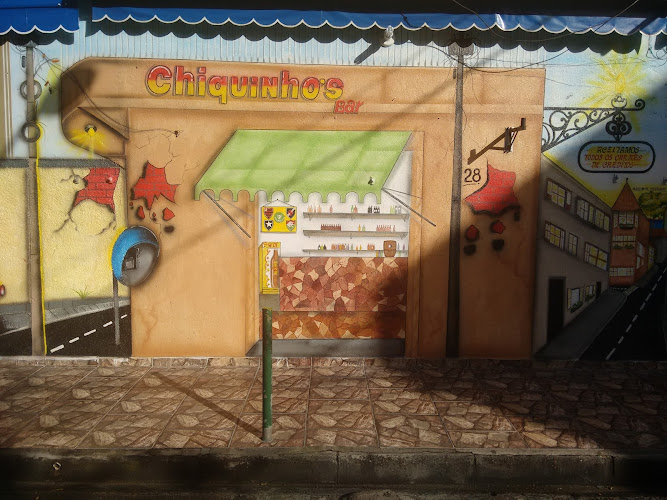
Chiquinho Bar

Tijuca National Park
Find Accommodations Nearby
Recommended Tours & Activities
Visitor Reviews
There are no reviews yet. Be the first one to write one.
Share Your Experience
Have you visited Museu de Folclore Edison Carneiro? Help other travelers by leaving a review.