
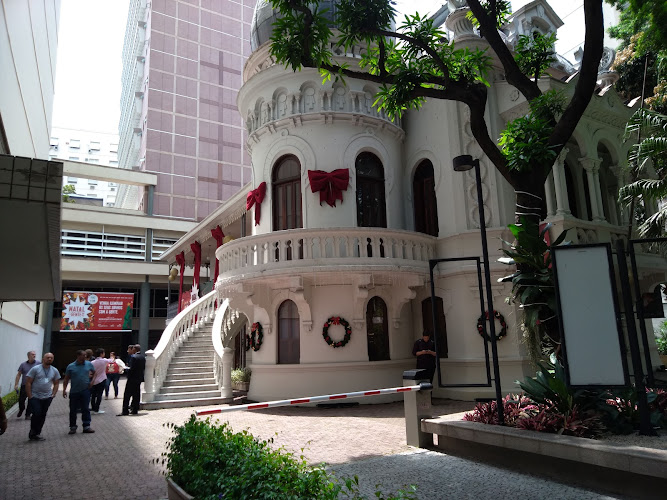
Serviço Social do Comércio-Adm Regional RJ
About Serviço Social do Comércio-Adm Regional RJ
Description
The Serviço Social do Comércio-Adm Regional RJ, commonly known as SESC Rio de Janeiro, represents one of Brazil's most unique social service institutions that travelers often overlook when planning their Rio adventures. And honestly, that's a shame because this place offers something quite different from the typical tourist experience. Started back in the mid-20th century to provide social welfare services to commerce workers and their families, this organization has evolved into a cultural and recreational powerhouse that welcomes visitors from all walks of life. I remember when I first learned about SESC from a local friend who insisted it wasn't just another administrative building or boring social services office. She was absolutely right. The regional administration in Rio de Janeiro oversees multiple centers throughout the state, each offering programs that blend culture, education, sports, and leisure activities in ways you won't find at your standard tourist attractions. These spaces have become genuine community hubs where locals and savvy travelers mix together naturally. What makes SESC Rio particularly appealing for travelers is its commitment to accessibility. The wheelchair accessible entrance isn't just a checkbox requirement – it's part of their genuine philosophy about making culture and recreation available to everyone, regardless of physical ability. This commitment extends throughout their facilities, showing that inclusivity can be both practical and welcoming. The organization manages various units across Rio de Janeiro state, from the mountains to the coast, and each location has its own personality while maintaining SESC's core mission. You'll find everything from theaters and art galleries to sports facilities and educational workshops. But it's not run like a typical tourist attraction with inflated prices and impersonal service. The atmosphere feels more authentic, more Brazilian, more real.Key Features
The SESC Rio de Janeiro regional administration coordinates an impressive network of facilities and programs that provide travelers with unexpected cultural immersion opportunities: • Multiple venue locations throughout Rio de Janeiro state, each offering distinct programming and architectural interest • World-class theater performances featuring both Brazilian and international productions at prices that won't destroy your travel budget • Art exhibitions showcasing contemporary Brazilian artists alongside historical collections that rarely make it into traditional museum spaces • Sports and recreation facilities including swimming pools, fitness centers, and outdoor activity areas that welcome visitors • Educational workshops covering everything from cooking traditional Brazilian cuisine to learning Portuguese through cultural activities • Music programming that spans samba, bossa nova, contemporary Brazilian pop, and international genres • Cinema screenings featuring Brazilian films with subtitles, providing insight into the country's rich film tradition • Dental and medical services primarily for commerce workers but reflecting SESC's broader social mission • Libraries and reading rooms offering quiet spaces away from Rio's bustling energy • Restaurants and cafeterias serving affordable, quality meals that feature regional Brazilian cuisine • Senior citizen programs that create intergenerational spaces where travelers can interact with long-time Rio residents • Children's programming that makes SESC venues family-friendly destinations often ignored in travel guides • Accessibility features throughout facilities ensuring travelers with mobility challenges can participate fullyBest Time to Visit
Timing your visit to SESC Rio facilities requires thinking a bit differently than planning trips to beaches or mountains. Since these are functioning cultural centers rather than seasonal attractions, they operate year-round with programming that changes based on Rio's cultural calendar rather than weather patterns. The cooler months from May through September often feature the most robust indoor programming. Theater seasons typically run strong during these months, and art exhibitions tend to launch major shows when Rio's cultural scene is most active. If you're interested in catching performances or attending workshops, these months offer the densest scheduling. Plus, the milder weather makes exploring different SESC locations across the city more comfortable than during the sweltering summer heat. But here's the thing – summer months from December through March bring their own advantages. The swimming pools and outdoor facilities become major draws when Rio's temperatures soar. Many locals flock to SESC centers for affordable recreation during summer vacation periods, which means you'll experience these spaces at their most energetic and socially dynamic. The atmosphere during summer weekends has this wonderful communal feeling that's distinctly Brazilian. Weekdays generally offer a calmer experience with smaller crowds, making it easier to explore facilities, use recreational amenities, and have more meaningful interactions with staff who have more time to chat. Weekends bring families and larger crowds, which can be either energizing or overwhelming depending on your travel style. Special events and festivals throughout the year make certain periods particularly worthwhile. The June festivals celebrating traditional Brazilian culture, or programming around Carnival season, showcase SESC's role in preserving and promoting Brazilian traditions. Checking their programming calendar before finalizing your Rio travel dates can help you align your visit with events that match your interests. Early evenings, particularly around 5 or 6 PM, tend to be sweet spots for visiting. The day's heat has broken, evening programs haven't fully started, and you can grab a bite at the cafeteria while watching the space transition from day to evening activities.How to Get There
Getting to SESC facilities in Rio requires a bit more local knowledge than finding Christ the Redeemer, but that's part of what makes visiting feel like an insider experience. The regional administration has multiple locations throughout Rio de Janeiro state, so your specific destination determines your route. Most SESC units in Rio are accessible via the city's metro system, which is honestly the most reliable and safest public transportation option for travelers. The metro connects to many neighborhoods where SESC facilities operate, and from metro stations, you can typically catch a short bus ride or taxi to your specific destination. Having a transportation app on your phone with the exact address helps immensely – though I should mention that GPS in Rio can sometimes be wonky in certain neighborhoods. Buses reach virtually every SESC location, but navigating Rio's bus system as a traveler can be intimidating. The buses don't always have clear route information posted, and drivers don't announce stops. If you're comfortable asking locals for help and have a spirit of adventure, buses offer an authentic Rio experience and cost just a few reais. Just keep your belongings secure and avoid bus travel late at night. Taxis and ride-sharing services like Uber and 99 work well for reaching SESC facilities, especially if you're visiting multiple locations in one day or traveling with family. The costs are reasonable by international standards, and drivers generally know the major SESC centers by name. Saying "SESC" plus the neighborhood name usually gets you where you need to go. Some SESC units have parking facilities if you've rented a car, though driving in Rio can be stressful for visitors unfamiliar with the city's traffic patterns and aggressive driving culture. But parking at SESC facilities is typically affordable and secure, which isn't always easy to find in Rio. Walking to SESC locations works great if you're staying in the same neighborhood. Many units are integrated into residential and commercial areas rather than isolated in tourist zones, which means you'll walk through real Rio neighborhoods and see daily life that tour buses bypass completely.Tips for Visiting
Visiting SESC Rio requires a slightly different mindset than hitting typical tourist attractions, and a few insider tips make the experience much smoother and more rewarding. First, understand that while SESC welcomes everyone, it primarily serves commerce workers and their families. This means you might need to show ID or register at the entrance, and some services or programs may have different pricing for members versus general visitors. Don't be put off by this – the visitor rates are still incredibly reasonable, and the registration process is straightforward. Bringing your passport and being prepared to fill out a simple form saves time. Programming schedules are your friend. SESC facilities aren't like museums where you just show up and wander. Much of what makes these spaces special happens through scheduled activities, performances, and workshops. Check online programming before visiting, or stop by the reception desk when you arrive to ask what's happening that day. Sometimes the best experiences come from stumbling into a free concert or workshop you didn't know was happening. Dress codes vary by activity. If you're using sports facilities or pools, obviously bring appropriate gear. But for general visiting, casual comfortable clothing works fine. Rio is a relaxed city fashion-wise, and SESC spaces reflect that laid-back attitude. That said, if you're attending evening theater performances, locals tend to dress up a bit, and you might feel more comfortable doing the same. The cafeterias and restaurants at SESC facilities deserve attention. They serve honest, well-prepared Brazilian food at prices that seem almost impossibly low compared to tourist restaurants. This is where you can try regional dishes in a casual setting surrounded by locals on their lunch breaks. The food isn't fancy, but it's authentic and satisfying. Portuguese language skills help tremendously but aren't essential. Staff at SESC facilities encounter fewer international visitors than hotels or beach vendors, so English proficiency varies. Having a translation app ready and being patient with communication barriers goes a long way. Most SESC employees are genuinely helpful and will work with you to figure out what you need. Photography policies vary by location and event, so ask before snapping pictures, especially during performances or in areas with children's programming. Generally, photographing architecture and public spaces is fine, but being respectful of privacy and posted rules maintains good relations. Timing matters for different activities. Swimming pools get crowded on hot weekends, libraries are quietest mid-morning on weekdays, and theaters obviously require advance ticket purchase for popular shows. Thinking about what you want to experience and planning accordingly prevents disappointment. Consider visiting multiple SESC locations during your Rio stay. Each facility has distinct character and programming, and seeing several gives you a broader sense of how this organization functions as a social and cultural network throughout the city. Making SESC visits part of your Rio routine rather than a one-time tourist stop provides deeper insight into local life. Bring cash for small purchases, though many SESC facilities now accept cards. Still, having reais on hand for cafeteria snacks, workshop fees, or small purchases avoids any payment issues. Finally, approach SESC with curiosity rather than fixed expectations. These aren't tourist attractions designed to deliver predictable experiences. They're living social spaces where unpredictable encounters and unexpected discoveries happen. That workshop you randomly join might teach you something fascinating about Brazilian culture, or the performance you stumble into could become a trip highlight. Being open to the experience rather than checking boxes makes all the difference.Key Features
- Key Features
- Best Time to Visit
- How to Get There
- Tips for Visiting
More Details
Updated January 17, 2026
Table of Contents
- Description
- Key Features
- Best Time to Visit
- How to Get There
- Tips for Visiting
- Key Highlights
- Location
- Places to Stay Near Serviço Social do Comércio-Adm Regional RJ
- Find and Book a Tour
- Explore More Travel Guides
- Nearby Places You Might Like
- Traveler Reviews for Serviço Social do Comércio-Adm Regional RJ
- Share Your Experience
Description
The Serviço Social do Comércio-Adm Regional RJ, commonly known as SESC Rio de Janeiro, represents one of Brazil’s most unique social service institutions that travelers often overlook when planning their Rio adventures. And honestly, that’s a shame because this place offers something quite different from the typical tourist experience. Started back in the mid-20th century to provide social welfare services to commerce workers and their families, this organization has evolved into a cultural and recreational powerhouse that welcomes visitors from all walks of life.
I remember when I first learned about SESC from a local friend who insisted it wasn’t just another administrative building or boring social services office. She was absolutely right. The regional administration in Rio de Janeiro oversees multiple centers throughout the state, each offering programs that blend culture, education, sports, and leisure activities in ways you won’t find at your standard tourist attractions. These spaces have become genuine community hubs where locals and savvy travelers mix together naturally.
What makes SESC Rio particularly appealing for travelers is its commitment to accessibility. The wheelchair accessible entrance isn’t just a checkbox requirement – it’s part of their genuine philosophy about making culture and recreation available to everyone, regardless of physical ability. This commitment extends throughout their facilities, showing that inclusivity can be both practical and welcoming.
The organization manages various units across Rio de Janeiro state, from the mountains to the coast, and each location has its own personality while maintaining SESC’s core mission. You’ll find everything from theaters and art galleries to sports facilities and educational workshops. But it’s not run like a typical tourist attraction with inflated prices and impersonal service. The atmosphere feels more authentic, more Brazilian, more real.
Key Features
The SESC Rio de Janeiro regional administration coordinates an impressive network of facilities and programs that provide travelers with unexpected cultural immersion opportunities:
• Multiple venue locations throughout Rio de Janeiro state, each offering distinct programming and architectural interest
• World-class theater performances featuring both Brazilian and international productions at prices that won’t destroy your travel budget
• Art exhibitions showcasing contemporary Brazilian artists alongside historical collections that rarely make it into traditional museum spaces
• Sports and recreation facilities including swimming pools, fitness centers, and outdoor activity areas that welcome visitors
• Educational workshops covering everything from cooking traditional Brazilian cuisine to learning Portuguese through cultural activities
• Music programming that spans samba, bossa nova, contemporary Brazilian pop, and international genres
• Cinema screenings featuring Brazilian films with subtitles, providing insight into the country’s rich film tradition
• Dental and medical services primarily for commerce workers but reflecting SESC’s broader social mission
• Libraries and reading rooms offering quiet spaces away from Rio’s bustling energy
• Restaurants and cafeterias serving affordable, quality meals that feature regional Brazilian cuisine
• Senior citizen programs that create intergenerational spaces where travelers can interact with long-time Rio residents
• Children’s programming that makes SESC venues family-friendly destinations often ignored in travel guides
• Accessibility features throughout facilities ensuring travelers with mobility challenges can participate fully
Best Time to Visit
Timing your visit to SESC Rio facilities requires thinking a bit differently than planning trips to beaches or mountains. Since these are functioning cultural centers rather than seasonal attractions, they operate year-round with programming that changes based on Rio’s cultural calendar rather than weather patterns.
The cooler months from May through September often feature the most robust indoor programming. Theater seasons typically run strong during these months, and art exhibitions tend to launch major shows when Rio’s cultural scene is most active. If you’re interested in catching performances or attending workshops, these months offer the densest scheduling. Plus, the milder weather makes exploring different SESC locations across the city more comfortable than during the sweltering summer heat.
But here’s the thing – summer months from December through March bring their own advantages. The swimming pools and outdoor facilities become major draws when Rio’s temperatures soar. Many locals flock to SESC centers for affordable recreation during summer vacation periods, which means you’ll experience these spaces at their most energetic and socially dynamic. The atmosphere during summer weekends has this wonderful communal feeling that’s distinctly Brazilian.
Weekdays generally offer a calmer experience with smaller crowds, making it easier to explore facilities, use recreational amenities, and have more meaningful interactions with staff who have more time to chat. Weekends bring families and larger crowds, which can be either energizing or overwhelming depending on your travel style.
Special events and festivals throughout the year make certain periods particularly worthwhile. The June festivals celebrating traditional Brazilian culture, or programming around Carnival season, showcase SESC’s role in preserving and promoting Brazilian traditions. Checking their programming calendar before finalizing your Rio travel dates can help you align your visit with events that match your interests.
Early evenings, particularly around 5 or 6 PM, tend to be sweet spots for visiting. The day’s heat has broken, evening programs haven’t fully started, and you can grab a bite at the cafeteria while watching the space transition from day to evening activities.
How to Get There
Getting to SESC facilities in Rio requires a bit more local knowledge than finding Christ the Redeemer, but that’s part of what makes visiting feel like an insider experience. The regional administration has multiple locations throughout Rio de Janeiro state, so your specific destination determines your route.
Most SESC units in Rio are accessible via the city’s metro system, which is honestly the most reliable and safest public transportation option for travelers. The metro connects to many neighborhoods where SESC facilities operate, and from metro stations, you can typically catch a short bus ride or taxi to your specific destination. Having a transportation app on your phone with the exact address helps immensely – though I should mention that GPS in Rio can sometimes be wonky in certain neighborhoods.
Buses reach virtually every SESC location, but navigating Rio’s bus system as a traveler can be intimidating. The buses don’t always have clear route information posted, and drivers don’t announce stops. If you’re comfortable asking locals for help and have a spirit of adventure, buses offer an authentic Rio experience and cost just a few reais. Just keep your belongings secure and avoid bus travel late at night.
Taxis and ride-sharing services like Uber and 99 work well for reaching SESC facilities, especially if you’re visiting multiple locations in one day or traveling with family. The costs are reasonable by international standards, and drivers generally know the major SESC centers by name. Saying “SESC” plus the neighborhood name usually gets you where you need to go.
Some SESC units have parking facilities if you’ve rented a car, though driving in Rio can be stressful for visitors unfamiliar with the city’s traffic patterns and aggressive driving culture. But parking at SESC facilities is typically affordable and secure, which isn’t always easy to find in Rio.
Walking to SESC locations works great if you’re staying in the same neighborhood. Many units are integrated into residential and commercial areas rather than isolated in tourist zones, which means you’ll walk through real Rio neighborhoods and see daily life that tour buses bypass completely.
Tips for Visiting
Visiting SESC Rio requires a slightly different mindset than hitting typical tourist attractions, and a few insider tips make the experience much smoother and more rewarding.
First, understand that while SESC welcomes everyone, it primarily serves commerce workers and their families. This means you might need to show ID or register at the entrance, and some services or programs may have different pricing for members versus general visitors. Don’t be put off by this – the visitor rates are still incredibly reasonable, and the registration process is straightforward. Bringing your passport and being prepared to fill out a simple form saves time.
Programming schedules are your friend. SESC facilities aren’t like museums where you just show up and wander. Much of what makes these spaces special happens through scheduled activities, performances, and workshops. Check online programming before visiting, or stop by the reception desk when you arrive to ask what’s happening that day. Sometimes the best experiences come from stumbling into a free concert or workshop you didn’t know was happening.
Dress codes vary by activity. If you’re using sports facilities or pools, obviously bring appropriate gear. But for general visiting, casual comfortable clothing works fine. Rio is a relaxed city fashion-wise, and SESC spaces reflect that laid-back attitude. That said, if you’re attending evening theater performances, locals tend to dress up a bit, and you might feel more comfortable doing the same.
The cafeterias and restaurants at SESC facilities deserve attention. They serve honest, well-prepared Brazilian food at prices that seem almost impossibly low compared to tourist restaurants. This is where you can try regional dishes in a casual setting surrounded by locals on their lunch breaks. The food isn’t fancy, but it’s authentic and satisfying.
Portuguese language skills help tremendously but aren’t essential. Staff at SESC facilities encounter fewer international visitors than hotels or beach vendors, so English proficiency varies. Having a translation app ready and being patient with communication barriers goes a long way. Most SESC employees are genuinely helpful and will work with you to figure out what you need.
Photography policies vary by location and event, so ask before snapping pictures, especially during performances or in areas with children’s programming. Generally, photographing architecture and public spaces is fine, but being respectful of privacy and posted rules maintains good relations.
Timing matters for different activities. Swimming pools get crowded on hot weekends, libraries are quietest mid-morning on weekdays, and theaters obviously require advance ticket purchase for popular shows. Thinking about what you want to experience and planning accordingly prevents disappointment.
Consider visiting multiple SESC locations during your Rio stay. Each facility has distinct character and programming, and seeing several gives you a broader sense of how this organization functions as a social and cultural network throughout the city. Making SESC visits part of your Rio routine rather than a one-time tourist stop provides deeper insight into local life.
Bring cash for small purchases, though many SESC facilities now accept cards. Still, having reais on hand for cafeteria snacks, workshop fees, or small purchases avoids any payment issues.
Finally, approach SESC with curiosity rather than fixed expectations. These aren’t tourist attractions designed to deliver predictable experiences. They’re living social spaces where unpredictable encounters and unexpected discoveries happen. That workshop you randomly join might teach you something fascinating about Brazilian culture, or the performance you stumble into could become a trip highlight. Being open to the experience rather than checking boxes makes all the difference.
Key Highlights
- Key Features
- Best Time to Visit
- How to Get There
- Tips for Visiting
Location
Places to Stay Near Serviço Social do Comércio-Adm Regional RJ
Find and Book a Tour
Explore More Travel Guides
No reviews found! Be the first to review!
Traveler Reviews for Serviço Social do Comércio-Adm Regional RJ
There are no reviews yet. Be the first one to write one.
Have you visited Serviço Social do Comércio-Adm Regional RJ? Help other travelers by sharing your review.
Find Accommodations Nearby
Recommended Tours & Activities
Visitor Reviews
There are no reviews yet. Be the first one to write one.
Share Your Experience
Have you visited Serviço Social do Comércio-Adm Regional RJ? Help other travelers by leaving a review.