About Museum of Ethnography and Crafts

Description

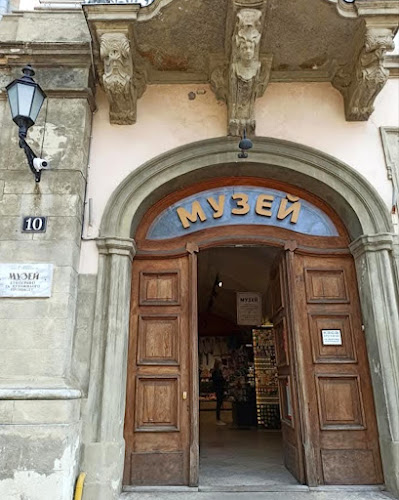
The Museum of Ethnography and Crafts is one of those places that quietly pulls you in before you even realize you’re hooked. It’s not the kind of museum you rush through; it’s the kind you wander in, get lost among the exhibits, and somehow come out feeling like you’ve stepped through a time portal. The building itself is a masterpiece—ornate, a little grand, and full of that old-world charm that makes you instinctively lower your voice when you walk in. Inside, the polished displays tell the story of everyday life from centuries past—folk traditions, crafts, and the little details that made people’s worlds turn long before ours did.

What I personally love about this museum is that it doesn’t just show you history—it makes you feel it. You can almost hear the echo of craftsmen at work, smell the wood shavings, and imagine the hum of a marketplace. The curators have done a fine job of balancing scholarly depth with accessibility. It’s educational without being dry, and even kids seem to find it fascinating (which is saying something for a museum). Sure, not every exhibit is interactive or high-tech, but that’s part of its charm—it’s a place that values authenticity over flash.

That said, it’s not perfect. The lighting could be better in some corners, and if you’re expecting full accessibility features, you might find it a bit challenging. But for travelers who appreciate culture, craftsmanship, and the beauty of human creativity, this museum is a gem worth exploring. It’s one of those places that leaves you thinking about how much skill and patience went into even the simplest objects of daily life. And that, to me, is what makes it unforgettable.

Key Features

  • Extensive collection of folk art, traditional costumes, and handcrafted tools that span centuries of Ukrainian heritage
  • Beautifully preserved artifacts showcasing local craftsmanship, including ceramics, textiles, and woodwork
  • Permanent and rotating exhibits highlighting regional folklore and cultural rituals
  • Housed in an architecturally stunning building that’s as much a piece of art as what’s inside
  • Family-friendly environment with exhibits that appeal to both adults and children
  • Knowledgeable staff who are often happy to share background stories about the artifacts
  • Restroom facilities available on-site for visitors’ convenience

Best Time to Visit

If you ask me, the best time to visit the Museum of Ethnography and Crafts is during spring or early autumn. The city feels alive but not overcrowded, and the weather is just right for strolling through the surrounding streets after your museum visit. Summer can be busy—tour groups and school trips tend to fill the halls—but there’s also something special about the lively chatter that fills the air then. Winter, on the other hand, gives the museum a completely different vibe. The quiet halls and the soft light filtering through the windows make it feel almost contemplative. I once visited in late December, and honestly, it felt like stepping into a storybook—snow outside, warm wooden interiors, and the faint scent of old paper and varnish inside.

If you’re planning your trip, aim for a weekday morning. You’ll avoid the crowds, and you’ll have more space to linger in front of the exhibits that catch your eye. And believe me, there will be plenty of those.

How to Get There

Reaching the museum is quite straightforward, especially if you’re staying in the central part of the city. It’s located in the heart of the old town, surrounded by cobblestone streets and historic buildings that make the walk itself part of the experience. Most visitors prefer to arrive on foot since parking nearby can be tricky. If you’re using public transport, local trams and buses stop within a short walk of the area. Taxis and ride-sharing services are also an option, though navigating the narrow streets can sometimes take longer than expected.

For travelers arriving from outside the city center, I’d recommend taking a tram—it’s affordable, efficient, and gives you a little glimpse of daily life along the way. Just remember to validate your ticket once you’re on board. And if you’re the kind who enjoys wandering, leave a bit of extra time. The route to the museum is lined with cafés, small shops, and street performers that make the journey almost as enjoyable as the destination itself.

Tips for Visiting

Here’s where a little insider advice can make your visit smoother and more enjoyable. First, plan for at least an hour and a half inside. You might think you’ll just “pop in,” but once you start exploring, time slips away. The exhibits are detailed, and there’s a lot to take in. Bring a bottle of water—there’s no café inside, and you’ll appreciate a sip or two while you wander.

Photography is usually allowed, but be respectful. Some exhibits are delicate, and flash photography can damage sensitive materials. If you’re traveling with kids, this is a surprisingly good spot to introduce them to history in a fun, visual way. The colorful costumes and handcrafted items tend to hold their attention better than you’d expect. Just remind them not to touch the displays—tempting as it might be.

Accessibility is limited, so if you or someone in your group uses a wheelchair or stroller, be prepared for a few challenges. There are stairs and uneven floors in some sections. On the bright side, the staff are friendly and often willing to help when they can. Restrooms are available, though there’s no restaurant on-site, so it’s best to grab a meal before or after your visit. There are plenty of great local spots nearby where you can enjoy traditional food afterward—trust me, that’s part of the experience.

One of my favorite tips? Take a notebook or use your phone to jot down the names of particular crafts or regions mentioned in the exhibits. Later, you can explore local markets or artisan shops that still practice those traditions today. That’s how I ended up finding a small workshop that made handwoven textiles using techniques I’d first seen in the museum. It’s a reminder that history isn’t just behind glass—it’s still alive out there if you know where to look.

Lastly, don’t rush. Let yourself slow down. The Museum of Ethnography and Crafts isn’t just about seeing things—it’s about feeling connected to the people who made them. And that’s something worth taking your time for.

Key Features

  • Extensive collection of folk art, traditional costumes, and handcrafted tools that span centuries of Ukrainian heritage
  • Beautifully preserved artifacts showcasing local craftsmanship, including ceramics, textiles, and woodwork
  • Permanent and rotating exhibits highlighting regional folklore and cultural rituals
  • Housed in an architecturally stunning building that’s as much a piece of art as what’s inside
  • Family-friendly environment with exhibits that appeal to both adults and children
  • Knowledgeable staff who are often happy to share background stories about the artifacts
  • Restroom facilities available on-site for visitors’ convenience

More Details

Updated November 7, 2025


Description

The Museum of Ethnography and Crafts is one of those places that quietly pulls you in before you even realize you’re hooked. It’s not the kind of museum you rush through; it’s the kind you wander in, get lost among the exhibits, and somehow come out feeling like you’ve stepped through a time portal. The building itself is a masterpiece—ornate, a little grand, and full of that old-world charm that makes you instinctively lower your voice when you walk in. Inside, the polished displays tell the story of everyday life from centuries past—folk traditions, crafts, and the little details that made people’s worlds turn long before ours did.

What I personally love about this museum is that it doesn’t just show you history—it makes you feel it. You can almost hear the echo of craftsmen at work, smell the wood shavings, and imagine the hum of a marketplace. The curators have done a fine job of balancing scholarly depth with accessibility. It’s educational without being dry, and even kids seem to find it fascinating (which is saying something for a museum). Sure, not every exhibit is interactive or high-tech, but that’s part of its charm—it’s a place that values authenticity over flash.

That said, it’s not perfect. The lighting could be better in some corners, and if you’re expecting full accessibility features, you might find it a bit challenging. But for travelers who appreciate culture, craftsmanship, and the beauty of human creativity, this museum is a gem worth exploring. It’s one of those places that leaves you thinking about how much skill and patience went into even the simplest objects of daily life. And that, to me, is what makes it unforgettable.

Key Features

  • Extensive collection of folk art, traditional costumes, and handcrafted tools that span centuries of Ukrainian heritage
  • Beautifully preserved artifacts showcasing local craftsmanship, including ceramics, textiles, and woodwork
  • Permanent and rotating exhibits highlighting regional folklore and cultural rituals
  • Housed in an architecturally stunning building that’s as much a piece of art as what’s inside
  • Family-friendly environment with exhibits that appeal to both adults and children
  • Knowledgeable staff who are often happy to share background stories about the artifacts
  • Restroom facilities available on-site for visitors’ convenience

Best Time to Visit

If you ask me, the best time to visit the Museum of Ethnography and Crafts is during spring or early autumn. The city feels alive but not overcrowded, and the weather is just right for strolling through the surrounding streets after your museum visit. Summer can be busy—tour groups and school trips tend to fill the halls—but there’s also something special about the lively chatter that fills the air then. Winter, on the other hand, gives the museum a completely different vibe. The quiet halls and the soft light filtering through the windows make it feel almost contemplative. I once visited in late December, and honestly, it felt like stepping into a storybook—snow outside, warm wooden interiors, and the faint scent of old paper and varnish inside.

If you’re planning your trip, aim for a weekday morning. You’ll avoid the crowds, and you’ll have more space to linger in front of the exhibits that catch your eye. And believe me, there will be plenty of those.

How to Get There

Reaching the museum is quite straightforward, especially if you’re staying in the central part of the city. It’s located in the heart of the old town, surrounded by cobblestone streets and historic buildings that make the walk itself part of the experience. Most visitors prefer to arrive on foot since parking nearby can be tricky. If you’re using public transport, local trams and buses stop within a short walk of the area. Taxis and ride-sharing services are also an option, though navigating the narrow streets can sometimes take longer than expected.

For travelers arriving from outside the city center, I’d recommend taking a tram—it’s affordable, efficient, and gives you a little glimpse of daily life along the way. Just remember to validate your ticket once you’re on board. And if you’re the kind who enjoys wandering, leave a bit of extra time. The route to the museum is lined with cafés, small shops, and street performers that make the journey almost as enjoyable as the destination itself.

Tips for Visiting

Here’s where a little insider advice can make your visit smoother and more enjoyable. First, plan for at least an hour and a half inside. You might think you’ll just “pop in,” but once you start exploring, time slips away. The exhibits are detailed, and there’s a lot to take in. Bring a bottle of water—there’s no café inside, and you’ll appreciate a sip or two while you wander.

Photography is usually allowed, but be respectful. Some exhibits are delicate, and flash photography can damage sensitive materials. If you’re traveling with kids, this is a surprisingly good spot to introduce them to history in a fun, visual way. The colorful costumes and handcrafted items tend to hold their attention better than you’d expect. Just remind them not to touch the displays—tempting as it might be.

Accessibility is limited, so if you or someone in your group uses a wheelchair or stroller, be prepared for a few challenges. There are stairs and uneven floors in some sections. On the bright side, the staff are friendly and often willing to help when they can. Restrooms are available, though there’s no restaurant on-site, so it’s best to grab a meal before or after your visit. There are plenty of great local spots nearby where you can enjoy traditional food afterward—trust me, that’s part of the experience.

One of my favorite tips? Take a notebook or use your phone to jot down the names of particular crafts or regions mentioned in the exhibits. Later, you can explore local markets or artisan shops that still practice those traditions today. That’s how I ended up finding a small workshop that made handwoven textiles using techniques I’d first seen in the museum. It’s a reminder that history isn’t just behind glass—it’s still alive out there if you know where to look.

Lastly, don’t rush. Let yourself slow down. The Museum of Ethnography and Crafts isn’t just about seeing things—it’s about feeling connected to the people who made them. And that’s something worth taking your time for.

Key Highlights

  • Extensive collection of folk art, traditional costumes, and handcrafted tools that span centuries of Ukrainian heritage
  • Beautifully preserved artifacts showcasing local craftsmanship, including ceramics, textiles, and woodwork
  • Permanent and rotating exhibits highlighting regional folklore and cultural rituals
  • Housed in an architecturally stunning building that’s as much a piece of art as what’s inside
  • Family-friendly environment with exhibits that appeal to both adults and children
  • Knowledgeable staff who are often happy to share background stories about the artifacts
  • Restroom facilities available on-site for visitors’ convenience

Location

Places to Stay Near Museum of Ethnography and Crafts

Find and Book a Tour

Explore More Travel Guides

No reviews found! Be the first to review!

Traveler Reviews for Museum of Ethnography and Crafts

There are no reviews yet. Be the first one to write one.

Share Your Experience

Have you visited Museum of Ethnography and Crafts? Help other travelers by sharing your review.

Find Accommodations Nearby

Recommended Tours & Activities

Visitor Reviews

There are no reviews yet. Be the first one to write one.

Share Your Experience

Have you visited Museum of Ethnography and Crafts? Help other travelers by leaving a review.