
Shevchenkivskyi Hai Park Museum
About Shevchenkivskyi Hai Park Museum
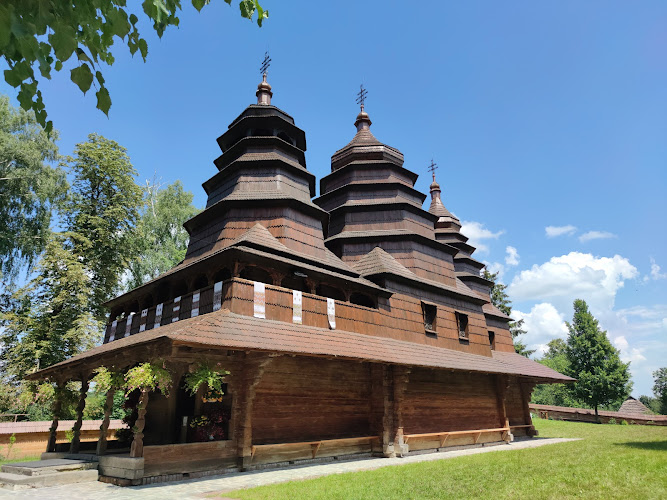
If you’ve ever wondered what life looked like in a traditional Western Ukrainian village centuries ago, the Shevchenkivskyi Hai Park Museum is like stepping into a living storybook. This open-air museum sprawls across a lush park setting, showcasing wooden folk architecture that dates back over 300 years. It’s not just a static display of old buildings—you’ll find yourself wandering through genuine homes, churches, and workshops that capture the daily rhythms, crafts, and customs of rural Ukraine. The centerpiece, a stunning 18th-century wooden church, alone is worth the visit, with its intricate woodwork and timeless charm.
What really makes Shevchenkivskyi Hai stand out is how it breathes life into history. Throughout the year, you’ll catch live performances of folk music and traditional dances that bring the past roaring back to life. It’s a place where the old ways aren’t just preserved behind glass but celebrated with joy and authenticity. Families with kids will find it especially rewarding—there’s a welcoming vibe, plenty of space to roam, and interactive elements that keep little ones fascinated.
Accessibility is thoughtfully handled here, too. Whether you’re pushing a stroller or using a wheelchair, the paths, entrances, and restrooms are designed to be inclusive, making it easier for everyone to enjoy the experience. And when you’re ready to take a break, the on-site restaurant offers a cozy spot to recharge with some local flavors.
Key Features
- One of Europe’s largest open-air museums dedicated to Western Ukrainian folk architecture and rural life
- Authentic wooden buildings from the past three centuries, including homes, workshops, and a renowned 18th-century church
- Live folk music and traditional performances that happen regularly, creating an engaging cultural atmosphere
- Displays of folk art and musical instruments offering a rich insight into local craftsmanship and traditions
- Wheelchair accessible entrances, parking, and restrooms ensuring comfort for visitors with mobility needs
- Family-friendly environment with activities and exhibits that appeal to children and adults alike
- On-site restaurant serving regional cuisine, perfect for a relaxing meal during your visit
- Gender-neutral restrooms available, reflecting a welcoming and inclusive approach
Best Time to Visit
Honestly, the museum has a charm that shifts with the seasons, but if you ask me, late spring through early autumn is the sweet spot. The weather is generally pleasant, which makes strolling through the park and exploring the wooden structures a real treat. Plus, this is when many of the live performances and cultural events take place, adding an extra layer of magic to your visit. I remember visiting in early June once—sunshine filtering through the trees, the sound of folk songs in the air, and a gentle breeze that made the whole experience feel like a warm embrace from history itself.
Winter visits are possible but bring a different vibe—quieter and more reflective, with the snow blanketing the grounds and giving the wooden buildings a serene, almost mystical appearance. Just be prepared for colder weather and shorter daylight hours. If you’re a photographer or someone who loves a peaceful atmosphere, winter might surprise you.
How to Get There
Getting to Shevchenkivskyi Hai Park Museum is fairly straightforward if you’re based in or visiting Lviv. It’s located within a scenic park area on the outskirts of the city, so whether you’re driving, taking a taxi, or hopping on public transport, you won’t have much trouble. For those who prefer public transit, local buses or trams connect the city center to the museum area—just ask a friendly local or your hotel concierge for the best route; Ukrainians are usually happy to help.
If you’re driving, there’s wheelchair accessible parking right near the entrance, which is super convenient. And don’t worry about getting lost—there are clear signs leading you to the museum once you’re nearby. Just keep your camera ready from the moment you arrive because the surroundings alone are worth a few snaps.
Tips for Visiting
First off, wear comfy shoes. The museum grounds are extensive, with plenty of walking on natural paths, so you’ll want to be comfortable and ready to explore. Also, bring a hat or sunscreen if you’re visiting in summer—there’s a decent amount of open space without shade.
Try to time your visit to catch one of the live folk performances. They add a whole new dimension to the experience and give you a real sense of the culture behind the buildings. If you’re curious about the crafts and daily life artifacts, don’t hesitate to chat with the museum staff or guides—they’re usually full of fascinating stories and happy to share insights that you won’t find in guidebooks.
Families, take advantage of the kid-friendly exhibits and open spaces. I’ve seen children light up when they get to see traditional musical instruments or peek inside old wooden houses. It’s a great way to connect younger visitors with history in a hands-on way.
Lastly, don’t rush. This isn’t a place to just tick off a list. Take your time, soak in the atmosphere, and let yourself wander a bit. You might stumble upon a quiet corner or a hidden gem that becomes your favorite part of the visit. And if you’re hungry or thirsty, the restaurant is a solid choice to refuel before heading back out.
Key Features
- One of Europe’s largest open-air museums dedicated to Western Ukrainian folk architecture and rural life
- Authentic wooden buildings from the past three centuries, including homes, workshops, and a renowned 18th-century church
- Live folk music and traditional performances that happen regularly, creating an engaging cultural atmosphere
- Displays of folk art and musical instruments offering a rich insight into local craftsmanship and traditions
- Wheelchair accessible entrances, parking, and restrooms ensuring comfort for visitors with mobility needs
- Family-friendly environment with activities and exhibits that appeal to children and adults alike
- On-site restaurant serving regional cuisine, perfect for a relaxing meal during your visit
- Gender-neutral restrooms available, reflecting a welcoming and inclusive approach
You Might Also Like
750 Rokiv Mistu Novohrad-Volynsʹkyy

Akvapark Terminal
Aqua Rio Park
Tours & Activities
GetYourGuide provides this tour inventory. We may earn a commission if you book through it; verify current availability, prices, and terms with the provider.
Visitor Reviews
There are no reviews yet. Be the first one to write one.
Share Your Experience
Have you visited Shevchenkivskyi Hai Park Museum? Help other travelers by leaving a review.