
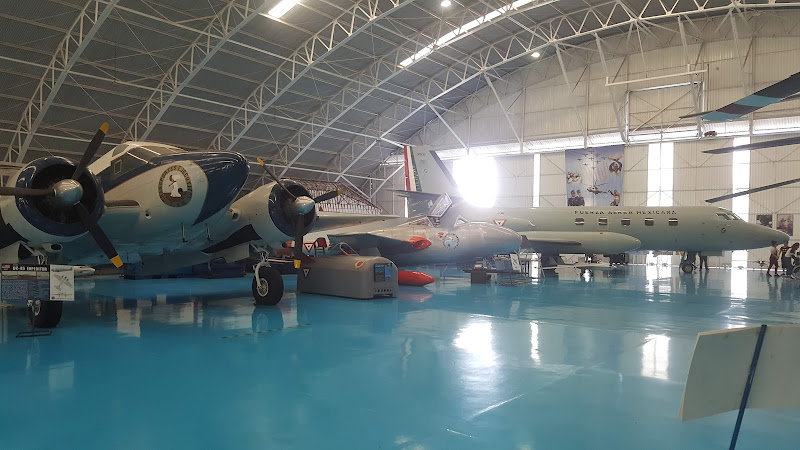
Museo Militar de Aviación
About Museo Militar de Aviación
The Museo Militar de Aviación stands as one of South America’s most impressive collections of military aviation history, and honestly, it’s one of those places that catches you off guard in the best way possible. Located in the outskirts of Buenos Aires, this sprawling museum showcases Argentina’s rich aeronautical heritage through an extensive array of aircraft, helicopters, and aviation artifacts that span nearly a century of flight.
What makes this place particularly special is the sheer scale of what visitors encounter. We’re talking about dozens of actual aircraft positioned both indoors and across outdoor exhibition areas, many of which you can get remarkably close to. The museum houses everything from vintage biplanes that saw action in the early 20th century to modern jet fighters that participated in the Falklands War (or Guerra de las Malvinas, depending on which side of that particular discussion you’re on).
The facility itself occupies what was once an active military airfield, which gives the whole experience an authentic atmosphere. You’re not just looking at planes in a sterile building – you’re walking around hangars and tarmac where these machines actually served. And let me tell you, there’s something about seeing a massive military transport plane up close that photos just can’t capture. The museum has done an admirable job of preserving these pieces of history while making them accessible to regular folks who might not know the difference between a Pucará and a Pampa.
Family-friendly and welcoming to aviation enthusiasts and casual visitors alike, the museum provides context through informational displays, though I’ll be honest – some of the signage could use updating. But that’s part of its charm in a way. This isn’t some overly polished tourist trap designed to extract maximum pesos from your wallet. It feels genuine, maintained by people who clearly care about preserving military aviation history for future generations.
Key Features
The Museo Militar de Aviación offers visitors an remarkable collection that tells Argentina’s aviation story through tangible artifacts:
- Over 60 aircraft on display, including fighters, bombers, trainers, and transport planes from various eras of military aviation
- Comprehensive collection of helicopters showcasing rotary-wing development in Argentine military service
- Indoor hangars protecting more delicate aircraft and housing detailed exhibits about specific conflicts and missions
- Outdoor exhibition areas where visitors can walk among larger aircraft and appreciate their true dimensions
- Historical artifacts including uniforms, medals, photographs, and personal items belonging to notable Argentine aviators
- Aircraft that participated in the 1982 Falklands conflict, providing unique historical perspective on that controversial chapter
- Vintage aircraft from the 1930s and 1940s, some of which are exceptionally rare examples that survived when most were scrapped
- Interactive displays and cockpit access in select aircraft, allowing visitors to imagine what pilots experienced
- Engine displays and technical components that showcase the mechanical evolution of flight technology
- Full wheelchair accessibility throughout the facility, including restrooms and most exhibition areas
- On-site restaurant for meals and refreshments during extended visits
- Family facilities including changing tables and rest areas suitable for visitors with young children
- Extensive photographic documentation of Argentine Air Force operations throughout the decades
- Scale models and dioramas depicting significant battles and missions
- Memorial sections honoring fallen aviators and air crews
Best Time to Visit
Timing your visit to the Museo Militar de Aviación can significantly impact your experience, and I’ve learned this through both research and talking to folks who’ve been multiple times.
The museum operates year-round, but spring (September through November) and autumn (March through May) offer the most comfortable weather conditions. Buenos Aires summers can get brutally hot, and since much of the collection sits outdoors, you’ll be doing a fair amount of walking in direct sunlight. I’m talking 35°C (95°F) kind of heat that makes you question your life choices. Winter isn’t terrible, but it can get surprisingly chilly and occasionally rainy, which dampens the experience literally and figuratively.
Weekdays, particularly Tuesday through Thursday, tend to be quieter than weekends. If you’re someone who appreciates being able to take your time without navigating around large school groups or weekend crowds, aim for a weekday morning. The museum opens around 9 AM, and arriving shortly after opening gives you a couple of hours before the midday heat becomes oppressive during warmer months.
Weekends do get busy, especially during Argentine school holidays in July and January. But honestly? Sometimes the energy of families and kids getting excited about the aircraft adds something to the atmosphere. There’s nothing quite like watching a five-year-old’s face light up when they see a helicopter up close for the first time.
Special events occasionally take place at the museum, including anniversary celebrations of significant dates in Argentine military aviation history. These can be wonderful opportunities to see additional aircraft or meet veterans, though they also draw larger crowds. Check ahead if you’re visiting during April (around the Falklands War anniversary) or August (Air Force Day).
Weather-wise, bring sun protection during spring and summer regardless of when you visit. That Argentine sun doesn’t mess around, and there’s limited shade in the outdoor areas. A hat, sunscreen, and water bottle become your best friends pretty quickly.
How to Get There
Getting to the Museo Militar de Aviación requires a bit of planning since it’s not located in central Buenos Aires, but the journey is definitely manageable.
The museum sits in Morón, a western suburb of Buenos Aires, which puts it roughly 20-25 kilometers from the city center. Public transportation gets you there, though it involves some coordination. The most straightforward approach combines taking a train to Morón station on the Sarmiento line (one of Buenos Aires’ commuter rail networks) followed by either a bus or taxi for the remaining distance. The train ride itself offers a nice glimpse of Buenos Aires suburban life that tourists often miss.
From Morón station, local buses run toward the museum area, though you’ll want to confirm current routes since they do change. Alternatively, a taxi or rideshare from the station costs relatively little and saves the hassle of figuring out local bus routes if Spanish isn’t your strong suit.
Driving offers more flexibility if you’ve rented a car or arranged private transportation. The museum provides ample parking, and the facilities are fully accessible for visitors with mobility challenges. Traffic can be heavy during rush hours, so factor that into your timing if you’re driving from central Buenos Aires. GPS works reliably for navigation, though the museum’s location near an active military base means you’ll want to follow directional signs carefully once you’re in the vicinity.
Tour companies in Buenos Aires occasionally include the museum in their itineraries, particularly those focused on military history or aviation themes. This option simplifies logistics considerably, though it typically costs more and limits how much time you can spend exploring independently.
Plan on the journey taking anywhere from 45 minutes to 90 minutes from central Buenos Aires, depending on your starting point, transportation method, and Buenos Aires traffic (which can be wonderfully unpredictable). And honestly, I’d recommend budgeting at least 2-3 hours for the museum visit itself, more if you’re a serious aviation enthusiast who wants to read every placard and examine every detail.
Tips for Visiting
Walking through the Museo Militar de Aviación a few practical considerations can transform your visit from merely good to genuinely memorable.
First things first: wear comfortable walking shoes. I cannot stress this enough. You’ll be covering significant ground across both indoor and outdoor exhibition areas, much of it on concrete and tarmac. Those cute sandals or fashionable-but-impractical shoes will have you limping back to Buenos Aires regretting your choices.
Bring water and snacks, even though there’s a restaurant on site. The outdoor sections can take longer to explore than you’d expect, and having your own supplies means you can take breaks whenever you need them rather than trekking back to the dining area. The restaurant serves decent food at reasonable prices, but it’s nice having options.
Photography enthusiasts should come prepared with appropriate equipment. The aircraft make for spectacular photos, but lighting can be challenging. Indoor hangars have limited natural light, so a camera that handles low light situations performs better than your average smartphone. Outside, that harsh Argentine sun creates strong shadows and contrast that require some skill to manage. But the photo opportunities are absolutely worth it – where else can you position yourself next to a Skyhawk fighter jet?
Language considerations matter here. While some exhibits have English translations, many don’t, and staff primarily speak Spanish. A translation app on your phone can help tremendously if you want to understand the historical context beyond just looking at cool planes. That said, the visual impact of the collection transcends language barriers.
Families with young children will appreciate the accessibility features and family facilities, but keep a close eye on active kids. While the museum is quite kid-friendly, these are still large pieces of machinery with various protrusions and potentially hazardous areas. Most aircraft are roped off appropriately, but curious youngsters have a talent for finding ways to get where they shouldn’t.
The gift shop offers aviation-themed souvenirs ranging from model aircraft to books and patches. Prices are generally reasonable, and it’s a nice place to pick up something memorable without breaking the bank. Cash and cards are typically accepted, though having some pesos on hand never hurts at Argentine attractions.
Check the museum’s current operating hours before you go, as they occasionally change for holidays or special events. Nothing’s more frustrating than making the journey out to Morón only to find the gates closed.
Consider combining your museum visit with exploring Morón itself if you have time. It’s a genuine Argentine suburb without heavy tourist infrastructure, which means you can grab lunch at local restaurants where they’re serving food for residents rather than visitors. The prices are better, and the experience feels more authentic.
Finally, approach the museum with appropriate respect for its nature as a military institution. This isn’t just entertainment – it’s preservation of heritage that includes commemorating people who died in service. Some of the aircraft on display carried pilots who never came home. That historical weight deserves acknowledgment even as you appreciate the impressive engineering and enjoy your visit.
Key Features
- Over 60 aircraft on display, including fighters, bombers, trainers, and transport planes from various eras of military aviation
- Comprehensive collection of helicopters showcasing rotary-wing development in Argentine military service
- Indoor hangars protecting more delicate aircraft and housing detailed exhibits about specific conflicts and missions
- Outdoor exhibition areas where visitors can walk among larger aircraft and appreciate their true dimensions
- Historical artifacts including uniforms, medals, photographs, and personal items belonging to notable Argentine aviators
- Aircraft that participated in the 1982 Falklands conflict, providing unique historical perspective on that controversial chapter
- Vintage aircraft from the 1930s and 1940s, some of which are exceptionally rare examples that survived when most were scrapped
- Interactive displays and cockpit access in select aircraft, allowing visitors to imagine what pilots experienced
You Might Also Like

CHRISTMAS SPHERES ZUMPANGO
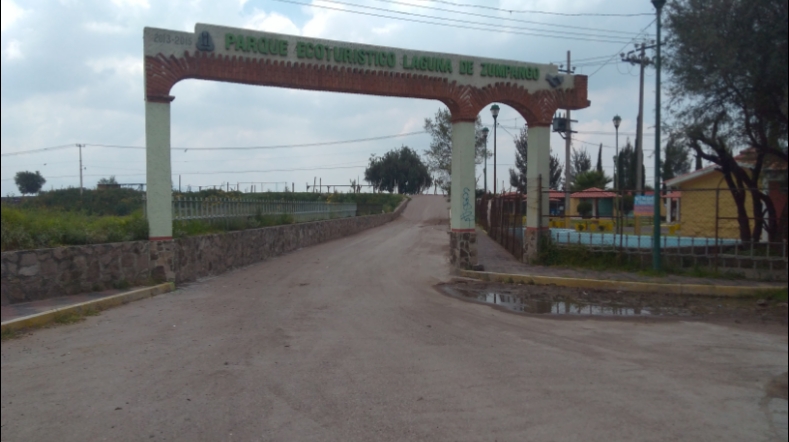
Laguna de Zumpango Ecoturistic Park

Mirador laguna de Zumpango
Tours & Activities
GetYourGuide provides this tour inventory. We may earn a commission if you book through it; verify current availability, prices, and terms with the provider.
Visitor Reviews
There are no reviews yet. Be the first one to write one.
Share Your Experience
Have you visited Museo Militar de Aviación? Help other travelers by leaving a review.