Description
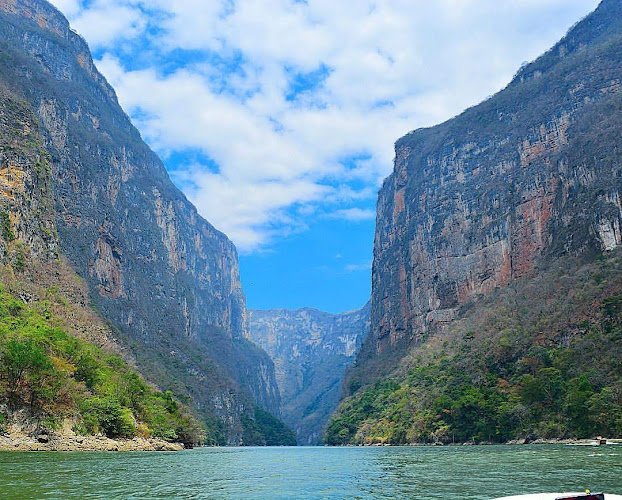
The Cañón del Sumidero is one of those places that makes you question whether nature was showing off when it created this massive geological wonder. Located in the southern Mexican state of Chiapas, this national park features towering canyon walls that rise dramatically up to 1,000 meters above the Grijalva River below. And honestly, the first time you crane your neck to see the top of these cliffs, you’ll understand why this place has become such a bucket-list destination for travelers exploring Mexico’s less-traveled corners.
I remember talking to a guide there who told me the canyon was formed millions of years ago through a combination of tectonic activity and erosion, and you can actually see those layers of history etched into the rock faces. The result is this stunning 13-kilometer gorge that cuts through the landscape like nature’s own grand cathedral. Most visitors experience the canyon from the water, taking boat tours that navigate the winding river between those massive cliff walls, but there’s so much more to discover here than just the boat ride everyone talks about.
What really sets this place apart is how it combines raw geological drama with surprising pockets of life. Spider monkeys swing through trees clinging to canyon walls, crocodiles sun themselves on river banks, and various bird species including vultures circle overhead in thermal currents. The ecosystem here has adapted to these extreme conditions in ways that fascinate biologists and casual nature lovers alike.
Key Features
The Cañón del Sumidero offers visitors several remarkable features that make it worth the journey:
- Towering Canyon Walls – These limestone cliffs reach heights of up to 1,000 meters in certain sections, creating one of the deepest canyons in North America and providing absolutely jaw-dropping views from both water level and the viewpoints above
- Boat Tours Through the Gorge – The classic way to experience the canyon involves motorized boat trips that last roughly two hours, taking you past waterfalls, caves, and wildlife while your guide shares local legends and geological facts
- Multiple Lookout Points – Five different miradores (viewpoints) are accessible by car along the canyon rim, each offering unique perspectives of the gorge below and the surrounding Chiapas landscape
- Arbol de Navidad (Christmas Tree) Waterfall – This peculiar formation gets its name from the moss and calcium deposits that cover the rock face in a triangular shape, creating a green “tree” that changes appearance with the seasons
- Wildlife Watching Opportunities – The park is home to spider monkeys, howler monkeys, crocodiles, river turtles, and numerous bird species that you can spot during tours
- Chiapa de Corzo Embarcadero – The main departure point for boat tours sits in this charming colonial town that’s worth exploring before or after your canyon adventure
- Hiking Trails – While most people focus on the water activities, there are trails at the top of the canyon that offer completely different perspectives and fewer crowds
- Cave of Colors – A small grotto along the river route where mineral deposits have created interesting color patterns on the rock walls
Best Time to Visit
Timing your visit to Cañón del Sumidero can make a significant difference in your experience, and I’ve seen travelers show up at completely the wrong time and miss out on what makes this place special.
The dry season from November through April is generally considered ideal for visiting. During these months, you’ll find clearer skies, calmer waters, and more predictable weather conditions. The water levels are typically lower, which means you can actually see more of the canyon walls exposed. I’d particularly recommend December through February when temperatures are comfortable for exploring, though you should know that this is also peak tourist season, so expect more crowds both on boats and at the viewpoints.
But here’s something most guidebooks won’t tell you – the rainy season from May through October has its own appeal if you don’t mind occasional showers. The waterfalls are more impressive during this period, the vegetation is lusher, and you’ll encounter significantly fewer tourists. The Christmas Tree waterfall, in particular, looks most dramatic when there’s been recent rain. Just be prepared for the possibility that boat tours might be temporarily suspended if water levels get too high or weather conditions become unsafe.
Early morning departures tend to offer the best lighting for photography and wildlife viewing. The animals are more active before the midday heat sets in, and you’ll beat the rush of tour groups that typically arrive mid-morning. If you’re visiting during peak season, I’d strongly suggest getting to the embarcadero by 8 AM or even earlier.
Weekends and Mexican holidays bring domestic tourists in large numbers, so if you prefer a quieter experience, plan for weekdays. This is especially important if you want to explore the upper viewpoints without battling crowds for photo spots.
How to Get There
Getting to Cañón del Sumidero requires a bit of planning, but it’s straightforward once you understand your options. The main gateway cities are Tuxtla Gutiérrez (the state capital) and the nearby colonial town of Chiapa de Corzo.
Most travelers fly into Ángel Albino Corzo International Airport in Tuxtla Gutiérrez. From there, you’re about 30 kilometers from the canyon’s main boat departure point in Chiapa de Corzo. Taxis and ride-sharing services are available at the airport, though you’ll want to negotiate prices beforehand if taking a taxi. The drive takes roughly 30-40 minutes depending on traffic.
If you’re already in Tuxtla Gutiérrez, you have several options. Local buses run regularly between Tuxtla and Chiapa de Corzo – look for buses marked “Chiapa” at the main terminal. These colectivos are cheap and frequent but can be crowded. Many travelers prefer booking organized tours that include hotel pickup, boat tour, and stops at the upper viewpoints, which eliminates the hassle of coordinating multiple transportation segments.
For those who want more flexibility and are comfortable driving in Mexico, renting a car opens up the most possibilities. You can drive yourself to Chiapa de Corzo for the boat tour, then afterwards take the winding road up to the five miradores along the canyon rim. The viewpoint route is well-marked, though the road has some tight curves that might make nervous drivers uncomfortable.
The drive from San Cristóbal de las Casas, another popular base for exploring Chiapas, takes about an hour to Chiapa de Corzo. Many visitors combine both destinations in their itinerary since they’re relatively close.
One thing to note – GPS can be unreliable in some areas around the park, so having offline maps downloaded or asking locals for directions might save you some frustration.
Tips for Visiting
After hearing stories from countless travelers and learning from my own mistakes exploring this region, here are some practical tips that’ll help you make the most of your Cañón del Sumidero experience.
Bring sun protection that’s more robust than you think you need. The reflection off the water intensifies the sun’s rays, and you’ll be exposed for the entire two-hour boat ride with minimal shade. A hat with a strap is essential because the boats move quickly and you don’t want it flying off into the river. I’ve watched several hats become permanent canyon residents.
Speaking of the boats – they’re fast and the spray can soak you, especially if you’re sitting toward the front. Some boats provide plastic ponchos, but bringing a light waterproof jacket isn’t a bad idea. Your phone and camera need protection too. A waterproof bag or case is worth the investment.
The life jackets provided on boats are mandatory, and while they’re not the most comfortable things, resist the temptation to remove yours during the tour. Safety regulations exist for good reason, and the guides take them seriously.
If you’re prone to motion sickness, take medication before boarding. The boats navigate through sometimes choppy waters and make quick turns around river bends. Sitting in the middle of the boat tends to provide the smoothest ride.
Bring Mexican pesos in cash. While some tour operators accept cards, many smaller vendors and the entrance fees work better with cash. There are ATMs in Chiapa de Corzo if you need them.
The restroom facilities at the embarcadero are basic but functional. Use them before boarding because there are no bathroom breaks during the two-hour boat tour. This might seem obvious, but I’ve witnessed some uncomfortable situations when people didn’t plan ahead.
For the upper viewpoints, wear comfortable walking shoes even though you’re mostly viewing from parking areas. Some lookout points involve a bit of walking over uneven terrain. The altitude and sun can be deceptive – you might feel more tired than expected.
If you’re traveling with kids, the boat tours are generally appropriate for children who can sit still and won’t be frightened by the speed. However, very young children might find the noise and movement overwhelming. The park entrance states it’s good for kids, and many families visit successfully, but you know your children best.
Consider hiring a local guide rather than just taking the standard tour. Knowledgeable guides can point out wildlife you’d otherwise miss and share stories about the canyon’s cultural significance to the indigenous Zoque people that generic tours gloss over.
Don’t skip the viewpoints if you have time and transportation. The perspective from above is completely different from the river view, and you’ll appreciate the canyon’s scale more when you see it from both angles. The first viewpoint (La Ceiba) and the last one (Los Chiapa) offer particularly impressive panoramas.
Pack snacks and water, especially if you’re doing the viewpoint drive. Options are limited once you’re up there, and the combination of altitude, sun, and walking around will leave you hungry and thirsty.
Finally, manage your expectations about wildlife. Yes, there are crocodiles, monkeys, and exotic birds, but nature doesn’t perform on schedule. Some tours spot lots of animals while others see relatively few. The canyon itself is spectacular enough to justify the visit even if the wildlife is shy that day.
The local restaurants in Chiapa de Corzo serve excellent regional food, particularly the traditional cochito (roasted pork) and pozol (a fermented corn drink). Arriving early enough to have lunch in town after your boat tour makes for a full and satisfying day of exploring.