
Atlantes de Tula
About Atlantes de Tula
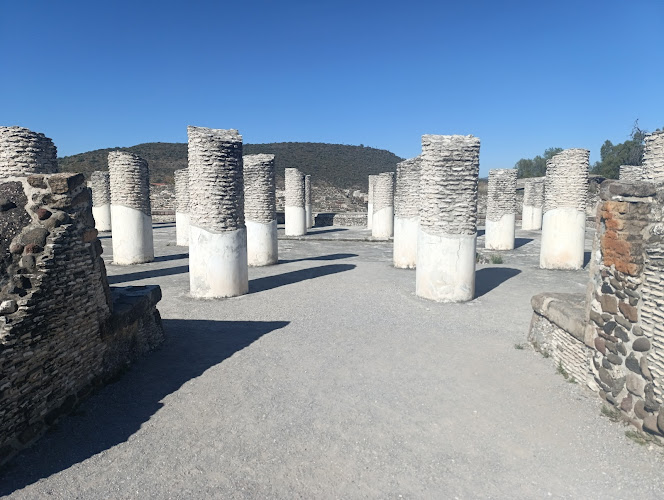
Standing sentinel over the arid landscape of central Mexico, the Atlantes de Tula represent one of those archaeological wonders that honestly doesn't get nearly enough attention compared to places like Chichen Itza or Teotihuacan. And that's actually part of their charm, if you ask me. These massive warrior sculptures—each standing about 15 feet tall and weighing several tons—are the haunting remnants of the ancient Toltec civilization that thrived here between 900 and 1150 AD.
The site itself centers around Pyramid B, where these four colossal stone figures once supported the roof of a temple dedicated to Quetzalcoatl, the feathered serpent deity. When you first lay eyes on them, there's this almost eerie quality to their rigid, geometric faces and their militant posture. They're holding atlatls (spear-throwers) and wearing elaborate headdresses that make you wonder about the artisans who carved them over a thousand years ago without modern tools.
The archaeological zone spreads across roughly 16 acres, and while it's considerably smaller than some of Mexico's mega-sites, what it lacks in size it makes up for in atmosphere. Walking through the partially reconstructed palaces and ball courts, you get this genuine sense of discovery that sometimes gets lost at more touristy ruins. The museum on-site houses additional artifacts and provides context that really brings the whole experience together, though I'll admit the signage could use some updating in places.
What strikes most visitors—and what struck me during my first visit years back—is how well-preserved certain details remain despite centuries of exposure to the elements. The carved reliefs depicting jaguars, coyotes, and eagles devouring human hearts aren't for the faint of heart, but they offer an unfiltered glimpse into the spiritual beliefs and warrior culture that defined Toltec society.
Key Features
The archaeological site offers several remarkable elements that distinguish it from other pre-Columbian ruins across Mexico:
- The four monolithic Atlantes sculptures standing atop Pyramid B, each carved from single pieces of basalt and depicting Toltec warriors in full ceremonial dress
- The Coatepantli or Serpent Wall, featuring detailed stone carvings of serpents consuming skeletal figures—a powerful representation of the cycle of life and death
- The Palacio Quemado (Burned Palace) with its remaining columns and detailed bas-reliefs showing processions of warriors and nobles
- Two distinct ball courts where the ancient Mesoamerican ball game was played, likely with significant ritual and political implications
- The Chac Mool sculpture, that distinctive reclining figure holding a bowl on its stomach that's become iconic of central Mexican archaeology
- An on-site museum displaying pottery, jewelry, obsidian tools, and other artifacts recovered during excavations
- Additional warrior columns and pilasters carved with images of warriors, priests, and mythological creatures
- The Tzompantli or skull rack platform, decorated with carved skulls and crossbones that served as a base for displaying the heads of sacrificial victims or war captives
- Wheelchair accessible facilities including the entrance and parking areas, making the site more inclusive than many archaeological zones in Mexico
- Free parking lot that removes one potential headache from your visit
Best Time to Visit
Timing your visit to Tula can honestly make or break your experience, and I learned this the hard way on a scorching July afternoon when the temperature must've hit 95 degrees with zero shade among those ancient stones.
The ideal window runs from November through March when daytime temperatures hover in the comfortable 65-75 degree range. The dry season means you won't be dodging rainstorms, and the lower humidity makes climbing pyramids significantly more pleasant. December and January bring the coolest weather, though you might want a light jacket for early morning visits.
If you're flexible with your schedule, weekdays are infinitely better than weekends. Saturday and Sunday see an influx of families from Mexico City and surrounding areas, which can diminish that sense of stepping back in time. Tuesday through Thursday typically offer the quietest experience—sometimes you might have entire sections of the site practically to yourself.
Early morning visits, right when the gates open around 9 AM, provide the best lighting for photography and the coolest temperatures. The golden hour before closing (the site typically closes around 5 PM) also offers beautiful light, though you'll feel rushed if you're just arriving then.
Avoid major Mexican holidays like Semana Santa (Holy Week) and the weeks around Christmas and New Year's unless you enjoy crowds. The site can get uncomfortably packed during these periods, and the normally tranquil atmosphere gets replaced with something more resembling a theme park.
The rainy season from June through September isn't necessarily a dealbreaker, but afternoon thunderstorms can roll in suddenly. If you do visit during these months, plan to arrive early and be prepared to seek shelter in the museum if needed. Plus, the grass and vegetation grow more aggressively during rainy months, which can actually make the ruins feel more atmospheric—though pathways sometimes get slippery.
How to Get There
Getting to Tula de Allende requires a bit more effort than simply hopping on a tour bus, but the journey is absolutely manageable for independent travelers and honestly more rewarding than being herded around with a group.
From Mexico City, you've got several options. The most straightforward is driving, which takes about 90 minutes via Highway 57D heading northwest. The toll road is well-maintained and clearly marked, though you'll pay around 100-150 pesos in tolls depending on your exact route. Free parking at the site removes any worry about where to leave your vehicle.
If you don't have access to a car, the bus system works perfectly well. Head to Mexico City's Terminal del Norte (Northern Bus Terminal) and catch a bus to Tula de Allende. Several lines including Omnibus de México and Primera Plus run this route regularly throughout the day, with tickets costing around 80-120 pesos one way. The journey takes roughly two hours depending on traffic. Once you arrive at Tula's bus station, you can grab a taxi to the archaeological zone for about 50 pesos, or if you're feeling adventurous and it's not too hot, it's a walkable 2 kilometers.
Some travelers prefer hiring a private driver for the day, which costs more (expect 1500-2500 pesos for a round trip from Mexico City with waiting time) but offers flexibility and comfort. This option makes sense if you're traveling with family or want to combine Tula with other nearby attractions.
From Queretaro, the site sits about an hour south via Highway 57D. From Pachuca, you're looking at roughly 45 minutes heading west.
Local transportation within Tula de Allende includes taxis and occasionally collectivos (shared vans), though service can be sporadic. Having the phone number of a reliable taxi driver for your return journey isn't a bad idea, especially if you're on a tight schedule.
Tips for Visiting
After multiple visits to Tula over the years and hearing countless stories from fellow travelers, I've compiled some practical wisdom that'll enhance your experience considerably.
Bring water—more than you think you'll need. The site has minimal shade, and dehydration sneaks up on you faster than you'd expect when you're absorbed in exploring ancient ruins. There's a small shop near the entrance, but prices are higher and selection is limited.
Wear proper footwear. I can't stress this enough. The ancient stones are uneven, sometimes slippery, and you'll be doing more walking and climbing than anticipated. Those cute sandals or brand new hiking boots you haven't broken in yet? Leave them at the hotel. Comfortable, worn-in shoes with good traction make all the difference.
The museum really deserves your time despite looking somewhat unassuming from outside. Spending 30-45 minutes there before exploring the ruins provides context that transforms your understanding of what you're seeing. Labels are primarily in Spanish, though some English translations exist. A translation app on your phone helps if your Spanish is rusty.
Photography is permitted and encouraged, but be mindful that the midday sun creates harsh shadows that don't do the sculptures justice. Early morning or late afternoon light brings out the texture and details in the stone carvings beautifully.
Hiring a guide at the entrance (usually 300-500 pesos for a group) significantly enriches the experience if you're interested in historical details and stories that aren't covered by the informational plaques. Many guides are genuinely passionate and share fascinating theories about Toltec culture.
Bathroom facilities exist near the entrance and museum but are basic. Use them when you have the chance—there aren't facilities scattered throughout the archaeological zone itself.
Plan for at least two hours minimum to see everything properly, though archaeology enthusiasts could easily spend three or four hours exploring every corner and reading all the available information.
The accessibility features including wheelchair-friendly entrances and parking make this site notably inclusive. However, some pathways and pyramid access points remain challenging for mobility devices due to the ancient architecture itself.
Consider combining your visit with lunch in Tula de Allende town center, about 2 kilometers away. Several local restaurants serve traditional Hidalgo cuisine including barbacoa and mixiotes that beat anything you'll find at the site entrance.
Don't skip the smaller structures and carvings in favor of just seeing the famous Atlantes. The serpent wall, the smaller columns with their intricate carvings, and the ball courts all tell important parts of the Toltec story.
Weather can change quickly, particularly during rainy season. A light rain jacket or umbrella in your bag provides insurance against unexpected showers.
The site accepts cash only for entrance fees (typically around 80 pesos for nationals, slightly more for international visitors). There's no ATM on-site, so come prepared.
And finally, take your time. Unlike the massive crowds at places like Teotihuacan that push you along, Tula rewards those who sit, observe, and imagine what this place looked like during its golden age when these warrior statues overlooked a thriving ceremonial center.
Key Features
- The four monolithic Atlantes sculptures standing atop Pyramid B, each carved from single pieces of basalt and depicting Toltec warriors in full ceremonial dress
- The Coatepantli or Serpent Wall, featuring detailed stone carvings of serpents consuming skeletal figures—a powerful representation of the cycle of life and death
- The Palacio Quemado (Burned Palace) with its remaining columns and detailed bas-reliefs showing processions of warriors and nobles
- Two distinct ball courts where the ancient Mesoamerican ball game was played, likely with significant ritual and political implications
- The Chac Mool sculpture, that distinctive reclining figure holding a bowl on its stomach that's become iconic of central Mexican archaeology
- An on-site museum displaying pottery, jewelry, obsidian tools, and other artifacts recovered during excavations
- Additional warrior columns and pilasters carved with images of warriors, priests, and mythological creatures
- The Tzompantli or skull rack platform, decorated with carved skulls and crossbones that served as a base for displaying the heads of sacrificial victims or war captives
You Might Also Like
77688 Quintana Roo
77765 Quintana Roo
96380 Veracruz
Tours & Activities
GetYourGuide provides this tour inventory. We may earn a commission if you book through it; verify current availability, prices, and terms with the provider.
Visitor Reviews
There are no reviews yet. Be the first one to write one.
Share Your Experience
Have you visited Atlantes de Tula? Help other travelers by leaving a review.