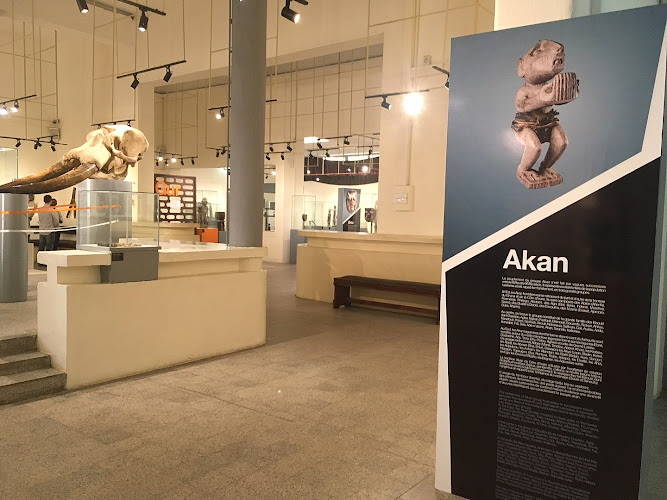
The Musée des Civilisations de Côte d’Ivoire stands as one of West Africa’s most significant repositories of cultural heritage, housing an impressive collection that tells the story of Ivorian civilization through tangible artifacts and artistic expressions.
Highlights & Key Features
Ceramic collections that demonstrate the evolution of pottery techniques and decorative styles across different regions and time periods within the country
Bronze and metalwork displays highlighting the sophisticated metallurgical knowledge developed by various Ivorian communities over generations
Textile galleries featuring traditional weaving techniques, including examples of prestigious kente-style cloths and other fabric arts that played important roles in social hierarchies
Live performance spaces where cultural demonstrations occur, bringing the static exhibits to life through music, dance, and storytelling traditions that connect past to present
Wheelchair accessible entrance and parking facilities, making the museum reasonably navigable for visitors with mobility considerations, though restroom accessibility remains limited
Educational displays that explain the cultural contexts and uses of artifacts rather than simply presenting them as aesthetic objects divorced from their original purposes
Visitor Guide & Information
Description
The Musée des Civilisations de Côte d’Ivoire stands as one of West Africa’s most significant repositories of cultural heritage, housing an impressive collection that tells the story of Ivorian civilization through tangible artifacts and artistic expressions. When you walk through the doors of this institution, you’re essentially stepping into centuries of history that shaped not just Côte d’Ivoire but influenced the broader African continent and beyond.
Housing more than 10,000 pieces in its collection, the museum presents an overwhelming array of carvings, ceramics, statues, and various artworks that showcase the incredible diversity of Ivorian ethnic groups and their respective traditions. The sheer scale of what’s on display here can honestly be a bit daunting at first. But that’s kind of the point – this isn’t one of those small boutique museums you breeze through in thirty minutes. This is a serious cultural institution that demands your time and attention.
What makes this museum particularly valuable for travelers is its focus on contextualizing the artifacts within their cultural frameworks. You’re not just looking at beautiful objects behind glass – though they certainly are beautiful. You’re getting insight into how these pieces functioned in daily life, ceremonial practices, religious observances, and social structures. The museum does a commendable job of presenting Ivorian heritage as a living, breathing tradition rather than something frozen in time.
The building itself accommodates families quite well, which is refreshing. Too many museums feel stuffy and unwelcoming to younger visitors, but this one actually works for travelers bringing kids along. And yes, there are restrooms and even a restaurant on-site, which might seem like minor details until you’ve spent three hours immersed in cultural artifacts and desperately need both.
Best Time to Visit
Timing your visit to the Musée des Civilisations requires thinking about both weather patterns and crowd dynamics. Côte d’Ivoire experiences a tropical climate that significantly affects the museum-going experience, even though you’ll spend most of your time indoors.
The dry season running from November through March represents the most comfortable period for visiting. Temperatures remain warm but not oppressively so, and you won’t have to contend with the heavy rainfall that characterizes other months. And honestly, even though you’re inside looking at artifacts, the humidity during rainy season can make the experience less pleasant, particularly if the building’s climate control isn’t optimal on a given day.
Weekday mornings, especially Tuesday through Thursday, tend to offer the most peaceful viewing experience. You’ll share the galleries with fewer people, which genuinely matters when you’re trying to appreciate intricate details on masks or read the informational plaques without someone breathing down your neck. School groups often visit on Fridays, so if you’re not particularly fond of navigating around forty enthusiastic students, you might want to avoid that day.
The museum occasionally hosts special cultural events and performances, which can enhance your visit tremendously. These typically happen on weekends or during cultural festivals throughout the year. If you can align your visit with one of these events, you’ll experience the collections in a completely different context. There’s something transformative about seeing traditional masks displayed in cases and then watching performers actually use similar pieces in a live demonstration.
Holiday periods, particularly around Christmas and New Year, see increased local visitation as families engage in domestic tourism. The atmosphere becomes more celebratory but also more crowded. Your tolerance for crowds should guide your decision here.
Early afternoon visits right after lunch tend to be quieter as well, though you’ll want to allow yourself at least two to three hours to properly explore the collections. Rushing through this museum would be like speed-reading a novel – technically possible but you’ll miss most of the good stuff.
How to Get There
Getting to the Musée des Civilisations de Côte d’Ivoire requires some planning, particularly if you’re an international traveler unfamiliar with transportation options in Abidjan. The museum sits in a location that’s accessible through multiple means, though each comes with its own considerations.
Taxi services remain the most straightforward option for most visitors. The orange taxis that populate Abidjan can take you directly to the museum entrance. Make sure you negotiate or confirm the fare before departing, as metered taxis aren’t universal here. If you’re staying in the Plateau business district or the popular Zone 4 area, the trip shouldn’t be too lengthy. Having your hotel staff write down the destination in French can prevent miscommunication with drivers.
Ride-sharing apps have gained traction in Abidjan and offer another convenient alternative. These services provide fare transparency and GPS tracking that some travelers find reassuring. The apps work similarly to what you’d use back home, and drivers generally know the museum as a landmark destination.
If you’re renting a car – which honestly isn’t what I’d recommend unless you’re comfortable with assertive West African driving styles – parking is available on-site with accessibility provisions. But navigating Abidjan traffic as an outsider can be genuinely stressful, and you’ll spend mental energy on driving that could be better spent appreciating the museum.
Public transportation exists through the bus system, but for most international visitors, this presents more complications than it’s worth. Routes aren’t always clearly marked for non-locals, and the time saved on fare cost gets lost in confusion and potential wrong turns.
Many hotels and tour operators in Abidjan offer excursions that include the museum as part of broader city tours. This option works particularly well for travelers who prefer organized experiences or those visiting Côte d’Ivoire for the first time. The guided context provided during these tours adds value beyond simple transportation.
Walking to the museum only makes sense if your accommodation is nearby. Abidjan doesn’t have extensive pedestrian infrastructure in many areas, and the tropical heat makes long walks rather uncomfortable.
Tips for Visiting
Photography policies at the museum require clarification upon arrival. Some sections permit photos while others don’t, and the rules occasionally change. Always ask before snapping pictures to avoid awkward interactions with staff. Flash photography is typically prohibited to protect the artifacts, which makes sense given the age and fragility of many pieces.
Bring cash in West African CFA francs for admission fees, any purchases at the gift shop, and tips for guides if you hire one. While some museums globally have moved toward card payments, cash remains king here. The restaurant accepts cash as well, so budget accordingly.
Comfortable walking shoes are non-negotiable. The museum’s scale means you’ll be on your feet for extended periods, and fashion footwear will leave you miserable halfway through. The floors are hard, and cushioned soles make a real difference.
Hiring a guide transforms the experience from good to genuinely enlightening. The contextual information these guides provide about specific pieces, ethnic groups, and cultural practices adds layers of understanding that placards alone can’t match. Yes, it costs extra, but consider it an investment in actually comprehending what you’re seeing.
The restaurant provides a logical break point during your visit. Museum fatigue is real – your brain can only process so much cultural information before everything starts blurring together. Taking an hour to eat and decompress lets you return to the galleries with fresh eyes.
Modest clothing shows respect for the cultural context, though the museum doesn’t enforce a strict dress code. Covering shoulders and knees is generally appropriate and won’t make you stand out uncomfortably.
Plan for at least three hours, though art enthusiasts and culture nerds could easily spend five or more hours here. If you’ve only got ninety minutes, you’re better off focusing on two or three sections that interest you most rather than rushing through everything.
The wheelchair accessible entrance and parking make the museum workable for visitors with mobility devices, but be aware that accessible restrooms aren’t available. Plan accordingly and perhaps visit restroom facilities at your hotel or a nearby establishment before arriving.
Visit the gift shop at the end rather than the beginning. You’ll have better context for what represents quality craftsmanship after viewing the collections, making your purchases more informed. And frankly, you don’t want to lug shopping bags through the galleries for two hours.
Water bottles are essential given the climate, though check whether they’re permitted inside galleries. Staying hydrated prevents the headaches and fatigue that undermine museum enjoyment.
The live performances happen on specific schedules that aren’t always predictable. Ask about timing when you arrive so you don’t miss these demonstrations, which truly bring the static collections to life in memorable ways.
The Musée des Civilisations de Côte d’Ivoire stands as one of West Africa’s most significant repositories of cultural heritage, housing an impressive collection that tells the story of Ivorian civilization through tangible artifacts and artistic expressions. When you walk through the doors of this institution, you’re essentially stepping into centuries of history that shaped not just Côte d’Ivoire but influenced the broader African continent and beyond.
Housing more than 10,000 pieces in its collection, the museum presents an overwhelming array of carvings, ceramics, statues, and various artworks that showcase the incredible diversity of Ivorian ethnic groups and their respective traditions. The sheer scale of what’s on display here can honestly be a bit daunting at first. But that’s kind of the point – this isn’t one of those small boutique museums you breeze through in thirty minutes. This is a serious cultural institution that demands your time and attention.
What makes this museum particularly valuable for travelers is its focus on contextualizing the artifacts within their cultural frameworks. You’re not just looking at beautiful objects behind glass – though they certainly are beautiful. You’re getting insight into how these pieces functioned in daily life, ceremonial practices, religious observances, and social structures. The museum does a commendable job of presenting Ivorian heritage as a living, breathing tradition rather than something frozen in time.
The building itself accommodates families quite well, which is refreshing. Too many museums feel stuffy and unwelcoming to younger visitors, but this one actually works for travelers bringing kids along. And yes, there are restrooms and even a restaurant on-site, which might seem like minor details until you’ve spent three hours immersed in cultural artifacts and desperately need both.
Key Features
Over 10,000 artifacts representing multiple ethnic groups from across Côte d’Ivoire, including masks, textiles, musical instruments, and ceremonial objects that span several centuries of cultural production
Extensive wood carving collection showcasing the remarkable craftsmanship of Ivorian artisans, featuring pieces from the Baule, Senoufo, Dan, and other ethnic groups known for their distinctive sculptural traditions
Ceramic collections that demonstrate the evolution of pottery techniques and decorative styles across different regions and time periods within the country
Bronze and metalwork displays highlighting the sophisticated metallurgical knowledge developed by various Ivorian communities over generations
Textile galleries featuring traditional weaving techniques, including examples of prestigious kente-style cloths and other fabric arts that played important roles in social hierarchies
Live performance spaces where cultural demonstrations occur, bringing the static exhibits to life through music, dance, and storytelling traditions that connect past to present
Wheelchair accessible entrance and parking facilities, making the museum reasonably navigable for visitors with mobility considerations, though restroom accessibility remains limited
Educational displays that explain the cultural contexts and uses of artifacts rather than simply presenting them as aesthetic objects divorced from their original purposes
Rotating exhibitions that supplement the permanent collection, ensuring that repeat visitors encounter fresh perspectives and new acquisitions
On-site restaurant providing respite during longer visits and offering an opportunity to experience Ivorian cuisine in conjunction with the cultural immersion
Best Time to Visit
Timing your visit to the Musée des Civilisations requires thinking about both weather patterns and crowd dynamics. Côte d’Ivoire experiences a tropical climate that significantly affects the museum-going experience, even though you’ll spend most of your time indoors.
The dry season running from November through March represents the most comfortable period for visiting. Temperatures remain warm but not oppressively so, and you won’t have to contend with the heavy rainfall that characterizes other months. And honestly, even though you’re inside looking at artifacts, the humidity during rainy season can make the experience less pleasant, particularly if the building’s climate control isn’t optimal on a given day.
Weekday mornings, especially Tuesday through Thursday, tend to offer the most peaceful viewing experience. You’ll share the galleries with fewer people, which genuinely matters when you’re trying to appreciate intricate details on masks or read the informational plaques without someone breathing down your neck. School groups often visit on Fridays, so if you’re not particularly fond of navigating around forty enthusiastic students, you might want to avoid that day.
The museum occasionally hosts special cultural events and performances, which can enhance your visit tremendously. These typically happen on weekends or during cultural festivals throughout the year. If you can align your visit with one of these events, you’ll experience the collections in a completely different context. There’s something transformative about seeing traditional masks displayed in cases and then watching performers actually use similar pieces in a live demonstration.
Holiday periods, particularly around Christmas and New Year, see increased local visitation as families engage in domestic tourism. The atmosphere becomes more celebratory but also more crowded. Your tolerance for crowds should guide your decision here.
Early afternoon visits right after lunch tend to be quieter as well, though you’ll want to allow yourself at least two to three hours to properly explore the collections. Rushing through this museum would be like speed-reading a novel – technically possible but you’ll miss most of the good stuff.
How to Get There
Getting to the Musée des Civilisations de Côte d’Ivoire requires some planning, particularly if you’re an international traveler unfamiliar with transportation options in Abidjan. The museum sits in a location that’s accessible through multiple means, though each comes with its own considerations.
Taxi services remain the most straightforward option for most visitors. The orange taxis that populate Abidjan can take you directly to the museum entrance. Make sure you negotiate or confirm the fare before departing, as metered taxis aren’t universal here. If you’re staying in the Plateau business district or the popular Zone 4 area, the trip shouldn’t be too lengthy. Having your hotel staff write down the destination in French can prevent miscommunication with drivers.
Ride-sharing apps have gained traction in Abidjan and offer another convenient alternative. These services provide fare transparency and GPS tracking that some travelers find reassuring. The apps work similarly to what you’d use back home, and drivers generally know the museum as a landmark destination.
If you’re renting a car – which honestly isn’t what I’d recommend unless you’re comfortable with assertive West African driving styles – parking is available on-site with accessibility provisions. But navigating Abidjan traffic as an outsider can be genuinely stressful, and you’ll spend mental energy on driving that could be better spent appreciating the museum.
Public transportation exists through the bus system, but for most international visitors, this presents more complications than it’s worth. Routes aren’t always clearly marked for non-locals, and the time saved on fare cost gets lost in confusion and potential wrong turns.
Many hotels and tour operators in Abidjan offer excursions that include the museum as part of broader city tours. This option works particularly well for travelers who prefer organized experiences or those visiting Côte d’Ivoire for the first time. The guided context provided during these tours adds value beyond simple transportation.
Walking to the museum only makes sense if your accommodation is nearby. Abidjan doesn’t have extensive pedestrian infrastructure in many areas, and the tropical heat makes long walks rather uncomfortable.
Tips for Visiting
Photography policies at the museum require clarification upon arrival. Some sections permit photos while others don’t, and the rules occasionally change. Always ask before snapping pictures to avoid awkward interactions with staff. Flash photography is typically prohibited to protect the artifacts, which makes sense given the age and fragility of many pieces.
Bring cash in West African CFA francs for admission fees, any purchases at the gift shop, and tips for guides if you hire one. While some museums globally have moved toward card payments, cash remains king here. The restaurant accepts cash as well, so budget accordingly.
Comfortable walking shoes are non-negotiable. The museum’s scale means you’ll be on your feet for extended periods, and fashion footwear will leave you miserable halfway through. The floors are hard, and cushioned soles make a real difference.
Hiring a guide transforms the experience from good to genuinely enlightening. The contextual information these guides provide about specific pieces, ethnic groups, and cultural practices adds layers of understanding that placards alone can’t match. Yes, it costs extra, but consider it an investment in actually comprehending what you’re seeing.
The restaurant provides a logical break point during your visit. Museum fatigue is real – your brain can only process so much cultural information before everything starts blurring together. Taking an hour to eat and decompress lets you return to the galleries with fresh eyes.
Modest clothing shows respect for the cultural context, though the museum doesn’t enforce a strict dress code. Covering shoulders and knees is generally appropriate and won’t make you stand out uncomfortably.
Plan for at least three hours, though art enthusiasts and culture nerds could easily spend five or more hours here. If you’ve only got ninety minutes, you’re better off focusing on two or three sections that interest you most rather than rushing through everything.
The wheelchair accessible entrance and parking make the museum workable for visitors with mobility devices, but be aware that accessible restrooms aren’t available. Plan accordingly and perhaps visit restroom facilities at your hotel or a nearby establishment before arriving.
Visit the gift shop at the end rather than the beginning. You’ll have better context for what represents quality craftsmanship after viewing the collections, making your purchases more informed. And frankly, you don’t want to lug shopping bags through the galleries for two hours.
Water bottles are essential given the climate, though check whether they’re permitted inside galleries. Staying hydrated prevents the headaches and fatigue that undermine museum enjoyment.
The live performances happen on specific schedules that aren’t always predictable. Ask about timing when you arrive so you don’t miss these demonstrations, which truly bring the static collections to life in memorable ways.
Key Highlights
Ceramic collections that demonstrate the evolution of pottery techniques and decorative styles across different regions and time periods within the country
Bronze and metalwork displays highlighting the sophisticated metallurgical knowledge developed by various Ivorian communities over generations
Textile galleries featuring traditional weaving techniques, including examples of prestigious kente-style cloths and other fabric arts that played important roles in social hierarchies
Live performance spaces where cultural demonstrations occur, bringing the static exhibits to life through music, dance, and storytelling traditions that connect past to present
Wheelchair accessible entrance and parking facilities, making the museum reasonably navigable for visitors with mobility considerations, though restroom accessibility remains limited
Educational displays that explain the cultural contexts and uses of artifacts rather than simply presenting them as aesthetic objects divorced from their original purposes
Location
Places to Stay Near Musée des Civilisations de Côte d’Ivoire
The Musée des Civilisations de Côte d’Ivoire is basically West Africa’s window into the heart of Ivorian heritage. Honestly, it deserves way more hype from travelers. You’ll find this state museum tucked into Abidjan’s Plateau district, and it packs over 15,000 artifacts that showcase Ivory Coast’s diverse ethnic groups—think masks, sculptures, ceramics, and traditional art. Back in 1942, it started out as a humble artisan center, but now it’s the country’s top cultural institution.
There’s something here you just won’t get from most guidebooks. The museum completely changed its identity in 1994 when it switched from the National Museum to its current name, reflecting a mission to represent all Ivorian civilizations. Some visitors say the space feels small, but honestly, the way curators link old artifacts with living traditions—through performances and modern exhibitions—makes the experience feel richer.
Key Takeaways
Over 15,000 artifacts showcase Ivory Coast’s wide-ranging cultural heritage
Founded in 1942 as an artisan center, it grew into the nation’s leading cultural spot
Virtual tours and special exhibitions let you dive into Ivorian culture in new ways
Essential Information About Musée des Civilisations de Côte d’Ivoire
The MCCI sits right in Abidjan’s Plateau district, so it’s pretty convenient whether you’re nearby or coming from elsewhere in the city. It’s smart to check a few practical details before you go, especially since this isn’t one of those international museums with English signs everywhere.
Location and How to Get There
Look for the Musée des Civilisations de Côte d’Ivoire at the corner of Boulevard Nangui Abrogoua and Boulevard Carde in Plateau, Abidjan’s main business district. The museum actually occupies an old colonial administration building, which gives it some extra charm.
Getting there is simple if you grab a taxi. Just say “Musée des Civilisations au Plateau”—most drivers will get it. Camp Gallieni is nearby, so you can use that as a backup reference.
If you’re staying in Plateau, you can just walk over. The area is usually safe during the day, but it empties out quickly after work. Public transport is an option, too. The gbaka (those shared minibuses) run through Plateau, but honestly, they can be confusing if you’re not used to them.
Opening Hours and Visitor Tips
The museum usually follows standard business hours on weekdays, though the exact times might change. It’s a good idea to call ahead or check their latest schedule, especially since renovations have closed off some exhibition halls lately.
Give yourself at least an hour and a half to really see the main collections. The space isn’t huge, but with over 15,000 artifacts—statues, masks, musical instruments, and archaeological pieces—you’ll want time to soak it all in.
Bring cash for any entrance fees or purchases. Ask about photography rules at the front desk, since policies change. Sometimes there are temporary exhibitions or cultural events, so if you can, try to time your visit for one of those—it really adds something extra.
Admission Fees and Accessibility
Entry fees are pretty reasonable, especially compared to Western museums. You’ll pay a small amount, making it accessible for both locals and tourists. Students and kids usually get discounts, but you’ll need to show some ID.
The building is old, so accessibility isn’t perfect. Not every exhibition space is wheelchair-friendly. If you have mobility needs, it’s best to call the museum ahead of time and ask which areas you’ll be able to access comfortably.
Most of the staff speaks French, and English is limited. But they’re generally friendly and patient, especially if you show real interest in the collections.
History and Evolution of the Museum
The museum has come a long way since its start as a small artisanal workshop in 1942. Over eight decades, shifting politics, academic partnerships, and new leaders have all shaped its identity and mission.
Origins as an Artisanal Center
Governor Hubert Deschamps kicked things off in 1942 with a clear goal: keep traditional Ivorian craftsmanship alive and on display. The original center wasn’t really a formal museum—it felt more like a workshop where local artisans could create and show off their work.
This center started collecting the best traditional crafts, which became the foundation of today’s collection. Honestly, this hands-on approach was pretty different from typical colonial museums, which focused more on old relics than living traditions.
Artisans worked and sold their creations here, and over time, the collection grew to more than 15,000 artifacts.
Transformation into CENTRIFAN and IFAN Affiliations
The center eventually became CENTRIFAN (Centre de Recherches et d’Etudes Documentaires sur la Tradition Orale et les Langues Africaines), shifting its focus toward academic research. This new phase linked the museum with IFAN (Institut Français d’Afrique Noire), a big French research network across West Africa.
Under the Centre des Sciences Humaines, the museum gained academic credibility and better research tools. The IFAN connection brought more rigorous methods for documenting and preserving artifacts.
During this time, the museum became more than just a display space. It turned into a real research center where scholars could study Ivorian cultures in depth. These academic ties helped professionalize the staff and broaden the collection beyond just crafts.
From National Museum to Current Status
After Ivory Coast gained independence, the museum became a national institution that reflected new cultural priorities. It officially took on the name Musée des Civilisations de Côte d’Ivoire (MCCI) and established itself as the country’s main museum.
You’ll spot it in the Plateau district, near the striking cathedral, right in the heart of Abidjan’s cultural scene. The collection expanded to cover ethnographic objects, archaeological finds, and iconographic works from all of Ivory Coast’s cultures.
The museum keeps evolving. In September 2024, it closed its exhibition hall for some rehab work—another step toward modernizing the place.
Key Directors and Influential Figures
Several directors have left their mark on the museum. Bohumil Holas brought an anthropologist’s perspective, establishing solid research standards. Georges Niangoran-Bouah did a lot to document Ivorian oral traditions and cultural practices.
Jean-Luc Tournier also played a part in the museum’s growth, though his specific impact is a bit less clear. Silvie Memel Kassi brought fresh ideas and a modern approach to connecting with today’s audiences.
You’ll also hear about Abrogoua in the museum’s story, tied to its academic and cultural mission. Thanks to these directors and scholars, the place grew from Governor Deschamps’ little workshop into a full-on repository of Ivorian cultural memory.
Showcasing Ivorian Culture: The Museum’s Collections
The museum has more than 15,000 artifacts that tell stories from Côte d’Ivoire’s many ethnic groups and their traditions. You’ll see sacred masks, royal regalia, archaeological treasures, and old photographs.
Permanent Exhibition Highlights
The main permanent exhibition lays out Ivorian heritage in a way that’s easy to explore. You’ll come across stunning masques used in traditional ceremonies—each one linked to groups like the Baoulé, Gouro, and Dan. These masks aren’t just for show; they carried real spiritual and social importance.
The musical instruments collection is a highlight. Drums, balafons, and stringed instruments sit alongside notes explaining how people played them at ceremonies and parties.
One of the coolest displays features attributs de pouvoir—objects that signaled power or status. Royal stools, staffs, and ceremonial weapons give you a peek into traditional leadership. The poids à peser l’or (gold weights) are tiny brass sculptures the Akan people used to measure gold dust. Each one is decorated with designs showing proverbs, animals, or scenes from daily life.
Ethnographic Artifacts
The ethnographic collection digs into daily life across Côte d’Ivoire. You’ll spot beautifully woven textiles showing off dyeing and weaving techniques passed down over generations. Each pattern and color means something special in its community.
The portes sculptées (carved doors) are real standouts. These huge wooden doors, covered in detailed carvings, once protected important buildings and told stories through their images. It’s easy to imagine the artisans who spent months making these functional works of art.
Traditional parures (jewelry and ornaments) fill several cases. Gold, bronze, and beaded pieces show how people dressed up for ceremonies, weddings, and other big moments. Some are surprisingly delicate and intricate.
Iconographic and Photographic Archives
The museum’s photographic archives capture moments from Côte d’Ivoire’s past that you’d probably never see otherwise. Old photos show colonial life, traditional ceremonies, and how the country changed over time. These images put the physical objects in context.
The archéologie section displays archaeological pieces that push Ivorian history back centuries before colonization. You’ll see stone sculptures, pottery shards, and ancient tools from sophisticated societies that existed long ago. The sculptured stone head from Gohitafla is a rare find and a definite highlight.
You’ll also find drawings, maps, and documents that trace trade routes, migration, and cultural exchanges between groups. It’s the kind of detail that really helps you see how connected these communities were.
Thematic Experiences and Noteworthy Exhibitions
The Musée des Civilisations de Côte d’Ivoire keeps things fresh with rotating exhibitions and permanent displays that bring Ivorian heritage to life. You’ll find educational programs that connect visitors with the country’s many cultural groups and creative traditions.
Temporary Exhibitions
The museum’s salle d’exposition keeps things fresh with rotating exhibitions that spotlight different sides of Ivorian culture and creativity. Sometimes you’ll see a show focused on a specific ethnic group, other times it’s all about traditional crafts or bold, modern takes on old themes.
Lately, the museum has rolled out virtual exhibitions while the main salle d’exposition gets a facelift. It’s a smart workaround that lets you check out curated collections even when the physical galleries are off-limits.
Archaeological discoveries from around Côte d’Ivoire
Traditional textiles and ceremonial objects
Contemporary Ivorian art blending old and new
Joint exhibitions with international cultural partners
With these rotating shows, there’s always something new to see, so you’ll never run out of reasons to come back beyond the permanent collection.
Educational and Cultural Programs
The Musée des Civilisations welcomes school groups and educators for hands-on programs. Students from schools like Morning Glory International in Bingerville join virtual tours that bring the permanent exhibits to life through guided experiences.
You’ll find programs designed for all ages and backgrounds. The museum’s commission scientifique crafts content that makes Ivorian history feel approachable, whether you’re a first-timer or a returning fan. These educational programs help you dig into the archaeological and ethnographic stories behind the objects on display.
Workshops and guided visits dive deeper into the cultures of the Akan, Krou, Gur, and Mandé peoples you’ll see throughout the museum.
Special Events and International Collaborations
The Musée des Civilisations de Côte d’Ivoire teams up with cultural organizations to put on events that go way beyond your standard museum visit. You might catch a special presentation, cultural festival, or even an artist demo during your trip.
After the tough times during the 2010-2011 political crisis, the museum has rebuilt its collections and reputation. International partners now help preserve and showcase Ivorian heritage for a wider audience. These collaborations really add value to what you’ll experience at the museum.
Special events often line up with national holidays or cultural celebrations, giving you a real window into living traditions—not just things locked behind glass.
Behind the Scenes: Museum Administration and Partnerships
Since 2006, Silvie Memel Kassi has led the museum’s team, working under the Ministère de la Culture et de la Francophonie. She’s been pushing what they call “La nouvelle vision” to shake up how the museum runs and connects with people. The behind-the-scenes work takes a lot of coordination between government agencies, academic researchers, and international cultural institutions.
Organization and Key Departments
The museum sits in the Plateau district, tucked between the big administrative towers and Camp Galieni, right on boulevards Carde and Nangui Abrogoua. When you show up, you’ll spot the main exhibition building and the U-shaped structure from 1945 that holds the admin offices and some storage.
The leadership team keeps a close eye on the museum’s huge collection of 15,210 specimens, which range from ancient archaeological finds from 3000 BCE all the way up to the 21st century. The staff covers everything: ethnographic research, preserving artifacts, planning exhibitions, and running educational programs.
Madame Memel Kassi’s “nouvelle vision” since 2006 has made a difference. Back then, the museum had just 8,000 visitors a year; by 2017, that number jumped to over 90,000. The team also manages between 150 and 250 student interns and researchers every year from universities and research centers all over the world.
Support from the Ministry of Culture
The Ministère de la Culture et de la Francophonie directly funds and oversees the museum. Thanks to this support, the museum remains Côte d’Ivoire’s top cultural institution—especially in a country where museums are few and far between.
The museum’s national focus really matches the government’s goal to represent all of Côte d’Ivoire’s people and cultures. The ministry’s help was vital after the 2011 crisis, when the museum got hit by bombing and looting during the post-election conflict. Later, President Alassane Ouattara sponsored the museum’s participation in international exhibitions, like when four pieces traveled to the Museo del Arte Antiga in Lisbon in 2017.
The government connection goes way back, through several name changes—from CENTRIFAN (1943-1960) to Centre des Sciences Humaines (until 1971), then Musée National d’Abidjan (1972), and finally MCCI in 1994.
Collaborations with Researchers and Institutions
The museum works closely with universities, foreign cultural agencies, and private foundations. Since 2008, these partnerships have brought major international exhibitions to Europe and also brought European collections to Abidjan.
Some standout collaborations include projects with the Service de Coopération et d’Action Culturelle of the French Embassy, the Swiss Confederation, and several European museums in Switzerland, Germany, the Netherlands, and France. The traveling show “Les Maîtres de la Sculpture de Côte d’Ivoire” in 2014-2015 was a big deal.
The Fondation Orange CI has become a key private partner, teaming up for exhibitions like “Renaissance” in 2017 and “Fiertés, symboles et identité” in early 2020. Other partners have included SIFCA Group and textile companies like VLISCO, GTP, and Uniwax. Researchers from Université Félix Houphouët Boigny’s archaeology department often visit, and the museum publishes scholarly works based on its collections.
Visiting Insights and Practical Advice
The museum draws a mix of visitors—history lovers, families, and anyone looking for authentic cultural experiences. Its spot in Plateau makes it easy to pair with other Abidjan sights.
Who Should Visit and Why
This museum is perfect if you want to dig deeper into Ivory Coast’s history and culture. If you’re into African art, ethnography, or West African history, you’ll love the masks, carvings, and artifacts here.
Families with older kids (around 10 and up) can have a great time, especially with a guided tour that brings the stories to life. For younger kids, the mostly static displays might not hold their attention for long.
Art collectors and cultural researchers also find a lot to appreciate. With over 15,000 artifacts from all over Côte d’Ivoire, you’ll see real cultural diversity on display.
But honestly, some people say the collection feels a bit small compared to bigger museums. Your experience might depend on what you’ve seen before, and whether you catch a special exhibition or live performance.
Nearby Attractions in Abidjan
The museum’s location in Plateau puts you right in the thick of Abidjan’s business and cultural action.
St. Paul’s Cathedral is close by—it’s a striking piece of architecture, even if you’re not religious. The modern design really stands out.
You can also wander over to the Plateau Market, where locals shop for everything from fabrics to fresh produce. It’s a good way to get a feel for daily life in the city.
Down by the waterfront on Boulevard de la République, you’ll catch views of Ébrié Lagoon. There are several restaurants nearby if you want to try Ivorian food after your museum visit.
Facilities and Visitor Services
Heads up: The exhibition hall closed in September 2024 for renovations, which should last about six months. Definitely check for updates before you plan your visit.
When it’s open, the museum keeps things pretty simple—don’t expect lots of fancy amenities. Sometimes you’ll catch traditional musicians or dancers, but tipping is usually expected if you stop to watch.
The museum can get crowded with both locals and tourists, so weekday mornings tend to be quieter. Guided tours are available and, honestly, they make a big difference in understanding what you’re looking at.
They offer educational programs, but it can be tricky to find details online. It’s best to contact the museum directly by email or phone before you go if you want specifics.
Frequently Asked Questions
The museum’s in Plateau, Abidjan’s business center, with affordable entry fees and hours that aren’t always predictable.
Where in Abidjan is the museum located, and what’s the easiest way to get there by taxi or public transport?
You’ll find the Musée des Civilisations de Côte d’Ivoire in Plateau, right where Boulevard Nangui Abrogoua meets Boulevard Carde. It’s smack in the middle of the city’s economic hub.
Taxi is definitely the easiest way to get there. Just say “Musée des Civilisations au Plateau” and most drivers will know the spot.
If you’re going by public transport, hop on a gbaka minibus heading through Plateau. Get off near the big admin buildings and walk a few blocks.
The location is pretty central, but traffic in Plateau can really slow things down during rush hour.
What are the current opening hours, and are there any days or times when galleries are often closed unexpectedly?
Opening hours aren’t always posted online, which can be annoying if you’re trying to plan ahead. Your best bet is to call first or just swing by to check if they’re open.
Most state museums in Côte d’Ivoire follow government office hours—usually 8 AM to 5 PM on weekdays. Weekends can be unpredictable.
Sometimes the museum closes unexpectedly, especially for national holidays or government events. People have shown up before and found it locked with little warning, so it’s always good to double-check.
How much is the entrance fee, and are there discounted or free-entry options for students, residents, or children?
The entrance fee’s actually pretty reasonable when you compare it to museums in other countries. You’ll pay a modest charge that keeps cultural exploration within reach for most people.
If you’re a student and you’ve got your student ID handy, you usually get a discount. Local residents and kids often pay less too, but the exact price changes from place to place.
Some museums in Côte d’Ivoire let people in for free on certain days or for certain groups. When you get there, just ask at the ticket counter about any deals or special rates—they might surprise you.
Explore verified points of interest within walking or short transit distance.
No neighboring places mapped within 5 km yet.
Find Places to Stay Nearby
Stay22 provides this accommodation search. We may earn a commission if you book through it; verify current prices and terms with the provider.
🗺️
Interactive accommodation map requires marketing cookies to display live rates.
Recommended Experiences & Activities
GetYourGuide provides this tour inventory. We may earn a commission if you book through it; verify current availability, prices, and terms with the provider.
Top Viator Experiences & Guided Tours in Abidjan
We may earn a commission if you book through links on this page at no extra cost to you. All tours feature verified customer reviews and flexible cancellation options.