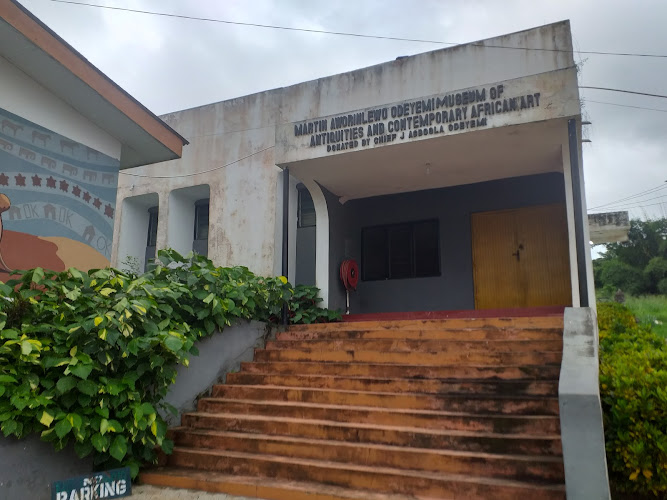
The Museum of Antiquities and Contemporary African Art offers travelers a fascinating journey through time, connecting ancient civilizations with modern artistic movements across the African continent.
Highlights & Key Features
Key Features
Best Time to Visit
How to Get There
Tips for Visiting
Visitor Guide & Information
Description
What makes this museum particularly compelling is its dual focus—you won’t find many places where you can examine ancient pottery from forgotten kingdoms in one gallery and then walk into another room filled with bold, thought-provoking installations by today’s African artists. This juxtaposition creates an interesting dialogue between past and present, showing how artistic traditions evolve while maintaining deep cultural roots.
The museum serves as an important educational resource for anyone wanting to understand Africa’s rich artistic heritage beyond the simplified narratives often presented elsewhere. And honestly, that’s refreshing. Too many institutions still treat African art as a monolithic concept, but here you’ll see the incredible diversity across regions, time periods, and cultural practices.
Families will find the museum welcoming for children, with restroom facilities available for convenience during your visit. The space itself encourages contemplation and learning, though you should know there isn’t a restaurant on-site, so plan your meal times accordingly.
Key Features
The museum distinguishes itself through several noteworthy characteristics that enhance the visitor experience:
Dual Collection Approach: The museum’s unique combination of antiquities and contemporary works creates an educational narrative that spans millennia, allowing visitors to trace artistic evolution and cultural continuity across African societies.
Archaeological Treasures: Ancient artifacts on display include ceremonial objects, tools, sculptures, and everyday items that provide insight into historical African civilizations and their sophisticated artistic traditions.
Contemporary Gallery Spaces: Modern African artists receive prominent representation through rotating exhibitions and permanent installations that challenge perceptions and showcase the continent’s thriving contemporary art scene.
Educational Programming: The museum functions as a learning center where visitors can deepen their understanding of African cultural heritage through thoughtfully arranged exhibitions and interpretive materials.
Family-Friendly Environment: Children are welcome throughout the museum, making it an excellent destination for families seeking educational experiences that engage multiple generations.
Restroom Facilities: Clean, accessible restrooms ensure visitor comfort during extended exploration of the collections.
Cultural Context: Exhibitions provide historical and cultural context for artworks, helping visitors understand the significance and meaning behind creative expressions from various African communities.
Diverse Regional Representation: The collection draws from multiple African regions, highlighting the continent’s artistic diversity rather than presenting a homogenized view.
Best Time to Visit
Planning when to visit can significantly impact your museum experience. Weekday mornings tend to offer the most peaceful atmosphere for those who prefer contemplating artworks without crowds. I’ve found that arriving shortly after opening allows you to move through galleries at your own pace, giving you time to really absorb the details of both the antiquities and contemporary pieces.
Weekend visits bring more families and casual visitors, which creates a different energy—sometimes you overhear interesting conversations or watch children react to the art in ways that add unexpected perspectives. But if you’re someone who gets distracted easily or prefers solitude while viewing exhibitions, weekends might test your patience.
The museum doesn’t experience dramatic seasonal fluctuations like outdoor attractions, which means you can visit comfortably year-round. However, consider checking if there are special exhibitions or events scheduled during your travel dates. Contemporary art exhibitions often rotate every few months, so timing your visit around a particular show might enhance your experience if you have specific artistic interests.
Avoid the middle of the day if possible, particularly during school vacation periods when educational groups might be scheduled. Late afternoon visits, an hour or two before closing, often provide another quiet window for exploration, though you’ll need to manage your time carefully to see everything.
For photographers—and let’s be honest, most travelers want documentation—natural light conditions remain fairly consistent inside the museum throughout the day, so lighting shouldn’t be a major factor in timing your visit.
How to Get There
Reaching the Museum of Antiquities and Contemporary African Art requires some planning, but the journey is part of the adventure. The museum’s location makes it accessible through various transportation methods, though options vary depending on your starting point and travel preferences.
Taxi services provide the most straightforward option for travelers unfamiliar with the area. Simply show the driver the museum’s name, and they’ll know where to take you. And while ride-sharing apps have transformed travel in many cities, availability depends on local infrastructure, so have a backup plan ready.
Public transportation can work well for budget-conscious travelers or those who enjoy experiencing local life. Research bus routes or metro connections before departing your accommodation—asking locals for directions often yields helpful insider knowledge about the fastest routes or which stops bring you closest to the entrance.
If you’re renting a vehicle, parking availability becomes your primary concern. The museum may have limited parking spaces, so arriving early increases your chances of finding a convenient spot. Some travelers park in nearby public areas and walk the final distance, which also gives you an opportunity to observe the surrounding neighborhood.
Walking from nearby hotels or tourist areas might be feasible depending on distance and your mobility level. The exercise provides a nice counterbalance to the stationary nature of museum visiting, and you’ll probably discover interesting streets or local businesses along the way.
Consider combining your museum visit with other nearby attractions to maximize transportation efficiency. Cultural institutions often cluster in specific districts, allowing you to experience multiple sites without constantly relocating.
Tips for Visiting
Here’s what I wish someone had told me before my museum visits—practical advice that makes the difference between a good experience and a great one.
Bring water and snacks since there’s no restaurant on-site. You can usually store these items in a bag during your visit and take breaks as needed. Museum fatigue is real, and maintaining your energy levels helps you stay engaged with the exhibitions rather than rushing through because you’re hungry or thirsty.
Allocate at least two to three hours for a thorough visit. Rushing through diminishes the experience, and you’ll miss subtle details that make both the antiquities and contemporary pieces special. Some artworks demand time—they reveal themselves slowly, rewarding patient observation.
Photography policies vary by museum, so check regulations before snapping pictures. Even if photography is permitted, be mindful of other visitors and avoid using flash, which can damage sensitive artifacts and annoy everyone around you.
Comfortable footwear isn’t optional—it’s essential. You’ll be standing and walking on hard floors for extended periods, and sore feet will cut your visit short. Save the fashionable-but-painful shoes for dinner.
Engage with the interpretive materials provided. Plaques, wall texts, and informational brochures add layers of meaning to what you’re seeing. I sometimes skip these when I’m impatient, but I always regret it later because the context transforms appreciation.
Consider visiting the antiquities section first, then moving to contemporary galleries. This chronological approach helps you understand artistic evolution and makes connections between historical traditions and modern interpretations more apparent.
If you’re traveling with children, prepare them beforehand about museum behavior expectations. But also allow them to respond authentically to the art—their fresh perspectives often illuminate aspects adults overlook. Bringing a small notebook where kids can sketch their favorite pieces keeps them engaged while developing observation skills.
Don’t try to see absolutely everything if the collection is extensive. Museum exhaustion leads to diminishing returns where you stop actually seeing and start just moving from room to room. It’s better to spend quality time with fewer pieces than to blur through everything.
Check whether guided tours are available. Knowledgeable guides provide context and stories that bring static displays to life, though some travelers prefer independent exploration. Know your learning style and choose accordingly.
Respect the space and other visitors by keeping voices low and giving people room to view popular pieces. We’re all sharing this cultural resource, and consideration makes the experience better for everyone.
Finally, spend a few minutes in reflection after your visit, perhaps in a nearby cafe or park. Processing what you’ve seen helps consolidate memories and insights before jumping to your next activity. The museum experience shouldn’t end when you walk out the door—it’s just beginning.
The Museum of Antiquities and Contemporary African Art offers travelers a fascinating journey through time, connecting ancient civilizations with modern artistic movements across the African continent. Visitors stepping into this cultural institution discover a carefully curated collection that bridges thousands of years of human creativity, presenting both archaeological treasures and cutting-edge contemporary works under one roof.
What makes this museum particularly compelling is its dual focus—you won’t find many places where you can examine ancient pottery from forgotten kingdoms in one gallery and then walk into another room filled with bold, thought-provoking installations by today’s African artists. This juxtaposition creates an interesting dialogue between past and present, showing how artistic traditions evolve while maintaining deep cultural roots.
The museum serves as an important educational resource for anyone wanting to understand Africa’s rich artistic heritage beyond the simplified narratives often presented elsewhere. And honestly, that’s refreshing. Too many institutions still treat African art as a monolithic concept, but here you’ll see the incredible diversity across regions, time periods, and cultural practices.
Families will find the museum welcoming for children, with restroom facilities available for convenience during your visit. The space itself encourages contemplation and learning, though you should know there isn’t a restaurant on-site, so plan your meal times accordingly.
Key Features
The museum distinguishes itself through several noteworthy characteristics that enhance the visitor experience:
Dual Collection Approach: The museum’s unique combination of antiquities and contemporary works creates an educational narrative that spans millennia, allowing visitors to trace artistic evolution and cultural continuity across African societies.
Archaeological Treasures: Ancient artifacts on display include ceremonial objects, tools, sculptures, and everyday items that provide insight into historical African civilizations and their sophisticated artistic traditions.
Contemporary Gallery Spaces: Modern African artists receive prominent representation through rotating exhibitions and permanent installations that challenge perceptions and showcase the continent’s thriving contemporary art scene.
Educational Programming: The museum functions as a learning center where visitors can deepen their understanding of African cultural heritage through thoughtfully arranged exhibitions and interpretive materials.
Family-Friendly Environment: Children are welcome throughout the museum, making it an excellent destination for families seeking educational experiences that engage multiple generations.
Restroom Facilities: Clean, accessible restrooms ensure visitor comfort during extended exploration of the collections.
Cultural Context: Exhibitions provide historical and cultural context for artworks, helping visitors understand the significance and meaning behind creative expressions from various African communities.
Diverse Regional Representation: The collection draws from multiple African regions, highlighting the continent’s artistic diversity rather than presenting a homogenized view.
Best Time to Visit
Planning when to visit can significantly impact your museum experience. Weekday mornings tend to offer the most peaceful atmosphere for those who prefer contemplating artworks without crowds. I’ve found that arriving shortly after opening allows you to move through galleries at your own pace, giving you time to really absorb the details of both the antiquities and contemporary pieces.
Weekend visits bring more families and casual visitors, which creates a different energy—sometimes you overhear interesting conversations or watch children react to the art in ways that add unexpected perspectives. But if you’re someone who gets distracted easily or prefers solitude while viewing exhibitions, weekends might test your patience.
The museum doesn’t experience dramatic seasonal fluctuations like outdoor attractions, which means you can visit comfortably year-round. However, consider checking if there are special exhibitions or events scheduled during your travel dates. Contemporary art exhibitions often rotate every few months, so timing your visit around a particular show might enhance your experience if you have specific artistic interests.
Avoid the middle of the day if possible, particularly during school vacation periods when educational groups might be scheduled. Late afternoon visits, an hour or two before closing, often provide another quiet window for exploration, though you’ll need to manage your time carefully to see everything.
For photographers—and let’s be honest, most travelers want documentation—natural light conditions remain fairly consistent inside the museum throughout the day, so lighting shouldn’t be a major factor in timing your visit.
How to Get There
Reaching the Museum of Antiquities and Contemporary African Art requires some planning, but the journey is part of the adventure. The museum’s location makes it accessible through various transportation methods, though options vary depending on your starting point and travel preferences.
Taxi services provide the most straightforward option for travelers unfamiliar with the area. Simply show the driver the museum’s name, and they’ll know where to take you. And while ride-sharing apps have transformed travel in many cities, availability depends on local infrastructure, so have a backup plan ready.
Public transportation can work well for budget-conscious travelers or those who enjoy experiencing local life. Research bus routes or metro connections before departing your accommodation—asking locals for directions often yields helpful insider knowledge about the fastest routes or which stops bring you closest to the entrance.
If you’re renting a vehicle, parking availability becomes your primary concern. The museum may have limited parking spaces, so arriving early increases your chances of finding a convenient spot. Some travelers park in nearby public areas and walk the final distance, which also gives you an opportunity to observe the surrounding neighborhood.
Walking from nearby hotels or tourist areas might be feasible depending on distance and your mobility level. The exercise provides a nice counterbalance to the stationary nature of museum visiting, and you’ll probably discover interesting streets or local businesses along the way.
Consider combining your museum visit with other nearby attractions to maximize transportation efficiency. Cultural institutions often cluster in specific districts, allowing you to experience multiple sites without constantly relocating.
Tips for Visiting
Here’s what I wish someone had told me before my museum visits—practical advice that makes the difference between a good experience and a great one.
Bring water and snacks since there’s no restaurant on-site. You can usually store these items in a bag during your visit and take breaks as needed. Museum fatigue is real, and maintaining your energy levels helps you stay engaged with the exhibitions rather than rushing through because you’re hungry or thirsty.
Allocate at least two to three hours for a thorough visit. Rushing through diminishes the experience, and you’ll miss subtle details that make both the antiquities and contemporary pieces special. Some artworks demand time—they reveal themselves slowly, rewarding patient observation.
Photography policies vary by museum, so check regulations before snapping pictures. Even if photography is permitted, be mindful of other visitors and avoid using flash, which can damage sensitive artifacts and annoy everyone around you.
Comfortable footwear isn’t optional—it’s essential. You’ll be standing and walking on hard floors for extended periods, and sore feet will cut your visit short. Save the fashionable-but-painful shoes for dinner.
Engage with the interpretive materials provided. Plaques, wall texts, and informational brochures add layers of meaning to what you’re seeing. I sometimes skip these when I’m impatient, but I always regret it later because the context transforms appreciation.
Consider visiting the antiquities section first, then moving to contemporary galleries. This chronological approach helps you understand artistic evolution and makes connections between historical traditions and modern interpretations more apparent.
If you’re traveling with children, prepare them beforehand about museum behavior expectations. But also allow them to respond authentically to the art—their fresh perspectives often illuminate aspects adults overlook. Bringing a small notebook where kids can sketch their favorite pieces keeps them engaged while developing observation skills.
Don’t try to see absolutely everything if the collection is extensive. Museum exhaustion leads to diminishing returns where you stop actually seeing and start just moving from room to room. It’s better to spend quality time with fewer pieces than to blur through everything.
Check whether guided tours are available. Knowledgeable guides provide context and stories that bring static displays to life, though some travelers prefer independent exploration. Know your learning style and choose accordingly.
Respect the space and other visitors by keeping voices low and giving people room to view popular pieces. We’re all sharing this cultural resource, and consideration makes the experience better for everyone.
Finally, spend a few minutes in reflection after your visit, perhaps in a nearby cafe or park. Processing what you’ve seen helps consolidate memories and insights before jumping to your next activity. The museum experience shouldn’t end when you walk out the door—it’s just beginning.
Key Highlights
Key Features
Best Time to Visit
How to Get There
Tips for Visiting
Location
Places to Stay Near Museum of Antiquities and Contemporary African Art
Explore verified points of interest within walking or short transit distance.
No neighboring places mapped within 5 km yet.
Find Places to Stay Nearby
Stay22 provides this accommodation search. We may earn a commission if you book through it; verify current prices and terms with the provider.
🗺️
Interactive accommodation map requires marketing cookies to display live rates.
Recommended Experiences & Activities
GetYourGuide provides this tour inventory. We may earn a commission if you book through it; verify current availability, prices, and terms with the provider.
Top Viator Experiences & Guided Tours in Kajola
We may earn a commission if you book through links on this page at no extra cost to you. All tours feature verified customer reviews and flexible cancellation options.