About Mercato delle Erbe

Description

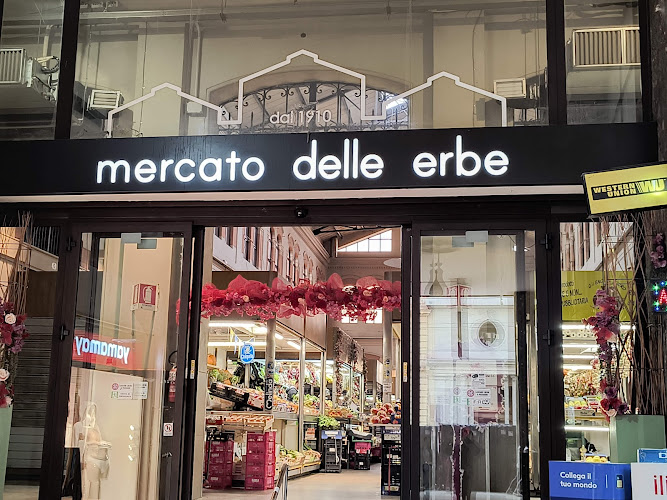
The Mercato delle Erbe is the kind of place travelers say they want to find, but don’t always manage to. It’s an indoor market hall that actually works as a daily shopping spot for locals, not just a postcard backdrop. And honestly, that’s what makes it interesting. The building itself dates back to the early 1900s, and you can feel that age in a good way, in the worn stone floors and the way the stalls are laid out like they’ve been doing the same thing for generations.

Walking inside, the first thing you’ll notice is sound. Vendors calling out prices, knives thudding against chopping boards, espresso machines hissing like they’re impatient with you. There’s food everywhere, obviously. Mountains of vegetables that still smell like soil, wheels of cheese stacked higher than you think they should be allowed to, cured meats hanging casually as if gravity doesn’t apply to them. It’s not curated or styled for Instagram, and thank goodness for that.

I remember my first visit here pretty clearly. I was jet-lagged, slightly lost, and desperately hungry. I wandered in expecting a quick look and maybe a snack. Two hours later I was still there, sipping wine at one of the small eateries, watching a butcher explain cuts of meat to a local nonna with the patience of a saint. That’s the Mercato delle Erbe in a nutshell. You come for food, but you stay for the rhythm of daily life.

There are dining counters scattered throughout the market, serving everything from simple pasta dishes to seafood plates that smell like the Adriatic. Some people complain it’s become more touristy over the years. And sure, you’ll hear English, Spanish, German floating around. But locals still shop here, still argue over prices, still stop for a glass of something after work. That balance is harder to fake than people think.

Key Features

  • Large indoor market hall with dozens of independent stalls selling fresh produce, meat, fish, bread, and cheeses
  • On-site eateries offering ready-to-eat meals, from traditional Bolognese dishes to lighter bites
  • Mix of long-standing family-run vendors and newer food concepts
  • Wheelchair accessible entrance and restrooms, which is not always a given in historic market buildings
  • Restrooms available on-site, practical and appreciated when you’re spending a few hours inside
  • Multiple payment options including credit cards, debit cards, and mobile payments
  • A covered space, making it a reliable stop regardless of weather
  • Strong local atmosphere that still feels lived-in, not staged

Best Time to Visit

If you want to see the Mercato delle Erbe at its most authentic, aim for late morning on a weekday. That’s when locals are doing their serious shopping, and the stalls are fully stocked. You’ll see chefs from nearby restaurants picking out ingredients, office workers grabbing something quick, and retirees chatting like they have nowhere else to be. Which they probably don’t.

Early afternoons can feel a bit quieter, almost like the market is catching its breath. Some stalls may close briefly, especially after lunch. Then there’s the evening shift, when the food counters get busier and the market turns into a casual dining spot. It’s lively, sometimes crowded, but fun if you enjoy that after-work buzz.

Weekends are a mixed bag. Saturdays are busy and energetic, but also more crowded. Sundays tend to be calmer, though not everything may be open. Personally, I avoid peak lunch hours if I’m in a hurry. But if you’ve got time to spare, leaning into the chaos can be part of the experience. Just don’t expect a quiet wander.

How to Get There

The market is located in Bologna’s historic center, which means getting there is half the experience. Most travelers will arrive on foot, weaving through narrow streets lined with arcades. And yes, you’ll probably get lost once or twice. That’s fine. Bologna is forgiving like that.

If you’re using public transport, several bus lines stop within a short walk. The area is well connected, and signs around the city make it fairly easy to orient yourself. Taxis can drop you nearby, though cars aren’t really meant for these streets, so expect a short walk regardless.

From the main train station, it’s an easy walk if you’re comfortable with about 15 to 20 minutes on foot. I’ve done it dragging a suitcase and lived to tell the tale. But if you’re tired, hop on a bus. No shame in that.

Tips for Visiting

First tip, and I say this from experience: arrive hungry, but not starving. If you’re too hungry, you’ll panic-order the first thing you see and miss out on better options deeper inside. Take one slow lap before deciding where to eat.

Don’t be afraid to ask questions. Vendors here are generally happy to explain what something is, how to cook it, or where it comes from. A little Italian goes a long way, even if it’s just buongiorno and grazie. And yes, sometimes the response will be a rapid-fire explanation you don’t fully understand. Smile and nod. It’s part of the charm.

If you’re planning to buy fresh food to take away, remember where you’re staying. That amazing cheese might not survive a day without refrigeration. I once made that mistake and regretted it deeply. On the flip side, cured meats and bread are safer bets.

Keep an eye on your belongings, especially during busy hours. The market is generally safe, but crowds are crowds. Basic awareness goes a long way.

And finally, don’t rush it. The Mercato delle Erbe isn’t just about ticking off a tourist attraction. Sit down. Have a drink. Watch people. Listen. Markets like this are disappearing in a lot of cities, replaced by sterile food halls that look nice but feel empty. This one still has a pulse. Let yourself feel it, even if that means staying longer than planned.

Key Features

  • Large indoor market hall with dozens of independent stalls selling fresh produce, meat, fish, bread, and cheeses
  • On-site eateries offering ready-to-eat meals, from traditional Bolognese dishes to lighter bites
  • Mix of long-standing family-run vendors and newer food concepts
  • Wheelchair accessible entrance and restrooms, which is not always a given in historic market buildings
  • Restrooms available on-site, practical and appreciated when you’re spending a few hours inside
  • Multiple payment options including credit cards, debit cards, and mobile payments
  • A covered space, making it a reliable stop regardless of weather
  • Strong local atmosphere that still feels lived-in, not staged

More Details

Updated December 31, 2025

Description

The Mercato delle Erbe is the kind of place travelers say they want to find, but don’t always manage to. It’s an indoor market hall that actually works as a daily shopping spot for locals, not just a postcard backdrop. And honestly, that’s what makes it interesting. The building itself dates back to the early 1900s, and you can feel that age in a good way, in the worn stone floors and the way the stalls are laid out like they’ve been doing the same thing for generations.

Walking inside, the first thing you’ll notice is sound. Vendors calling out prices, knives thudding against chopping boards, espresso machines hissing like they’re impatient with you. There’s food everywhere, obviously. Mountains of vegetables that still smell like soil, wheels of cheese stacked higher than you think they should be allowed to, cured meats hanging casually as if gravity doesn’t apply to them. It’s not curated or styled for Instagram, and thank goodness for that.

I remember my first visit here pretty clearly. I was jet-lagged, slightly lost, and desperately hungry. I wandered in expecting a quick look and maybe a snack. Two hours later I was still there, sipping wine at one of the small eateries, watching a butcher explain cuts of meat to a local nonna with the patience of a saint. That’s the Mercato delle Erbe in a nutshell. You come for food, but you stay for the rhythm of daily life.

There are dining counters scattered throughout the market, serving everything from simple pasta dishes to seafood plates that smell like the Adriatic. Some people complain it’s become more touristy over the years. And sure, you’ll hear English, Spanish, German floating around. But locals still shop here, still argue over prices, still stop for a glass of something after work. That balance is harder to fake than people think.

Key Features

  • Large indoor market hall with dozens of independent stalls selling fresh produce, meat, fish, bread, and cheeses
  • On-site eateries offering ready-to-eat meals, from traditional Bolognese dishes to lighter bites
  • Mix of long-standing family-run vendors and newer food concepts
  • Wheelchair accessible entrance and restrooms, which is not always a given in historic market buildings
  • Restrooms available on-site, practical and appreciated when you’re spending a few hours inside
  • Multiple payment options including credit cards, debit cards, and mobile payments
  • A covered space, making it a reliable stop regardless of weather
  • Strong local atmosphere that still feels lived-in, not staged

Best Time to Visit

If you want to see the Mercato delle Erbe at its most authentic, aim for late morning on a weekday. That’s when locals are doing their serious shopping, and the stalls are fully stocked. You’ll see chefs from nearby restaurants picking out ingredients, office workers grabbing something quick, and retirees chatting like they have nowhere else to be. Which they probably don’t.

Early afternoons can feel a bit quieter, almost like the market is catching its breath. Some stalls may close briefly, especially after lunch. Then there’s the evening shift, when the food counters get busier and the market turns into a casual dining spot. It’s lively, sometimes crowded, but fun if you enjoy that after-work buzz.

Weekends are a mixed bag. Saturdays are busy and energetic, but also more crowded. Sundays tend to be calmer, though not everything may be open. Personally, I avoid peak lunch hours if I’m in a hurry. But if you’ve got time to spare, leaning into the chaos can be part of the experience. Just don’t expect a quiet wander.

How to Get There

The market is located in Bologna’s historic center, which means getting there is half the experience. Most travelers will arrive on foot, weaving through narrow streets lined with arcades. And yes, you’ll probably get lost once or twice. That’s fine. Bologna is forgiving like that.

If you’re using public transport, several bus lines stop within a short walk. The area is well connected, and signs around the city make it fairly easy to orient yourself. Taxis can drop you nearby, though cars aren’t really meant for these streets, so expect a short walk regardless.

From the main train station, it’s an easy walk if you’re comfortable with about 15 to 20 minutes on foot. I’ve done it dragging a suitcase and lived to tell the tale. But if you’re tired, hop on a bus. No shame in that.

Tips for Visiting

First tip, and I say this from experience: arrive hungry, but not starving. If you’re too hungry, you’ll panic-order the first thing you see and miss out on better options deeper inside. Take one slow lap before deciding where to eat.

Don’t be afraid to ask questions. Vendors here are generally happy to explain what something is, how to cook it, or where it comes from. A little Italian goes a long way, even if it’s just buongiorno and grazie. And yes, sometimes the response will be a rapid-fire explanation you don’t fully understand. Smile and nod. It’s part of the charm.

If you’re planning to buy fresh food to take away, remember where you’re staying. That amazing cheese might not survive a day without refrigeration. I once made that mistake and regretted it deeply. On the flip side, cured meats and bread are safer bets.

Keep an eye on your belongings, especially during busy hours. The market is generally safe, but crowds are crowds. Basic awareness goes a long way.

And finally, don’t rush it. The Mercato delle Erbe isn’t just about ticking off a tourist attraction. Sit down. Have a drink. Watch people. Listen. Markets like this are disappearing in a lot of cities, replaced by sterile food halls that look nice but feel empty. This one still has a pulse. Let yourself feel it, even if that means staying longer than planned.

Key Highlights

  • Large indoor market hall with dozens of independent stalls selling fresh produce, meat, fish, bread, and cheeses
  • On-site eateries offering ready-to-eat meals, from traditional Bolognese dishes to lighter bites
  • Mix of long-standing family-run vendors and newer food concepts
  • Wheelchair accessible entrance and restrooms, which is not always a given in historic market buildings
  • Restrooms available on-site, practical and appreciated when you’re spending a few hours inside
  • Multiple payment options including credit cards, debit cards, and mobile payments
  • A covered space, making it a reliable stop regardless of weather
  • Strong local atmosphere that still feels lived-in, not staged

Location

Places to Stay Near Mercato delle Erbe

Find and Book a Tour

Explore More Travel Guides

No reviews found! Be the first to review!

Traveler Reviews for Mercato delle Erbe

There are no reviews yet. Be the first one to write one.

Share Your Experience

Have you visited Mercato delle Erbe? Help other travelers by sharing your review.

Find Accommodations Nearby

Recommended Tours & Activities

Visitor Reviews

There are no reviews yet. Be the first one to write one.

Share Your Experience

Have you visited Mercato delle Erbe? Help other travelers by leaving a review.