
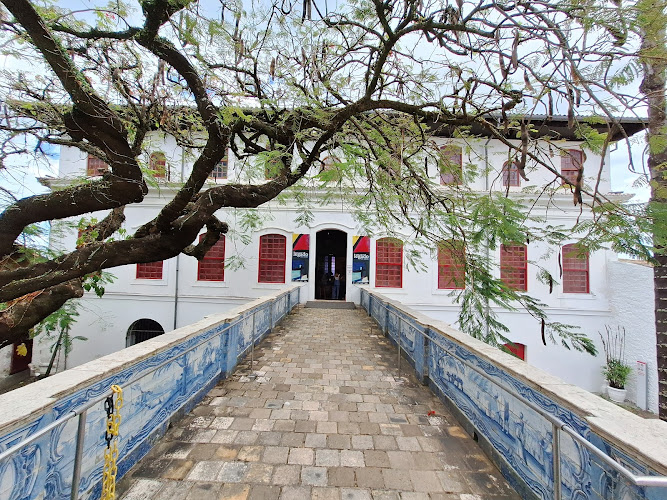
MAM – Museu de Arte Moderna da Bahia
About MAM – Museu de Arte Moderna da Bahia
Description
MAM - Museu de Arte Moderna da Bahia stands out along the bay in Salvador as a waterside building that hosts one of the region's best-loved collections of international contemporary art. The museum reads like a conversation between local Bahian voices and wider global currents: contemporary artists from Brazil share wall space with international names, installations sit beside sculptures, and temporary exhibitions rotate with a healthy pace so there is almost always something new to discover. Visitors often say it feels less like a sterile temple of art and more like a public living room where ideas meet the city.
Architecturally, MAM sits low and horizontal, hugging the shoreline in a way that invites reflection — literally. On calm days the water mirrors the façade and the sculptures on the terrace, and on windier afternoons the sound of the bay becomes part of the experience. The layout encourages a relaxed, meandering visit: galleries are connected by courtyards and outdoor terraces, and that means light and sea breezes play roles in how artworks are perceived. It is designed so that a casual passerby might stop in, and a serious collector might spend hours. That duality is oddly satisfying.
Inside, the collection leans into modern and contemporary practices: paintings, photographic series, conceptual works, and site-specific installations that respond to Bahia's culture and history. There is a noticeable respect for Bahian and Afro-Brazilian artistic traditions combined with an openness to experimental media. Visitors will encounter both established Brazilian artists and younger, emergent creators from Salvador and beyond. Exhibitions frequently examine identity, social histories, and the dynamics of place — themes that resonate strongly in a city rich with colonial layers and Afro-Brazilian heritage.
MAM is more than a static collection. It regularly stages live performances and cultural events that animate the space: small concerts, performance art, and curated talks happen often enough that a repeat visit rarely feels redundant. These programs are a tangible reason why many locals recommend checking the museum's schedule before arriving. A weekday afternoon exhibition can transform into an evening performance that alters the tone of the entire building — in a good way. People who think of museums only as quiet galleries will be pleasantly surprised.
Practical aspects matter here, and the museum ticks many boxes. There is an on-site restaurant and restrooms, which makes longer visits feasible without the need to dash into downtown. Accessibility has been taken seriously: the entrance, parking, and restrooms are wheelchair accessible, and staff are generally helpful. Families with children report the museum is welcoming to kids — the layout and mix of visual media keep young eyes engaged — and the museum cultivates an inclusive atmosphere, noted particularly by LGBTQ+ visitors and groups in need of safe, respectful public spaces.
The visitor experience is shaped not only by what is hung on the walls but by small, human details. Staff at the ticket desk are used to travelers who speak little Portuguese and often help with basic directions and recommendations. On several visits people notice volunteer docents eager to point out a lesser-known work they love, or to explain the local context of an artist. There is a bit of casual warmth that disarms first-timers. That said, the museum also attracts an array of opinions: some visitors adore the experimental shows and live events, while others prefer more traditional museum formats. The balance of praise and constructive critique is part of the museum's public life — it keeps the place dynamic, and sometimes messy, and that can be refreshing.
Because of its waterside position and public terraces, MAM doubles as a good spot for photography. The combination of contemporary art, coastal light, and Salvador skyline creates unexpectedly good frames — for postcards, social media, or just personal keepsakes. Photographers should bring a wide-angle lens if they plan to shoot the exterior and terraces; interior shots vary due to exhibition lighting and conservation rules, so a gentle approach is advised. Also, remember: some temporary exhibits may restrict photography, especially for performance work or sensitive installations.
Practical visitors appreciate the free parking lot and the easy on-foot access from parts of the central district. Those who prefer to plan ahead should know that while the museum is family- and LGBTQ+ friendly and provides basic amenities, special exhibitions may draw larger crowds or have separate admission terms. A little planning — checking exhibition schedules, arriving earlier in the day, and leaving time to eat at the museum restaurant — will make a visit smoother.
Finally, one small anecdote that circulates among repeat visitors: there is an unspoken tradition of lingering over a coffee on the terrace watching boats cut across the bay after a long gallery walk. It sounds trivial, but it’s that pause — a quiet resettling of the senses after confronting new art — that many remember most. In short, MAM - Museu de Arte Moderna da Bahia is a place where contemporary art meets public life, where exhibitions provoke and performances surprise, and where the sea sometimes steals the show. It is not perfect — and it doesn't try to be — but for travelers seeking a meaningful encounter with modern art in Salvador, it is a strongly recommended stop.
Key Features
More Details
Updated August 29, 2025
Table of Contents
Description
MAM – Museu de Arte Moderna da Bahia stands out along the bay in Salvador as a waterside building that hosts one of the region’s best-loved collections of international contemporary art. The museum reads like a conversation between local Bahian voices and wider global currents: contemporary artists from Brazil share wall space with international names, installations sit beside sculptures, and temporary exhibitions rotate with a healthy pace so there is almost always something new to discover. Visitors often say it feels less like a sterile temple of art and more like a public living room where ideas meet the city.
Architecturally, MAM sits low and horizontal, hugging the shoreline in a way that invites reflection — literally. On calm days the water mirrors the façade and the sculptures on the terrace, and on windier afternoons the sound of the bay becomes part of the experience. The layout encourages a relaxed, meandering visit: galleries are connected by courtyards and outdoor terraces, and that means light and sea breezes play roles in how artworks are perceived. It is designed so that a casual passerby might stop in, and a serious collector might spend hours. That duality is oddly satisfying.
Inside, the collection leans into modern and contemporary practices: paintings, photographic series, conceptual works, and site-specific installations that respond to Bahia’s culture and history. There is a noticeable respect for Bahian and Afro-Brazilian artistic traditions combined with an openness to experimental media. Visitors will encounter both established Brazilian artists and younger, emergent creators from Salvador and beyond. Exhibitions frequently examine identity, social histories, and the dynamics of place — themes that resonate strongly in a city rich with colonial layers and Afro-Brazilian heritage.
MAM is more than a static collection. It regularly stages live performances and cultural events that animate the space: small concerts, performance art, and curated talks happen often enough that a repeat visit rarely feels redundant. These programs are a tangible reason why many locals recommend checking the museum’s schedule before arriving. A weekday afternoon exhibition can transform into an evening performance that alters the tone of the entire building — in a good way. People who think of museums only as quiet galleries will be pleasantly surprised.
Practical aspects matter here, and the museum ticks many boxes. There is an on-site restaurant and restrooms, which makes longer visits feasible without the need to dash into downtown. Accessibility has been taken seriously: the entrance, parking, and restrooms are wheelchair accessible, and staff are generally helpful. Families with children report the museum is welcoming to kids — the layout and mix of visual media keep young eyes engaged — and the museum cultivates an inclusive atmosphere, noted particularly by LGBTQ+ visitors and groups in need of safe, respectful public spaces.
The visitor experience is shaped not only by what is hung on the walls but by small, human details. Staff at the ticket desk are used to travelers who speak little Portuguese and often help with basic directions and recommendations. On several visits people notice volunteer docents eager to point out a lesser-known work they love, or to explain the local context of an artist. There is a bit of casual warmth that disarms first-timers. That said, the museum also attracts an array of opinions: some visitors adore the experimental shows and live events, while others prefer more traditional museum formats. The balance of praise and constructive critique is part of the museum’s public life — it keeps the place dynamic, and sometimes messy, and that can be refreshing.
Because of its waterside position and public terraces, MAM doubles as a good spot for photography. The combination of contemporary art, coastal light, and Salvador skyline creates unexpectedly good frames — for postcards, social media, or just personal keepsakes. Photographers should bring a wide-angle lens if they plan to shoot the exterior and terraces; interior shots vary due to exhibition lighting and conservation rules, so a gentle approach is advised. Also, remember: some temporary exhibits may restrict photography, especially for performance work or sensitive installations.
Practical visitors appreciate the free parking lot and the easy on-foot access from parts of the central district. Those who prefer to plan ahead should know that while the museum is family- and LGBTQ+ friendly and provides basic amenities, special exhibitions may draw larger crowds or have separate admission terms. A little planning — checking exhibition schedules, arriving earlier in the day, and leaving time to eat at the museum restaurant — will make a visit smoother.
Finally, one small anecdote that circulates among repeat visitors: there is an unspoken tradition of lingering over a coffee on the terrace watching boats cut across the bay after a long gallery walk. It sounds trivial, but it’s that pause — a quiet resettling of the senses after confronting new art — that many remember most. In short, MAM – Museu de Arte Moderna da Bahia is a place where contemporary art meets public life, where exhibitions provoke and performances surprise, and where the sea sometimes steals the show. It is not perfect — and it doesn’t try to be — but for travelers seeking a meaningful encounter with modern art in Salvador, it is a strongly recommended stop.
Key Highlights
MAM – Museu de Arte Moderna da Bahia
Location
Places to Stay Near MAM - Museu de Arte Moderna da Bahia
Find and Book a Tour
Explore More Travel Guides
No reviews found! Be the first to review!
Traveler Reviews for MAM – Museu de Arte Moderna da Bahia
There are no reviews yet. Be the first one to write one.
Have you visited MAM – Museu de Arte Moderna da Bahia? Help other travelers by sharing your review.
You Might Also Like
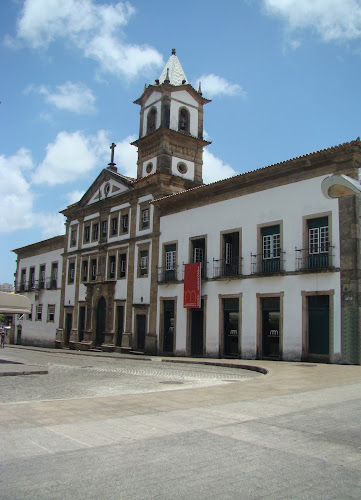
Museum of Mercy
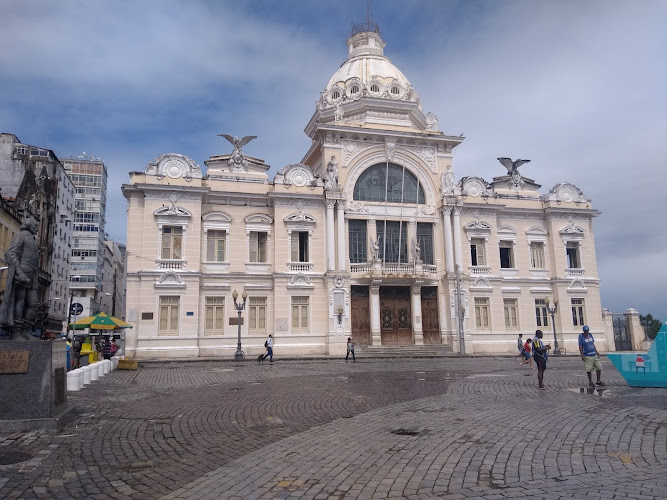
Rio Branco Palace

Cultural Afro Brazilian Museum
Find Accommodations Nearby
Recommended Tours & Activities
Visitor Reviews
There are no reviews yet. Be the first one to write one.
Share Your Experience
Have you visited MAM – Museu de Arte Moderna da Bahia? Help other travelers by leaving a review.