
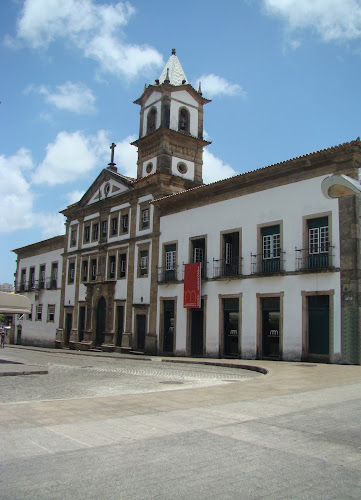
Museum of Mercy
About Museum of Mercy
Description
The Museum of Mercy sits inside a 17th century mansion in Salvador's historic center, a building that looks like it has more stories than the city itself. The place acts as a time capsule: rooms with high wooden ceilings, creaky staircases, carved lintels and a collection that ranges from religious objects and colonial-era furniture to regional artworks and everyday items that tell the quieter side of Bahia's history. The museum does not shout. It whispers. And those whispers—of trade, faith, resistance, and craft—are the reason many visitors linger longer than they planned.
Housed within former institutional walls, the Museum of Mercy focuses on regional history and artistic expression. The curators mixed traditional displays with a few unexpected touches: a small theatre corner for live music, rotating contemporary exhibits that dialogue with the old objects, and intimate labels that actually tell a story rather than just list a date. These choices make the visit feel like a conversation with the past; not a lecture. People who love architecture will spend time on decorative tiles and the way the mansion's windows frame the narrow cobbled streets of the historic center. People interested in culture and social history will find artifacts linked to everyday life in Bahia—tools, costumes, religious paraphernalia, and artworks that reflect Afro-Brazilian influences and local craftsmanship.
Music is part of the building's life. The museum regularly hosts live performances—small ensembles, traditional Afro-Brazilian percussion, occasional singer-songwriters—which animate galleries in a non-invasive way. The acoustics inside the older rooms are surprisingly warm; a drumbeat or a lone guitar can make the wood and stone hum. Someone once described it as history with pulse. It’s a good phrase. It captures that odd double feeling visitors report: learning and being moved at once.
Accessibility is a clear practical strength. The Museum of Mercy provides a wheelchair-accessible entrance and restroom, which is more notable than it sounds in a centuries-old building. Not every historic house makes that effort, and it makes a big difference for families traveling with strollers, older visitors, or anyone with mobility concerns. The museum also keeps standard restrooms on site. There isn’t an on-site restaurant, so plan accordingly, but small cafés and snack stalls dot the surrounding streets of the Centro Histórico. Staff tend to be friendly and helpful, and they sometimes go out of their way to point visitors toward a quiet courtyard or a nearby viewpoint that photographers like.
Families find the museum surprisingly kid-friendly. The displays are tactile in a few select areas, and docents sometimes tailor short, interactive talks when groups include children. That said, the museum’s strengths are its slower, reflective moments—so it’s perfect for families who can appreciate an unhurried pace. For parents who want to split activities, the nearby streets of Pelourinho offer street performers and colorful façades to chase while younger kids digest what they saw indoors.
What sets the Museum of Mercy apart from other museums in Salvador is a combination of scale, intimacy and local focus. The collection is large enough to be impressive—ceramics, religious iconography, paintings, furniture, and objects of daily life—yet the museum never feels anonymous. Exhibits often name local artisans and narrate local practices, highlighting Bahia rather than trying to be a national catch-all. In doing so, the museum quietly positions itself as a keeper of regional memory: the household, the chapel, the workshop, the street corner, the festival. That regional lens is particularly valuable for visitors who want to explore Afro-Brazilian heritage, colonial-era history, and the story of Salvador as a capital of culture within the state of Bahia.
Practicalities that matter: typical visits last between 60 and 90 minutes, but visitors who enjoy reading labels and listening to live performances often spend two hours or more. The museum offers occasional guided tours in Portuguese; English-language materials can be limited, though docents and staff are often able to help with basic translations or to point to highlight cards. Photography policies vary by room—some sections allow photos without flash, some do not—so it is best to ask on arrival. Many people come with a flexible schedule: start with the museum, then walk through Pelourinho for street food, or combine the visit with nearby religious architecture and local craft shops. The whole area is a walkable cluster of attractions, which means the museum functions well as either a main stop or a quiet interlude between busier tourist sites.
There are a few little known things that regulars appreciate. First, some of the lesser-catalogued objects are on visible display in smaller rooms and tell very specific stories: a mid-18th century ledger documenting trade, a set of embroidered mantles from a confraternity, or a series of portraits of local benefactors. These smaller, quieter items often resonate with people who like to piece together micro-histories. Second, the museum occasionally collaborates with local musicians and artists for short residencies, which results in pop-up exhibits or performances that blend contemporary practice with historical objects—a pleasant surprise for repeat visitors. Third, the mansion itself occasionally opens a rarely seen chamber or attic space during special programming; these pop-up opportunities are usually announced locally and are worth watching for if someone plans to be in Salvador for more than a couple of days.
On the subject of comfort: the climate control is modest. Some rooms are airy and cool, others retain the warm humidity of the old house. This is not a glossy, climate-controlled modern museum; it has quirks, and that is part of its charm. Dress with layers, because the sun outside the thick walls can be quite different from the shade inside. Comfortable shoes are sensible—both for the floors inside and the cobbles outside. Visitors who enjoy history will want to bring a notebook or a camera for sketches; it’s the kind of place where a small detail—an iron hinge or a carved pulpit—can inspire a lane-long thread of curiosity.
The Museum of Mercy is also a place for reflection. The religious collections are not purely ecclesiastical trivia; they show how faith and community intertwined across centuries in Salvador. Those interested in the interplay between religion, art, and social life will find material here to think about: processional garments, votive offerings, ritual objects, and portraiture that trace families and confraternities. The curators aim to present these items with respect and context, rather than spectacle. So, the visit often feels contemplative, and that suits many travelers who come to Bahia seeking cultural depth rather than only postcard images.
Finally, the museum’s reputation among locals is quietly strong. Many Salvador residents mention it when asked about reliable cultural stops in the Centro Histórico. It is a place where a teacher might bring students on a class trip, where a musician might test a short set in an intimate corner, and where a traveler who knows a little Portuguese will happily trade notes with a docent about local history. The Museum of Mercy is not loud about its importance. Instead it relies on steady programming, careful stewardship of objects, and occasional musical gatherings to maintain relevance in a city that lives and breathes history in its stones and songs.
In short, the Museum of Mercy rewards patience and curiosity. It is best approached without a rigid itinerary—allow time to sit on a bench, listen to a recorded oral history if available, and let one or two rooms unfold. For anyone passionate about Salvador, Bahia, or colonial-era houses with living collections, the Museum of Mercy offers a textured, quietly moving experience that lingers after the visit. People who come expecting a blockbuster will be pleasantly surprised by the museum’s subtlety; people who come for the details will leave with pockets full of stories. Either way, it is one of those city stops that grows on a visitor: small at first glance, but oddly unforgettable after a cup of coffee and a long, meandering hour spent inside.
Key Features
More Details
Updated August 29, 2025
Table of Contents
Description
The Museum of Mercy sits inside a 17th century mansion in Salvador’s historic center, a building that looks like it has more stories than the city itself. The place acts as a time capsule: rooms with high wooden ceilings, creaky staircases, carved lintels and a collection that ranges from religious objects and colonial-era furniture to regional artworks and everyday items that tell the quieter side of Bahia’s history. The museum does not shout. It whispers. And those whispers—of trade, faith, resistance, and craft—are the reason many visitors linger longer than they planned.
Housed within former institutional walls, the Museum of Mercy focuses on regional history and artistic expression. The curators mixed traditional displays with a few unexpected touches: a small theatre corner for live music, rotating contemporary exhibits that dialogue with the old objects, and intimate labels that actually tell a story rather than just list a date. These choices make the visit feel like a conversation with the past; not a lecture. People who love architecture will spend time on decorative tiles and the way the mansion’s windows frame the narrow cobbled streets of the historic center. People interested in culture and social history will find artifacts linked to everyday life in Bahia—tools, costumes, religious paraphernalia, and artworks that reflect Afro-Brazilian influences and local craftsmanship.
Music is part of the building’s life. The museum regularly hosts live performances—small ensembles, traditional Afro-Brazilian percussion, occasional singer-songwriters—which animate galleries in a non-invasive way. The acoustics inside the older rooms are surprisingly warm; a drumbeat or a lone guitar can make the wood and stone hum. Someone once described it as history with pulse. It’s a good phrase. It captures that odd double feeling visitors report: learning and being moved at once.
Accessibility is a clear practical strength. The Museum of Mercy provides a wheelchair-accessible entrance and restroom, which is more notable than it sounds in a centuries-old building. Not every historic house makes that effort, and it makes a big difference for families traveling with strollers, older visitors, or anyone with mobility concerns. The museum also keeps standard restrooms on site. There isn’t an on-site restaurant, so plan accordingly, but small cafés and snack stalls dot the surrounding streets of the Centro Histórico. Staff tend to be friendly and helpful, and they sometimes go out of their way to point visitors toward a quiet courtyard or a nearby viewpoint that photographers like.
Families find the museum surprisingly kid-friendly. The displays are tactile in a few select areas, and docents sometimes tailor short, interactive talks when groups include children. That said, the museum’s strengths are its slower, reflective moments—so it’s perfect for families who can appreciate an unhurried pace. For parents who want to split activities, the nearby streets of Pelourinho offer street performers and colorful façades to chase while younger kids digest what they saw indoors.
What sets the Museum of Mercy apart from other museums in Salvador is a combination of scale, intimacy and local focus. The collection is large enough to be impressive—ceramics, religious iconography, paintings, furniture, and objects of daily life—yet the museum never feels anonymous. Exhibits often name local artisans and narrate local practices, highlighting Bahia rather than trying to be a national catch-all. In doing so, the museum quietly positions itself as a keeper of regional memory: the household, the chapel, the workshop, the street corner, the festival. That regional lens is particularly valuable for visitors who want to explore Afro-Brazilian heritage, colonial-era history, and the story of Salvador as a capital of culture within the state of Bahia.
Practicalities that matter: typical visits last between 60 and 90 minutes, but visitors who enjoy reading labels and listening to live performances often spend two hours or more. The museum offers occasional guided tours in Portuguese; English-language materials can be limited, though docents and staff are often able to help with basic translations or to point to highlight cards. Photography policies vary by room—some sections allow photos without flash, some do not—so it is best to ask on arrival. Many people come with a flexible schedule: start with the museum, then walk through Pelourinho for street food, or combine the visit with nearby religious architecture and local craft shops. The whole area is a walkable cluster of attractions, which means the museum functions well as either a main stop or a quiet interlude between busier tourist sites.
There are a few little known things that regulars appreciate. First, some of the lesser-catalogued objects are on visible display in smaller rooms and tell very specific stories: a mid-18th century ledger documenting trade, a set of embroidered mantles from a confraternity, or a series of portraits of local benefactors. These smaller, quieter items often resonate with people who like to piece together micro-histories. Second, the museum occasionally collaborates with local musicians and artists for short residencies, which results in pop-up exhibits or performances that blend contemporary practice with historical objects—a pleasant surprise for repeat visitors. Third, the mansion itself occasionally opens a rarely seen chamber or attic space during special programming; these pop-up opportunities are usually announced locally and are worth watching for if someone plans to be in Salvador for more than a couple of days.
On the subject of comfort: the climate control is modest. Some rooms are airy and cool, others retain the warm humidity of the old house. This is not a glossy, climate-controlled modern museum; it has quirks, and that is part of its charm. Dress with layers, because the sun outside the thick walls can be quite different from the shade inside. Comfortable shoes are sensible—both for the floors inside and the cobbles outside. Visitors who enjoy history will want to bring a notebook or a camera for sketches; it’s the kind of place where a small detail—an iron hinge or a carved pulpit—can inspire a lane-long thread of curiosity.
The Museum of Mercy is also a place for reflection. The religious collections are not purely ecclesiastical trivia; they show how faith and community intertwined across centuries in Salvador. Those interested in the interplay between religion, art, and social life will find material here to think about: processional garments, votive offerings, ritual objects, and portraiture that trace families and confraternities. The curators aim to present these items with respect and context, rather than spectacle. So, the visit often feels contemplative, and that suits many travelers who come to Bahia seeking cultural depth rather than only postcard images.
Finally, the museum’s reputation among locals is quietly strong. Many Salvador residents mention it when asked about reliable cultural stops in the Centro Histórico. It is a place where a teacher might bring students on a class trip, where a musician might test a short set in an intimate corner, and where a traveler who knows a little Portuguese will happily trade notes with a docent about local history. The Museum of Mercy is not loud about its importance. Instead it relies on steady programming, careful stewardship of objects, and occasional musical gatherings to maintain relevance in a city that lives and breathes history in its stones and songs.
In short, the Museum of Mercy rewards patience and curiosity. It is best approached without a rigid itinerary—allow time to sit on a bench, listen to a recorded oral history if available, and let one or two rooms unfold. For anyone passionate about Salvador, Bahia, or colonial-era houses with living collections, the Museum of Mercy offers a textured, quietly moving experience that lingers after the visit. People who come expecting a blockbuster will be pleasantly surprised by the museum’s subtlety; people who come for the details will leave with pockets full of stories. Either way, it is one of those city stops that grows on a visitor: small at first glance, but oddly unforgettable after a cup of coffee and a long, meandering hour spent inside.
Key Highlights
Museum of Mercy
Location
Places to Stay Near Museum of Mercy
Find and Book a Tour
Explore More Travel Guides
No reviews found! Be the first to review!
Traveler Reviews for Museum of Mercy
There are no reviews yet. Be the first one to write one.
Have you visited Museum of Mercy? Help other travelers by sharing your review.
You Might Also Like
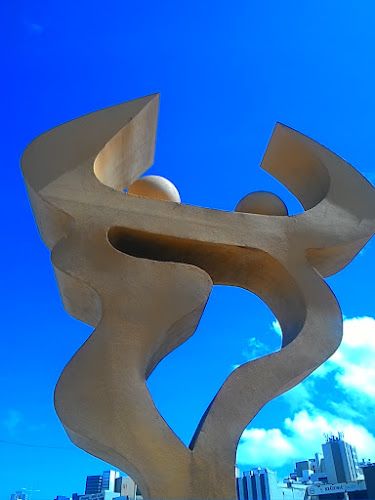
Jardim dos Namorados

Cultural Afro Brazilian Museum
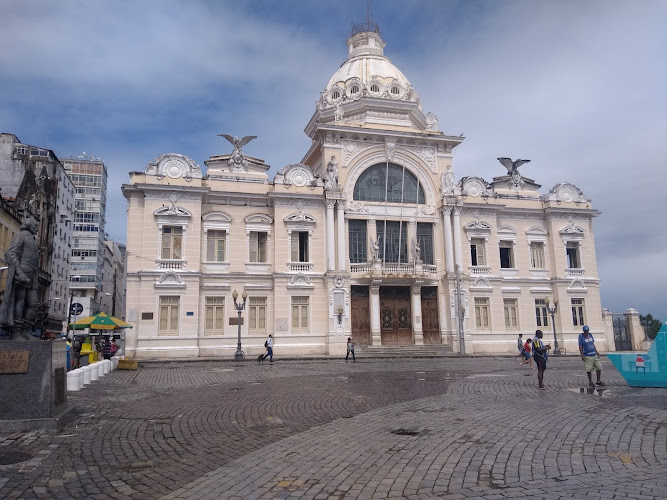
Rio Branco Palace
Find Accommodations Nearby
Recommended Tours & Activities
Visitor Reviews
There are no reviews yet. Be the first one to write one.
Share Your Experience
Have you visited Museum of Mercy? Help other travelers by leaving a review.