
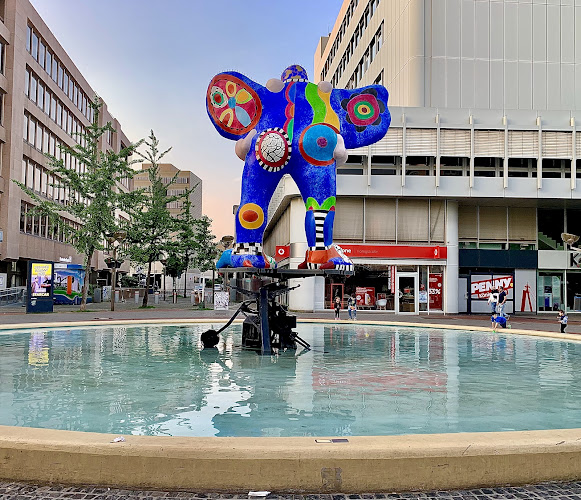
Lifesaver Brunnen Duisburg
About Lifesaver Brunnen Duisburg
Description
The Lifesaver Brunnen stands as one of Duisburg's most intriguing public artworks, blending practical urban design with a touch of whimsy that catches visitors off guard. This fountain resembles an enormous lifesaver candy—you know, those colorful ring-shaped sweets we all loved as kids. The installation serves as both a functional water feature and a conversation piece in the cityscape, embodying that distinctly German approach to public art where functionality meets creative expression. I remember the first time I stumbled upon photographs of this fountain while researching German public installations. My initial reaction was pure confusion followed by genuine delight. Who thinks to turn a candy into a fountain? Yet here it is, standing proud in Duisburg, challenging our expectations of what public monuments should look like. The piece doesn't take itself too seriously, which is refreshing in a country known for its more stoic architectural traditions. The fountain's design features the characteristic circular shape with a hole in the middle, painted in bright colors that immediately draw the eye. Water flows in carefully engineered patterns that enhance rather than distract from the playful aesthetic. It's accessible to everyone, with wheelchair-friendly approaches that ensure all visitors can appreciate this peculiar landmark up close. Families particularly enjoy the installation, as children are naturally drawn to its candy-like appearance and the soothing sounds of flowing water. What makes the Lifesaver Brunnen particularly interesting is how it reflects Duisburg's evolving identity. This city has worked hard to reinvent itself from its industrial past, and public art installations like this one signal that transformation. It's not trying to be the Trevi Fountain or compete with centuries-old European masterpieces. Instead, it embraces a more contemporary, accessible approach to public space design.Key Features
The Lifesaver Brunnen offers several distinctive characteristics that make it worth adding to your Duisburg itinerary:- Unique Candy-Inspired Design: The fountain's oversized lifesaver candy shape creates an instantly recognizable landmark that's unlike anything else you'll encounter in German cities
- Instagram-Worthy Photo Opportunities: The bright colors and unusual form make for fantastic photographs, especially during golden hour when the lighting hits just right
- Complete Accessibility: Wheelchair users can easily access and enjoy the fountain without barriers or obstacles, demonstrating thoughtful urban planning
- Family-Friendly Environment: Children are welcome and encouraged to interact with the space, making it an excellent stop for parents traveling with little ones who need a break from more formal attractions
- Year-Round Availability: Unlike some seasonal fountains, the Lifesaver Brunnen typically operates throughout the year, weather permitting
- Free Public Access: There's no admission fee or ticketing system—just walk up and enjoy this public artwork whenever you please
- Onsite Maintenance: Regular servicing ensures the fountain remains clean and functional, maintaining its appeal for visitors
- Cultural Context: The installation represents Duisburg's commitment to contemporary public art and urban beautification efforts
Best Time to Visit
Timing your visit to the Lifesaver Brunnen can significantly enhance your experience, though honestly, this isn't one of those attractions where you need to stress about getting the timing perfect. That said, certain periods do offer distinct advantages. Spring and early summer—roughly May through June—present ideal conditions for visiting. The weather's pleasant enough to linger without sweating through your shirt, and the fountain's colors seem even more brilliant against the fresh greenery that surrounds many of Duisburg's public spaces. You'll find fewer tourist crowds during weekday mornings, making it easier to snap those unobstructed photos you're after. Summer brings more activity to the area, with locals and visitors alike drawn to outdoor spaces. If you enjoy people-watching and soaking up community atmosphere, late afternoons in July and August offer exactly that. But be prepared for more competition when positioning yourself for photographs. The extended daylight hours work in your favor though, giving you more flexibility in your sightseeing schedule. Autumn has its own charm, particularly in October when the light takes on that gorgeous golden quality photographers dream about. The fountain provides a pop of color against the changing leaves, creating interesting visual contrasts. Mornings can get chilly, so bring layers if you're planning to spend time in the vicinity. Winter visits are possible, though the fountain may operate on a reduced schedule depending on temperatures. I've seen photos of the installation surrounded by snow, and it creates this surreal candy-in-winter-wonderland effect that's quite striking. Just don't expect to linger as long when temperatures drop below freezing. As for time of day, early morning visits around 8-9 AM offer peaceful solitude if that's your preference. The space feels entirely different without crowds—more contemplative, almost meditative with just the sound of flowing water. Late afternoon around 4-6 PM brings warmer light that makes the colors glow, particularly beneficial for photography enthusiasts. Weekends naturally attract more local visitors, especially families with children. This creates a livelier atmosphere but less tranquility. Weekdays, particularly Tuesday through Thursday, tend to be quieter.How to Get There
Reaching the Lifesaver Brunnen requires understanding Duisburg's layout, but the city's public transportation system makes navigation relatively straightforward even for first-time visitors. Duisburg's central railway station (Hauptbahnhof) serves as the logical starting point for most travelers arriving from other German cities or neighboring countries. The city maintains an efficient network of trams, buses, and trains that can transport you around the urban area. Depending on the fountain's specific location within Duisburg, you'll likely use a combination of these transit options. The local tram system operates with German punctuality and connects major districts throughout the city. Purchase tickets from machines at stations—they accept both cash and cards, though having some euros handy never hurts. The VRR transit network covers Duisburg, and day passes often provide better value than individual tickets if you're planning multiple stops around the city. For those driving, Duisburg is well-connected via Germany's excellent autobahn system. The A3, A40, and A59 all pass through or near the city, making road access convenient for visitors with rental cars. Parking availability varies depending on exactly where the fountain sits within the urban landscape. German cities typically offer both street parking with meters and dedicated parking garages (Parkhaus). Download a parking app like ParkNow or EasyPark to simplify payment and avoid confusion with ticket machines. Cycling represents another viable option, as German cities generally accommodate bicycles with dedicated lanes and parking. Several bike-share programs operate in Duisburg, allowing you to rent wheels for a few hours without the commitment of a full day. Taxi services and ride-sharing apps like Uber or Free Now function in Duisburg, offering door-to-door convenience if public transit seems overwhelming or if you're traveling with mobility limitations. Walking might be feasible depending on your accommodation's proximity to the fountain. German cities are remarkably walkable, and you'll discover interesting shops, cafes, and architecture that you'd miss from a vehicle window.Tips for Visiting
Getting the most from your Lifesaver Brunnen experience doesn't require extensive planning, but a few practical considerations will enhance your visit considerably. First off, manage your expectations appropriately. This isn't a major tourist attraction that will consume hours of your itinerary. It's a public fountain—artistic and unusual, yes, but still essentially a fountain. Plan to spend maybe 15-30 minutes here unless you're a photography enthusiast who wants to experiment with different angles and lighting conditions. Think of it as a pleasant stop rather than a primary destination. Photography enthusiasts should bring wide-angle lenses to capture the full structure, especially if you want both the fountain and surrounding context in frame. The bright colors can sometimes trick camera meters into underexposing, so check your shots and adjust accordingly. And please, for the love of composition, try different perspectives beyond the obvious straight-on shot everyone takes. Get low, shoot from the side, experiment a bit. The fountain's family-friendly nature means children are welcome, but parents should still supervise actively. While the installation is designed with safety in mind, excited kids and water features can create unpredictable situations. That said, it genuinely is a great spot to let children burn some energy and engage with public art in an accessible way. Weather considerations matter more than you might initially think. The fountain's visual impact depends partly on lighting, so overcast days will produce different results than bright sunshine. Neither is necessarily better, just different. Rain won't prevent you from viewing the installation, but it certainly affects your comfort level and photographic options. Combine your fountain visit with other Duisburg attractions to maximize your time in the city. The city offers industrial heritage sites, museums, and the remarkable Landschaftspark Duisburg-Nord—a former industrial complex transformed into a public park. Planning a logical route prevents backtracking across the city. Respectful behavior should go without saying, but I'll say it anyway. This is public art that belongs to the community. Don't climb on it, don't litter around it, and be mindful of others trying to enjoy the space. I've witnessed too many tourists treating public installations like private playgrounds with zero consideration for local residents. Bring water and perhaps a small snack, particularly if you're exploring multiple sites in one day. German cities don't have the density of convenience stores you might expect, and staying hydrated improves every travel experience. Check the fountain's operational status before making a special trip. While it typically runs year-round, maintenance schedules and occasional technical issues can interrupt operation. A quick online search or inquiry at your hotel might save disappointment. Finally, embrace the slightly absurd nature of visiting a candy-shaped fountain. Public art sometimes challenges us, sometimes beautifies our environment, and sometimes just makes us smile. The Lifesaver Brunnen accomplishes that last goal admirably, offering a small moment of levity in your travels. That's worth something in itself.Key Features
- Bold, brightly painted polyester sculpture by Niki de Saint Phalle
- Kinetic, rotating pedestal element created by Jean Tinguely
- Located in the pedestrianized Königstraße shopping street (easy to find)
- Functions as a small fountain and urban landmark/meeting point
- Part of a larger public-sculpture trail through Duisburg city center
More Details
Updated March 30, 2026
Table of Contents
Description
The Lifesaver Brunnen stands as one of Duisburg’s most intriguing public artworks, blending practical urban design with a touch of whimsy that catches visitors off guard. This fountain resembles an enormous lifesaver candy—you know, those colorful ring-shaped sweets we all loved as kids. The installation serves as both a functional water feature and a conversation piece in the cityscape, embodying that distinctly German approach to public art where functionality meets creative expression.
I remember the first time I stumbled upon photographs of this fountain while researching German public installations. My initial reaction was pure confusion followed by genuine delight. Who thinks to turn a candy into a fountain? Yet here it is, standing proud in Duisburg, challenging our expectations of what public monuments should look like. The piece doesn’t take itself too seriously, which is refreshing in a country known for its more stoic architectural traditions.
The fountain’s design features the characteristic circular shape with a hole in the middle, painted in bright colors that immediately draw the eye. Water flows in carefully engineered patterns that enhance rather than distract from the playful aesthetic. It’s accessible to everyone, with wheelchair-friendly approaches that ensure all visitors can appreciate this peculiar landmark up close. Families particularly enjoy the installation, as children are naturally drawn to its candy-like appearance and the soothing sounds of flowing water.
What makes the Lifesaver Brunnen particularly interesting is how it reflects Duisburg’s evolving identity. This city has worked hard to reinvent itself from its industrial past, and public art installations like this one signal that transformation. It’s not trying to be the Trevi Fountain or compete with centuries-old European masterpieces. Instead, it embraces a more contemporary, accessible approach to public space design.
Key Features
The Lifesaver Brunnen offers several distinctive characteristics that make it worth adding to your Duisburg itinerary:
- Unique Candy-Inspired Design: The fountain’s oversized lifesaver candy shape creates an instantly recognizable landmark that’s unlike anything else you’ll encounter in German cities
- Instagram-Worthy Photo Opportunities: The bright colors and unusual form make for fantastic photographs, especially during golden hour when the lighting hits just right
- Complete Accessibility: Wheelchair users can easily access and enjoy the fountain without barriers or obstacles, demonstrating thoughtful urban planning
- Family-Friendly Environment: Children are welcome and encouraged to interact with the space, making it an excellent stop for parents traveling with little ones who need a break from more formal attractions
- Year-Round Availability: Unlike some seasonal fountains, the Lifesaver Brunnen typically operates throughout the year, weather permitting
- Free Public Access: There’s no admission fee or ticketing system—just walk up and enjoy this public artwork whenever you please
- Onsite Maintenance: Regular servicing ensures the fountain remains clean and functional, maintaining its appeal for visitors
- Cultural Context: The installation represents Duisburg’s commitment to contemporary public art and urban beautification efforts
Best Time to Visit
Timing your visit to the Lifesaver Brunnen can significantly enhance your experience, though honestly, this isn’t one of those attractions where you need to stress about getting the timing perfect. That said, certain periods do offer distinct advantages.
Spring and early summer—roughly May through June—present ideal conditions for visiting. The weather’s pleasant enough to linger without sweating through your shirt, and the fountain’s colors seem even more brilliant against the fresh greenery that surrounds many of Duisburg’s public spaces. You’ll find fewer tourist crowds during weekday mornings, making it easier to snap those unobstructed photos you’re after.
Summer brings more activity to the area, with locals and visitors alike drawn to outdoor spaces. If you enjoy people-watching and soaking up community atmosphere, late afternoons in July and August offer exactly that. But be prepared for more competition when positioning yourself for photographs. The extended daylight hours work in your favor though, giving you more flexibility in your sightseeing schedule.
Autumn has its own charm, particularly in October when the light takes on that gorgeous golden quality photographers dream about. The fountain provides a pop of color against the changing leaves, creating interesting visual contrasts. Mornings can get chilly, so bring layers if you’re planning to spend time in the vicinity.
Winter visits are possible, though the fountain may operate on a reduced schedule depending on temperatures. I’ve seen photos of the installation surrounded by snow, and it creates this surreal candy-in-winter-wonderland effect that’s quite striking. Just don’t expect to linger as long when temperatures drop below freezing.
As for time of day, early morning visits around 8-9 AM offer peaceful solitude if that’s your preference. The space feels entirely different without crowds—more contemplative, almost meditative with just the sound of flowing water. Late afternoon around 4-6 PM brings warmer light that makes the colors glow, particularly beneficial for photography enthusiasts.
Weekends naturally attract more local visitors, especially families with children. This creates a livelier atmosphere but less tranquility. Weekdays, particularly Tuesday through Thursday, tend to be quieter.
How to Get There
Reaching the Lifesaver Brunnen requires understanding Duisburg’s layout, but the city’s public transportation system makes navigation relatively straightforward even for first-time visitors.
Duisburg’s central railway station (Hauptbahnhof) serves as the logical starting point for most travelers arriving from other German cities or neighboring countries. The city maintains an efficient network of trams, buses, and trains that can transport you around the urban area. Depending on the fountain’s specific location within Duisburg, you’ll likely use a combination of these transit options.
The local tram system operates with German punctuality and connects major districts throughout the city. Purchase tickets from machines at stations—they accept both cash and cards, though having some euros handy never hurts. The VRR transit network covers Duisburg, and day passes often provide better value than individual tickets if you’re planning multiple stops around the city.
For those driving, Duisburg is well-connected via Germany’s excellent autobahn system. The A3, A40, and A59 all pass through or near the city, making road access convenient for visitors with rental cars. Parking availability varies depending on exactly where the fountain sits within the urban landscape. German cities typically offer both street parking with meters and dedicated parking garages (Parkhaus). Download a parking app like ParkNow or EasyPark to simplify payment and avoid confusion with ticket machines.
Cycling represents another viable option, as German cities generally accommodate bicycles with dedicated lanes and parking. Several bike-share programs operate in Duisburg, allowing you to rent wheels for a few hours without the commitment of a full day.
Taxi services and ride-sharing apps like Uber or Free Now function in Duisburg, offering door-to-door convenience if public transit seems overwhelming or if you’re traveling with mobility limitations.
Walking might be feasible depending on your accommodation’s proximity to the fountain. German cities are remarkably walkable, and you’ll discover interesting shops, cafes, and architecture that you’d miss from a vehicle window.
Tips for Visiting
Getting the most from your Lifesaver Brunnen experience doesn’t require extensive planning, but a few practical considerations will enhance your visit considerably.
First off, manage your expectations appropriately. This isn’t a major tourist attraction that will consume hours of your itinerary. It’s a public fountain—artistic and unusual, yes, but still essentially a fountain. Plan to spend maybe 15-30 minutes here unless you’re a photography enthusiast who wants to experiment with different angles and lighting conditions. Think of it as a pleasant stop rather than a primary destination.
Photography enthusiasts should bring wide-angle lenses to capture the full structure, especially if you want both the fountain and surrounding context in frame. The bright colors can sometimes trick camera meters into underexposing, so check your shots and adjust accordingly. And please, for the love of composition, try different perspectives beyond the obvious straight-on shot everyone takes. Get low, shoot from the side, experiment a bit.
The fountain’s family-friendly nature means children are welcome, but parents should still supervise actively. While the installation is designed with safety in mind, excited kids and water features can create unpredictable situations. That said, it genuinely is a great spot to let children burn some energy and engage with public art in an accessible way.
Weather considerations matter more than you might initially think. The fountain’s visual impact depends partly on lighting, so overcast days will produce different results than bright sunshine. Neither is necessarily better, just different. Rain won’t prevent you from viewing the installation, but it certainly affects your comfort level and photographic options.
Combine your fountain visit with other Duisburg attractions to maximize your time in the city. The city offers industrial heritage sites, museums, and the remarkable Landschaftspark Duisburg-Nord—a former industrial complex transformed into a public park. Planning a logical route prevents backtracking across the city.
Respectful behavior should go without saying, but I’ll say it anyway. This is public art that belongs to the community. Don’t climb on it, don’t litter around it, and be mindful of others trying to enjoy the space. I’ve witnessed too many tourists treating public installations like private playgrounds with zero consideration for local residents.
Bring water and perhaps a small snack, particularly if you’re exploring multiple sites in one day. German cities don’t have the density of convenience stores you might expect, and staying hydrated improves every travel experience.
Check the fountain’s operational status before making a special trip. While it typically runs year-round, maintenance schedules and occasional technical issues can interrupt operation. A quick online search or inquiry at your hotel might save disappointment.
Finally, embrace the slightly absurd nature of visiting a candy-shaped fountain. Public art sometimes challenges us, sometimes beautifies our environment, and sometimes just makes us smile. The Lifesaver Brunnen accomplishes that last goal admirably, offering a small moment of levity in your travels. That’s worth something in itself.
Key Highlights
- Bold, brightly painted polyester sculpture by Niki de Saint Phalle
- Kinetic, rotating pedestal element created by Jean Tinguely
- Located in the pedestrianized Königstraße shopping street (easy to find)
- Functions as a small fountain and urban landmark/meeting point
- Part of a larger public-sculpture trail through Duisburg city center
Location
Places to Stay Near Lifesaver Brunnen Duisburg
Find and Book a Tour
Explore More Travel Guides
No reviews found! Be the first to review!
Lifesaver Brunnen Duisburg is a prominent Brunnen located in Duisburg.
Visit us at: Königstraße 13, 47051 Duisburg, Germany.
Traveler Reviews for Lifesaver Brunnen Duisburg
There are no reviews yet. Be the first one to write one.
Have you visited Lifesaver Brunnen Duisburg? Help other travelers by sharing your review.
Nearby Attractions
You Might Also Like
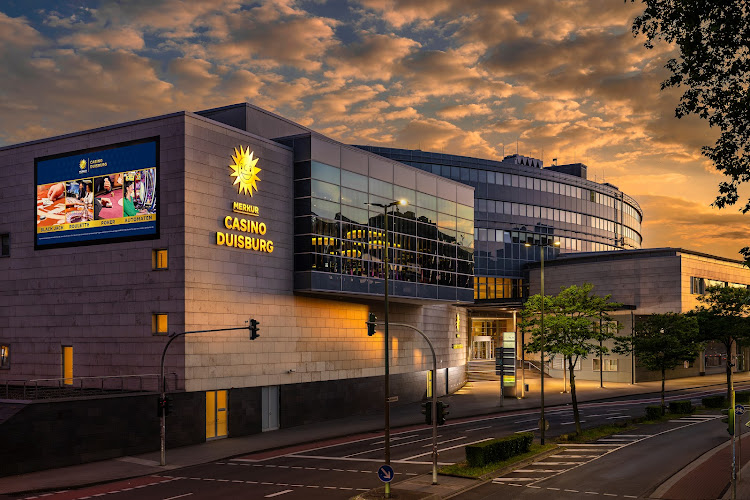
MERKUR CASINO Duisburg
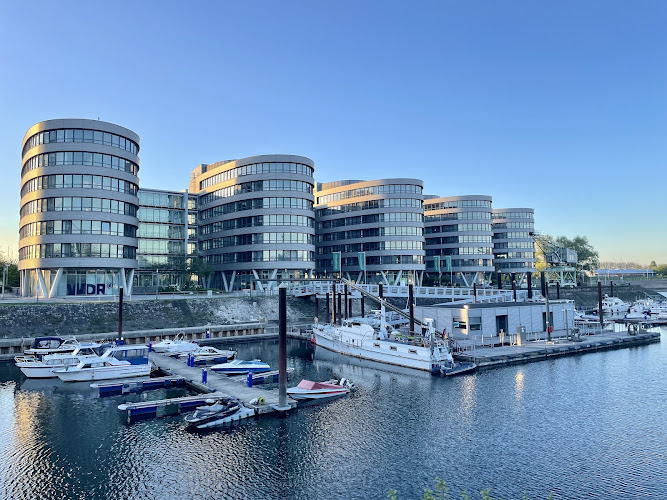
Duisburg Inner Harbour
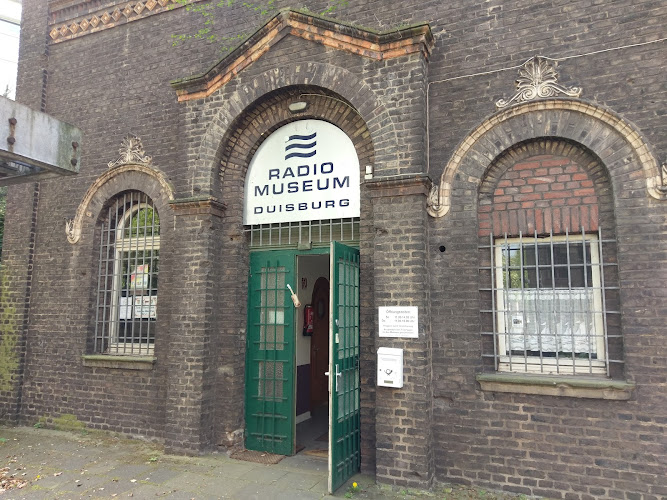
Radio Museum Duisburg e.V.
Find Accommodations Nearby
Recommended Tours & Activities
Visitor Reviews
There are no reviews yet. Be the first one to write one.
Share Your Experience
Have you visited Lifesaver Brunnen Duisburg? Help other travelers by leaving a review.