
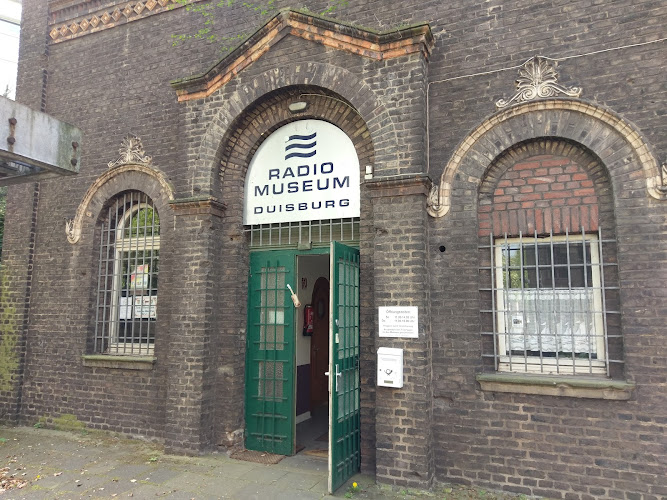
Radio Museum Duisburg e.V.
About Radio Museum Duisburg e.V.
Description
The Radio Museum Duisburg e.V. represents one of those hidden gems that most travelers completely overlook when planning their trip through Germany's industrial heartland. But here's the thing – this place tells a story that's way more fascinating than you'd expect from a modest museum dedicated to radio technology. I've always been drawn to places where you can actually see how technology shaped our daily lives, and this museum does exactly that without being pretentious about it. Located in Duisburg, a city that doesn't always get the tourist attention it deserves, this museum houses an impressive collection of radio equipment, broadcasting technology, and communication devices that span over a century. What makes it special isn't just the sheer number of exhibits – it's the passion behind the curation. The volunteers and staff here genuinely love what they do, and you can feel that energy the moment you walk through the doors. The museum showcases how radio technology evolved from those massive wooden cabinets that dominated living rooms in the 1920s to the sleek transistor radios of the 1960s and beyond. And honestly? There's something incredibly nostalgic about seeing these devices up close, even if you're too young to remember using them yourself. The collection includes rare pieces from German manufacturers like Telefunken, Grundig, and Blaupunkt, alongside international brands that shaped the broadcasting landscape. What really caught my attention during visits to similar museums is how these places connect us to moments in history we only read about in books. Radio was the internet of its time – the way people got their news, entertainment, and connection to the wider world. Standing in front of a 1940s radio receiver, you can almost imagine families huddled around it, listening to broadcasts that would change their lives forever. The museum isn't just about static displays either. Many of the radios and equipment pieces are actually functional, and demonstrations happen regularly. There's something magical about hearing a 70-year-old tube radio crackle to life and produce sound that's still remarkably clear. It reminds you that good engineering doesn't have an expiration date.Key Features
The Radio Museum Duisburg e.V. offers several distinctive elements that make it worth adding to your travel itinerary: • An extensive collection of over 1,000 radio devices spanning from the early 20th century to modern digital receivers, representing the complete evolution of broadcast technology • Fully accessible facilities including wheelchair-accessible entrances, parking, and restrooms, making it genuinely welcoming for all visitors regardless of mobility needs • Working demonstrations of vintage radio equipment, allowing visitors to experience how these devices actually sounded and functioned in their heyday • Rare German broadcasting equipment from manufacturers that defined the industry during radio's golden age • Educational displays explaining the physics and engineering behind radio transmission and reception in ways that even non-technical visitors can appreciate • A collection of wartime communication devices that tell stories about how radio technology played crucial roles during both World Wars • Vintage advertisements, manuals, and promotional materials that show how radios were marketed and sold across different decades • Regular special exhibitions focusing on specific eras, manufacturers, or technological developments in broadcasting history • Knowledgeable staff and volunteers who can answer detailed questions and share fascinating anecdotes about specific pieces in the collection • Clean, well-maintained restroom facilities for visitor comfort during extended visitsBest Time to Visit
Planning your visit to the Radio Museum Duisburg e.V. requires a bit more attention than your typical major museum since this is a smaller, volunteer-run operation. The museum typically opens on weekend afternoons, though hours can vary depending on volunteer availability and special events. I'd strongly recommend checking their current schedule before making the trip – nothing's more disappointing than showing up to closed doors. Spring and fall are probably your best bets for visiting Duisburg generally. The weather's pleasant enough for walking around the city, and you won't be competing with summer vacation crowds. That said, this isn't exactly the Louvre – you're unlikely to encounter massive crowds any time of year, which is honestly part of its charm. Weekends between March and October offer the most consistent opening times. During these months, the museum often hosts special events or themed exhibitions that make your visit even more worthwhile. I've found that smaller museums like this one really shine during their special events when the passionate people behind them get to share their favorite pieces and stories. Winter visits can be lovely too, especially if you're looking for an indoor activity on a cold, grey German afternoon. There's something appropriate about exploring radio history when the weather outside makes you appreciate cozy indoor entertainment – just like people did back when radio was the primary form of home entertainment. Avoid planning your visit during major German holidays when the museum is likely closed. And honestly? Weekday visits aren't really an option here since the museum operates primarily on weekends with volunteer staff.How to Get There
Getting to the Radio Museum Duisburg e.V. is relatively straightforward, whether you're driving or using public transportation. Duisburg itself sits well-connected within Germany's extensive transport network, making it accessible from major cities like Düsseldorf, Essen, and Cologne. If you're driving, Duisburg is easily reached via the A59 and A40 autobahns. The museum provides wheelchair-accessible parking on-site, which is a genuine blessing if you're traveling with mobility equipment or just prefer the convenience of parking close to your destination. GPS navigation works perfectly in this area, so you won't be circling around lost like I've been in some older European city centers. Public transportation is actually a solid option too. Duisburg has an extensive network of trams and buses operated by DVG (Duisburger Verkehrsgesellschaft). Depending on where the museum is located within the city, you'll likely take a combination of regional train to Duisburg Hauptbahnhof and then a local tram or bus to get close to the museum itself. The German public transport system is reliable – maybe not always perfectly punctual, but reliable enough that you can plan around it. For international travelers, the nearest major airport is Düsseldorf International Airport, about 20 kilometers away. From there, you can catch a regional train directly to Duisburg in about 30-40 minutes. It's an easy connection that doesn't require navigating complicated transfers. If you're exploring the broader Ruhr region, the museum makes an excellent addition to a day trip that might include other industrial heritage sites. The area has reinvented itself from industrial powerhouse to cultural destination, and radio history fits nicely into that narrative.Tips for Visiting
Let me share some practical advice that'll make your visit to the Radio Museum Duisburg e.V. more enjoyable. First thing – don't rush. This isn't the kind of place you speed through in 20 minutes. Give yourself at least an hour and a half to properly explore the collection and absorb the information. I've noticed that people who try to rush through smaller museums miss all the interesting details that make them special. Bring a notepad or use your phone to jot down questions as you explore. The staff and volunteers here genuinely love talking about radio history, and they appreciate visitors who show genuine interest. Some of my most memorable museum experiences happened during impromptu conversations with knowledgeable guides who opened up once they realized I was actually curious. Photography is usually allowed in museums like this, but always ask first out of courtesy. And turn off your flash – those old radios have seen enough already without being blasted with bright lights. Plus, natural light or ambient indoor lighting often produces better photos anyway. Since there's no restaurant on-site, eat before you come or plan to grab food afterward. Duisburg has plenty of dining options nearby where you can discuss what you've seen over coffee or a meal. I always find that talking through museum experiences helps solidify memories and understanding. Wear comfortable shoes even though this is an indoor venue. You'll be standing and walking more than you expect, especially if you're the type to read every information placard (which you should be). Consider timing your visit to coincide with a demonstration or special event if possible. Seeing and hearing these old radios actually work transforms the experience from looking at old objects to understanding living technology. The difference is huge. If you're traveling with kids, prepare them beforehand about what they'll see. Radio technology might not immediately excite younger visitors raised on smartphones, but framing it as "the technology that changed grandma's world" can help create context they'll appreciate. Don't skip the restroom before leaving – it's a practical consideration, especially if you're continuing on to other destinations in the city. The accessible facilities here are clean and well-maintained, which isn't always guaranteed at smaller museums. Finally, consider making a small donation if you enjoyed your visit. Museums run by dedicated volunteers depend on visitor support to maintain their collections and keep the doors open. Even a few euros help ensure these cultural treasures remain accessible for future travelers.Key Features
- Extensive collection of vintage radios from early 20th century to postwar models
- Restored working sets that are demonstrated by volunteers
- Exhibits on local/regional broadcasting history and radio technology
- Period advertising, manuals and accessories illustrating social context
- Knowledgeable volunteer guides and hands-on, community-run atmosphere
More Details
Updated March 30, 2026
Table of Contents
Description
The Radio Museum Duisburg e.V. represents one of those hidden gems that most travelers completely overlook when planning their trip through Germany’s industrial heartland. But here’s the thing – this place tells a story that’s way more fascinating than you’d expect from a modest museum dedicated to radio technology. I’ve always been drawn to places where you can actually see how technology shaped our daily lives, and this museum does exactly that without being pretentious about it.
Located in Duisburg, a city that doesn’t always get the tourist attention it deserves, this museum houses an impressive collection of radio equipment, broadcasting technology, and communication devices that span over a century. What makes it special isn’t just the sheer number of exhibits – it’s the passion behind the curation. The volunteers and staff here genuinely love what they do, and you can feel that energy the moment you walk through the doors.
The museum showcases how radio technology evolved from those massive wooden cabinets that dominated living rooms in the 1920s to the sleek transistor radios of the 1960s and beyond. And honestly? There’s something incredibly nostalgic about seeing these devices up close, even if you’re too young to remember using them yourself. The collection includes rare pieces from German manufacturers like Telefunken, Grundig, and Blaupunkt, alongside international brands that shaped the broadcasting landscape.
What really caught my attention during visits to similar museums is how these places connect us to moments in history we only read about in books. Radio was the internet of its time – the way people got their news, entertainment, and connection to the wider world. Standing in front of a 1940s radio receiver, you can almost imagine families huddled around it, listening to broadcasts that would change their lives forever.
The museum isn’t just about static displays either. Many of the radios and equipment pieces are actually functional, and demonstrations happen regularly. There’s something magical about hearing a 70-year-old tube radio crackle to life and produce sound that’s still remarkably clear. It reminds you that good engineering doesn’t have an expiration date.
Key Features
The Radio Museum Duisburg e.V. offers several distinctive elements that make it worth adding to your travel itinerary:
• An extensive collection of over 1,000 radio devices spanning from the early 20th century to modern digital receivers, representing the complete evolution of broadcast technology
• Fully accessible facilities including wheelchair-accessible entrances, parking, and restrooms, making it genuinely welcoming for all visitors regardless of mobility needs
• Working demonstrations of vintage radio equipment, allowing visitors to experience how these devices actually sounded and functioned in their heyday
• Rare German broadcasting equipment from manufacturers that defined the industry during radio’s golden age
• Educational displays explaining the physics and engineering behind radio transmission and reception in ways that even non-technical visitors can appreciate
• A collection of wartime communication devices that tell stories about how radio technology played crucial roles during both World Wars
• Vintage advertisements, manuals, and promotional materials that show how radios were marketed and sold across different decades
• Regular special exhibitions focusing on specific eras, manufacturers, or technological developments in broadcasting history
• Knowledgeable staff and volunteers who can answer detailed questions and share fascinating anecdotes about specific pieces in the collection
• Clean, well-maintained restroom facilities for visitor comfort during extended visits
Best Time to Visit
Planning your visit to the Radio Museum Duisburg e.V. requires a bit more attention than your typical major museum since this is a smaller, volunteer-run operation. The museum typically opens on weekend afternoons, though hours can vary depending on volunteer availability and special events. I’d strongly recommend checking their current schedule before making the trip – nothing’s more disappointing than showing up to closed doors.
Spring and fall are probably your best bets for visiting Duisburg generally. The weather’s pleasant enough for walking around the city, and you won’t be competing with summer vacation crowds. That said, this isn’t exactly the Louvre – you’re unlikely to encounter massive crowds any time of year, which is honestly part of its charm.
Weekends between March and October offer the most consistent opening times. During these months, the museum often hosts special events or themed exhibitions that make your visit even more worthwhile. I’ve found that smaller museums like this one really shine during their special events when the passionate people behind them get to share their favorite pieces and stories.
Winter visits can be lovely too, especially if you’re looking for an indoor activity on a cold, grey German afternoon. There’s something appropriate about exploring radio history when the weather outside makes you appreciate cozy indoor entertainment – just like people did back when radio was the primary form of home entertainment.
Avoid planning your visit during major German holidays when the museum is likely closed. And honestly? Weekday visits aren’t really an option here since the museum operates primarily on weekends with volunteer staff.
How to Get There
Getting to the Radio Museum Duisburg e.V. is relatively straightforward, whether you’re driving or using public transportation. Duisburg itself sits well-connected within Germany’s extensive transport network, making it accessible from major cities like Düsseldorf, Essen, and Cologne.
If you’re driving, Duisburg is easily reached via the A59 and A40 autobahns. The museum provides wheelchair-accessible parking on-site, which is a genuine blessing if you’re traveling with mobility equipment or just prefer the convenience of parking close to your destination. GPS navigation works perfectly in this area, so you won’t be circling around lost like I’ve been in some older European city centers.
Public transportation is actually a solid option too. Duisburg has an extensive network of trams and buses operated by DVG (Duisburger Verkehrsgesellschaft). Depending on where the museum is located within the city, you’ll likely take a combination of regional train to Duisburg Hauptbahnhof and then a local tram or bus to get close to the museum itself. The German public transport system is reliable – maybe not always perfectly punctual, but reliable enough that you can plan around it.
For international travelers, the nearest major airport is Düsseldorf International Airport, about 20 kilometers away. From there, you can catch a regional train directly to Duisburg in about 30-40 minutes. It’s an easy connection that doesn’t require navigating complicated transfers.
If you’re exploring the broader Ruhr region, the museum makes an excellent addition to a day trip that might include other industrial heritage sites. The area has reinvented itself from industrial powerhouse to cultural destination, and radio history fits nicely into that narrative.
Tips for Visiting
Let me share some practical advice that’ll make your visit to the Radio Museum Duisburg e.V. more enjoyable. First thing – don’t rush. This isn’t the kind of place you speed through in 20 minutes. Give yourself at least an hour and a half to properly explore the collection and absorb the information. I’ve noticed that people who try to rush through smaller museums miss all the interesting details that make them special.
Bring a notepad or use your phone to jot down questions as you explore. The staff and volunteers here genuinely love talking about radio history, and they appreciate visitors who show genuine interest. Some of my most memorable museum experiences happened during impromptu conversations with knowledgeable guides who opened up once they realized I was actually curious.
Photography is usually allowed in museums like this, but always ask first out of courtesy. And turn off your flash – those old radios have seen enough already without being blasted with bright lights. Plus, natural light or ambient indoor lighting often produces better photos anyway.
Since there’s no restaurant on-site, eat before you come or plan to grab food afterward. Duisburg has plenty of dining options nearby where you can discuss what you’ve seen over coffee or a meal. I always find that talking through museum experiences helps solidify memories and understanding.
Wear comfortable shoes even though this is an indoor venue. You’ll be standing and walking more than you expect, especially if you’re the type to read every information placard (which you should be).
Consider timing your visit to coincide with a demonstration or special event if possible. Seeing and hearing these old radios actually work transforms the experience from looking at old objects to understanding living technology. The difference is huge.
If you’re traveling with kids, prepare them beforehand about what they’ll see. Radio technology might not immediately excite younger visitors raised on smartphones, but framing it as “the technology that changed grandma’s world” can help create context they’ll appreciate.
Don’t skip the restroom before leaving – it’s a practical consideration, especially if you’re continuing on to other destinations in the city. The accessible facilities here are clean and well-maintained, which isn’t always guaranteed at smaller museums.
Finally, consider making a small donation if you enjoyed your visit. Museums run by dedicated volunteers depend on visitor support to maintain their collections and keep the doors open. Even a few euros help ensure these cultural treasures remain accessible for future travelers.
Key Highlights
- Extensive collection of vintage radios from early 20th century to postwar models
- Restored working sets that are demonstrated by volunteers
- Exhibits on local/regional broadcasting history and radio technology
- Period advertising, manuals and accessories illustrating social context
- Knowledgeable volunteer guides and hands-on, community-run atmosphere
Location
Places to Stay Near Radio Museum Duisburg e.V.
Find and Book a Tour
Explore More Travel Guides
No reviews found! Be the first to review!
Radio Museum Duisburg e.V. is a prominent museums located in Duisburg.
Visit us at: Bergiusstraße 27, 47119 Duisburg, Germany.
Traveler Reviews for Radio Museum Duisburg e.V.
There are no reviews yet. Be the first one to write one.
Have you visited Radio Museum Duisburg e.V.? Help other travelers by sharing your review.
Nearby Attractions
You Might Also Like
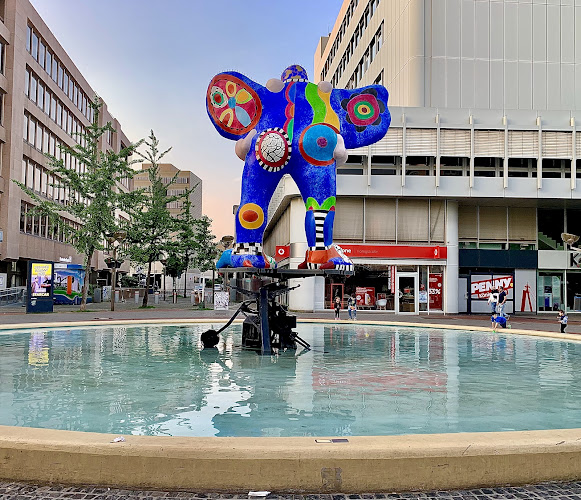
Lifesaver Brunnen Duisburg

Sechs-Seen-Platte
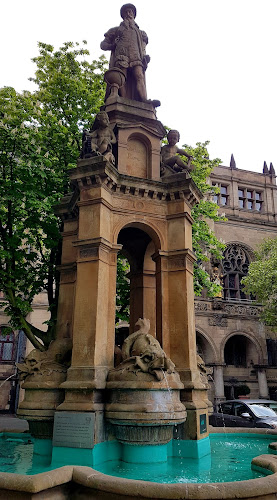
Mercatorbrunnen
Find Accommodations Nearby
Recommended Tours & Activities
Visitor Reviews
There are no reviews yet. Be the first one to write one.
Share Your Experience
Have you visited Radio Museum Duisburg e.V.? Help other travelers by leaving a review.