
Museumsschiff Oscar Huber
About Museumsschiff Oscar Huber
Description
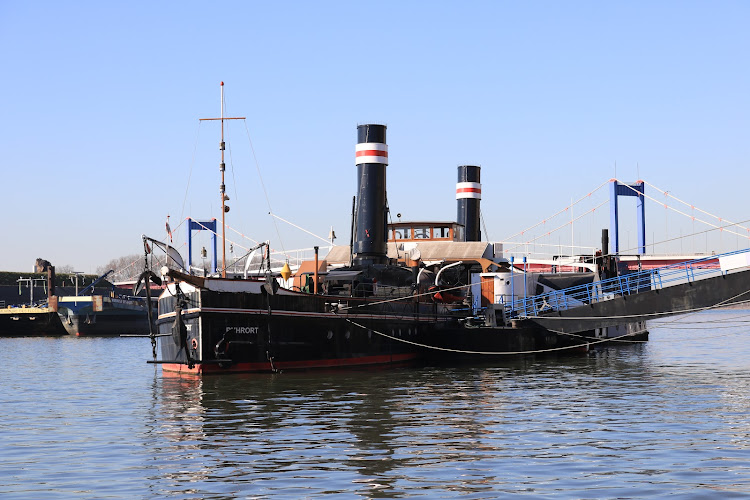
The Museumsschiff Oscar Huber represents one of those unexpected treasures you stumble upon when exploring Germany's maritime heritage. This historic museum ship offers visitors a genuine glimpse into the working life of inland waterway vessels that once dominated European commerce. Unlike the massive ocean liners that typically grab headlines, the Oscar Huber tells the story of the hardworking cargo ships that transported goods along rivers and canals for decades. I've always found that the best museums are the ones where you can actually walk through history rather than just looking at it behind glass. And that's exactly what you get here. This beautifully preserved cargo vessel lets you explore authentic living quarters, the engine room, and cargo holds that once transported everything from coal to grain across German waterways. The ship itself serves as the exhibit, which makes the experience incredibly immersive and honestly quite memorable. What strikes most visitors first is how compact everything is. The crew lived and worked in spaces that would make today's tiny house enthusiasts feel claustrophobic. But there's something fascinating about seeing how efficiently every square inch was utilized. You'll walk through narrow passages, duck through low doorways, and really get a sense of what daily life was like for the families who spent months at a time navigating Germany's inland waterways. The Oscar Huber isn't just about nostalgia though. It represents an important chapter in European transportation history that often gets overlooked when people think about maritime museums. These vessels were the backbone of inland commerce, moving goods between cities and industrial centers long before modern trucking took over. For travelers interested in industrial history or maritime culture, this ship offers perspectives you won't find in larger, more commercialized museum settings.Key Features
The Museumsschiff Oscar Huber delivers several distinctive experiences that set it apart from typical museum visits: • Original engine room with authentic machinery that powered the vessel through countless journeys, complete with detailed explanations of how everything worked together • Preserved crew quarters showing the surprisingly small living spaces where entire families resided while working the ship • Authentic captain's quarters featuring period furniture and personal items that bring the human element of maritime life into focus • Cargo hold areas demonstrating how goods were stored and transported, giving insight into the logistics of inland shipping • Navigation equipment and controls that visitors can examine up close, including the steering mechanisms and communication devices used during the ship's operational years • Historical photographs and documents chronicling the vessel's working life and the broader context of inland waterway transportation • Seasonal exhibits that rotate throughout the year, focusing on different aspects of river commerce and maritime culture • Educational displays explaining the economic importance of inland waterways to regional development • Opportunities to speak with knowledgeable volunteers who often have personal connections to the maritime industryBest Time to Visit
Timing your visit to the Museumsschiff Oscar Huber can really make a difference in your experience. The ship operates seasonally, typically opening from spring through autumn when weather conditions make exploring the vessel most comfortable. Summer months bring the longest opening hours and the best weather for wandering around the outdoor decks. But here's where I'd actually recommend going against the grain a bit. While July and August offer guaranteed sunshine, they also bring the largest crowds, particularly during school holidays when families descend en masse. The ship can feel quite cramped when there's a tour group moving through those narrow passages at the same time you're trying to explore. I'd suggest visiting in May or September instead. The weather's still pleasant enough that you won't be freezing on the open decks, but you'll have more space to really take everything in at your own pace. There's something particularly atmospheric about visiting in early autumn when there's a slight chill in the air—it somehow makes the experience feel more authentic to what the crew would have experienced during their working seasons. Weekday mornings tend to be quietest regardless of season. Most tourists don't roll out of bed early enough to be at museums by opening time, which works perfectly in your favor. You might even have entire sections of the ship to yourself for extended periods. And trust me, there's something special about standing in the captain's quarters without a dozen other people jostling for position to take the same photo. Weather matters more than you might think since portions of the visit involve being on exposed decks. Check forecasts before heading out and dress accordingly. A rainy day visit isn't necessarily ruined, but it does limit how much time you'll want to spend topside examining the external features of the vessel.How to Get There
Getting to the Museumsschiff Oscar Huber requires a bit of planning since it's not located in a major city center where you can just hop off a metro and walk over. The ship sits along the waterway where it once worked, which means you'll need to make a deliberate journey to reach it. If you're driving, it's probably your easiest option. The museum has parking facilities nearby, though they're not massive, so arriving earlier in the day increases your chances of convenient parking. Navigation systems generally do a decent job finding the location, though occasionally you might need to follow directional signs once you're in the general area since GPS can get a bit confused near waterways. Public transportation works too, but requires more patience. Regional buses serve the area, though schedules aren't always frequent. You'll want to check current timetables before committing to this option because waiting an hour for a return bus after your visit can put a damper on the day. The nearest train stations are typically a short bus ride or taxi away, making connections feasible but not exactly seamless. Cycling is actually a surprisingly good option if you're already exploring the region by bike. Germany's excellent network of cycling paths along waterways often passes near the ship's location. Many visitors combine a bike ride along the river with a stop at the museum, which honestly sounds like a perfect day to me. Just make sure your bike is secure while you're aboard—there are usually places to lock up, but bring your own lock. For those staying in nearby towns, taxi services or rideshare apps can get you there without the hassle of figuring out bus schedules. It might cost a bit more, but the convenience factor is worth considering, especially if you're traveling as a group where the per-person cost becomes more reasonable.Tips for Visiting
Making the most of your visit to the Museumsschiff Oscar Huber involves knowing a few things they don't always advertise clearly. First off, wear appropriate shoes. This isn't the place for flip-flops or heels—you'll be climbing steep stairs, walking on metal decks that can be slippery, and maneuvering through tight spaces. Comfortable, closed-toe shoes with good grip are essential. The ship wasn't designed with modern accessibility standards in mind, because, well, it's an authentic historical vessel. If you have mobility issues, be aware that there are stairs, narrow doorways, and uneven surfaces throughout. It's frustrating but honest to acknowledge that not every part of the ship is accessible to everyone. Contact the museum beforehand if you have specific concerns—they're usually helpful about explaining what's possible. Don't rush through your visit. I've seen too many people try to speed through in 30 minutes and then wonder what the fuss was about. Give yourself at least an hour and a half, maybe two hours if you really want to read the displays and soak in the atmosphere. The magic of this place reveals itself slowly, through details and connections you make as you move through different sections of the ship. Photography is typically allowed, but watch your flash settings around artifacts and be considerate of other visitors. Those narrow passages mean you can't exactly step aside easily when someone's trying to frame a shot. And honestly, some of the best photos come from the natural light filtering through portholes anyway. Bring water and snacks if you're sensitive to hunger or thirst. There might not be extensive facilities nearby, and you don't want low blood sugar cutting your visit short. That said, don't bring a full picnic lunch onto the ship—there's nowhere appropriate to eat aboard, and it's just awkward. Talk to the staff and volunteers when you have questions. Many of them have worked in maritime industries themselves or have family connections to river shipping. They can share stories and perspectives that aren't written on any plaques. I once spent twenty minutes chatting with a volunteer whose grandfather had worked similar vessels, and it completely transformed my understanding of what I was seeing. Check if special events or demonstrations are scheduled during your visit. Sometimes the museum offers engine demonstrations or historical presentations that add significant value to the experience. These aren't always daily occurrences, so a bit of advance research pays off. Finally, manage your expectations appropriately. This isn't a flashy interactive museum with video screens and virtual reality experiences. It's an authentic historical vessel preserved as it was. If you appreciate genuine artifacts and atmospheric historical spaces over modern museum theatrics, you'll love it. But if you're expecting theme park-level entertainment, you might leave disappointed. The Oscar Huber appeals to people who value authenticity and are willing to use their imagination to connect with the past.Key Features
- Original side-wheel steam propulsion machinery and engine room
- Authentic crew living quarters and bridge/pilot house
- Located on the Vincke Canal in Duisburg-Ruhrort amid other museum ships
- Interpretive displays linking the ship to regional inland navigation history
- Guided tours and event-based access (check local schedule)
More Details
Updated March 30, 2026
Table of Contents
Description
The Museumsschiff Oscar Huber represents one of those unexpected treasures you stumble upon when exploring Germany’s maritime heritage. This historic museum ship offers visitors a genuine glimpse into the working life of inland waterway vessels that once dominated European commerce. Unlike the massive ocean liners that typically grab headlines, the Oscar Huber tells the story of the hardworking cargo ships that transported goods along rivers and canals for decades.
I’ve always found that the best museums are the ones where you can actually walk through history rather than just looking at it behind glass. And that’s exactly what you get here. This beautifully preserved cargo vessel lets you explore authentic living quarters, the engine room, and cargo holds that once transported everything from coal to grain across German waterways. The ship itself serves as the exhibit, which makes the experience incredibly immersive and honestly quite memorable.
What strikes most visitors first is how compact everything is. The crew lived and worked in spaces that would make today’s tiny house enthusiasts feel claustrophobic. But there’s something fascinating about seeing how efficiently every square inch was utilized. You’ll walk through narrow passages, duck through low doorways, and really get a sense of what daily life was like for the families who spent months at a time navigating Germany’s inland waterways.
The Oscar Huber isn’t just about nostalgia though. It represents an important chapter in European transportation history that often gets overlooked when people think about maritime museums. These vessels were the backbone of inland commerce, moving goods between cities and industrial centers long before modern trucking took over. For travelers interested in industrial history or maritime culture, this ship offers perspectives you won’t find in larger, more commercialized museum settings.
Key Features
The Museumsschiff Oscar Huber delivers several distinctive experiences that set it apart from typical museum visits:
• Original engine room with authentic machinery that powered the vessel through countless journeys, complete with detailed explanations of how everything worked together
• Preserved crew quarters showing the surprisingly small living spaces where entire families resided while working the ship
• Authentic captain’s quarters featuring period furniture and personal items that bring the human element of maritime life into focus
• Cargo hold areas demonstrating how goods were stored and transported, giving insight into the logistics of inland shipping
• Navigation equipment and controls that visitors can examine up close, including the steering mechanisms and communication devices used during the ship’s operational years
• Historical photographs and documents chronicling the vessel’s working life and the broader context of inland waterway transportation
• Seasonal exhibits that rotate throughout the year, focusing on different aspects of river commerce and maritime culture
• Educational displays explaining the economic importance of inland waterways to regional development
• Opportunities to speak with knowledgeable volunteers who often have personal connections to the maritime industry
Best Time to Visit
Timing your visit to the Museumsschiff Oscar Huber can really make a difference in your experience. The ship operates seasonally, typically opening from spring through autumn when weather conditions make exploring the vessel most comfortable. Summer months bring the longest opening hours and the best weather for wandering around the outdoor decks.
But here’s where I’d actually recommend going against the grain a bit. While July and August offer guaranteed sunshine, they also bring the largest crowds, particularly during school holidays when families descend en masse. The ship can feel quite cramped when there’s a tour group moving through those narrow passages at the same time you’re trying to explore.
I’d suggest visiting in May or September instead. The weather’s still pleasant enough that you won’t be freezing on the open decks, but you’ll have more space to really take everything in at your own pace. There’s something particularly atmospheric about visiting in early autumn when there’s a slight chill in the air—it somehow makes the experience feel more authentic to what the crew would have experienced during their working seasons.
Weekday mornings tend to be quietest regardless of season. Most tourists don’t roll out of bed early enough to be at museums by opening time, which works perfectly in your favor. You might even have entire sections of the ship to yourself for extended periods. And trust me, there’s something special about standing in the captain’s quarters without a dozen other people jostling for position to take the same photo.
Weather matters more than you might think since portions of the visit involve being on exposed decks. Check forecasts before heading out and dress accordingly. A rainy day visit isn’t necessarily ruined, but it does limit how much time you’ll want to spend topside examining the external features of the vessel.
How to Get There
Getting to the Museumsschiff Oscar Huber requires a bit of planning since it’s not located in a major city center where you can just hop off a metro and walk over. The ship sits along the waterway where it once worked, which means you’ll need to make a deliberate journey to reach it.
If you’re driving, it’s probably your easiest option. The museum has parking facilities nearby, though they’re not massive, so arriving earlier in the day increases your chances of convenient parking. Navigation systems generally do a decent job finding the location, though occasionally you might need to follow directional signs once you’re in the general area since GPS can get a bit confused near waterways.
Public transportation works too, but requires more patience. Regional buses serve the area, though schedules aren’t always frequent. You’ll want to check current timetables before committing to this option because waiting an hour for a return bus after your visit can put a damper on the day. The nearest train stations are typically a short bus ride or taxi away, making connections feasible but not exactly seamless.
Cycling is actually a surprisingly good option if you’re already exploring the region by bike. Germany’s excellent network of cycling paths along waterways often passes near the ship’s location. Many visitors combine a bike ride along the river with a stop at the museum, which honestly sounds like a perfect day to me. Just make sure your bike is secure while you’re aboard—there are usually places to lock up, but bring your own lock.
For those staying in nearby towns, taxi services or rideshare apps can get you there without the hassle of figuring out bus schedules. It might cost a bit more, but the convenience factor is worth considering, especially if you’re traveling as a group where the per-person cost becomes more reasonable.
Tips for Visiting
Making the most of your visit to the Museumsschiff Oscar Huber involves knowing a few things they don’t always advertise clearly. First off, wear appropriate shoes. This isn’t the place for flip-flops or heels—you’ll be climbing steep stairs, walking on metal decks that can be slippery, and maneuvering through tight spaces. Comfortable, closed-toe shoes with good grip are essential.
The ship wasn’t designed with modern accessibility standards in mind, because, well, it’s an authentic historical vessel. If you have mobility issues, be aware that there are stairs, narrow doorways, and uneven surfaces throughout. It’s frustrating but honest to acknowledge that not every part of the ship is accessible to everyone. Contact the museum beforehand if you have specific concerns—they’re usually helpful about explaining what’s possible.
Don’t rush through your visit. I’ve seen too many people try to speed through in 30 minutes and then wonder what the fuss was about. Give yourself at least an hour and a half, maybe two hours if you really want to read the displays and soak in the atmosphere. The magic of this place reveals itself slowly, through details and connections you make as you move through different sections of the ship.
Photography is typically allowed, but watch your flash settings around artifacts and be considerate of other visitors. Those narrow passages mean you can’t exactly step aside easily when someone’s trying to frame a shot. And honestly, some of the best photos come from the natural light filtering through portholes anyway.
Bring water and snacks if you’re sensitive to hunger or thirst. There might not be extensive facilities nearby, and you don’t want low blood sugar cutting your visit short. That said, don’t bring a full picnic lunch onto the ship—there’s nowhere appropriate to eat aboard, and it’s just awkward.
Talk to the staff and volunteers when you have questions. Many of them have worked in maritime industries themselves or have family connections to river shipping. They can share stories and perspectives that aren’t written on any plaques. I once spent twenty minutes chatting with a volunteer whose grandfather had worked similar vessels, and it completely transformed my understanding of what I was seeing.
Check if special events or demonstrations are scheduled during your visit. Sometimes the museum offers engine demonstrations or historical presentations that add significant value to the experience. These aren’t always daily occurrences, so a bit of advance research pays off.
Finally, manage your expectations appropriately. This isn’t a flashy interactive museum with video screens and virtual reality experiences. It’s an authentic historical vessel preserved as it was. If you appreciate genuine artifacts and atmospheric historical spaces over modern museum theatrics, you’ll love it. But if you’re expecting theme park-level entertainment, you might leave disappointed. The Oscar Huber appeals to people who value authenticity and are willing to use their imagination to connect with the past.
Key Highlights
- Original side-wheel steam propulsion machinery and engine room
- Authentic crew living quarters and bridge/pilot house
- Located on the Vincke Canal in Duisburg-Ruhrort amid other museum ships
- Interpretive displays linking the ship to regional inland navigation history
- Guided tours and event-based access (check local schedule)
Location
Places to Stay Near Museumsschiff Oscar Huber
Find and Book a Tour
Explore More Travel Guides
No reviews found! Be the first to review!
Museumsschiff Oscar Huber is a prominent museums located in Duisburg.
Visit us at: Vinckekanal,, Duisburg, Jerman.
Traveler Reviews for Museumsschiff Oscar Huber
There are no reviews yet. Be the first one to write one.
Have you visited Museumsschiff Oscar Huber? Help other travelers by sharing your review.
Nearby Attractions
You Might Also Like
Duisburg Inner Harbour
Museum Küppersmühle

Duisburg Zoo
Find Accommodations Nearby
Recommended Tours & Activities
Visitor Reviews
There are no reviews yet. Be the first one to write one.
Share Your Experience
Have you visited Museumsschiff Oscar Huber? Help other travelers by leaving a review.