
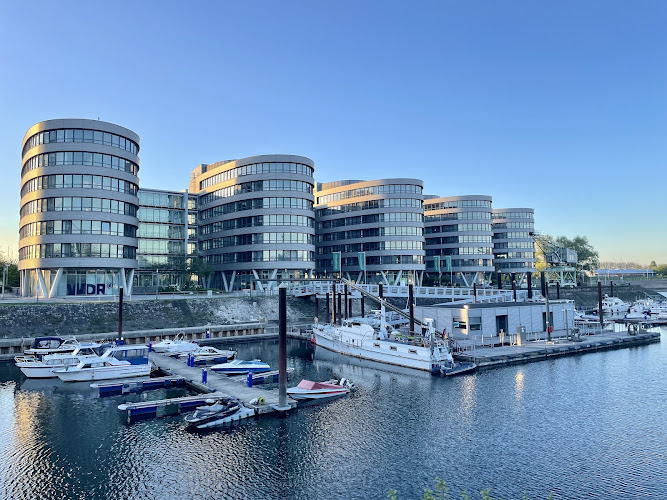
Duisburg Inner Harbour
About Duisburg Inner Harbour
Description
The Duisburg Inner Harbour represents one of those industrial transformation stories that somehow manages to surprise you at every turn. What started life as a bustling commercial port dating back centuries has morphed into this sprawling waterfront district that mixes old warehouse architecture with contemporary uses in ways that actually work. I've visited quite a few repurposed industrial areas across Europe, and honestly, this one hits differently because it hasn't tried to polish away all its gritty character. You'll find yourself wandering through spaces where massive cargo ships once loaded and unloaded goods from around the world. Now those same basins reflect the facades of restaurants, office buildings, museums, and green spaces that locals genuinely use rather than just existing for tourist photos. The harbour stretches along the Rhine-Hesse Canal and creates this whole microcosm within Duisburg that feels separate from the rest of the city. And that's kind of the point - it's become its own destination. The architecture tells stories if you pay attention. Original brick warehouses stand alongside modern glass structures, and somehow the contrast works rather than feeling jarring. You can still see the old loading cranes, the industrial fixtures, the weathered steel that speaks to decades of maritime commerce. But instead of feeling like a museum frozen in time, the whole area pulses with contemporary life. Office workers grab lunch along the waterfront, families stroll through the parks, and visitors explore the various museums and cultural spaces that have taken root here. What really struck me during my visits was how the planners managed to preserve the industrial soul while creating genuinely usable public space. Too many redevelopment projects sand away all the rough edges until you're left with something sterile. The Inner Harbour keeps enough grit to remind you what this place actually was, which makes the transformation feel more honest somehow.Key Features
The Inner Harbour packs quite a bit into its waterfront footprint, and you'll want to plan for several hours at minimum to really appreciate what's on offer:- Historic marina basins that once served as commercial shipping docks, now hosting leisure boats and creating scenic walking routes around the water
- Museum der Deutschen Binnenschifffahrt showcasing Germany's inland shipping history inside an original Art Nouveau bathhouse and including actual historic ships you can board
- Extensive waterfront promenade perfect for strolling, jogging, or cycling with well-maintained pathways throughout the district
- Converted warehouse spaces housing restaurants, cafes, and shops that maintain their industrial character through exposed beams and original architectural details
- Green spaces and parks scattered throughout the area providing breathing room between the built structures
- Küppersmühle Museum for Modern Art situated in a converted grain mill building with an impressive collection of German post-war art
- Old harbour cranes and industrial equipment preserved as outdoor sculptures and reminders of the area's working past
- Garden der Erinnerung (Garden of Remembrance) offering a contemplative space designed by renowned landscape architect
- Marina facilities accommodating various watercraft with views across to the modern office buildings
- Multiple dining options ranging from casual cafes to upscale restaurants, many with outdoor terraces overlooking the water
- Wheelchair accessible throughout with ramps, accessible restrooms, and designated parking areas
- Regular cultural events and exhibitions hosted in various venues across the harbour quarter
Best Time to Visit
Timing your visit to the Inner Harbour really depends on what kind of experience you're after, though I'd argue the warmer months give you the fullest picture of what this place offers. Late spring through early autumn - basically May through September - brings the harbour to life in ways that the colder months just can't match. The outdoor terraces fill up, the waterfront promenades become gathering spots, and the whole atmosphere shifts into a more leisurely gear. You'll find locals out with their families, couples strolling along the marina, and plenty of activity that makes the space feel lived-in rather than just visited. Summer weekends can get busy, sure, but there's enough space that it rarely feels overcrowded. I particularly enjoyed visiting in early September when the summer crowds thin out a bit but the weather still cooperates. The light hits those old brick buildings in this gorgeous way during the late afternoon, creating photo opportunities that don't look forced or staged. And the restaurant terraces remain open without the peak summer prices. But here's the thing - don't completely write off the colder months. Winter visits have their own character. The museums become more appealing when it's grey and damp outside, and grabbing coffee or lunch at one of the converted warehouse restaurants while watching weather sweep across the harbour basins creates a cozy atmosphere. The industrial architecture actually looks more dramatic under overcast skies. Plus, you'll have the place largely to yourself, which allows for a more contemplative experience if that's your style. Weekdays tend to be quieter than weekends year-round, especially outside school holiday periods. If you're not fond of crowds and don't need that bustling atmosphere, Tuesday through Thursday typically offer the most relaxed visiting conditions. The museums and restaurants still operate normal hours, but the promenades and green spaces won't be packed with weekend visitors. Spring can be a bit unpredictable weather-wise, but April and May bring everything back to life after winter. Trees leaf out, outdoor spaces reopen, and there's this sense of renewal that suits a former industrial area reinventing itself.How to Get There
Getting to Duisburg Inner Harbour is refreshingly straightforward, especially if you're already travelling through Germany's well-connected transport network. By train, Duisburg Hauptbahnhof (main station) serves as your gateway. It's a major junction on the German rail system with frequent connections to cities across the country. From the Hauptbahnhof, you've got options. The walk to the Inner Harbour takes roughly 20-25 minutes depending on your pace - not terrible if you're travelling light and the weather cooperates. Just head southwest from the station toward the water. Alternatively, local tram and bus services run regularly from the station area to stops near the harbour district. The 903 bus line specifically serves the harbour area, though do check current routes as these occasionally change. If you're driving, Duisburg sits right in the heart of the Ruhr region with excellent motorway access via the A40, A59, and A3. Follow signs for "Innenhafen" once you're in Duisburg proper. Parking exists throughout the harbour district in various lots and structures. Some parking is pay-and-display, some is managed by private operators. Weekends generally see higher demand for spaces near the popular restaurant areas. The wheelchair accessible parking mentioned in the facilities makes this a genuinely accessible destination for visitors with mobility needs. Coming from Düsseldorf? You're only about 25 kilometers away, making this an easy day trip whether you drive or take the frequent regional trains. From Cologne, figure on about 45 minutes by train or roughly an hour driving depending on traffic. The harbour area itself is compact enough that you won't need additional transport once you arrive. Everything sits within comfortable walking distance, and the flat terrain around the waterfront makes navigation easy. Cycling is popular here too - bike rental options exist in Duisburg if you want to explore on two wheels.Tips for Visiting
After spending time at the Inner Harbour across different visits, I've picked up a few insights that might make your experience smoother and more enjoyable. Wear comfortable walking shoes. I know that sounds obvious, but the promenades around the harbour basins cover more ground than you'd initially think, and you'll want to wander. The surfaces are generally smooth and well-maintained, but this is still an area meant for exploring on foot. You'll get the most out of it by just rambling without a rigid plan. Allocate more time than you think you need. The Inner Harbour has this way of expanding to fill whatever time you give it. What looks on a map like a quick one-hour visit easily turns into three or four hours once you factor in museum browsing, coffee stops, and just sitting by the water watching boats and people. Don't schedule yourself too tightly. The museums deserve proper attention rather than rushed visits. The Museum der Deutschen Binnenschifffahrt in particular offers way more than you'd expect - boarding actual historic ships and exploring the detailed exhibits on inland waterway transport takes time. Same with the Küppersmühle if you're into modern art. Budget at least an hour for each museum you want to visit seriously. Bring cash as backup even though card payments are widely accepted. Most places handle both credit and debit cards without issue, but I've learned that having some euros on hand just removes potential friction, especially at smaller cafes or shops. The outdoor terraces at restaurants book up quickly on nice weather weekends. If you've got your heart set on waterfront dining during peak times, either arrive early or consider calling ahead to reserve. Midweek lunch visits rarely require reservations. Families with kids should know this place works well for children without being specifically designed as a kids' attraction. The open spaces, water views, and ability to walk freely without constant traffic danger make it manageable even with younger children. The museums might hold interest for older kids depending on their tolerance for exhibitions. Photography enthusiasts should explore beyond the obvious waterfront vistas. Yes, those are nice, but wander into the spaces between buildings, look for details on the old industrial structures, and shoot during different times of day. Golden hour light on brick and steel creates magic. Don't skip the less obvious areas. Everyone gravitates toward the main marina basin with its restaurants and museum, but walking further into the harbour complex reveals quieter spots with equally interesting architecture and fewer people. Some of my favorite moments came from discovering tucked-away corners that didn't feature in any guidebook. Check what's happening events-wise before you visit. The harbour hosts various cultural events, markets, and exhibitions throughout the year. Sometimes stumbling onto an event enhances your visit; other times you might prefer avoiding event crowds. Accessible facilities really are properly implemented here - not just token gestures. The ramps, restrooms, and pathways genuinely accommodate wheelchair users and others with mobility challenges. This makes it one of the better heritage attraction areas I've encountered for accessibility. And honestly? Just relax into the place. The Inner Harbour doesn't demand anything from you. It's not screaming for attention or trying to manufacture experiences. It simply exists as this thoughtfully repurposed industrial space where you can spend time however suits you. Sometimes the best approach is grabbing a coffee, finding a bench along the water, and just watching the whole scene unfold around you.Key Features
- Historic port architecture and preserved industrial structures
- Promenades and landscaped quayside perfect for walking and photography
- Museums and cultural venues housed in former warehouse buildings
- Waterfront bars, cafés and restaurants with canal views
- Adaptive reuse architecture blending old brick buildings with modern design
More Details
Updated March 30, 2026
Table of Contents
Description
The Duisburg Inner Harbour represents one of those industrial transformation stories that somehow manages to surprise you at every turn. What started life as a bustling commercial port dating back centuries has morphed into this sprawling waterfront district that mixes old warehouse architecture with contemporary uses in ways that actually work. I’ve visited quite a few repurposed industrial areas across Europe, and honestly, this one hits differently because it hasn’t tried to polish away all its gritty character.
You’ll find yourself wandering through spaces where massive cargo ships once loaded and unloaded goods from around the world. Now those same basins reflect the facades of restaurants, office buildings, museums, and green spaces that locals genuinely use rather than just existing for tourist photos. The harbour stretches along the Rhine-Hesse Canal and creates this whole microcosm within Duisburg that feels separate from the rest of the city. And that’s kind of the point – it’s become its own destination.
The architecture tells stories if you pay attention. Original brick warehouses stand alongside modern glass structures, and somehow the contrast works rather than feeling jarring. You can still see the old loading cranes, the industrial fixtures, the weathered steel that speaks to decades of maritime commerce. But instead of feeling like a museum frozen in time, the whole area pulses with contemporary life. Office workers grab lunch along the waterfront, families stroll through the parks, and visitors explore the various museums and cultural spaces that have taken root here.
What really struck me during my visits was how the planners managed to preserve the industrial soul while creating genuinely usable public space. Too many redevelopment projects sand away all the rough edges until you’re left with something sterile. The Inner Harbour keeps enough grit to remind you what this place actually was, which makes the transformation feel more honest somehow.
Key Features
The Inner Harbour packs quite a bit into its waterfront footprint, and you’ll want to plan for several hours at minimum to really appreciate what’s on offer:
- Historic marina basins that once served as commercial shipping docks, now hosting leisure boats and creating scenic walking routes around the water
- Museum der Deutschen Binnenschifffahrt showcasing Germany’s inland shipping history inside an original Art Nouveau bathhouse and including actual historic ships you can board
- Extensive waterfront promenade perfect for strolling, jogging, or cycling with well-maintained pathways throughout the district
- Converted warehouse spaces housing restaurants, cafes, and shops that maintain their industrial character through exposed beams and original architectural details
- Green spaces and parks scattered throughout the area providing breathing room between the built structures
- Küppersmühle Museum for Modern Art situated in a converted grain mill building with an impressive collection of German post-war art
- Old harbour cranes and industrial equipment preserved as outdoor sculptures and reminders of the area’s working past
- Garden der Erinnerung (Garden of Remembrance) offering a contemplative space designed by renowned landscape architect
- Marina facilities accommodating various watercraft with views across to the modern office buildings
- Multiple dining options ranging from casual cafes to upscale restaurants, many with outdoor terraces overlooking the water
- Wheelchair accessible throughout with ramps, accessible restrooms, and designated parking areas
- Regular cultural events and exhibitions hosted in various venues across the harbour quarter
Best Time to Visit
Timing your visit to the Inner Harbour really depends on what kind of experience you’re after, though I’d argue the warmer months give you the fullest picture of what this place offers.
Late spring through early autumn – basically May through September – brings the harbour to life in ways that the colder months just can’t match. The outdoor terraces fill up, the waterfront promenades become gathering spots, and the whole atmosphere shifts into a more leisurely gear. You’ll find locals out with their families, couples strolling along the marina, and plenty of activity that makes the space feel lived-in rather than just visited. Summer weekends can get busy, sure, but there’s enough space that it rarely feels overcrowded.
I particularly enjoyed visiting in early September when the summer crowds thin out a bit but the weather still cooperates. The light hits those old brick buildings in this gorgeous way during the late afternoon, creating photo opportunities that don’t look forced or staged. And the restaurant terraces remain open without the peak summer prices.
But here’s the thing – don’t completely write off the colder months. Winter visits have their own character. The museums become more appealing when it’s grey and damp outside, and grabbing coffee or lunch at one of the converted warehouse restaurants while watching weather sweep across the harbour basins creates a cozy atmosphere. The industrial architecture actually looks more dramatic under overcast skies. Plus, you’ll have the place largely to yourself, which allows for a more contemplative experience if that’s your style.
Weekdays tend to be quieter than weekends year-round, especially outside school holiday periods. If you’re not fond of crowds and don’t need that bustling atmosphere, Tuesday through Thursday typically offer the most relaxed visiting conditions. The museums and restaurants still operate normal hours, but the promenades and green spaces won’t be packed with weekend visitors.
Spring can be a bit unpredictable weather-wise, but April and May bring everything back to life after winter. Trees leaf out, outdoor spaces reopen, and there’s this sense of renewal that suits a former industrial area reinventing itself.
How to Get There
Getting to Duisburg Inner Harbour is refreshingly straightforward, especially if you’re already travelling through Germany’s well-connected transport network.
By train, Duisburg Hauptbahnhof (main station) serves as your gateway. It’s a major junction on the German rail system with frequent connections to cities across the country. From the Hauptbahnhof, you’ve got options. The walk to the Inner Harbour takes roughly 20-25 minutes depending on your pace – not terrible if you’re travelling light and the weather cooperates. Just head southwest from the station toward the water. Alternatively, local tram and bus services run regularly from the station area to stops near the harbour district. The 903 bus line specifically serves the harbour area, though do check current routes as these occasionally change.
If you’re driving, Duisburg sits right in the heart of the Ruhr region with excellent motorway access via the A40, A59, and A3. Follow signs for “Innenhafen” once you’re in Duisburg proper. Parking exists throughout the harbour district in various lots and structures. Some parking is pay-and-display, some is managed by private operators. Weekends generally see higher demand for spaces near the popular restaurant areas. The wheelchair accessible parking mentioned in the facilities makes this a genuinely accessible destination for visitors with mobility needs.
Coming from Düsseldorf? You’re only about 25 kilometers away, making this an easy day trip whether you drive or take the frequent regional trains. From Cologne, figure on about 45 minutes by train or roughly an hour driving depending on traffic.
The harbour area itself is compact enough that you won’t need additional transport once you arrive. Everything sits within comfortable walking distance, and the flat terrain around the waterfront makes navigation easy. Cycling is popular here too – bike rental options exist in Duisburg if you want to explore on two wheels.
Tips for Visiting
After spending time at the Inner Harbour across different visits, I’ve picked up a few insights that might make your experience smoother and more enjoyable.
Wear comfortable walking shoes. I know that sounds obvious, but the promenades around the harbour basins cover more ground than you’d initially think, and you’ll want to wander. The surfaces are generally smooth and well-maintained, but this is still an area meant for exploring on foot. You’ll get the most out of it by just rambling without a rigid plan.
Allocate more time than you think you need. The Inner Harbour has this way of expanding to fill whatever time you give it. What looks on a map like a quick one-hour visit easily turns into three or four hours once you factor in museum browsing, coffee stops, and just sitting by the water watching boats and people. Don’t schedule yourself too tightly.
The museums deserve proper attention rather than rushed visits. The Museum der Deutschen Binnenschifffahrt in particular offers way more than you’d expect – boarding actual historic ships and exploring the detailed exhibits on inland waterway transport takes time. Same with the Küppersmühle if you’re into modern art. Budget at least an hour for each museum you want to visit seriously.
Bring cash as backup even though card payments are widely accepted. Most places handle both credit and debit cards without issue, but I’ve learned that having some euros on hand just removes potential friction, especially at smaller cafes or shops.
The outdoor terraces at restaurants book up quickly on nice weather weekends. If you’ve got your heart set on waterfront dining during peak times, either arrive early or consider calling ahead to reserve. Midweek lunch visits rarely require reservations.
Families with kids should know this place works well for children without being specifically designed as a kids’ attraction. The open spaces, water views, and ability to walk freely without constant traffic danger make it manageable even with younger children. The museums might hold interest for older kids depending on their tolerance for exhibitions.
Photography enthusiasts should explore beyond the obvious waterfront vistas. Yes, those are nice, but wander into the spaces between buildings, look for details on the old industrial structures, and shoot during different times of day. Golden hour light on brick and steel creates magic.
Don’t skip the less obvious areas. Everyone gravitates toward the main marina basin with its restaurants and museum, but walking further into the harbour complex reveals quieter spots with equally interesting architecture and fewer people. Some of my favorite moments came from discovering tucked-away corners that didn’t feature in any guidebook.
Check what’s happening events-wise before you visit. The harbour hosts various cultural events, markets, and exhibitions throughout the year. Sometimes stumbling onto an event enhances your visit; other times you might prefer avoiding event crowds.
Accessible facilities really are properly implemented here – not just token gestures. The ramps, restrooms, and pathways genuinely accommodate wheelchair users and others with mobility challenges. This makes it one of the better heritage attraction areas I’ve encountered for accessibility.
And honestly? Just relax into the place. The Inner Harbour doesn’t demand anything from you. It’s not screaming for attention or trying to manufacture experiences. It simply exists as this thoughtfully repurposed industrial space where you can spend time however suits you. Sometimes the best approach is grabbing a coffee, finding a bench along the water, and just watching the whole scene unfold around you.
Key Highlights
- Historic port architecture and preserved industrial structures
- Promenades and landscaped quayside perfect for walking and photography
- Museums and cultural venues housed in former warehouse buildings
- Waterfront bars, cafés and restaurants with canal views
- Adaptive reuse architecture blending old brick buildings with modern design
Location
Places to Stay Near Duisburg Inner Harbour
Find and Book a Tour
Explore More Travel Guides
No reviews found! Be the first to review!
Duisburg Inner Harbour is a prominent attractions located in Duisburg.
Visit us at: Hansegracht 10, 47051 Duisburg, Germany.
Traveler Reviews for Duisburg Inner Harbour
There are no reviews yet. Be the first one to write one.
Have you visited Duisburg Inner Harbour? Help other travelers by sharing your review.
Nearby Attractions
You Might Also Like

Andre´Volten-Brunnen
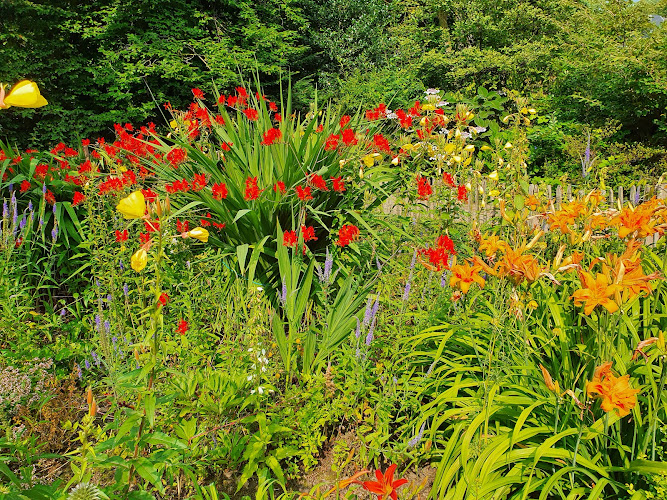
in Hamborn Botanical Garden
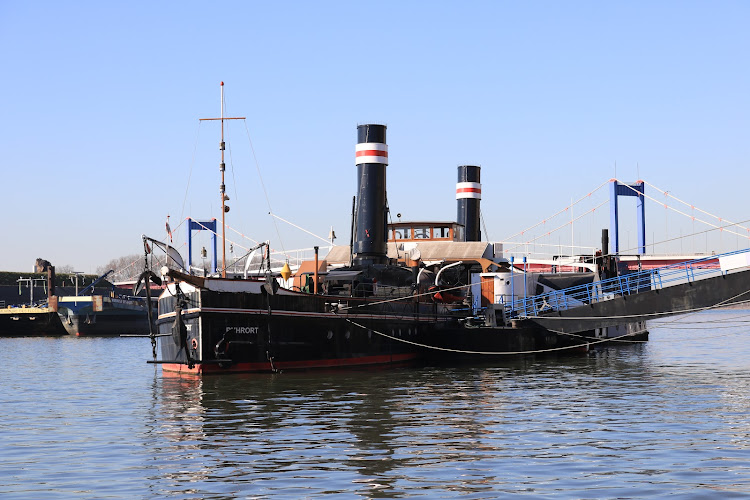
Museumsschiff Oscar Huber
Find Accommodations Nearby
Recommended Tours & Activities
Visitor Reviews
There are no reviews yet. Be the first one to write one.
Share Your Experience
Have you visited Duisburg Inner Harbour? Help other travelers by leaving a review.