
Kōdai-ji Temple
About Kōdai-ji Temple
Description
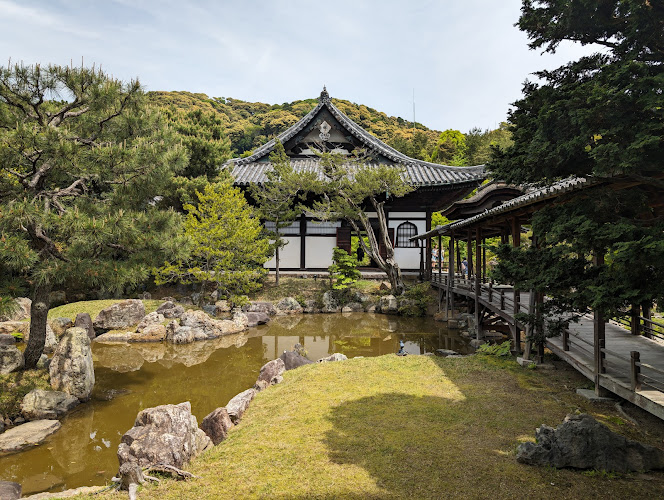
Kōdai-ji Temple in Kyoto is one of those places that quietly steals your heart before you even realize it. Tucked into the Higashiyama hills, this Buddhist temple was built in 1606 by Nene, the wife of Toyotomi Hideyoshi, one of Japan’s most influential historical figures. It’s more than just a temple—it’s a reflection of love, loss, and legacy, wrapped in the kind of beauty that Japan does so effortlessly. The temple belongs to the Rinzai sect of Zen Buddhism, and you can feel that meditative calm the moment you step onto its grounds.
What makes Kōdai-ji so special isn’t just its history—it’s the way it blends art, nature, and spirituality. The architecture is a masterpiece of the Momoyama period, with lavish details that somehow don’t feel overdone. There’s a quiet dignity about it. The gardens, designed by the legendary Kobori Enshū, are some of Kyoto’s most picturesque, with raked gravel, reflective ponds, and carefully placed stones that seem to whisper stories of centuries past. I remember standing by the pond one autumn evening, when the maple leaves turned the water into a mirror of fire. It’s one of those moments that stays with you.
And then there’s the night illumination—oh, that’s something else entirely. The temple hosts seasonal light-ups that transform the grounds into a dreamscape. Walking through the bamboo grove under soft glowing lights feels almost surreal, like stepping into a painting. It’s no wonder visitors keep coming back year after year. Sure, it gets crowded, but even in the bustle, there’s a sense of peace that lingers. The place has a way of slowing you down, making you breathe a little deeper, think a little softer.
Key Features
- Historic Significance: Established in 1606 by Nene to honor Toyotomi Hideyoshi, Kōdai-ji represents one of the most poignant love stories in Japanese history.
- Zen Gardens: Designed by Kobori Enshū, the gardens feature a harmonious blend of water, stone, and sand that embodies the essence of Zen aesthetics.
- Tea Houses: The temple grounds include several tea houses, such as Kasatei and Shiguretei, where visitors can imagine the refined tea ceremonies of the Edo period.
- Bamboo Grove: A smaller but equally enchanting version of Arashiyama’s grove, offering a peaceful stroll through whispering stalks of bamboo.
- Night Illuminations: Seasonal light-up events in spring and autumn create a magical atmosphere, especially when the gardens and pond are aglow.
- Art and Architecture: Lavish lacquerwork, gold leaf, and intricate carvings showcase the opulence of the Momoyama era.
- Accessibility: The temple provides wheelchair-accessible parking and restrooms, making it welcoming for all visitors.
Best Time to Visit
If you ask me, autumn is hands down the best time to visit Kōdai-ji. The maple trees turn every shade of red and gold, and the reflection in the pond is just breathtaking. The air is crisp, the light is soft—it’s Kyoto at its finest. That said, spring has its own charm with gentle cherry blossoms floating through the air like confetti. During both seasons, the temple hosts its famous light-up events, which are worth every bit of the hype.
Summer can be humid, but the bamboo grove offers a cool escape, and the temple’s calm energy makes it bearable. Winter, though quieter, has a serene beauty of its own—especially when a dusting of snow covers the rooftops. Honestly, there’s no bad time to visit; it just depends on the kind of experience you’re after. If you prefer fewer crowds, try visiting early in the morning or just before closing time on weekdays. The stillness at those hours is almost sacred.
How to Get There
Getting to Kōdai-ji is fairly straightforward, though the final stretch involves a bit of walking through Kyoto’s charming narrow streets. The temple sits in the Higashiyama district, not far from other major landmarks like Kiyomizu-dera and Yasaka Shrine. You can take a bus from Kyoto Station to the Higashiyama area—buses 206 or 100 are good options—and get off near the Higashiyama Yasui stop. From there, it’s a 5-10 minute walk uphill through lanes lined with traditional shops and cafés. It’s one of those walks where you’ll want to stop every few steps to take photos.
For those who prefer a more relaxed journey, a taxi from Kyoto Station takes around 15 minutes, depending on traffic. If you’re exploring on foot, you can easily include Kōdai-ji in a walking route that covers Ninenzaka and Sannenzaka streets, both of which are postcard-perfect. Just remember to wear comfortable shoes—the cobblestones can be tricky, especially after rain.
Tips for Visiting
First off, give yourself time. Kōdai-ji isn’t a place to rush through—it’s a place to linger. Plan at least an hour, though two is better if you want to really soak it all in. Bring a camera, but also take a few moments to just look without a lens between you and the world. The temple’s atmosphere is something you feel more than you see.
If you’re visiting during the light-up events, arrive early. The lines can get long, and tickets sometimes sell out. And dress warmly in autumn evenings—it gets chilly once the sun dips behind the hills. For those who love tea, don’t miss the chance to join a traditional tea ceremony in one of the tea houses. It’s a quiet, grounding experience that pairs beautifully with the temple’s tranquil setting.
Accessibility is quite good here. There’s wheelchair-accessible parking and restrooms on-site, and the main paths are well maintained. Still, some areas involve steps or uneven ground, so a bit of caution helps. If you’re traveling with kids, they’ll likely enjoy the illuminated pathways at night—it’s almost like walking through a fairytale.
One small but important tip: respect the silence. Kōdai-ji is an active temple, and while it welcomes tourists, it’s still a sacred space. Keep your voice low, avoid touching the structures, and follow the posted signs. And if you’re lucky enough to visit on a quiet morning, take a moment by the pond, close your eyes, and just listen. The rustle of bamboo, the soft splash of koi, the distant sound of temple bells—it’s pure Kyoto magic.
On a personal note, my first visit to Kōdai-ji was completely unplanned. I stumbled upon it while wandering through Higashiyama after a rainstorm. The air smelled of wet stone and cedar, and the temple grounds glistened under a faint mist. I remember thinking, “This is what peace feels like.” Every time I’ve gone back since, it’s given me that same feeling. And that’s the thing about Kōdai-ji—it doesn’t just show you beauty; it makes you feel it.
So if you’re planning a trip to Kyoto and want to experience a place that blends history, art, and serenity in one unforgettable setting, put Kōdai-ji Temple on your list. It’s not the biggest or the flashiest temple in the city, but it’s one of the most soulful. And sometimes, that’s exactly what a traveler needs—a quiet corner of the world that reminds you to slow down, breathe, and just be.
You Might Also Like
Cafe Free
Eikandō Temple
Fushimi Inari Taisha
Tours & Activities
GetYourGuide provides this tour inventory. We may earn a commission if you book through it; verify current availability, prices, and terms with the provider.
Visitor Reviews
There are no reviews yet. Be the first one to write one.
Share Your Experience
Have you visited Kōdai-ji Temple? Help other travelers by leaving a review.