
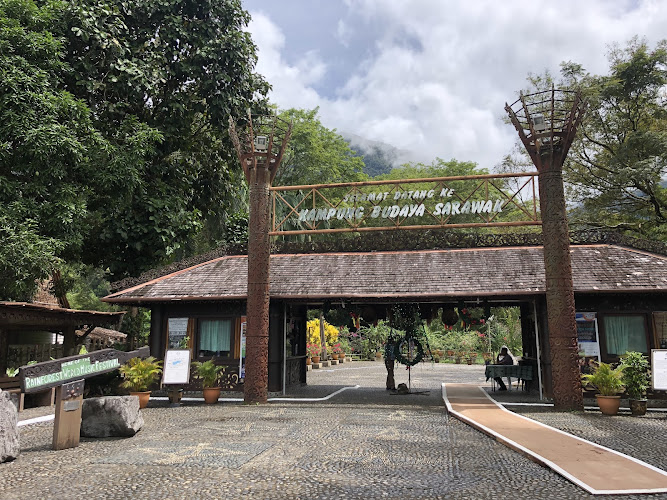
Kampung Budaya Sarawak
About Kampung Budaya Sarawak
Description
Kampung Budaya Sarawak, also known as the Sarawak Cultural Village, is one of those places that quietly takes your breath away—not because it’s flashy or over-the-top, but because it feels deeply real. Spread across 17 acres of lush greenery near the foothills of Mount Santubong, this living museum tells the story of Sarawak’s many ethnic groups through beautifully crafted longhouse replicas, hands-on experiences, and daily cultural performances. It’s not your typical museum with dusty displays and glass cases. Here, the exhibits breathe, talk, and even dance.
Walking through the village feels like stepping into a time capsule that’s still very much alive. You’ll meet locals dressed in traditional attire, hear the rhythmic beat of bamboo instruments echoing through the trees, and smell the faint aroma of wood smoke from the longhouse kitchens. It’s immersive, educational, and surprisingly emotional—especially when you realize how much of Sarawak’s identity is woven into these traditions.
What I personally love about this place is how it balances authenticity with accessibility. You don’t have to be a culture buff to enjoy it. Kids run around fascinated by blowpipe demonstrations, while adults find themselves quietly moved by the storytelling dances. Sure, not everything is perfect—some parts feel a little staged—but that’s part of its charm. It’s a living museum, after all, not a theme park. And that’s what makes it special.
Key Features
- Authentic longhouse replicas representing Sarawak’s major ethnic groups, including the Iban, Bidayuh, Melanau, and Orang Ulu.
- Daily live cultural performances featuring traditional dances, music, and costumes.
- Interactive craft demonstrations such as beadwork, weaving, and bamboo carving.
- Onsite restaurant serving local Sarawakian dishes and snacks.
- Wheelchair-accessible facilities including parking, restrooms, and pathways.
- Family-friendly environment with open spaces and activities suitable for children.
- Free parking and convenient access from nearby resorts and beaches.
- Guided tours available for deeper insight into each ethnic group’s heritage.
Best Time to Visit
Timing makes a big difference here. The best time to visit Kampung Budaya Sarawak is during the dry season, roughly from March to October. The weather tends to be warm but pleasant, perfect for exploring the open-air exhibits without worrying about sudden tropical downpours.
If you can, try to plan your visit around one of the cultural festivals like the Rainforest World Music Festival, which is often held nearby. The energy during those times is incredible—music, food, and traditional performances blend into a celebration that feels both ancient and modern. But even outside festival season, the village offers plenty of reasons to linger. Mornings are quieter, giving you more time to chat with the performers and artisans. Afternoons, on the other hand, bring a livelier vibe with the main stage shows.
I once visited during a light drizzle, and honestly, it added this misty, almost cinematic atmosphere. The sound of rain on the longhouse roofs, the smell of wet wood—it felt like being inside a storybook. So, while dry days are ideal, don’t let a bit of rain stop you. Bring a poncho, and you might just find the experience even more memorable.
How to Get There
Getting to Kampung Budaya Sarawak is fairly straightforward. It’s about a 30-minute drive from Kuching city center, and most travelers either rent a car or take a taxi or ride-hailing service. The drive itself is quite scenic—you’ll pass small villages, dense greenery, and glimpses of the coastline as you approach the Santubong area.
If you’re staying at one of the resorts near Damai Beach, you can actually walk to the village in about 10 minutes. There are also organized tours that include transportation, which is handy if you prefer not to drive. Public buses used to run that way, but they can be infrequent, so I’d recommend arranging your own ride if you want flexibility.
Parking is free and conveniently located near the entrance, and the area is well signposted. Once you’re there, everything’s within walking distance, though you might want comfortable shoes since the paths can get slightly uneven in places. And yes, it’s wheelchair-friendly, which is a big plus for families or travelers with mobility needs.
Tips for Visiting
A few pieces of advice from someone who’s been there more than once—because trust me, it’s worth more than one visit.
- Arrive early: The village opens in the morning, and arriving early means you can explore the longhouses before the larger tour groups arrive. It’s quieter, more intimate, and you’ll get better photos.
- Catch the cultural performance: The daily show in the main theater is a must-see. It’s about 45 minutes long, and the energy of the performers is contagious. You’ll leave smiling, guaranteed.
- Bring some cash: While they accept cards, some of the small craft vendors prefer cash. And you’ll definitely want to bring home a handmade souvenir or two.
- Wear comfortable clothing: It’s an outdoor experience, so light, breathable clothes and comfy shoes are your best friends. Don’t forget sunscreen and insect repellent.
- Stay hydrated: It can get warm, especially around midday. There’s a small café and restaurant onsite, but carrying a bottle of water is always smart.
- Talk to the locals: This might sound obvious, but so many people rush through without chatting to the staff and performers. They’re incredibly friendly and full of stories that you won’t find on the signboards.
- Book tickets in advance: It’s not always crowded, but weekends and school holidays can get busy. Booking ahead saves time and ensures you don’t miss the performance slots.
- Take your time: Don’t treat it like a checklist attraction. Sit down, watch the world go by, listen to the sounds of drums and laughter. That’s when the place truly comes alive.
One small tip from my own experience—after exploring, grab a seat near the lake and just take in the view. The reflection of the longhouses in the water, the mountains in the background, and the gentle chatter of visitors make for a pretty peaceful end to your visit. It’s those moments that stick with you long after you’ve left.
Kampung Budaya Sarawak isn’t just about sightseeing—it’s about connecting with the soul of Borneo. Whether you’re a first-time visitor to Sarawak or someone who’s lived in Malaysia for years, this place reminds you that culture isn’t something frozen in time. It’s alive, evolving, and waiting to be experienced.
So, go ahead—plan that half-day trip. Walk through the longhouses, watch the dancers, taste the local food, and maybe even try your hand at a traditional craft. You’ll leave with a deeper appreciation for Sarawak’s heritage—and maybe, just maybe, a little more wonder in your heart.
Key Features
- Authentic longhouse replicas representing Sarawak’s major ethnic groups, including the Iban, Bidayuh, Melanau, and Orang Ulu.
- Daily live cultural performances featuring traditional dances, music, and costumes.
- Interactive craft demonstrations such as beadwork, weaving, and bamboo carving.
- Onsite restaurant serving local Sarawakian dishes and snacks.
- Wheelchair-accessible facilities including parking, restrooms, and pathways.
- Family-friendly environment with open spaces and activities suitable for children.
- Free parking and convenient access from nearby resorts and beaches.
- Guided tours available for deeper insight into each ethnic group’s heritage.
More Details
Updated December 1, 2025
Table of Contents
Description
Kampung Budaya Sarawak, also known as the Sarawak Cultural Village, is one of those places that quietly takes your breath away—not because it’s flashy or over-the-top, but because it feels deeply real. Spread across 17 acres of lush greenery near the foothills of Mount Santubong, this living museum tells the story of Sarawak’s many ethnic groups through beautifully crafted longhouse replicas, hands-on experiences, and daily cultural performances. It’s not your typical museum with dusty displays and glass cases. Here, the exhibits breathe, talk, and even dance.
Walking through the village feels like stepping into a time capsule that’s still very much alive. You’ll meet locals dressed in traditional attire, hear the rhythmic beat of bamboo instruments echoing through the trees, and smell the faint aroma of wood smoke from the longhouse kitchens. It’s immersive, educational, and surprisingly emotional—especially when you realize how much of Sarawak’s identity is woven into these traditions.
What I personally love about this place is how it balances authenticity with accessibility. You don’t have to be a culture buff to enjoy it. Kids run around fascinated by blowpipe demonstrations, while adults find themselves quietly moved by the storytelling dances. Sure, not everything is perfect—some parts feel a little staged—but that’s part of its charm. It’s a living museum, after all, not a theme park. And that’s what makes it special.
Key Features
- Authentic longhouse replicas representing Sarawak’s major ethnic groups, including the Iban, Bidayuh, Melanau, and Orang Ulu.
- Daily live cultural performances featuring traditional dances, music, and costumes.
- Interactive craft demonstrations such as beadwork, weaving, and bamboo carving.
- Onsite restaurant serving local Sarawakian dishes and snacks.
- Wheelchair-accessible facilities including parking, restrooms, and pathways.
- Family-friendly environment with open spaces and activities suitable for children.
- Free parking and convenient access from nearby resorts and beaches.
- Guided tours available for deeper insight into each ethnic group’s heritage.
Best Time to Visit
Timing makes a big difference here. The best time to visit Kampung Budaya Sarawak is during the dry season, roughly from March to October. The weather tends to be warm but pleasant, perfect for exploring the open-air exhibits without worrying about sudden tropical downpours.
If you can, try to plan your visit around one of the cultural festivals like the Rainforest World Music Festival, which is often held nearby. The energy during those times is incredible—music, food, and traditional performances blend into a celebration that feels both ancient and modern. But even outside festival season, the village offers plenty of reasons to linger. Mornings are quieter, giving you more time to chat with the performers and artisans. Afternoons, on the other hand, bring a livelier vibe with the main stage shows.
I once visited during a light drizzle, and honestly, it added this misty, almost cinematic atmosphere. The sound of rain on the longhouse roofs, the smell of wet wood—it felt like being inside a storybook. So, while dry days are ideal, don’t let a bit of rain stop you. Bring a poncho, and you might just find the experience even more memorable.
How to Get There
Getting to Kampung Budaya Sarawak is fairly straightforward. It’s about a 30-minute drive from Kuching city center, and most travelers either rent a car or take a taxi or ride-hailing service. The drive itself is quite scenic—you’ll pass small villages, dense greenery, and glimpses of the coastline as you approach the Santubong area.
If you’re staying at one of the resorts near Damai Beach, you can actually walk to the village in about 10 minutes. There are also organized tours that include transportation, which is handy if you prefer not to drive. Public buses used to run that way, but they can be infrequent, so I’d recommend arranging your own ride if you want flexibility.
Parking is free and conveniently located near the entrance, and the area is well signposted. Once you’re there, everything’s within walking distance, though you might want comfortable shoes since the paths can get slightly uneven in places. And yes, it’s wheelchair-friendly, which is a big plus for families or travelers with mobility needs.
Tips for Visiting
A few pieces of advice from someone who’s been there more than once—because trust me, it’s worth more than one visit.
- Arrive early: The village opens in the morning, and arriving early means you can explore the longhouses before the larger tour groups arrive. It’s quieter, more intimate, and you’ll get better photos.
- Catch the cultural performance: The daily show in the main theater is a must-see. It’s about 45 minutes long, and the energy of the performers is contagious. You’ll leave smiling, guaranteed.
- Bring some cash: While they accept cards, some of the small craft vendors prefer cash. And you’ll definitely want to bring home a handmade souvenir or two.
- Wear comfortable clothing: It’s an outdoor experience, so light, breathable clothes and comfy shoes are your best friends. Don’t forget sunscreen and insect repellent.
- Stay hydrated: It can get warm, especially around midday. There’s a small café and restaurant onsite, but carrying a bottle of water is always smart.
- Talk to the locals: This might sound obvious, but so many people rush through without chatting to the staff and performers. They’re incredibly friendly and full of stories that you won’t find on the signboards.
- Book tickets in advance: It’s not always crowded, but weekends and school holidays can get busy. Booking ahead saves time and ensures you don’t miss the performance slots.
- Take your time: Don’t treat it like a checklist attraction. Sit down, watch the world go by, listen to the sounds of drums and laughter. That’s when the place truly comes alive.
One small tip from my own experience—after exploring, grab a seat near the lake and just take in the view. The reflection of the longhouses in the water, the mountains in the background, and the gentle chatter of visitors make for a pretty peaceful end to your visit. It’s those moments that stick with you long after you’ve left.
Kampung Budaya Sarawak isn’t just about sightseeing—it’s about connecting with the soul of Borneo. Whether you’re a first-time visitor to Sarawak or someone who’s lived in Malaysia for years, this place reminds you that culture isn’t something frozen in time. It’s alive, evolving, and waiting to be experienced.
So, go ahead—plan that half-day trip. Walk through the longhouses, watch the dancers, taste the local food, and maybe even try your hand at a traditional craft. You’ll leave with a deeper appreciation for Sarawak’s heritage—and maybe, just maybe, a little more wonder in your heart.
Key Highlights
- Authentic longhouse replicas representing Sarawak’s major ethnic groups, including the Iban, Bidayuh, Melanau, and Orang Ulu.
- Daily live cultural performances featuring traditional dances, music, and costumes.
- Interactive craft demonstrations such as beadwork, weaving, and bamboo carving.
- Onsite restaurant serving local Sarawakian dishes and snacks.
- Wheelchair-accessible facilities including parking, restrooms, and pathways.
- Family-friendly environment with open spaces and activities suitable for children.
- Free parking and convenient access from nearby resorts and beaches.
- Guided tours available for deeper insight into each ethnic group’s heritage.
Location
Places to Stay Near Kampung Budaya Sarawak
Find and Book a Tour
Explore More Travel Guides
No reviews found! Be the first to review!
Traveler Reviews for Kampung Budaya Sarawak
There are no reviews yet. Be the first one to write one.
Have you visited Kampung Budaya Sarawak? Help other travelers by sharing your review.
You Might Also Like

Bako National Park Carpark and Boat Jetty
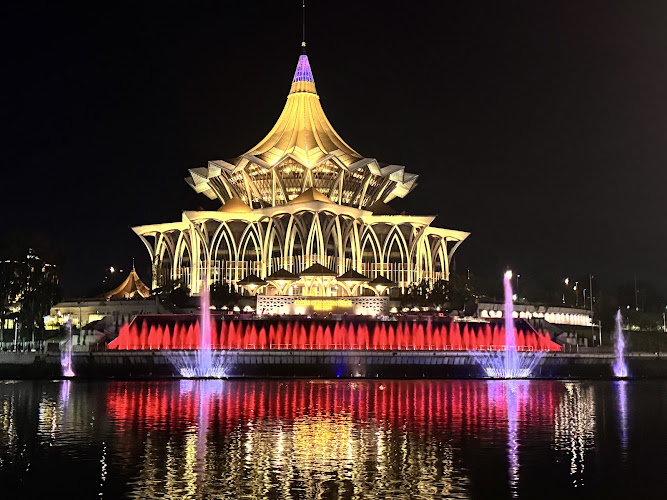
Darul Hana Musical Fountain Watching Position

Sama Jaya Forest Park
Find Accommodations Nearby
Recommended Tours & Activities
Visitor Reviews
There are no reviews yet. Be the first one to write one.
Share Your Experience
Have you visited Kampung Budaya Sarawak? Help other travelers by leaving a review.