
Igreja Misericórdia
About Igreja Misericórdia
Igreja da Misericórdia, Braga: The Renaissance Church You Spot Almost Immediately—and Shouldn’t Rush Past
A few minutes after stepping off the train in Braga, you’re likely heading uphill toward the Sé (cathedral) complex. On that short walk, Igreja da Misericórdia tends to appear early—exactly the kind of place people file past on the way to “bigger” monuments. That’s a miss.
This church matters because it preserves one of Braga’s clearest Renaissance-era architectural statements, even though later centuries reshaped parts of it. Official heritage notes emphasize that the church is not merely an annex of the cathedral complex, but a distinct monument with its own story. Portugal
## Where it is (and why the location is the point)
– Address: Rua Dom Diogo de Sousa 124, in the historic core beside the cathedral precinct. Portugal
– Setting: The church sits next to Braga’s cathedral zone—by design. The Misericórdia brotherhood originally operated within the cathedral cloister before the group outgrew that space and moved to build here.
That proximity is your clue: this isn’t a random parish church. It’s tied to the institutional and devotional life of Braga’s center, and to the civic-religious networks that “Misericórdias” represented across Portugal.
## A quick, factual timeline you can keep in your head
1513 – The brotherhood of the Misericórdia of Braga is founded, with permission to install in a chapel in the cathedral cloister (then associated with Jesus of Mercy).
1558 – The brotherhood decides the cloister space is too small and plans a new temple next to the cathedral.
1562 – The church is built (official tourism sources describe it as built in 1562), later undergoing significant alterations in the 18th century. Portugal
That’s the core arc: cathedral-cloister origins → expansion → Renaissance church → later remodeling.
## What to look for outside (the details people skip)
### 1) The Renaissance façade that still reads clearly
Even after later changes, official descriptions highlight surviving Renaissance architecture, especially on the façade. Portugal
When you’re standing out front, the “read” you’re aiming for is proportion and restraint—more measured than the exuberant Baroque you’ll see elsewhere in Minho.
### 2) The lateral entrance—and the “Visitation” scene above it
If you only do one detail-hunt here, make it the side portal. The official Visit Portugal entry calls out the lateral entrance and the sculpted scene of the Visitation above it, attributing it to the Coimbra school of sculpture (noted there as 15th-century). Portugal
That single sculptural moment is a great “anchor” for understanding how Braga’s religious art connects to wider Portuguese workshop traditions beyond the city itself.
## Inside: what’s safe to expect (and what I’m intentionally not guessing)
Official heritage/tourism summaries emphasize the building’s layered history—Renaissance foundations with later modifications. Portugal
I’m not going to claim specific interior elements (altarpieces, ceilings, museum passages, ticketing rules, accessibility features, or current opening hours) because I did not find those confirmed on official sources in the material reviewed.
### Outdated-or-unstable data to watch for
– Opening hours and entry conditions are the most likely details to change seasonally. I’m not listing them here because I did not find a current, official timetable in the sources consulted. (If you want, I can verify hours from an official listing you trust—municipal/cathedral/diocese—before you go.)
## How to fit it into a smart Braga walk (practical, low-friction)
Because the church sits beside the Sé complex, it works best as a micro-stop you intentionally include rather than “maybe later.”
A clean sequence:
1. Approach via the cathedral area so you see how the church sits in the precinct context. Portugal
2. Do an exterior lap to find the lateral portal and Visitation scene. Portugal
3. Then continue to nearby cultural stops that deepen the story of Braga beyond churches.
## Two contextual internal links on RealJourneyTravels.com
If you’re building a Braga cluster page (or strengthening topical authority around Braga’s historic center), these two nearby, on-site entries complement Igreja da Misericórdia well:
– Biscaínhos Museum Garden Journey Travels
– Museu Nogueira da Silva Journey Travels
They broaden the intent mix: sacred heritage → lived culture (decorative arts, gardens, domestic history), which tends to perform better for readers planning an actual half-day in Braga.
## Why this church is worth your attention
Igreja da Misericórdia rewards a certain kind of traveler: the one who likes seeing how a city’s power, charity, and aesthetics braided together over centuries. The factual spine is strong—cathedral-rooted brotherhood, expansion in the mid-1500s, a Renaissance architectural legacy, then later transformation—without needing any hype.
Key Features
Igreja Misericórdia
You Might Also Like
Archbishops Court
Arco da Porta Nova
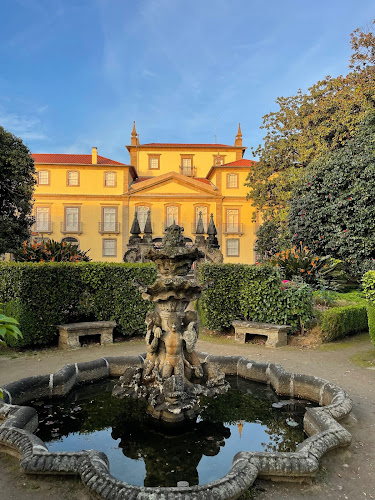
Biscainhos Museum
Tours & Activities
GetYourGuide provides this tour inventory. We may earn a commission if you book through it; verify current availability, prices, and terms with the provider.
Visitor Reviews
There are no reviews yet. Be the first one to write one.
Share Your Experience
Have you visited Igreja Misericórdia? Help other travelers by leaving a review.