
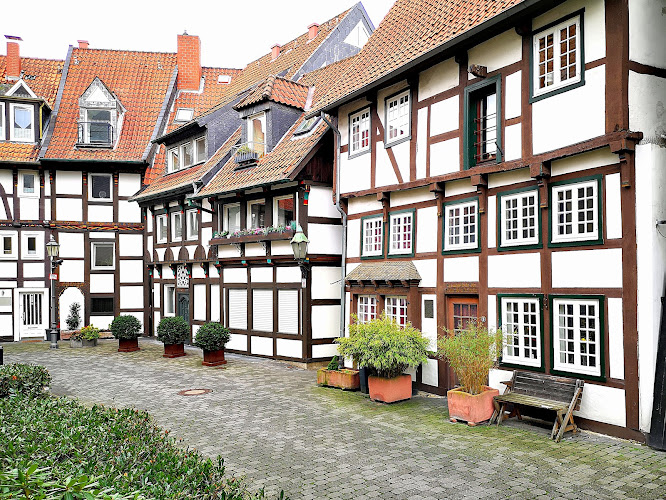
Historischer Stadtkern Gütersloh
About Historischer Stadtkern Gütersloh
Description
The Historischer Stadtkern Gütersloh stands as a testament to medieval German architecture and urban planning, offering visitors an authentic glimpse into centuries of Westphalian history. This well-preserved historic town center showcases the architectural evolution of a typical North Rhine-Westphalia settlement, with its collection of timber-framed houses representing some of the finest examples of traditional German construction techniques. Walking through these cobblestone streets feels like stepping back in time - and honestly, that's not something I say lightly about historic districts. Too many places have been over-commercialized or stripped of their authentic character. But Gütersloh's old town maintains that genuine atmosphere that makes you slow down and really appreciate the craftsmanship of bygone eras. The timber-framed buildings, known locally as Fachwerkhäuser, display intricate wooden beam patterns that tell stories of medieval construction methods passed down through generations. What strikes most visitors immediately is how the historic center seamlessly integrates with modern Gütersloh life. Residents still live and work in these centuries-old structures, creating an organic living museum rather than a sterile tourist attraction. The buildings have been carefully maintained and restored, preserving their structural integrity while adapting to contemporary needs - something that requires both significant investment and community commitment.Key Features
The Historischer Stadtkern Gütersloh presents several distinctive architectural and cultural elements that distinguish it from other German historic districts: • Authentic Timber-Framed Architecture: The Fachwerk buildings showcase traditional construction techniques dating back several centuries, with exposed wooden beams creating geometric patterns unique to the Westphalian region • Medieval Street Layout: Original cobblestone pathways and narrow alleyways preserve the medieval urban planning structure, offering insight into how German market towns developed organically over time • Living Heritage: Unlike many historic districts that function purely as tourist attractions, this area remains a functioning part of the city where locals conduct daily business and social activities • Architectural Diversity: The buildings represent different historical periods, allowing visitors to observe the evolution of construction techniques and design preferences across multiple centuries • Cultural Integration: Modern amenities and services are thoughtfully integrated into historic structures without compromising their architectural integrity • Pedestrian-Friendly Environment: The historic center prioritizes foot traffic, creating a peaceful atmosphere conducive to leisurely exploration and photography • Restoration Excellence: Careful preservation work maintains structural authenticity while ensuring buildings meet contemporary safety and accessibility standards And here's something that really impressed me during research - the attention to detail in maintaining period-appropriate materials and techniques during restoration work shows a level of historical respect that's becoming increasingly rare.Best Time to Visit
The optimal visiting period for Historischer Stadtkern Gütersloh spans from late spring through early autumn, specifically May through September, when weather conditions enhance the outdoor exploration experience. During these months, temperatures range from comfortable 15-25°C (59-77°F), making extended walking tours pleasant and photography conditions ideal. Summer months bring the most activity to the historic district, but honestly, this creates both advantages and drawbacks. While you'll find more services available and potentially encounter local events or markets, you'll also share the experience with more visitors. But given that Gütersloh isn't on the typical tourist trail like Rothenburg ob der Tauber or similar destinations, crowds rarely become overwhelming. Early morning visits during any season offer unique advantages - the soft lighting creates exceptional photographic opportunities for the timber-framed structures, and you'll often have entire streets to yourself. I've found that the period just after sunrise provides the most atmospheric conditions, when morning mist sometimes clings to the old buildings and creates an almost ethereal quality. Winter visits shouldn't be dismissed entirely. Snow-covered timber frames create picture-postcard scenes, and the cozy atmosphere of indoor establishments becomes more appealing. However, some outdoor exploration becomes less comfortable, and daylight hours are significantly reduced. Spring visits, particularly in April and May, offer the bonus of seeing the historic district framed by blooming trees and flowers. Weather patterns in this region can be unpredictable, so flexible planning serves visitors well regardless of season. The indoor elements of the historic district provide shelter during unexpected rain, and the compact nature of the area means you're never far from covered spaces.How to Get There
Reaching Historischer Stadtkern Gütersloh requires some planning, but the journey itself becomes part of the experience when traveling through the scenic Westphalian countryside. The town sits approximately 60 kilometers northeast of Dortmund, making it accessible from major German transportation hubs. By train, Gütersloh Hauptbahnhof serves as the primary arrival point, with regular connections from major cities including Berlin, Hamburg, and Cologne. The historic center lies within comfortable walking distance of the train station - roughly 800 meters or about a 10-minute stroll through the modern city center. This walk actually provides a nice transition from contemporary Germany into the historic atmosphere. Driving offers flexibility for exploring the broader region, and honestly, having a car opens up possibilities for visiting other Westphalian historic sites during the same trip. The A2 autobahn provides the main arterial access, with Gütersloh exits clearly marked. Parking availability near the historic center varies, but several public parking areas serve visitors within reasonable walking distance. Regional bus services connect Gütersloh with surrounding communities, though frequency and scheduling may require advance planning. For international visitors, the nearest major airport is Münster Osnabrück Airport, approximately 60 kilometers away, though flying into Düsseldorf or Hamburg and taking ground transportation often proves more practical. One thing to note - GPS navigation sometimes struggles with the narrow historic streets, so having backup directions or downloading offline maps beforehand saves frustration. The historic center's pedestrian zones restrict vehicle access anyway, so plan to complete your journey on foot once you reach the old town perimeter.Tips for Visiting
Successful exploration of Historischer Stadtkern Gütersloh benefits from understanding both practical considerations and cultural context. The historic district rewards visitors who approach it with patience and genuine curiosity rather than rushing through for quick photo opportunities. Comfortable walking shoes are absolutely essential - those cobblestones look charming, but they can be unforgiving on feet and ankles. And trust me on this one, after spending a day exploring similar historic districts, proper footwear makes the difference between an enjoyable experience and an endurance test. The uneven surfaces and varying elevations require stable, supportive shoes rather than fashion-forward choices. Photography enthusiasts should bring extra batteries and memory cards. The architectural details and atmospheric lighting conditions create countless compelling shots, but the timber patterns and shadow play demand careful composition and potentially multiple attempts. Early morning and late afternoon lighting produces the most dramatic effects on the wooden facades. Learning basic information about Fachwerk architecture before visiting enhances appreciation significantly. Understanding how these structures were built, why specific beam patterns were chosen, and how they've survived centuries adds depth to what might otherwise appear as simply "old buildings." But don't feel obligated to become an expert - sometimes just observing and appreciating the craftsmanship speaks for itself. Respect for the living community is crucial. These aren't museum pieces but homes and businesses where people conduct their daily lives. Maintain reasonable noise levels, don't peer into private windows, and remember that your tourism experience shouldn't disrupt residents' routines. Weather contingency planning proves wise since much of the experience involves outdoor exploration. A compact umbrella or light rain jacket doesn't take much space but provides options if conditions change unexpectedly. The covered walkways and doorway overhangs offer some shelter, but thorough weather protection enhances comfort. Consider visiting during weekdays rather than weekends when possible. The authentic daily rhythm of the community becomes more apparent when locals are going about their regular business rather than weekend activities. Plus, any cafes or shops in the area tend to be less crowded, allowing for more relaxed interaction with proprietors who often possess extensive knowledge about the buildings' histories. Finally, allow sufficient time for your visit. Rushing through defeats the purpose of experiencing this type of historic environment. Plan for at least two to three hours of unhurried exploration, longer if you're particularly interested in architectural details or photography.Key Features
- Key Features
- Best Time to Visit
- How to Get There
- Tips for Visiting
More Details
Updated September 13, 2025
Table of Contents
Description
The Historischer Stadtkern Gütersloh stands as a testament to medieval German architecture and urban planning, offering visitors an authentic glimpse into centuries of Westphalian history. This well-preserved historic town center showcases the architectural evolution of a typical North Rhine-Westphalia settlement, with its collection of timber-framed houses representing some of the finest examples of traditional German construction techniques.
Walking through these cobblestone streets feels like stepping back in time – and honestly, that’s not something I say lightly about historic districts. Too many places have been over-commercialized or stripped of their authentic character. But Gütersloh’s old town maintains that genuine atmosphere that makes you slow down and really appreciate the craftsmanship of bygone eras. The timber-framed buildings, known locally as Fachwerkhäuser, display intricate wooden beam patterns that tell stories of medieval construction methods passed down through generations.
What strikes most visitors immediately is how the historic center seamlessly integrates with modern Gütersloh life. Residents still live and work in these centuries-old structures, creating an organic living museum rather than a sterile tourist attraction. The buildings have been carefully maintained and restored, preserving their structural integrity while adapting to contemporary needs – something that requires both significant investment and community commitment.
Key Features
The Historischer Stadtkern Gütersloh presents several distinctive architectural and cultural elements that distinguish it from other German historic districts:
• Authentic Timber-Framed Architecture: The Fachwerk buildings showcase traditional construction techniques dating back several centuries, with exposed wooden beams creating geometric patterns unique to the Westphalian region
• Medieval Street Layout: Original cobblestone pathways and narrow alleyways preserve the medieval urban planning structure, offering insight into how German market towns developed organically over time
• Living Heritage: Unlike many historic districts that function purely as tourist attractions, this area remains a functioning part of the city where locals conduct daily business and social activities
• Architectural Diversity: The buildings represent different historical periods, allowing visitors to observe the evolution of construction techniques and design preferences across multiple centuries
• Cultural Integration: Modern amenities and services are thoughtfully integrated into historic structures without compromising their architectural integrity
• Pedestrian-Friendly Environment: The historic center prioritizes foot traffic, creating a peaceful atmosphere conducive to leisurely exploration and photography
• Restoration Excellence: Careful preservation work maintains structural authenticity while ensuring buildings meet contemporary safety and accessibility standards
And here’s something that really impressed me during research – the attention to detail in maintaining period-appropriate materials and techniques during restoration work shows a level of historical respect that’s becoming increasingly rare.
Best Time to Visit
The optimal visiting period for Historischer Stadtkern Gütersloh spans from late spring through early autumn, specifically May through September, when weather conditions enhance the outdoor exploration experience. During these months, temperatures range from comfortable 15-25°C (59-77°F), making extended walking tours pleasant and photography conditions ideal.
Summer months bring the most activity to the historic district, but honestly, this creates both advantages and drawbacks. While you’ll find more services available and potentially encounter local events or markets, you’ll also share the experience with more visitors. But given that Gütersloh isn’t on the typical tourist trail like Rothenburg ob der Tauber or similar destinations, crowds rarely become overwhelming.
Early morning visits during any season offer unique advantages – the soft lighting creates exceptional photographic opportunities for the timber-framed structures, and you’ll often have entire streets to yourself. I’ve found that the period just after sunrise provides the most atmospheric conditions, when morning mist sometimes clings to the old buildings and creates an almost ethereal quality.
Winter visits shouldn’t be dismissed entirely. Snow-covered timber frames create picture-postcard scenes, and the cozy atmosphere of indoor establishments becomes more appealing. However, some outdoor exploration becomes less comfortable, and daylight hours are significantly reduced. Spring visits, particularly in April and May, offer the bonus of seeing the historic district framed by blooming trees and flowers.
Weather patterns in this region can be unpredictable, so flexible planning serves visitors well regardless of season. The indoor elements of the historic district provide shelter during unexpected rain, and the compact nature of the area means you’re never far from covered spaces.
How to Get There
Reaching Historischer Stadtkern Gütersloh requires some planning, but the journey itself becomes part of the experience when traveling through the scenic Westphalian countryside. The town sits approximately 60 kilometers northeast of Dortmund, making it accessible from major German transportation hubs.
By train, Gütersloh Hauptbahnhof serves as the primary arrival point, with regular connections from major cities including Berlin, Hamburg, and Cologne. The historic center lies within comfortable walking distance of the train station – roughly 800 meters or about a 10-minute stroll through the modern city center. This walk actually provides a nice transition from contemporary Germany into the historic atmosphere.
Driving offers flexibility for exploring the broader region, and honestly, having a car opens up possibilities for visiting other Westphalian historic sites during the same trip. The A2 autobahn provides the main arterial access, with Gütersloh exits clearly marked. Parking availability near the historic center varies, but several public parking areas serve visitors within reasonable walking distance.
Regional bus services connect Gütersloh with surrounding communities, though frequency and scheduling may require advance planning. For international visitors, the nearest major airport is Münster Osnabrück Airport, approximately 60 kilometers away, though flying into Düsseldorf or Hamburg and taking ground transportation often proves more practical.
One thing to note – GPS navigation sometimes struggles with the narrow historic streets, so having backup directions or downloading offline maps beforehand saves frustration. The historic center’s pedestrian zones restrict vehicle access anyway, so plan to complete your journey on foot once you reach the old town perimeter.
Tips for Visiting
Successful exploration of Historischer Stadtkern Gütersloh benefits from understanding both practical considerations and cultural context. The historic district rewards visitors who approach it with patience and genuine curiosity rather than rushing through for quick photo opportunities.
Comfortable walking shoes are absolutely essential – those cobblestones look charming, but they can be unforgiving on feet and ankles. And trust me on this one, after spending a day exploring similar historic districts, proper footwear makes the difference between an enjoyable experience and an endurance test. The uneven surfaces and varying elevations require stable, supportive shoes rather than fashion-forward choices.
Photography enthusiasts should bring extra batteries and memory cards. The architectural details and atmospheric lighting conditions create countless compelling shots, but the timber patterns and shadow play demand careful composition and potentially multiple attempts. Early morning and late afternoon lighting produces the most dramatic effects on the wooden facades.
Learning basic information about Fachwerk architecture before visiting enhances appreciation significantly. Understanding how these structures were built, why specific beam patterns were chosen, and how they’ve survived centuries adds depth to what might otherwise appear as simply “old buildings.” But don’t feel obligated to become an expert – sometimes just observing and appreciating the craftsmanship speaks for itself.
Respect for the living community is crucial. These aren’t museum pieces but homes and businesses where people conduct their daily lives. Maintain reasonable noise levels, don’t peer into private windows, and remember that your tourism experience shouldn’t disrupt residents’ routines.
Weather contingency planning proves wise since much of the experience involves outdoor exploration. A compact umbrella or light rain jacket doesn’t take much space but provides options if conditions change unexpectedly. The covered walkways and doorway overhangs offer some shelter, but thorough weather protection enhances comfort.
Consider visiting during weekdays rather than weekends when possible. The authentic daily rhythm of the community becomes more apparent when locals are going about their regular business rather than weekend activities. Plus, any cafes or shops in the area tend to be less crowded, allowing for more relaxed interaction with proprietors who often possess extensive knowledge about the buildings’ histories.
Finally, allow sufficient time for your visit. Rushing through defeats the purpose of experiencing this type of historic environment. Plan for at least two to three hours of unhurried exploration, longer if you’re particularly interested in architectural details or photography.
Key Highlights
- Key Features
- Best Time to Visit
- How to Get There
- Tips for Visiting
Location
Places to Stay Near Historischer Stadtkern Gütersloh
Find and Book a Tour
Explore More Travel Guides
No reviews found! Be the first to review!
Traveler Reviews for Historischer Stadtkern Gütersloh
There are no reviews yet. Be the first one to write one.
Have you visited Historischer Stadtkern Gütersloh? Help other travelers by sharing your review.
You Might Also Like

Kriegerdenkmal

Sankt Pankratius Kirche
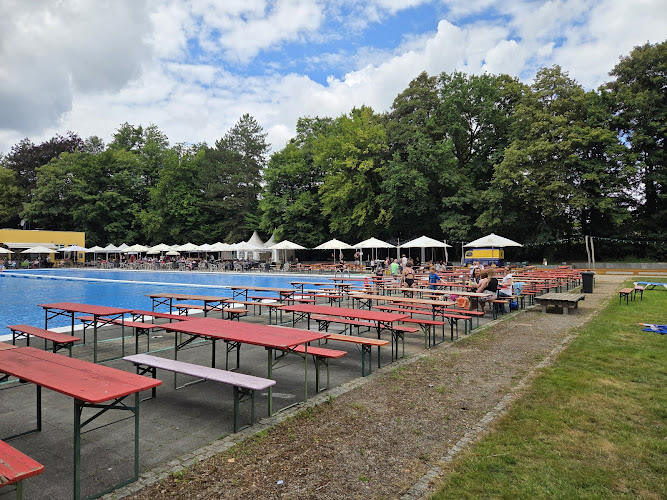
Parkbad Gütersloh
Find Accommodations Nearby
Recommended Tours & Activities
Visitor Reviews
There are no reviews yet. Be the first one to write one.
Share Your Experience
Have you visited Historischer Stadtkern Gütersloh? Help other travelers by leaving a review.