

Sankt Pankratius Kirche
About Sankt Pankratius Kirche
Description
Sankt Pankratius Kirche stands as one of Germany's most remarkable Catholic churches, drawing visitors from across Europe who come to experience its extraordinary blend of architectural beauty and musical heritage. Named after Saint Pancratius, a young Roman martyr who died in 304 AD, this church represents centuries of devotion and craftsmanship that'll leave you genuinely moved—even if you're not particularly religious.
What makes this place truly special isn't just its impressive Gothic or Baroque architecture (depending on which Sankt Pankratius you're visiting, since there are several across Germany). It's the way history seems to breathe through every stone and wooden beam. I've visited countless churches throughout Europe, but there's something about the atmosphere here that makes you want to sit quietly for longer than you initially planned.
The church serves as both an active place of worship and a cultural landmark, welcoming thousands of visitors annually who come to admire its artistic treasures and experience its renowned acoustics. And let me tell you, if you're lucky enough to catch an organ performance here, you're in for something extraordinary. The sound doesn't just fill the space—it transforms it entirely.
Key Features
Visitors consistently praise several distinctive elements that set Sankt Pankratius Kirche apart from other historic churches:
- Magnificent Pipe Organ - The church houses one of Germany's most impressive historical pipe organs, some featuring the work of master craftsmen like Arp Schnitger, with intricate stop combinations that create hauntingly beautiful music during services and concerts.
- Intricate Wood Carvings - The interior showcases exceptional craftsmanship from skilled artisans like Heinrich Stütting, whose detailed work from the 1720s still captivates visitors with its precision and artistic vision.
- Imposing Chancel Design - The altar area commands attention with its carefully planned proportions and decorative elements that draw the eye naturally toward the sacred space.
- Three-Nave Hall Church Architecture - The structural design creates an sense of openness while maintaining intimate worship spaces, allowing natural light to filter beautifully throughout the interior.
- Historic Cemetery Grounds - Some locations feature ancient burial grounds that tell stories of local families spanning several centuries, offering insight into community history.
- Accessibility Features - Modern visitors appreciate that the church provides wheelchair-accessible entrances and parking, making this historic site welcoming to all travelers.
- Exceptional Acoustics - The architectural design creates perfect sound conditions for both spoken word and musical performances, with some organs positioned on double galleries specifically for optimal audio experience.
Best Time to Visit
Timing your visit to Sankt Pankratius Kirche can dramatically enhance your experience, and I've learned this through a few poorly planned church visits where I ended up standing outside locked doors!
The optimal time for exploration is typically during weekday mornings between 9 AM and 11 AM, when natural light streams through the windows most beautifully and you'll encounter fewer crowds. Tuesday through Thursday generally offer the most peaceful atmosphere for photography and quiet contemplation.
If you're particularly interested in experiencing the famous organ music, plan your visit around Sunday services (usually 10 AM) or special concert events. But here's something most guidebooks won't tell you—some of the most moving musical moments happen during weekday evening vespers, when smaller congregations create a more intimate setting.
Seasonal considerations matter more than you might expect. Spring visits (April through June) offer comfortable weather for exploring any associated cemetery grounds, while autumn provides dramatic lighting that photographers absolutely love. Winter visits have their own charm, particularly during Advent season when special decorations and additional musical performances occur.
Summer months, while pleasant weather-wise, often bring tour groups that can make the space feel crowded. However, extended daylight hours mean you'll have more flexibility in your visit timing. Many visitors don't realize that some churches offer special summer evening concerts that showcase the acoustics in completely different ways than morning services.
How to Get There
Getting to Sankt Pankratius Kirche requires some planning since there are several churches bearing this name across different German regions. The most efficient approach involves first confirming which specific location you're targeting—whether it's the one in Hamburg with the famous Schnitger organ, the Baroque church in the Romantic Rhine region, or another location entirely.
For most Sankt Pankratius churches, public transportation provides the most straightforward access. German train systems typically connect to nearby stations, from which local buses or short walks complete the journey. I always recommend downloading the DB Navigator app before traveling, as it provides real-time updates and connection information that'll save you considerable frustration.
If you're driving, GPS coordinates work better than street addresses for some of the smaller locations, particularly those in rural areas or smaller communities. Parking availability varies significantly between locations—urban churches often have limited street parking, while those in smaller towns or countryside settings typically offer dedicated parking areas.
Many visitors combine their church visit with broader regional exploration. The Hamburg location pairs wonderfully with walking tours of the historic district, while rural locations often sit within areas perfect for hiking or cycling. Planning your transportation with these additional activities in mind creates a more fulfilling day trip.
For international travelers, consider that some locations may require multiple transportation connections. Factor in extra time, especially if you're hoping to arrive for specific service times or concerts. German public transport is reliable, but connections in smaller communities sometimes run less frequently than urban schedules.
Tips for Visiting
Approaching Sankt Pankratius Kirche with proper preparation transforms a simple sightseeing stop into a genuinely memorable experience. First and foremost, remember that this is an active place of worship—respectful behavior and appropriate dress are absolutely essential, even when no services are occurring.
Photography policies vary, so ask before taking pictures. Many churches welcome photography of architectural features but request no flash photography and no pictures during services. Some locations charge small fees for professional photography, while others prohibit it entirely. When in doubt, ask—church staff are usually happy to explain their specific guidelines.
The acoustic properties that make these spaces so special for music can also amplify conversation, so keep voices low even when the space appears empty. What feels like normal speaking volume to you might seem quite loud to others trying to experience the peaceful atmosphere.
If you're interested in the historical aspects, consider reaching out in advance to arrange guided tours. Many churches offer specialized tours focusing on architectural details, musical heritage, or local history that aren't available for drop-in visitors. These often reveal fascinating details that you'd completely miss exploring independently.
Weather considerations matter more for church visits than you might realize. Cold stone interiors can be surprisingly chilly even on warm days, so bring a light jacket. Conversely, some older buildings can feel stuffy during hot summer weather—dress in layers that you can adjust comfortably.
For music enthusiasts, bringing a small notebook to jot down details about organ specifications or musical pieces you hear can enhance your experience. Many churches provide printed programs during services that include interesting historical information worth keeping as souvenirs.
Plan for potential language barriers if you don't speak German. While many staff members speak some English, having a translation app ready helps with reading historical plaques or informational materials that provide context for what you're seeing.
Finally, consider making a small donation if you appreciate your visit. These historic buildings require constant maintenance and preservation efforts that depend heavily on visitor contributions. Even small amounts help ensure that future travelers can experience the same beauty and history that moved you during your visit.
Key Features
- Key Features
- Best Time to Visit
- How to Get There
- Tips for Visiting
More Details
Updated September 14, 2025
Table of Contents
Description
Sankt Pankratius Kirche stands as one of Germany’s most remarkable Catholic churches, drawing visitors from across Europe who come to experience its extraordinary blend of architectural beauty and musical heritage. Named after Saint Pancratius, a young Roman martyr who died in 304 AD, this church represents centuries of devotion and craftsmanship that’ll leave you genuinely moved—even if you’re not particularly religious.
What makes this place truly special isn’t just its impressive Gothic or Baroque architecture (depending on which Sankt Pankratius you’re visiting, since there are several across Germany). It’s the way history seems to breathe through every stone and wooden beam. I’ve visited countless churches throughout Europe, but there’s something about the atmosphere here that makes you want to sit quietly for longer than you initially planned.
The church serves as both an active place of worship and a cultural landmark, welcoming thousands of visitors annually who come to admire its artistic treasures and experience its renowned acoustics. And let me tell you, if you’re lucky enough to catch an organ performance here, you’re in for something extraordinary. The sound doesn’t just fill the space—it transforms it entirely.
Key Features
Visitors consistently praise several distinctive elements that set Sankt Pankratius Kirche apart from other historic churches:
- Magnificent Pipe Organ – The church houses one of Germany’s most impressive historical pipe organs, some featuring the work of master craftsmen like Arp Schnitger, with intricate stop combinations that create hauntingly beautiful music during services and concerts.
- Intricate Wood Carvings – The interior showcases exceptional craftsmanship from skilled artisans like Heinrich Stütting, whose detailed work from the 1720s still captivates visitors with its precision and artistic vision.
- Imposing Chancel Design – The altar area commands attention with its carefully planned proportions and decorative elements that draw the eye naturally toward the sacred space.
- Three-Nave Hall Church Architecture – The structural design creates an sense of openness while maintaining intimate worship spaces, allowing natural light to filter beautifully throughout the interior.
- Historic Cemetery Grounds – Some locations feature ancient burial grounds that tell stories of local families spanning several centuries, offering insight into community history.
- Accessibility Features – Modern visitors appreciate that the church provides wheelchair-accessible entrances and parking, making this historic site welcoming to all travelers.
- Exceptional Acoustics – The architectural design creates perfect sound conditions for both spoken word and musical performances, with some organs positioned on double galleries specifically for optimal audio experience.
Best Time to Visit
Timing your visit to Sankt Pankratius Kirche can dramatically enhance your experience, and I’ve learned this through a few poorly planned church visits where I ended up standing outside locked doors!
The optimal time for exploration is typically during weekday mornings between 9 AM and 11 AM, when natural light streams through the windows most beautifully and you’ll encounter fewer crowds. Tuesday through Thursday generally offer the most peaceful atmosphere for photography and quiet contemplation.
If you’re particularly interested in experiencing the famous organ music, plan your visit around Sunday services (usually 10 AM) or special concert events. But here’s something most guidebooks won’t tell you—some of the most moving musical moments happen during weekday evening vespers, when smaller congregations create a more intimate setting.
Seasonal considerations matter more than you might expect. Spring visits (April through June) offer comfortable weather for exploring any associated cemetery grounds, while autumn provides dramatic lighting that photographers absolutely love. Winter visits have their own charm, particularly during Advent season when special decorations and additional musical performances occur.
Summer months, while pleasant weather-wise, often bring tour groups that can make the space feel crowded. However, extended daylight hours mean you’ll have more flexibility in your visit timing. Many visitors don’t realize that some churches offer special summer evening concerts that showcase the acoustics in completely different ways than morning services.
How to Get There
Getting to Sankt Pankratius Kirche requires some planning since there are several churches bearing this name across different German regions. The most efficient approach involves first confirming which specific location you’re targeting—whether it’s the one in Hamburg with the famous Schnitger organ, the Baroque church in the Romantic Rhine region, or another location entirely.
For most Sankt Pankratius churches, public transportation provides the most straightforward access. German train systems typically connect to nearby stations, from which local buses or short walks complete the journey. I always recommend downloading the DB Navigator app before traveling, as it provides real-time updates and connection information that’ll save you considerable frustration.
If you’re driving, GPS coordinates work better than street addresses for some of the smaller locations, particularly those in rural areas or smaller communities. Parking availability varies significantly between locations—urban churches often have limited street parking, while those in smaller towns or countryside settings typically offer dedicated parking areas.
Many visitors combine their church visit with broader regional exploration. The Hamburg location pairs wonderfully with walking tours of the historic district, while rural locations often sit within areas perfect for hiking or cycling. Planning your transportation with these additional activities in mind creates a more fulfilling day trip.
For international travelers, consider that some locations may require multiple transportation connections. Factor in extra time, especially if you’re hoping to arrive for specific service times or concerts. German public transport is reliable, but connections in smaller communities sometimes run less frequently than urban schedules.
Tips for Visiting
Approaching Sankt Pankratius Kirche with proper preparation transforms a simple sightseeing stop into a genuinely memorable experience. First and foremost, remember that this is an active place of worship—respectful behavior and appropriate dress are absolutely essential, even when no services are occurring.
Photography policies vary, so ask before taking pictures. Many churches welcome photography of architectural features but request no flash photography and no pictures during services. Some locations charge small fees for professional photography, while others prohibit it entirely. When in doubt, ask—church staff are usually happy to explain their specific guidelines.
The acoustic properties that make these spaces so special for music can also amplify conversation, so keep voices low even when the space appears empty. What feels like normal speaking volume to you might seem quite loud to others trying to experience the peaceful atmosphere.
If you’re interested in the historical aspects, consider reaching out in advance to arrange guided tours. Many churches offer specialized tours focusing on architectural details, musical heritage, or local history that aren’t available for drop-in visitors. These often reveal fascinating details that you’d completely miss exploring independently.
Weather considerations matter more for church visits than you might realize. Cold stone interiors can be surprisingly chilly even on warm days, so bring a light jacket. Conversely, some older buildings can feel stuffy during hot summer weather—dress in layers that you can adjust comfortably.
For music enthusiasts, bringing a small notebook to jot down details about organ specifications or musical pieces you hear can enhance your experience. Many churches provide printed programs during services that include interesting historical information worth keeping as souvenirs.
Plan for potential language barriers if you don’t speak German. While many staff members speak some English, having a translation app ready helps with reading historical plaques or informational materials that provide context for what you’re seeing.
Finally, consider making a small donation if you appreciate your visit. These historic buildings require constant maintenance and preservation efforts that depend heavily on visitor contributions. Even small amounts help ensure that future travelers can experience the same beauty and history that moved you during your visit.
Key Highlights
- Key Features
- Best Time to Visit
- How to Get There
- Tips for Visiting
Location
Places to Stay Near Sankt Pankratius Kirche
Find and Book a Tour
Explore More Travel Guides
No reviews found! Be the first to review!
Traveler Reviews for Sankt Pankratius Kirche
There are no reviews yet. Be the first one to write one.
Have you visited Sankt Pankratius Kirche? Help other travelers by sharing your review.
You Might Also Like

Alter Kirchplatz
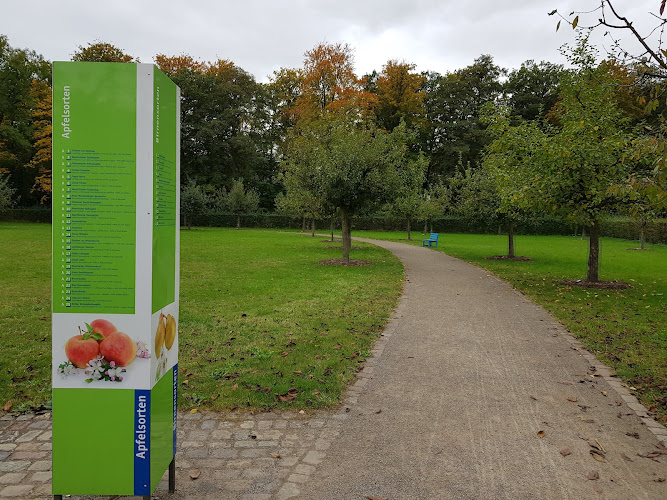
Obstwiese im Stadtpark Gütersloh
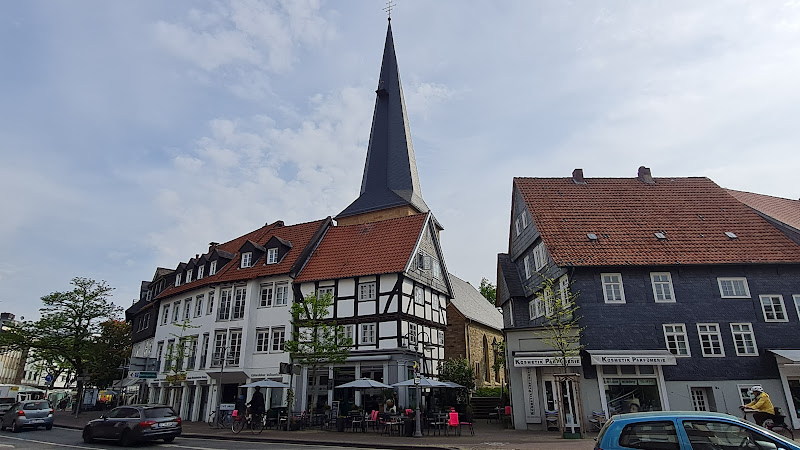
Gütersloh
Find Accommodations Nearby
Recommended Tours & Activities
Visitor Reviews
There are no reviews yet. Be the first one to write one.
Share Your Experience
Have you visited Sankt Pankratius Kirche? Help other travelers by leaving a review.