
Gütersloh
About Gütersloh
Description
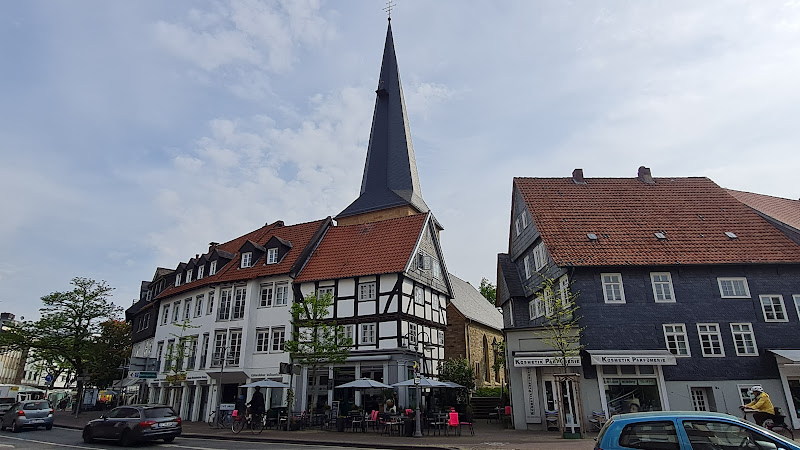
Gütersloh might not be on every traveler's radar, but that's exactly what makes this North Rhine-Westphalia gem worth discovering. Located in the Ostwestfalen-Lippe region within the administrative district of Detmold, this town of just over 100,000 residents offers visitors an authentic slice of German life without the tourist crowds that plague more famous destinations. What strikes you first about Gütersloh is how it perfectly balances its industrial heritage with green spaces and cultural offerings. The town serves as the administrative center for its district, which means you'll find a well-organized infrastructure that makes getting around surprisingly easy. But don't let the "administrative center" label fool you into thinking it's all bureaucracy and business suits – there's genuine character here. The town's economy has been shaped significantly by major corporations, most notably Bertelsmann, one of the world's largest media companies, which has its headquarters right here. This corporate presence has brought an international flair to what might otherwise be a typical German town, creating an interesting dynamic where local traditions meet global perspectives. Gütersloh's history stretches back over a millennium, and you can feel that weight of time as you wander through the older sections. The town survived various challenges throughout its history, including significant damage during World War II, but managed to rebuild itself into the thriving community visitors see today. And honestly, there's something refreshing about exploring a place that's focused on living rather than just preserving the past for tourists. The local population tends to be welcoming to visitors, though you might find fewer English speakers than in Germany's major tourist hubs. This actually works in your favor if you're looking for an immersive cultural experience where you can practice your German or simply enjoy the challenge of navigating a less touristy environment.Key Features
Gütersloh presents travelers with several distinctive attractions and experiences that set it apart from typical German tourist destinations: • **Gütersloh Municipal Theatre** - A cultural cornerstone that hosts impressive performances ranging from classical plays to contemporary productions, offering insight into regional artistic preferences • **Mohns Park** - An expansive green space featuring beautiful landscaping, walking paths, and seasonal gardens that locals frequent for relaxation and recreation • **Gütersloh Museum** - Houses fascinating exhibits on local history and culture, including displays about the town's industrial development and wartime experiences • **Stadtpark** - Another significant park area that transforms throughout the seasons, particularly stunning during spring when flowering trees create natural canopies • **Historic Market Square** - The town's commercial and social heart, surrounded by traditional German architecture and home to regular markets selling local produce and goods • **Bertelsmann Foundation** - While primarily a corporate entity, the foundation occasionally offers cultural events and exhibitions open to the public • **Local Churches** - Several historically significant religious buildings showcase different periods of German ecclesiastical architecture • **Botanical Gardens** - Smaller but well-maintained gardens that highlight regional flora and provide peaceful retreat spaces • **Traditional German Restaurants** - Authentic dining establishments serving regional Westphalian cuisine without tourist markup pricing • **Walking and Cycling Paths** - An extensive network connecting various parts of town and extending into surrounding countryside areasBest Time to Visit
Timing your visit to Gütersloh requires considering both weather patterns and local activity schedules, since this isn't a destination that maintains constant tourist-focused programming year-round. Late spring through early fall provides the most comfortable weather for exploring outdoor attractions. May through September temperatures typically range from 15-25°C (59-77°F), making walking tours and park visits particularly enjoyable. But here's something most travel guides won't tell you – visiting during shoulder seasons can actually enhance your experience because you'll encounter the town during its normal rhythm rather than any special tourist accommodations. Summer months bring longer daylight hours, which is especially valuable since many of Gütersloh's charms involve outdoor exploration. June and July offer peak weather conditions, though these months can occasionally experience brief but intense rainfall typical of the region. Always pack a light rain jacket regardless of the season you choose. Winter visits have their own appeal, particularly for travelers interested in experiencing authentic German Christmas markets and holiday traditions. The town transforms during December, with local celebrations that feel genuine rather than commercialized for tourist consumption. Temperatures drop significantly, often hovering around 0-5°C (32-41°F), but indoor cultural venues and cozy restaurants provide warm refuges. Spring arrival in March and April can be unpredictable weather-wise, but witnessing the town's numerous parks and gardens awakening after winter creates memorable experiences. And frankly, there's something special about being in a place when locals themselves are rediscovering outdoor spaces after months of indoor hibernation.How to Get There
Getting to Gütersloh requires some planning since it's not directly connected to major international transportation hubs, but the journey itself can become part of your German travel experience. The closest major airport is Paderborn Lippstadt Airport, approximately 30 kilometers away, though flight options remain limited. Most international travelers find better connections flying into Düsseldorf or Hanover airports, both roughly 100-120 kilometers from Gütersloh. From these airports, rental cars provide the most flexibility for reaching your destination and exploring surrounding areas. Train connections work well for travelers already within Germany or arriving from other European countries. The Deutsche Bahn network serves Gütersloh station with regular connections to major cities including Bielefeld, Hannover, and eventually connecting to the high-speed ICE network. Journey times from major cities like Berlin or Hamburg typically require 3-4 hours with one or two transfers, but the ride offers scenic views of German countryside that many visitors find relaxing. Driving remains the most convenient option if you're exploring multiple German regions. Gütersloh sits near the A2 autobahn, providing direct access from major cities. The drive from Berlin takes approximately 4 hours, while Cologne is roughly 2 hours away. GPS navigation works reliably, though having a basic understanding of German traffic signs helps avoid confusion. Bus services connect Gütersloh to regional destinations, though schedules can be infrequent compared to major tourist routes. This option works best for budget-conscious travelers who don't mind longer travel times and prefer public transportation over driving.Tips for Visiting
Visiting Gütersloh successfully requires adjusting expectations and approaches that work perfectly fine in major tourist destinations but might leave you frustrated here. Language preparation makes a significant difference in your experience quality. While younger residents often speak some English, many local business owners and older residents primarily communicate in German. Download a reliable translation app and learn basic German phrases for directions, ordering food, and expressing gratitude. Locals appreciate visitors who make genuine efforts to communicate in their language, even imperfectly. Cash remains king in many local establishments, despite Germany's general movement toward digital payments. ATMs are readily available, but carrying €50-100 in small bills prevents awkward situations when trying to pay for meals or local transportation. Some smaller restaurants and shops still prefer cash transactions, especially for amounts under €20. Meal timing follows traditional German patterns more strictly than in tourist-heavy areas. Restaurants often close between lunch and dinner service, typically from 2:30-5:30 PM. Plan accordingly or risk finding limited dining options during these hours. However, this scheduling creates opportunities to explore parks or museums during afternoon hours when restaurants reopen refreshed for evening service. Local markets and shops generally close earlier than in major cities, with many businesses shutting down by 6 PM on weekdays and operating limited Saturday hours. Sunday shopping is essentially non-existent outside of restaurants and cafes. This rhythm actually enhances the authentic German small-town experience if you adjust your daily schedule accordingly. Transportation within Gütersloh relies heavily on local bus services and walking. The town center remains compact enough for pedestrian exploration, but visiting outer attractions requires planning bus schedules or having access to a vehicle. Local tourist information offices provide current bus timetables and can suggest walking routes between major points of interest. Weather preparation goes beyond just checking forecasts – invest in quality rain gear since brief showers can appear suddenly throughout most seasons. Comfortable walking shoes are essential since many of Gütersloh's most interesting features require pedestrian exploration over varied terrain including cobblestone areas and park paths. Making restaurant reservations, especially for dinner, prevents disappointment since popular local establishments have limited seating and don't always accommodate walk-in guests during peak hours. Phone reservations work better than email for most locally-owned restaurants, and having someone who speaks German make the call eliminates potential communication barriers.Key Features
- Miele Museum and strong manufacturing heritage
- Compact, walkable town center with cafés and shops
- Green urban parks and riverside paths (Stadtpark, Dalke)
- Regional cultural venues: Stadttheater and local museums
- Good rail links for day trips across North Rhine-Westphalia
More Details
Updated September 13, 2025
Table of Contents
Description
Gütersloh might not be on every traveler’s radar, but that’s exactly what makes this North Rhine-Westphalia gem worth discovering. Located in the Ostwestfalen-Lippe region within the administrative district of Detmold, this town of just over 100,000 residents offers visitors an authentic slice of German life without the tourist crowds that plague more famous destinations.
What strikes you first about Gütersloh is how it perfectly balances its industrial heritage with green spaces and cultural offerings. The town serves as the administrative center for its district, which means you’ll find a well-organized infrastructure that makes getting around surprisingly easy. But don’t let the “administrative center” label fool you into thinking it’s all bureaucracy and business suits – there’s genuine character here.
The town’s economy has been shaped significantly by major corporations, most notably Bertelsmann, one of the world’s largest media companies, which has its headquarters right here. This corporate presence has brought an international flair to what might otherwise be a typical German town, creating an interesting dynamic where local traditions meet global perspectives.
Gütersloh’s history stretches back over a millennium, and you can feel that weight of time as you wander through the older sections. The town survived various challenges throughout its history, including significant damage during World War II, but managed to rebuild itself into the thriving community visitors see today. And honestly, there’s something refreshing about exploring a place that’s focused on living rather than just preserving the past for tourists.
The local population tends to be welcoming to visitors, though you might find fewer English speakers than in Germany’s major tourist hubs. This actually works in your favor if you’re looking for an immersive cultural experience where you can practice your German or simply enjoy the challenge of navigating a less touristy environment.
Key Features
Gütersloh presents travelers with several distinctive attractions and experiences that set it apart from typical German tourist destinations:
• **Gütersloh Municipal Theatre** – A cultural cornerstone that hosts impressive performances ranging from classical plays to contemporary productions, offering insight into regional artistic preferences
• **Mohns Park** – An expansive green space featuring beautiful landscaping, walking paths, and seasonal gardens that locals frequent for relaxation and recreation
• **Gütersloh Museum** – Houses fascinating exhibits on local history and culture, including displays about the town’s industrial development and wartime experiences
• **Stadtpark** – Another significant park area that transforms throughout the seasons, particularly stunning during spring when flowering trees create natural canopies
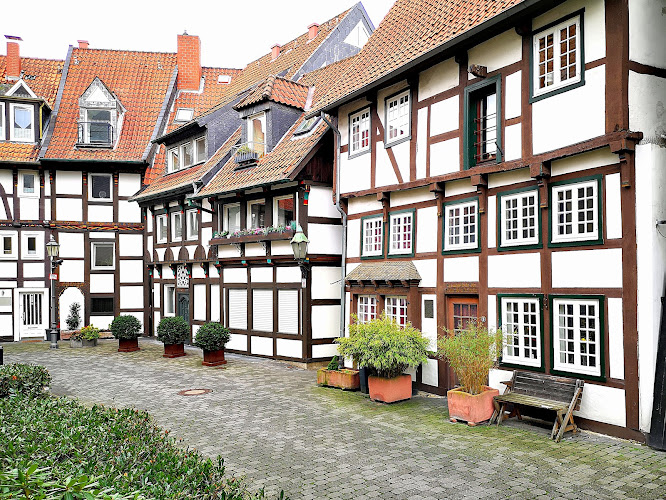
• **Historic Market Square** – The town’s commercial and social heart, surrounded by traditional German architecture and home to regular markets selling local produce and goods
• **Bertelsmann Foundation** – While primarily a corporate entity, the foundation occasionally offers cultural events and exhibitions open to the public
• **Local Churches** – Several historically significant religious buildings showcase different periods of German ecclesiastical architecture
• **Botanical Gardens** – Smaller but well-maintained gardens that highlight regional flora and provide peaceful retreat spaces
• **Traditional German Restaurants** – Authentic dining establishments serving regional Westphalian cuisine without tourist markup pricing
• **Walking and Cycling Paths** – An extensive network connecting various parts of town and extending into surrounding countryside areas
Best Time to Visit
Timing your visit to Gütersloh requires considering both weather patterns and local activity schedules, since this isn’t a destination that maintains constant tourist-focused programming year-round.
Late spring through early fall provides the most comfortable weather for exploring outdoor attractions. May through September temperatures typically range from 15-25°C (59-77°F), making walking tours and park visits particularly enjoyable. But here’s something most travel guides won’t tell you – visiting during shoulder seasons can actually enhance your experience because you’ll encounter the town during its normal rhythm rather than any special tourist accommodations.
Summer months bring longer daylight hours, which is especially valuable since many of Gütersloh’s charms involve outdoor exploration. June and July offer peak weather conditions, though these months can occasionally experience brief but intense rainfall typical of the region. Always pack a light rain jacket regardless of the season you choose.
Winter visits have their own appeal, particularly for travelers interested in experiencing authentic German Christmas markets and holiday traditions. The town transforms during December, with local celebrations that feel genuine rather than commercialized for tourist consumption. Temperatures drop significantly, often hovering around 0-5°C (32-41°F), but indoor cultural venues and cozy restaurants provide warm refuges.
Spring arrival in March and April can be unpredictable weather-wise, but witnessing the town’s numerous parks and gardens awakening after winter creates memorable experiences. And frankly, there’s something special about being in a place when locals themselves are rediscovering outdoor spaces after months of indoor hibernation.
How to Get There
Getting to Gütersloh requires some planning since it’s not directly connected to major international transportation hubs, but the journey itself can become part of your German travel experience.
The closest major airport is Paderborn Lippstadt Airport, approximately 30 kilometers away, though flight options remain limited. Most international travelers find better connections flying into Düsseldorf or Hanover airports, both roughly 100-120 kilometers from Gütersloh. From these airports, rental cars provide the most flexibility for reaching your destination and exploring surrounding areas.
Train connections work well for travelers already within Germany or arriving from other European countries. The Deutsche Bahn network serves Gütersloh station with regular connections to major cities including Bielefeld, Hannover, and eventually connecting to the high-speed ICE network. Journey times from major cities like Berlin or Hamburg typically require 3-4 hours with one or two transfers, but the ride offers scenic views of German countryside that many visitors find relaxing.
Driving remains the most convenient option if you’re exploring multiple German regions. Gütersloh sits near the A2 autobahn, providing direct access from major cities. The drive from Berlin takes approximately 4 hours, while Cologne is roughly 2 hours away. GPS navigation works reliably, though having a basic understanding of German traffic signs helps avoid confusion.
Bus services connect Gütersloh to regional destinations, though schedules can be infrequent compared to major tourist routes. This option works best for budget-conscious travelers who don’t mind longer travel times and prefer public transportation over driving.
Tips for Visiting
Visiting Gütersloh successfully requires adjusting expectations and approaches that work perfectly fine in major tourist destinations but might leave you frustrated here.
Language preparation makes a significant difference in your experience quality. While younger residents often speak some English, many local business owners and older residents primarily communicate in German. Download a reliable translation app and learn basic German phrases for directions, ordering food, and expressing gratitude. Locals appreciate visitors who make genuine efforts to communicate in their language, even imperfectly.
Cash remains king in many local establishments, despite Germany’s general movement toward digital payments. ATMs are readily available, but carrying €50-100 in small bills prevents awkward situations when trying to pay for meals or local transportation. Some smaller restaurants and shops still prefer cash transactions, especially for amounts under €20.
Meal timing follows traditional German patterns more strictly than in tourist-heavy areas. Restaurants often close between lunch and dinner service, typically from 2:30-5:30 PM. Plan accordingly or risk finding limited dining options during these hours. However, this scheduling creates opportunities to explore parks or museums during afternoon hours when restaurants reopen refreshed for evening service.
Local markets and shops generally close earlier than in major cities, with many businesses shutting down by 6 PM on weekdays and operating limited Saturday hours. Sunday shopping is essentially non-existent outside of restaurants and cafes. This rhythm actually enhances the authentic German small-town experience if you adjust your daily schedule accordingly.
Transportation within Gütersloh relies heavily on local bus services and walking. The town center remains compact enough for pedestrian exploration, but visiting outer attractions requires planning bus schedules or having access to a vehicle. Local tourist information offices provide current bus timetables and can suggest walking routes between major points of interest.
Weather preparation goes beyond just checking forecasts – invest in quality rain gear since brief showers can appear suddenly throughout most seasons. Comfortable walking shoes are essential since many of Gütersloh’s most interesting features require pedestrian exploration over varied terrain including cobblestone areas and park paths.
Making restaurant reservations, especially for dinner, prevents disappointment since popular local establishments have limited seating and don’t always accommodate walk-in guests during peak hours. Phone reservations work better than email for most locally-owned restaurants, and having someone who speaks German make the call eliminates potential communication barriers.
Key Highlights
- Miele Museum and strong manufacturing heritage
- Compact, walkable town center with cafés and shops
- Green urban parks and riverside paths (Stadtpark, Dalke)
- Regional cultural venues: Stadttheater and local museums
- Good rail links for day trips across North Rhine-Westphalia
Location
Places to Stay Near Gütersloh
Find and Book a Tour
Explore More Travel Guides
No reviews found! Be the first to review!
Traveler Reviews for Gütersloh
There are no reviews yet. Be the first one to write one.
Have you visited Gütersloh? Help other travelers by sharing your review.
Nearby Attractions
You Might Also Like

Apostel Church Ev.

Die Weberei
Historischer Stadtkern Gütersloh
Find Accommodations Nearby
Recommended Tours & Activities
Visitor Reviews
There are no reviews yet. Be the first one to write one.
Share Your Experience
Have you visited Gütersloh? Help other travelers by leaving a review.