
Himeji Castle
About Himeji Castle
Description
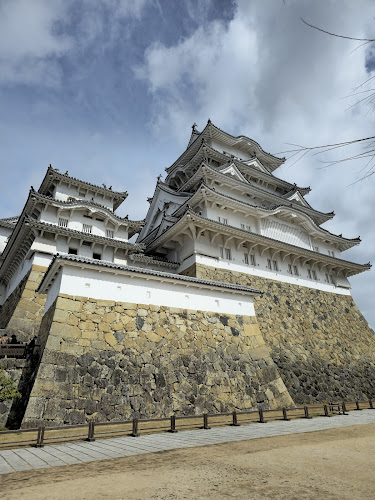
Standing tall since 1613, Himeji Castle represents one of Japan's most magnificent architectural achievements and honestly, it's the kind of place that makes you understand why people travel halfway across the world just to see it. The castle earned its nickname "White Heron Castle" from its brilliant white exterior walls that gleam against the sky, creating this almost ethereal appearance that photographs simply don't do justice to. I remember reading somewhere that out of the twelve original castles remaining in Japan, Himeji stands as the largest and most visited – and after you see it, you'll understand why roughly 40,000 visitors have given it top marks. The complex survived World War II bombings, earthquakes, and centuries of potential decay, which is pretty remarkable when you think about it. And unlike many Japanese castles that got rebuilt with concrete, this one's the real deal – authentic wooden construction that's stood the test of time. The castle grounds sprawl across multiple levels, connected by winding paths and defensive structures that were designed to confuse potential invaders. The main keep rises six stories externally but actually contains seven floors inside, with steep stairs and low doorways that remind visitors this wasn't built for comfort but for defense. The white plastered walls aren't just for show either – they're fire-resistant, which was crucial in an era when most structures were made entirely of wood. What really sets Himeji apart from other tourist attractions is how it manages to be both a UNESCO World Heritage site and an actual functioning historical monument. You're not just looking at a museum piece behind glass; you're walking through the same corridors samurai once patrolled, climbing stairs that feudal lords used, and experiencing the castle much as it existed centuries ago.Key Features
The castle complex offers visitors an incredible array of historical and architectural elements that make it worth every yen of the admission price:- The Main Keep towers at 46 meters tall with its distinctive white plastered walls and elegant curved rooflines that exemplify Japanese castle architecture at its finest
- An intricate defensive system includes three moats, multiple gates, and a maze-like path designed to slow down and confuse attackers – you'll experience this firsthand as you navigate the complex
- Over 1,000 cherry trees bloom across the castle grounds in spring, creating one of Japan's most photographed hanami spots when pink petals frame the white castle walls
- The castle's interior features original wooden construction, weapon racks, stone-dropping holes, and narrow windows designed for archers to defend the structure
- Wheelchair accessible parking and pathways make portions of the grounds accessible, though the steep stairs inside the main keep present challenges for those with mobility issues
- Modern payment options including credit cards, various mobile payment systems, and transit IC cards make visiting convenient for international travelers
- The West Bailey and connecting corridors provide insight into how the castle functioned as both a military fortification and administrative center
- Seasonal illuminations during evening hours transform the castle into an almost magical sight, with lighting that emphasizes its architectural beauty
- Historical displays throughout the complex explain the castle's construction, renovations, and significance in Japanese history
Best Time to Visit
Here's the thing about timing your visit to Himeji Castle – there's really no bad time to go, but there are definitely optimal windows depending on what you're after. Cherry blossom season, which typically runs from late March through early April, draws absolutely massive crowds. I'm talking wait times that can stretch to two hours just to enter the main keep. But if you can handle the crowds and don't mind queuing, the sight of those pale pink petals against the white castle walls is legitimately breathtaking. Autumn, particularly November, offers another spectacular option with fall foliage adding splashes of red and gold to the castle grounds. The temperatures are comfortable for walking around, and while it's still busy, it's not quite as overwhelming as cherry blossom season. Plus, the clear autumn skies make for better photography if that's your thing. Winter months from December through February see the fewest visitors, which means you can actually take your time exploring without feeling rushed or crowded. The castle looks striking against gray winter skies or dusted with snow, and there's something special about experiencing such a historical place in relative solitude. Just bundle up because those castle interiors aren't heated and Japanese winters can be surprisingly cold. Summer brings its own challenges with high humidity and temperatures that can make climbing those steep castle stairs even more exhausting. But if summer's your only option, go early in the morning right when it opens at 9 AM. You'll beat the worst of the heat and the tour groups that typically arrive mid-morning. Weekdays generally offer better experiences than weekends regardless of season. And if you're visiting during Japanese holidays – Golden Week in early May especially – brace yourself for serious crowds or consider rescheduling if possible.How to Get There
Getting to Himeji Castle is actually one of the easier day trips you can do from major Japanese cities, which partly explains why it attracts so many visitors. From Osaka, you're looking at about an hour on the JR Kobe Line, and if you've got a Japan Rail Pass, this trip is covered. From Kyoto, it's roughly 90 minutes, also covered by the JR Pass if you take the regular trains. The Shinkansen bullet train stops at Himeji Station too, cutting travel time significantly if you're coming from Tokyo (about three hours) or other distant cities. And here's a nice bonus – once you arrive at Himeji Station, the castle is literally visible from the north exit. You can't miss it. The walk from the station to the castle entrance takes about 15-20 minutes straight down Otemae-dori, a wide boulevard that offers great views of the castle as you approach. Buses run from the station if you'd rather not walk, and taxis are readily available, though honestly the walk is pleasant and gives you time to appreciate how the castle dominates the cityscape. There's paid parking available if you're driving, with a large lot near the castle grounds that accepts various payment methods including IC cards. For international travelers, the accessibility from major cities makes Himeji an easy addition to any Japan itinerary. You don't need to book special tours or arrange complicated transportation – just hop on a train and go.Tips for Visiting
Alright, let me share some practical advice that'll make your visit smoother. First off, wear comfortable shoes with good grip. Those stairs inside the main keep are steep – like really steep – and they're worn smooth from centuries of foot traffic. You'll need to remove your shoes at the entrance to the keep anyway, so skip the complicated laces and wear something easy to slip on and off. Bring a bag for your shoes because while the castle provides plastic bags, having your own is more convenient and environmentally friendly. And while we're talking bags, a small backpack works better than a shoulder bag since you'll want both hands free for those stairs and low doorways. The castle gets hot inside during summer months with all those bodies packed in and no air conditioning, so bring water and maybe a small towel to wipe sweat. Winter visits require layers you can adjust as you move between the cold outdoors and slightly warmer (but still chilly) interior spaces. Photography is allowed throughout, but using flash or tripods inside the main keep isn't permitted. The lighting can be challenging inside, so if you're serious about photos, bring a camera that handles low light well. Early morning light makes the exterior shots particularly stunning. Plan at least two to three hours for a thorough visit, though you could easily spend half a day exploring if you're really into history and architecture. Audio guides are available and worth the extra cost for the historical context they provide. If you're traveling with young kids, they'll probably find the castle interesting for a while but those steep stairs and narrow corridors can be challenging. The castle is technically good for kids, but very young children might struggle with the physical demands. Strollers definitely won't work inside the main keep. Consider visiting the nearby Kokoen Garden after the castle – it's a beautiful traditional Japanese garden that provides a nice contrast to the castle's military architecture and gives you a place to rest tired legs. Don't skip the smaller buildings and defensive structures while rushing to the main keep. The entire complex tells the story of how these fortifications worked, and some of the most interesting architectural details hide in the connecting corridors and gates. Finally, if you're visiting during peak season, buying tickets online in advance can save you time at the entrance. The castle's website offers advance reservations that let you skip some of the queuing, which during cherry blossom season might save you an hour or more.Key Features
- The Main Keep towers at 46 meters tall with its distinctive white plastered walls and elegant curved rooflines that exemplify Japanese castle architecture at its finest
- An intricate defensive system includes three moats, multiple gates, and a maze-like path designed to slow down and confuse attackers – you'll experience this firsthand as you navigate the complex
- Over 1,000 cherry trees bloom across the castle grounds in spring, creating one of Japan's most photographed hanami spots when pink petals frame the white castle walls
- The castle's interior features original wooden construction, weapon racks, stone-dropping holes, and narrow windows designed for archers to defend the structure
- Wheelchair accessible parking and pathways make portions of the grounds accessible, though the steep stairs inside the main keep present challenges for those with mobility issues
- Modern payment options including credit cards, various mobile payment systems, and transit IC cards make visiting convenient for international travelers
- The West Bailey and connecting corridors provide insight into how the castle functioned as both a military fortification and administrative center
- Seasonal illuminations during evening hours transform the castle into an almost magical sight, with lighting that emphasizes its architectural beauty
More Details
Updated March 30, 2026
Table of Contents
Description
Standing tall since 1613, Himeji Castle represents one of Japan’s most magnificent architectural achievements and honestly, it’s the kind of place that makes you understand why people travel halfway across the world just to see it. The castle earned its nickname “White Heron Castle” from its brilliant white exterior walls that gleam against the sky, creating this almost ethereal appearance that photographs simply don’t do justice to.
I remember reading somewhere that out of the twelve original castles remaining in Japan, Himeji stands as the largest and most visited – and after you see it, you’ll understand why roughly 40,000 visitors have given it top marks. The complex survived World War II bombings, earthquakes, and centuries of potential decay, which is pretty remarkable when you think about it. And unlike many Japanese castles that got rebuilt with concrete, this one’s the real deal – authentic wooden construction that’s stood the test of time.
The castle grounds sprawl across multiple levels, connected by winding paths and defensive structures that were designed to confuse potential invaders. The main keep rises six stories externally but actually contains seven floors inside, with steep stairs and low doorways that remind visitors this wasn’t built for comfort but for defense. The white plastered walls aren’t just for show either – they’re fire-resistant, which was crucial in an era when most structures were made entirely of wood.
What really sets Himeji apart from other tourist attractions is how it manages to be both a UNESCO World Heritage site and an actual functioning historical monument. You’re not just looking at a museum piece behind glass; you’re walking through the same corridors samurai once patrolled, climbing stairs that feudal lords used, and experiencing the castle much as it existed centuries ago.
Key Features
The castle complex offers visitors an incredible array of historical and architectural elements that make it worth every yen of the admission price:
- The Main Keep towers at 46 meters tall with its distinctive white plastered walls and elegant curved rooflines that exemplify Japanese castle architecture at its finest
- An intricate defensive system includes three moats, multiple gates, and a maze-like path designed to slow down and confuse attackers – you’ll experience this firsthand as you navigate the complex
- Over 1,000 cherry trees bloom across the castle grounds in spring, creating one of Japan’s most photographed hanami spots when pink petals frame the white castle walls
- The castle’s interior features original wooden construction, weapon racks, stone-dropping holes, and narrow windows designed for archers to defend the structure
- Wheelchair accessible parking and pathways make portions of the grounds accessible, though the steep stairs inside the main keep present challenges for those with mobility issues
- Modern payment options including credit cards, various mobile payment systems, and transit IC cards make visiting convenient for international travelers
- The West Bailey and connecting corridors provide insight into how the castle functioned as both a military fortification and administrative center
- Seasonal illuminations during evening hours transform the castle into an almost magical sight, with lighting that emphasizes its architectural beauty
- Historical displays throughout the complex explain the castle’s construction, renovations, and significance in Japanese history
Best Time to Visit
Here’s the thing about timing your visit to Himeji Castle – there’s really no bad time to go, but there are definitely optimal windows depending on what you’re after. Cherry blossom season, which typically runs from late March through early April, draws absolutely massive crowds. I’m talking wait times that can stretch to two hours just to enter the main keep. But if you can handle the crowds and don’t mind queuing, the sight of those pale pink petals against the white castle walls is legitimately breathtaking.
Autumn, particularly November, offers another spectacular option with fall foliage adding splashes of red and gold to the castle grounds. The temperatures are comfortable for walking around, and while it’s still busy, it’s not quite as overwhelming as cherry blossom season. Plus, the clear autumn skies make for better photography if that’s your thing.
Winter months from December through February see the fewest visitors, which means you can actually take your time exploring without feeling rushed or crowded. The castle looks striking against gray winter skies or dusted with snow, and there’s something special about experiencing such a historical place in relative solitude. Just bundle up because those castle interiors aren’t heated and Japanese winters can be surprisingly cold.
Summer brings its own challenges with high humidity and temperatures that can make climbing those steep castle stairs even more exhausting. But if summer’s your only option, go early in the morning right when it opens at 9 AM. You’ll beat the worst of the heat and the tour groups that typically arrive mid-morning.
Weekdays generally offer better experiences than weekends regardless of season. And if you’re visiting during Japanese holidays – Golden Week in early May especially – brace yourself for serious crowds or consider rescheduling if possible.
How to Get There
Getting to Himeji Castle is actually one of the easier day trips you can do from major Japanese cities, which partly explains why it attracts so many visitors. From Osaka, you’re looking at about an hour on the JR Kobe Line, and if you’ve got a Japan Rail Pass, this trip is covered. From Kyoto, it’s roughly 90 minutes, also covered by the JR Pass if you take the regular trains.
The Shinkansen bullet train stops at Himeji Station too, cutting travel time significantly if you’re coming from Tokyo (about three hours) or other distant cities. And here’s a nice bonus – once you arrive at Himeji Station, the castle is literally visible from the north exit. You can’t miss it. The walk from the station to the castle entrance takes about 15-20 minutes straight down Otemae-dori, a wide boulevard that offers great views of the castle as you approach.
Buses run from the station if you’d rather not walk, and taxis are readily available, though honestly the walk is pleasant and gives you time to appreciate how the castle dominates the cityscape. There’s paid parking available if you’re driving, with a large lot near the castle grounds that accepts various payment methods including IC cards.
For international travelers, the accessibility from major cities makes Himeji an easy addition to any Japan itinerary. You don’t need to book special tours or arrange complicated transportation – just hop on a train and go.
Tips for Visiting
Alright, let me share some practical advice that’ll make your visit smoother. First off, wear comfortable shoes with good grip. Those stairs inside the main keep are steep – like really steep – and they’re worn smooth from centuries of foot traffic. You’ll need to remove your shoes at the entrance to the keep anyway, so skip the complicated laces and wear something easy to slip on and off.
Bring a bag for your shoes because while the castle provides plastic bags, having your own is more convenient and environmentally friendly. And while we’re talking bags, a small backpack works better than a shoulder bag since you’ll want both hands free for those stairs and low doorways.
The castle gets hot inside during summer months with all those bodies packed in and no air conditioning, so bring water and maybe a small towel to wipe sweat. Winter visits require layers you can adjust as you move between the cold outdoors and slightly warmer (but still chilly) interior spaces.
Photography is allowed throughout, but using flash or tripods inside the main keep isn’t permitted. The lighting can be challenging inside, so if you’re serious about photos, bring a camera that handles low light well. Early morning light makes the exterior shots particularly stunning.
Plan at least two to three hours for a thorough visit, though you could easily spend half a day exploring if you’re really into history and architecture. Audio guides are available and worth the extra cost for the historical context they provide.
If you’re traveling with young kids, they’ll probably find the castle interesting for a while but those steep stairs and narrow corridors can be challenging. The castle is technically good for kids, but very young children might struggle with the physical demands. Strollers definitely won’t work inside the main keep.
Consider visiting the nearby Kokoen Garden after the castle – it’s a beautiful traditional Japanese garden that provides a nice contrast to the castle’s military architecture and gives you a place to rest tired legs.
Don’t skip the smaller buildings and defensive structures while rushing to the main keep. The entire complex tells the story of how these fortifications worked, and some of the most interesting architectural details hide in the connecting corridors and gates.
Finally, if you’re visiting during peak season, buying tickets online in advance can save you time at the entrance. The castle’s website offers advance reservations that let you skip some of the queuing, which during cherry blossom season might save you an hour or more.
Key Highlights
- The Main Keep towers at 46 meters tall with its distinctive white plastered walls and elegant curved rooflines that exemplify Japanese castle architecture at its finest
- An intricate defensive system includes three moats, multiple gates, and a maze-like path designed to slow down and confuse attackers – you'll experience this firsthand as you navigate the complex
- Over 1,000 cherry trees bloom across the castle grounds in spring, creating one of Japan's most photographed hanami spots when pink petals frame the white castle walls
- The castle's interior features original wooden construction, weapon racks, stone-dropping holes, and narrow windows designed for archers to defend the structure
- Wheelchair accessible parking and pathways make portions of the grounds accessible, though the steep stairs inside the main keep present challenges for those with mobility issues
- Modern payment options including credit cards, various mobile payment systems, and transit IC cards make visiting convenient for international travelers
- The West Bailey and connecting corridors provide insight into how the castle functioned as both a military fortification and administrative center
- Seasonal illuminations during evening hours transform the castle into an almost magical sight, with lighting that emphasizes its architectural beauty
Location
Places to Stay Near Himeji Castle
Find and Book a Tour
Explore More Travel Guides
No reviews found! Be the first to review!
Himeji Castle is a prominent attractions located in Himeji.
Visit us at: 68 Honmachi, Himeji, Hyogo 670-0012, Japan.
Traveler Reviews for Himeji Castle
There are no reviews yet. Be the first one to write one.
Have you visited Himeji Castle? Help other travelers by sharing your review.
You Might Also Like
Taiyō Park
Azuki Museum
Japan Toy Museum
Find Accommodations Nearby
Recommended Tours & Activities
Visitor Reviews
There are no reviews yet. Be the first one to write one.
Share Your Experience
Have you visited Himeji Castle? Help other travelers by leaving a review.