
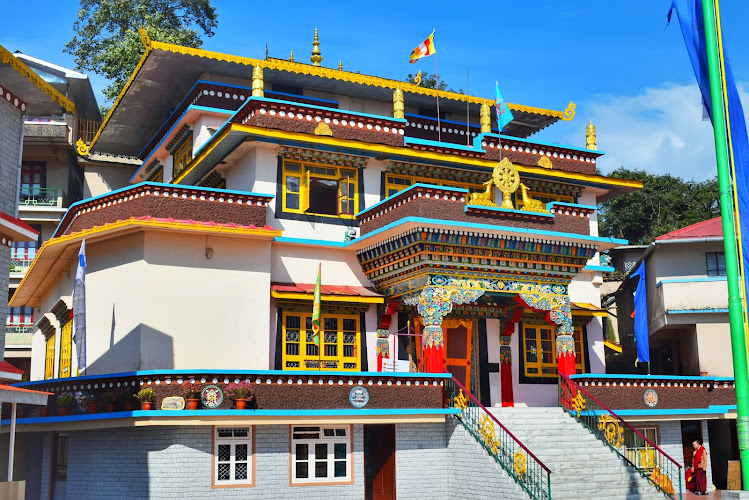
Gonjang Monastery
About Gonjang Monastery
Key Features
More Details
Updated September 18, 2025
Gonjang Monastery, founded in the 18th century and affiliated with the Nyingma school of Tibetan Buddhism, sits on a wooded ridge offering panoramic views of the Teesta valley and surrounding Himalayan peaks. The complex features finely preserved wall paintings, a collection of ancient thangka scrolls, and a serene main assembly hall where daily prayer rituals and traditional mask dances are practiced on festival days. Visitors can observe monks’ rituals, learn about local Buddhist art and manuscript conservation, and experience a quieter, less crowded monastery atmosphere compared with larger regional temples.
Table of Contents
Key Highlights
Striking main prayer hall: A richly painted assembly hall with detailed thangkas, brightly patterned columns, and a trio of golden statues on the altar. The butter lamps give the hall a warm, meditative glow.
Panoramic views: Terraces and courtyard edges offer wide views across Gangtok and the surrounding hills; on clear days you can make out distant Himalayan ridgelines.
Prayer wheels and kora path: A neat row of prayer wheels lines the perimeter. Walking a slow circuit and turning each wheel is a simple, calming ritual—no rush here.
Colorful exterior details: Look closely at the woodwork and the painted lintels. Mythic creatures, protective deities, and auspicious symbols are tucked into the designs.
Courtyard calm: The open courtyard is a fine place to sit and be still. It’s usually quiet, with the occasional murmur of conversation or a monk crossing the space.
Occasional ceremonies: If your timing coincides with a festival or a special puja, you may hear drums and long horns from the hall. Schedules vary—ask locally if anything is planned.
Accessibility: Wheelchair-accessible entrance and parking area, plus onsite restrooms. Surfaces are generally even by local standards, though some parts of the courtyard have gentle slopes.
Easy detour from the North Sikkim Highway: A convenient stop when traveling to or from Tashi View Point and other Gangtok attractions.
Location
Places to Stay Near Gonjang Monastery
Find and Book a Tour
Explore More Travel Guides
No reviews found! Be the first to review!
Description
If you’re curious about the monastic life around Gangtok but want a calm, unhurried place to experience it, Gonjang Monastery is a lovely stop. Set just off the North Sikkim Highway on the way toward Tashi View Point, this colorful Buddhist monastery has sweeping views over the hills and the city. I remember stepping through the gate and feeling the noise of traffic drop away. The courtyard was quiet, punctuated by a low hum of chanting and the soft spin of prayer wheels in the breeze. It’s peaceful without being remote, and that balance makes it a great addition to any Sikkim travel itinerary.
The monastery is relatively new compared to Sikkim’s older institutions, and you can see it in the crisp paintwork and the bright, intricate murals. The main assembly hall is a showpiece of artistry—vivid mandalas on the ceiling, detailed thangka-style paintings around the pillars, and a central altar with golden statues gleaming in the soft glow of butter lamps. Even if you’ve visited other Buddhist temples in Gangtok, Gonjang has its own character. It’s less crowded than the bigger names, so you get time to sit in silence, listen to a drum rhythm echo through the hall, or watch young monks go about their day without feeling like you’re intruding.
I like the way the building opens onto the landscape. From the courtyard and the terrace edges, the views stretch across Gangtok’s terraced slopes, and on clear mornings you can pick out the lines of the distant Himalayan ranges. The light up here changes quickly—mist rolls in, then lifts, and the colors on the monastery walls shift with it. On the day I visited, a line of prayer flags was snapping above the roof, and below them a row of brass prayer wheels clicked every time someone walked the kora (circumambulation path). It all felt very alive, yet grounded.
Gonjang Monastery is a working religious space, not just a tourist attraction, and the atmosphere reflects that. You’ll likely catch an ongoing puja (prayer session) in the morning. If you sit quietly along the side wall, the monks won’t mind. You might hear long horns (dungchen) during special rituals and the steady cadence of chanting. There’s usually no entrance fee; at the time of my visit, donations were simply left in a box near the door. Facilities are practical and traveler-friendly—restrooms are on site, and the entrance and parking area are wheelchair accessible, which is rare and very welcome in hilly Sikkim.
Because it’s right off the highway, it’s easy to combine a monastery visit with nearby viewpoints like Tashi View Point or a stop at Ganesh Tok. If you’re on a day tour of Gangtok, ask your driver to include Gonjang. If you’re exploring independently, the taxi ride is short, and there’s space to park. I’ve also popped in at different times of day, and each felt different: crisp and contemplative early in the morning; warm and languid around mid-afternoon when the sun lights up the murals; and serene closer to evening.
Key Features
- Striking main prayer hall: A richly painted assembly hall with detailed thangkas, brightly patterned columns, and a trio of golden statues on the altar. The butter lamps give the hall a warm, meditative glow.
- Panoramic views: Terraces and courtyard edges offer wide views across Gangtok and the surrounding hills; on clear days you can make out distant Himalayan ridgelines.
- Prayer wheels and kora path: A neat row of prayer wheels lines the perimeter. Walking a slow circuit and turning each wheel is a simple, calming ritual—no rush here.
- Colorful exterior details: Look closely at the woodwork and the painted lintels. Mythic creatures, protective deities, and auspicious symbols are tucked into the designs.
- Courtyard calm: The open courtyard is a fine place to sit and be still. It’s usually quiet, with the occasional murmur of conversation or a monk crossing the space.
- Occasional ceremonies: If your timing coincides with a festival or a special puja, you may hear drums and long horns from the hall. Schedules vary—ask locally if anything is planned.
- Accessibility: Wheelchair-accessible entrance and parking area, plus onsite restrooms. Surfaces are generally even by local standards, though some parts of the courtyard have gentle slopes.
- Easy detour from the North Sikkim Highway: A convenient stop when traveling to or from Tashi View Point and other Gangtok attractions.
Best Time to Visit
I’ve had the clearest mountain views from October to November and again from March to May. These months usually offer crisp mornings, pleasant afternoons, and a good chance of blue skies. If your priority is landscape photography, aim for morning between 8 and 10 a.m., when light is soft and the haze hasn’t built up. Late afternoon can be beautiful too, with warm light raking across the murals and hills.
Winter (December to February) is perfectly visitable, just cooler; bring a jacket and socks if you plan to sit inside the hall with your shoes off. Summer (June to September) brings the monsoon, which means lush greens and dramatic clouds—but also fog, intermittent rain, and slick roads. The monastery stays open through the rains, and the atmosphere can feel extra contemplative, but don’t count on long-range views during this season.
If you’re curious about festivals, ask around in Gangtok about upcoming ceremonies. Many monasteries in Sikkim mark events like Losar (Tibetan New Year), Saga Dawa, and the state festival of Pang Lhabsol. Gonjang may host special prayers or masked dance rehearsals around these times. Even on non-festival days, the morning puja is worth experiencing—it’s simple but deeply atmospheric.
How to Get There
Gonjang Monastery sits along the N Sikkim Highway, a short drive from the center of Gangtok. From MG Marg, it typically takes 15–25 minutes by taxi depending on traffic. I’ve usually paired my visit with Tashi View Point since they’re in the same direction; doing both is straightforward without retracing much of your route.
By taxi: The easiest way. In Gangtok, taxis are plentiful, and drivers know the monastery well. You can hire a point-to-point ride or negotiate a short wait-and-return if you plan to linger. If you’re doing a day tour of Gangtok’s attractions, just add “Gonjang Monastery” to your list.
By shared cab: Shared vehicles run segments of the North Sikkim Highway but don’t always stop directly at the monastery unless you ask. It’s practical if you’re comfortable hopping off at the nearest junction and walking a short stretch.
Self-drive or hired car: There’s usually space to park near the entrance, which is helpful if you’re heading further north afterward. Roads can be steep and narrow in places, so drive steady and watch for sudden fog in the monsoon months.
On foot: If you’re staying near the Tashi View Point/Ganesh Tok area, you can walk, but the gradients are real. For most travelers, a short taxi ride up and a slow walk around the monastery is the more relaxing approach.
Tips for Visiting
Gonjang Monastery is welcoming to visitors, but it’s a living religious space. A few simple courtesies go a long way toward keeping the atmosphere serene.
- Dress modestly and remove your hat inside the prayer hall. Shoulders and knees covered is a good rule of thumb. Shoes come off at the threshold; carry socks in cooler months since the floors can be cold.
- Photography: Outside is generally fine and photogenic. Inside the main hall, always check for a sign or ask a monk. Some monasteries in Sikkim allow photos without flash; others prefer no photography at all during prayers.
- Mind the silence: Keep your voice low, set your phone to silent, and avoid walking in front of people who are praying. If you sit inside, choose a spot along the side walls rather than the central aisle.
- Donations: There’s often a donation box near the entrance to the prayer hall. Carry small notes if you wish to contribute.
- Timing: Arrive in the morning for clear views and a chance to hear chanting. If you visit mid-day, the sun lights up the murals beautifully; afternoons are mellow and less busy.
- Respect the prayer wheels: Turn them clockwise as you walk. Don’t spin them too hard or treat them like a toy—the rhythm is part of the practice.
- Accessibility: The entrance and parking lot are wheelchair friendly, and the ground is mostly even. A companion can help on mild slopes. Restrooms are available onsite.
- Weather smarts: In monsoon season, carry a light rain jacket and watch your footing on wet tiles. In winter, a warm layer is handy if you plan to sit quietly for a while.
- Combine stops: Pair the monastery with Tashi View Point for panoramas of Gangtok and the mountains. Doing both makes a nice half-day outing without rushing.
- Local etiquette: Don’t point your feet at the altar when seated. Avoid touching sacred objects on the altar unless invited. If you’re offered a small blessing or a dab of holy water, you can receive it with both hands.
- Stray dogs: You may see a monastery dog snoozing in the sun. They’re usually calm; just give them space and don’t feed them.
- Leave no trace: Carry a reusable water bottle and pack out any trash. The grounds are kept clean, and it’s nice to keep them that way.
For me, the appeal of Gonjang Monastery is how accessible it is without sacrificing the quiet that makes a spiritual place special. You can visit between other sights or linger in the courtyard for an hour, watching the hills shift color and listening to the soft clack of prayer wheels. In a region filled with remarkable monasteries, this one is easy to fit into your Gangtok plans—and it gently slows you down, which might be exactly what you want on a mountain day.
Traveler Reviews for Gonjang Monastery
There are no reviews yet. Be the first one to write one.
Have you visited Gonjang Monastery? Help other travelers by sharing your review.
You Might Also Like
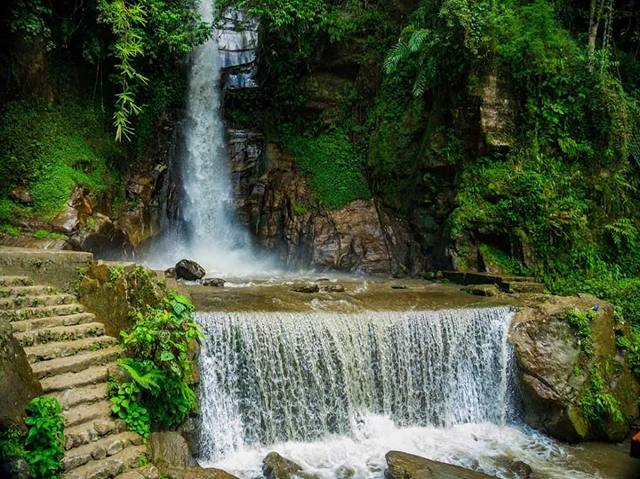
Ban Jhakri Falls Park
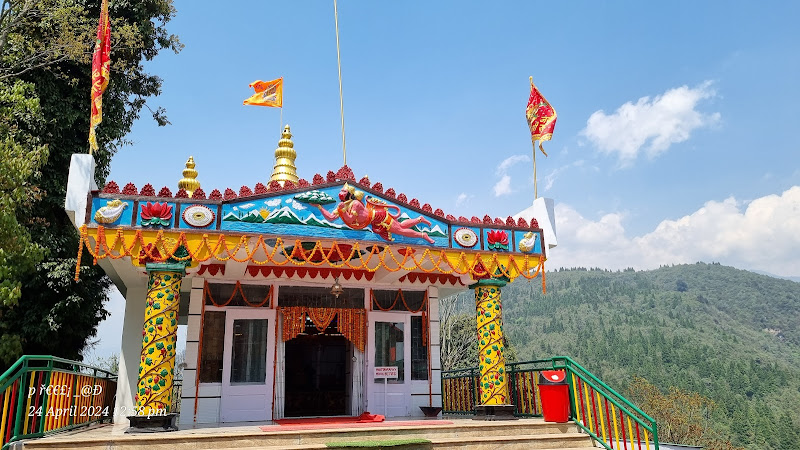
Hanuman Temple
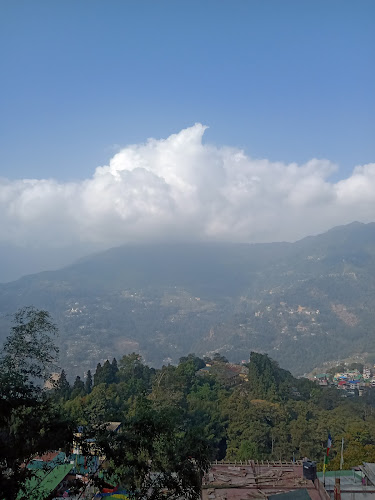
Kyongnosla Alpine Sanctuary
Find Accommodations Nearby
Recommended Tours & Activities
Visitor Reviews
There are no reviews yet. Be the first one to write one.
Share Your Experience
Have you visited Gonjang Monastery? Help other travelers by leaving a review.