
Ban Jhakri Falls Park
About Ban Jhakri Falls Park
Description
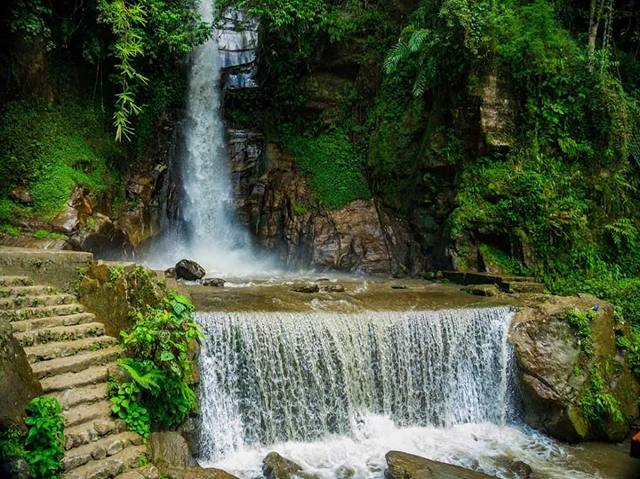
Ban Jhakri Falls and Energy Park stands as one of Sikkim's most fascinating cultural attractions, combining natural beauty with deep spiritual significance. Located just outside Gangtok, this unique recreation center offers visitors a glimpse into the mystical world of traditional Himalayan shamanism while providing a refreshing escape into nature.
The park centers around a spectacular 30-meter waterfall that cascades down rocky cliffs with impressive force, creating a crystal-clear pool at its base. But what makes this place truly special isn't just the waterfall itself – it's the rich cultural tapestry woven throughout the two-acre themed park. The name "Ban Jhakri" translates to "forest healer," referring to the traditional shamanic practitioners who have long been revered in Nepali and Sikkimese culture.
Throughout the park, visitors encounter detailed statuary and displays that tell the story of these mystical healers who supposedly worship spirits dwelling in caves around the falls. The entire experience feels like stepping into a living museum where folklore meets nature, and ancient beliefs come alive through carefully crafted exhibits.
What struck me most during my research was how this park manages to educate visitors about shamanism without sensationalizing it. The displays treat these spiritual practices with genuine respect, offering insights into a belief system that's been part of Himalayan culture for centuries. And honestly, there's something quite moving about experiencing these stories in their natural setting, surrounded by the sounds of rushing water and mountain air.
Key Features
Ban Jhakri Falls Park offers several distinctive features that set it apart from typical tourist attractions:
- The 30-meter cascading waterfall fed by natural highland springs, creating a powerful display that's particularly impressive during monsoon season
- Extensive shamanic cultural displays featuring statues and exhibits explaining Ban Jhakri traditions and forest spirit worship
- Wheelchair accessible facilities including parking areas, making it inclusive for visitors with mobility challenges
- Family-friendly amenities such as clean restrooms, designated picnic areas, and safe pathways suitable for children
- Energy park concept designed to promote environmental awareness and spiritual connection with nature
- Crystal clear natural pools formed by the waterfall, perfect for photography and peaceful contemplation
- Lush vegetation corridors showcasing native Himalayan flora in a beautifully maintained setting
- Cultural interpretation center where local guides share mythology and legends associated with the area
- Modern payment options accepting credit cards, digital payments, and mobile transactions
- Women-owned business recognition supporting local female entrepreneurs in tourism
Best Time to Visit
Timing your visit to Ban Jhakri Falls can make a huge difference in your experience. The park is accessible year-round, but each season offers something different.
March through May represents the sweet spot for most visitors. During these months, the weather stays pleasant without being too hot, and the waterfall maintains good flow from winter snowmelt. The surrounding vegetation starts showing fresh green growth, creating that perfect backdrop for photos. Plus, you won't deal with the heavy crowds that arrive during peak summer months.
If you're someone who loves dramatic natural displays, the monsoon period from June to September transforms the falls into an absolute powerhouse. The water volume increases significantly, creating thunderous cascades that you can hear from quite a distance. But be prepared for potential weather delays and slippery conditions – proper footwear becomes essential during this period.
October through February brings cooler temperatures but crystal-clear mountain air and excellent visibility. The waterfall flow decreases somewhat, but this actually makes it easier to explore the pool area at the base. Winter visits offer a more peaceful experience with fewer tourists, though you'll want to pack warm clothing as mountain temperatures can drop surprisingly quickly.
Early morning visits, regardless of season, provide the best lighting for photography and cooler temperatures for walking around the park. The morning light hitting the waterfall creates some truly spectacular effects, especially if there's any mist in the air.
How to Get There
Getting to Ban Jhakri Falls Park requires some planning, but the journey is part of the adventure. The park sits approximately 7 kilometers from Gangtok's city center, conveniently located along the route to Ranka Monastery.
From Gangtok, you have several transportation options. Shared taxis and private vehicles are the most popular choices, taking about 20-25 minutes depending on traffic and road conditions. The road winds through some beautiful Himalayan scenery, so don't rush – enjoy the ride.
If you're staying near Deorali, the park is roughly 6 kilometers away. Many visitors combine their trip to Ban Jhakri Falls with a visit to Ranka Monastery since they're located along the same route. This makes for an efficient day of sightseeing that covers both natural beauty and spiritual sites.
For those arriving from outside Sikkim, the nearest major transportation hubs are New Jalpaiguri railway station (116 kilometers away) and Bagdogra Airport (122 kilometers away). From either location, you'll need to arrange ground transportation to Gangtok first, then continue to the falls.
Local buses run from Gangtok toward the Ranka area, though service can be irregular. If you're budget-conscious, this option works, but allow extra time for potential delays. Private taxi services offer more reliability and comfort, especially if you're traveling with family or carrying photography equipment.
The park provides paid parking facilities, which is reassuring since you won't have to worry about finding secure parking in a remote location. The parking area is wheelchair accessible and reasonably close to the main entrance.
Tips for Visiting
After researching this destination thoroughly, I've gathered some practical advice that can make your visit much more enjoyable and meaningful.
Wear appropriate footwear – this cannot be overstated. The paths around the waterfall can become slippery, especially during or after rain. Good grip shoes will make the difference between a pleasant walk and a potentially dangerous slip. I've seen too many travelers struggle because they wore inappropriate footwear to scenic spots like this.
Bring a local guide or at least spend time talking with the park staff about the shamanic traditions. The cultural aspect is what truly sets this place apart from other waterfalls in the region. Without understanding the spiritual significance, you're missing a huge part of what makes this location special. The guides here really know their stuff and can share stories that bring the exhibits to life.
Plan for weather changes. Mountain weather can shift quickly, and what starts as a sunny morning might turn cloudy or rainy by afternoon. Pack a light jacket even during warmer months, and consider bringing a small umbrella during monsoon season.
The park accepts various payment methods including digital options, which is surprisingly modern for a mountain location. But still carry some cash as backup – you never know when technology might have connectivity issues in remote areas.
Photography enthusiasts should visit during golden hour periods for the best natural lighting. The waterfall photographs beautifully in soft morning or late afternoon light. And don't forget to photograph some of the cultural displays – they're as interesting as the natural features.
If you're visiting with children, take advantage of the family-friendly amenities. The park works well for birthday celebrations or family outings, with plenty of space for kids to explore safely. The restroom facilities are clean and well-maintained, which parents always appreciate.
Consider combining your visit with nearby attractions. Ranka Monastery is just up the road and offers a different but complementary spiritual experience. Many visitors find this combination provides a fuller understanding of local culture and beliefs.
Respect the spiritual significance of the location. While it's developed as a tourist attraction, the shamanic traditions represented here are still meaningful to local communities. Approach the cultural displays with curiosity and respect rather than treating them as mere entertainment.
The LGBTQ+ friendly designation makes this a welcoming space for all visitors, which unfortunately isn't always guaranteed in more remote mountain locations. This inclusive approach reflects well on the management and adds to the positive atmosphere.
Key Features
- Key Features
- Best Time to Visit
- How to Get There
- Tips for Visiting
More Details
Updated September 12, 2025
Table of Contents
Description
Ban Jhakri Falls and Energy Park stands as one of Sikkim’s most fascinating cultural attractions, combining natural beauty with deep spiritual significance. Located just outside Gangtok, this unique recreation center offers visitors a glimpse into the mystical world of traditional Himalayan shamanism while providing a refreshing escape into nature.
The park centers around a spectacular 30-meter waterfall that cascades down rocky cliffs with impressive force, creating a crystal-clear pool at its base. But what makes this place truly special isn’t just the waterfall itself – it’s the rich cultural tapestry woven throughout the two-acre themed park. The name “Ban Jhakri” translates to “forest healer,” referring to the traditional shamanic practitioners who have long been revered in Nepali and Sikkimese culture.
Throughout the park, visitors encounter detailed statuary and displays that tell the story of these mystical healers who supposedly worship spirits dwelling in caves around the falls. The entire experience feels like stepping into a living museum where folklore meets nature, and ancient beliefs come alive through carefully crafted exhibits.
What struck me most during my research was how this park manages to educate visitors about shamanism without sensationalizing it. The displays treat these spiritual practices with genuine respect, offering insights into a belief system that’s been part of Himalayan culture for centuries. And honestly, there’s something quite moving about experiencing these stories in their natural setting, surrounded by the sounds of rushing water and mountain air.
Key Features
Ban Jhakri Falls Park offers several distinctive features that set it apart from typical tourist attractions:
- The 30-meter cascading waterfall fed by natural highland springs, creating a powerful display that’s particularly impressive during monsoon season
- Extensive shamanic cultural displays featuring statues and exhibits explaining Ban Jhakri traditions and forest spirit worship
- Wheelchair accessible facilities including parking areas, making it inclusive for visitors with mobility challenges
- Family-friendly amenities such as clean restrooms, designated picnic areas, and safe pathways suitable for children
- Energy park concept designed to promote environmental awareness and spiritual connection with nature
- Crystal clear natural pools formed by the waterfall, perfect for photography and peaceful contemplation
- Lush vegetation corridors showcasing native Himalayan flora in a beautifully maintained setting
- Cultural interpretation center where local guides share mythology and legends associated with the area
- Modern payment options accepting credit cards, digital payments, and mobile transactions
- Women-owned business recognition supporting local female entrepreneurs in tourism
Best Time to Visit
Timing your visit to Ban Jhakri Falls can make a huge difference in your experience. The park is accessible year-round, but each season offers something different.
March through May represents the sweet spot for most visitors. During these months, the weather stays pleasant without being too hot, and the waterfall maintains good flow from winter snowmelt. The surrounding vegetation starts showing fresh green growth, creating that perfect backdrop for photos. Plus, you won’t deal with the heavy crowds that arrive during peak summer months.
If you’re someone who loves dramatic natural displays, the monsoon period from June to September transforms the falls into an absolute powerhouse. The water volume increases significantly, creating thunderous cascades that you can hear from quite a distance. But be prepared for potential weather delays and slippery conditions – proper footwear becomes essential during this period.
October through February brings cooler temperatures but crystal-clear mountain air and excellent visibility. The waterfall flow decreases somewhat, but this actually makes it easier to explore the pool area at the base. Winter visits offer a more peaceful experience with fewer tourists, though you’ll want to pack warm clothing as mountain temperatures can drop surprisingly quickly.
Early morning visits, regardless of season, provide the best lighting for photography and cooler temperatures for walking around the park. The morning light hitting the waterfall creates some truly spectacular effects, especially if there’s any mist in the air.
How to Get There
Getting to Ban Jhakri Falls Park requires some planning, but the journey is part of the adventure. The park sits approximately 7 kilometers from Gangtok’s city center, conveniently located along the route to Ranka Monastery.
From Gangtok, you have several transportation options. Shared taxis and private vehicles are the most popular choices, taking about 20-25 minutes depending on traffic and road conditions. The road winds through some beautiful Himalayan scenery, so don’t rush – enjoy the ride.
If you’re staying near Deorali, the park is roughly 6 kilometers away. Many visitors combine their trip to Ban Jhakri Falls with a visit to Ranka Monastery since they’re located along the same route. This makes for an efficient day of sightseeing that covers both natural beauty and spiritual sites.
For those arriving from outside Sikkim, the nearest major transportation hubs are New Jalpaiguri railway station (116 kilometers away) and Bagdogra Airport (122 kilometers away). From either location, you’ll need to arrange ground transportation to Gangtok first, then continue to the falls.
Local buses run from Gangtok toward the Ranka area, though service can be irregular. If you’re budget-conscious, this option works, but allow extra time for potential delays. Private taxi services offer more reliability and comfort, especially if you’re traveling with family or carrying photography equipment.
The park provides paid parking facilities, which is reassuring since you won’t have to worry about finding secure parking in a remote location. The parking area is wheelchair accessible and reasonably close to the main entrance.
Tips for Visiting
After researching this destination thoroughly, I’ve gathered some practical advice that can make your visit much more enjoyable and meaningful.
Wear appropriate footwear – this cannot be overstated. The paths around the waterfall can become slippery, especially during or after rain. Good grip shoes will make the difference between a pleasant walk and a potentially dangerous slip. I’ve seen too many travelers struggle because they wore inappropriate footwear to scenic spots like this.
Bring a local guide or at least spend time talking with the park staff about the shamanic traditions. The cultural aspect is what truly sets this place apart from other waterfalls in the region. Without understanding the spiritual significance, you’re missing a huge part of what makes this location special. The guides here really know their stuff and can share stories that bring the exhibits to life.
Plan for weather changes. Mountain weather can shift quickly, and what starts as a sunny morning might turn cloudy or rainy by afternoon. Pack a light jacket even during warmer months, and consider bringing a small umbrella during monsoon season.
The park accepts various payment methods including digital options, which is surprisingly modern for a mountain location. But still carry some cash as backup – you never know when technology might have connectivity issues in remote areas.
Photography enthusiasts should visit during golden hour periods for the best natural lighting. The waterfall photographs beautifully in soft morning or late afternoon light. And don’t forget to photograph some of the cultural displays – they’re as interesting as the natural features.
If you’re visiting with children, take advantage of the family-friendly amenities. The park works well for birthday celebrations or family outings, with plenty of space for kids to explore safely. The restroom facilities are clean and well-maintained, which parents always appreciate.
Consider combining your visit with nearby attractions. Ranka Monastery is just up the road and offers a different but complementary spiritual experience. Many visitors find this combination provides a fuller understanding of local culture and beliefs.
Respect the spiritual significance of the location. While it’s developed as a tourist attraction, the shamanic traditions represented here are still meaningful to local communities. Approach the cultural displays with curiosity and respect rather than treating them as mere entertainment.
The LGBTQ+ friendly designation makes this a welcoming space for all visitors, which unfortunately isn’t always guaranteed in more remote mountain locations. This inclusive approach reflects well on the management and adds to the positive atmosphere.
Key Highlights
- Key Features
- Best Time to Visit
- How to Get There
- Tips for Visiting
Location
Places to Stay Near Ban Jhakri Falls Park
Find and Book a Tour
Explore More Travel Guides
No reviews found! Be the first to review!
Traveler Reviews for Ban Jhakri Falls Park
There are no reviews yet. Be the first one to write one.
Have you visited Ban Jhakri Falls Park? Help other travelers by sharing your review.
You Might Also Like
Trekocity Travel Partner
Do Drul Chorten
MG MARG GANGTOK, SIKKIM
Find Accommodations Nearby
Recommended Tours & Activities
Visitor Reviews
There are no reviews yet. Be the first one to write one.
Share Your Experience
Have you visited Ban Jhakri Falls Park? Help other travelers by leaving a review.