
Enchey Monastery
About Enchey Monastery
Description
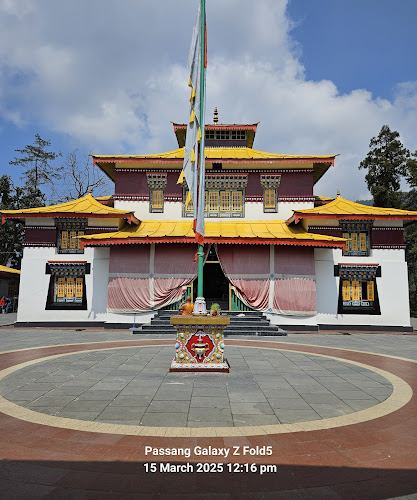
Perched gracefully on a hill overlooking Gangtok, Enchey Monastery stands as one of Sikkim's most captivating spiritual destinations. This colorful Tibetan Buddhist sanctuary, established in 1908, offers visitors an authentic glimpse into the rich traditions of Vajrayana Buddhism. What makes this place particularly special isn't just its stunning location – though the panoramic views of the surrounding mountains are absolutely breathtaking – but the genuine sense of tranquility that seems to envelop everyone who steps through its gates. I've always found it fascinating how certain places can instantly shift your energy, and Enchey Monastery is definitely one of those spots. The moment you approach the monastery's ornate entrance, adorned with intricate Tibetan artwork and prayer flags fluttering in the mountain breeze, you can feel the everyday stress just melting away. The monastery belongs to the Nyingma order, which is actually the oldest school of Tibetan Buddhism, and this ancient wisdom really shows in every corner of the complex. The architecture here is something else entirely. The traditional Tibetan design features bold reds, golds, and blues that seem to pop against the green hillside backdrop. And honestly, the craftsmanship is incredible – from the detailed woodwork to the elaborate murals depicting Buddhist deities and teachings. You'll notice that every element has been carefully placed with both artistic and spiritual significance in mind. What really sets Enchey apart from other monasteries is how it manages to maintain its authentic monastic atmosphere while still being incredibly welcoming to visitors. The small community of monks who call this place home continue their daily practices of meditation, chanting, and prayer, creating an atmosphere that feels genuinely sacred rather than touristy.Key Features
The monastery offers several distinctive elements that make it a standout destination for travelers seeking both cultural enrichment and spiritual peace: • **Traditional Tibetan Architecture**: The main prayer hall showcases stunning examples of traditional Tibetan Buddhist design, complete with intricate murals, golden statues, and ornate ceiling decorations that tell stories from Buddhist mythology • **Ancient Buddhist Artifacts**: Inside the monastery, you'll discover a remarkable collection of religious artifacts, including centuries-old manuscripts, ritual objects, and beautifully crafted statues that provide insight into Vajrayana Buddhist practices • **Panoramic Mountain Views**: The elevated position offers spectacular vistas of the Eastern Himalayas and Gangtok city below, making it an ideal spot for photography enthusiasts and nature lovers alike • **Active Monastic Community**: Unlike many tourist-focused religious sites, Enchey maintains a living community of practicing monks who engage in daily rituals, offering visitors the chance to witness authentic Buddhist ceremonies • **Prayer Wheel Courtyard**: The monastery features a collection of traditional Tibetan prayer wheels that visitors can spin while walking the circumambulation path, following an ancient practice believed to generate positive karma • **Seasonal Festivals**: Throughout the year, particularly during Cham dance festivals, the monastery comes alive with colorful masked dances and traditional music that celebrates important Buddhist holidays • **Meditation Spaces**: Several quiet areas around the complex provide perfect spots for personal reflection and meditation, allowing visitors to experience the contemplative aspects of Buddhist practice • **Accessibility Features**: The monastery has made efforts to accommodate all visitors, including wheelchair-accessible entrances and parking areas, ensuring everyone can experience this spiritual havenBest Time to Visit
Timing your visit to Enchey Monastery can really make or break your experience, and I've learned this from both my own travels and talking with countless other visitors over the years. The sweet spot is definitely between March and May, then again from September to November. During these months, you'll encounter clear skies that showcase those incredible mountain views I mentioned earlier, plus comfortable temperatures that make exploring the monastery grounds an absolute pleasure. Spring brings something magical to the area. The rhododendrons start blooming around the monastery, creating this incredible natural frame for the colorful buildings. And the weather? Perfect for spending hours wandering around the complex without feeling rushed by extreme temperatures. You might catch some of the spring festivals too, which is honestly when the monastery really comes alive with traditional ceremonies and celebrations. But here's where it gets interesting – if you're someone who doesn't mind a bit of adventure, visiting during the winter months (December through February) can be absolutely stunning. Sure, it's cold, but there's something almost otherworldly about seeing the monastery dusted with snow against those crystal-clear mountain peaks. Just make sure you pack some serious warm clothes because mountain temperatures can be pretty unforgiving. The monsoon season (June through August) is where things get tricky. While the surrounding landscape becomes incredibly lush and green, the frequent rains can make getting around more challenging, and those spectacular views might be hidden behind clouds more often than not. That said, some visitors actually prefer this quieter period when fewer tourists are around, allowing for a more intimate experience with the monastery's spiritual atmosphere. Early morning visits, regardless of the season, offer something special. Around sunrise, when the first light hits the monastery's golden rooftops and the morning prayers begin, there's a sense of peace that's hard to find anywhere else.How to Get There
Getting to Enchey Monastery is surprisingly straightforward, though like many worthwhile destinations in the Himalayas, it does require a bit of planning. The monastery sits about 3 kilometers from Gangtok's main center, making it easily accessible whether you're staying in the city or just passing through on a larger Sikkim adventure. Most visitors start their journey from Gangtok, which serves as the perfect base camp for exploring this region. From the city center, you've got several transportation options that'll get you up the hill to the monastery. Taxis are probably the most convenient choice – you can either hire one for a round trip or arrange to be dropped off and picked up later. The ride takes about 15-20 minutes depending on traffic, and honestly, the journey up the winding road is pretty scenic in itself. Local shared jeeps also run this route regularly, though they can get pretty crowded during peak tourist seasons. If you're traveling light and don't mind a bit of adventure, this can be a fun way to meet other travelers and locals heading in the same direction. The shared transport is definitely budget-friendly, though you might need to wait a bit longer for the jeep to fill up before departing. For the more adventurous souls, walking up from Gangtok is totally doable if you're in decent shape and enjoy a good uphill hike. The path is well-marked, and you'll pass through some interesting local neighborhoods along the way. It's roughly a 45-minute to 1-hour walk, depending on your pace and how often you stop to catch your breath or take photos. If you're coming from further away, Bagdogra Airport near Siliguri is your closest flight option, followed by a 4-5 hour drive to Gangtok. The drive itself is an adventure – winding mountain roads with incredible views, though it can be a bit intense if you're not used to Himalayan driving conditions.Tips for Visiting
After visiting several monasteries throughout the region, I've picked up some practical insights that can really enhance your experience at Enchey. First off, dress respectfully – this isn't just about following rules, it's about showing appreciation for a sacred space that means so much to the local community. Long pants and covered shoulders are essential, and honestly, it's worth bringing a light jacket even on warm days since mountain weather can change quickly. Photography etiquette is something many visitors struggle with. While photos are generally allowed in the outer areas of the monastery, always ask permission before photographing monks or entering the main prayer halls with your camera. Some areas might be completely off-limits for photography, and that's totally okay – sometimes the best experiences are the ones we just absorb rather than trying to capture. The monastery follows traditional Buddhist customs, so removing your shoes before entering certain buildings is expected. I always recommend bringing clean socks or even lightweight indoor shoes, especially during colder months when the floors can be pretty chilly. Timing your visit around the daily prayer sessions can add incredible depth to your experience. The monks typically gather for prayers in the early morning and evening, and while visitors are usually welcome to observe quietly from designated areas, maintaining silence and avoiding flash photography during these times is crucial. Bring some small denomination rupees if you'd like to make an offering or contribute to the monastery's maintenance. There's no pressure to donate, but many visitors find it meaningful to contribute something to help preserve this beautiful place for future generations. The altitude might affect some visitors more than others, especially if you're coming from sea level. Take your time, stay hydrated, and don't hesitate to take breaks as needed. The monastery has restroom facilities, which is honestly more convenient than you might expect for a mountain location. Consider learning a few basic phrases in Hindi or Nepali – even simple greetings can go a long way in connecting with the local community. Many of the monks speak some English, but showing effort to communicate in local languages is always appreciated. Finally, don't rush your visit. This isn't the kind of place where you snap a few quick photos and move on. Give yourself at least 2-3 hours to really soak in the atmosphere, explore the different areas of the complex, and maybe spend some quiet time in contemplation. The monastery's peaceful environment is its greatest gift to visitors, but you need to slow down enough to receive it.Key Features
- Nyingma-order Vajrayana monastery with active monastic community
- Colorful murals, carved woodwork and traditional Tibetan-style architecture
- Daily rituals and prayer wheels offering immersive cultural experience
- Chaam (masked dance) festivals and seasonal religious events
- Terrace views over Gangtok with glimpses of the surrounding Himalaya
More Details
Updated September 24, 2025
Table of Contents
Description
Perched gracefully on a hill overlooking Gangtok, Enchey Monastery stands as one of Sikkim’s most captivating spiritual destinations. This colorful Tibetan Buddhist sanctuary, established in 1908, offers visitors an authentic glimpse into the rich traditions of Vajrayana Buddhism. What makes this place particularly special isn’t just its stunning location – though the panoramic views of the surrounding mountains are absolutely breathtaking – but the genuine sense of tranquility that seems to envelop everyone who steps through its gates.
I’ve always found it fascinating how certain places can instantly shift your energy, and Enchey Monastery is definitely one of those spots. The moment you approach the monastery’s ornate entrance, adorned with intricate Tibetan artwork and prayer flags fluttering in the mountain breeze, you can feel the everyday stress just melting away. The monastery belongs to the Nyingma order, which is actually the oldest school of Tibetan Buddhism, and this ancient wisdom really shows in every corner of the complex.
The architecture here is something else entirely. The traditional Tibetan design features bold reds, golds, and blues that seem to pop against the green hillside backdrop. And honestly, the craftsmanship is incredible – from the detailed woodwork to the elaborate murals depicting Buddhist deities and teachings. You’ll notice that every element has been carefully placed with both artistic and spiritual significance in mind.
What really sets Enchey apart from other monasteries is how it manages to maintain its authentic monastic atmosphere while still being incredibly welcoming to visitors. The small community of monks who call this place home continue their daily practices of meditation, chanting, and prayer, creating an atmosphere that feels genuinely sacred rather than touristy.
Key Features
The monastery offers several distinctive elements that make it a standout destination for travelers seeking both cultural enrichment and spiritual peace:
• **Traditional Tibetan Architecture**: The main prayer hall showcases stunning examples of traditional Tibetan Buddhist design, complete with intricate murals, golden statues, and ornate ceiling decorations that tell stories from Buddhist mythology
• **Ancient Buddhist Artifacts**: Inside the monastery, you’ll discover a remarkable collection of religious artifacts, including centuries-old manuscripts, ritual objects, and beautifully crafted statues that provide insight into Vajrayana Buddhist practices
• **Panoramic Mountain Views**: The elevated position offers spectacular vistas of the Eastern Himalayas and Gangtok city below, making it an ideal spot for photography enthusiasts and nature lovers alike
• **Active Monastic Community**: Unlike many tourist-focused religious sites, Enchey maintains a living community of practicing monks who engage in daily rituals, offering visitors the chance to witness authentic Buddhist ceremonies
• **Prayer Wheel Courtyard**: The monastery features a collection of traditional Tibetan prayer wheels that visitors can spin while walking the circumambulation path, following an ancient practice believed to generate positive karma
• **Seasonal Festivals**: Throughout the year, particularly during Cham dance festivals, the monastery comes alive with colorful masked dances and traditional music that celebrates important Buddhist holidays
• **Meditation Spaces**: Several quiet areas around the complex provide perfect spots for personal reflection and meditation, allowing visitors to experience the contemplative aspects of Buddhist practice
• **Accessibility Features**: The monastery has made efforts to accommodate all visitors, including wheelchair-accessible entrances and parking areas, ensuring everyone can experience this spiritual haven
Best Time to Visit
Timing your visit to Enchey Monastery can really make or break your experience, and I’ve learned this from both my own travels and talking with countless other visitors over the years. The sweet spot is definitely between March and May, then again from September to November. During these months, you’ll encounter clear skies that showcase those incredible mountain views I mentioned earlier, plus comfortable temperatures that make exploring the monastery grounds an absolute pleasure.
Spring brings something magical to the area. The rhododendrons start blooming around the monastery, creating this incredible natural frame for the colorful buildings. And the weather? Perfect for spending hours wandering around the complex without feeling rushed by extreme temperatures. You might catch some of the spring festivals too, which is honestly when the monastery really comes alive with traditional ceremonies and celebrations.
But here’s where it gets interesting – if you’re someone who doesn’t mind a bit of adventure, visiting during the winter months (December through February) can be absolutely stunning. Sure, it’s cold, but there’s something almost otherworldly about seeing the monastery dusted with snow against those crystal-clear mountain peaks. Just make sure you pack some serious warm clothes because mountain temperatures can be pretty unforgiving.
The monsoon season (June through August) is where things get tricky. While the surrounding landscape becomes incredibly lush and green, the frequent rains can make getting around more challenging, and those spectacular views might be hidden behind clouds more often than not. That said, some visitors actually prefer this quieter period when fewer tourists are around, allowing for a more intimate experience with the monastery’s spiritual atmosphere.
Early morning visits, regardless of the season, offer something special. Around sunrise, when the first light hits the monastery’s golden rooftops and the morning prayers begin, there’s a sense of peace that’s hard to find anywhere else.
How to Get There
Getting to Enchey Monastery is surprisingly straightforward, though like many worthwhile destinations in the Himalayas, it does require a bit of planning. The monastery sits about 3 kilometers from Gangtok’s main center, making it easily accessible whether you’re staying in the city or just passing through on a larger Sikkim adventure.
Most visitors start their journey from Gangtok, which serves as the perfect base camp for exploring this region. From the city center, you’ve got several transportation options that’ll get you up the hill to the monastery. Taxis are probably the most convenient choice – you can either hire one for a round trip or arrange to be dropped off and picked up later. The ride takes about 15-20 minutes depending on traffic, and honestly, the journey up the winding road is pretty scenic in itself.
Local shared jeeps also run this route regularly, though they can get pretty crowded during peak tourist seasons. If you’re traveling light and don’t mind a bit of adventure, this can be a fun way to meet other travelers and locals heading in the same direction. The shared transport is definitely budget-friendly, though you might need to wait a bit longer for the jeep to fill up before departing.
For the more adventurous souls, walking up from Gangtok is totally doable if you’re in decent shape and enjoy a good uphill hike. The path is well-marked, and you’ll pass through some interesting local neighborhoods along the way. It’s roughly a 45-minute to 1-hour walk, depending on your pace and how often you stop to catch your breath or take photos.
If you’re coming from further away, Bagdogra Airport near Siliguri is your closest flight option, followed by a 4-5 hour drive to Gangtok. The drive itself is an adventure – winding mountain roads with incredible views, though it can be a bit intense if you’re not used to Himalayan driving conditions.
Tips for Visiting
After visiting several monasteries throughout the region, I’ve picked up some practical insights that can really enhance your experience at Enchey. First off, dress respectfully – this isn’t just about following rules, it’s about showing appreciation for a sacred space that means so much to the local community. Long pants and covered shoulders are essential, and honestly, it’s worth bringing a light jacket even on warm days since mountain weather can change quickly.
Photography etiquette is something many visitors struggle with. While photos are generally allowed in the outer areas of the monastery, always ask permission before photographing monks or entering the main prayer halls with your camera. Some areas might be completely off-limits for photography, and that’s totally okay – sometimes the best experiences are the ones we just absorb rather than trying to capture.
The monastery follows traditional Buddhist customs, so removing your shoes before entering certain buildings is expected. I always recommend bringing clean socks or even lightweight indoor shoes, especially during colder months when the floors can be pretty chilly.
Timing your visit around the daily prayer sessions can add incredible depth to your experience. The monks typically gather for prayers in the early morning and evening, and while visitors are usually welcome to observe quietly from designated areas, maintaining silence and avoiding flash photography during these times is crucial.
Bring some small denomination rupees if you’d like to make an offering or contribute to the monastery’s maintenance. There’s no pressure to donate, but many visitors find it meaningful to contribute something to help preserve this beautiful place for future generations.
The altitude might affect some visitors more than others, especially if you’re coming from sea level. Take your time, stay hydrated, and don’t hesitate to take breaks as needed. The monastery has restroom facilities, which is honestly more convenient than you might expect for a mountain location.
Consider learning a few basic phrases in Hindi or Nepali – even simple greetings can go a long way in connecting with the local community. Many of the monks speak some English, but showing effort to communicate in local languages is always appreciated.
Finally, don’t rush your visit. This isn’t the kind of place where you snap a few quick photos and move on. Give yourself at least 2-3 hours to really soak in the atmosphere, explore the different areas of the complex, and maybe spend some quiet time in contemplation. The monastery’s peaceful environment is its greatest gift to visitors, but you need to slow down enough to receive it.
Key Highlights
- Nyingma-order Vajrayana monastery with active monastic community
- Colorful murals, carved woodwork and traditional Tibetan-style architecture
- Daily rituals and prayer wheels offering immersive cultural experience
- Chaam (masked dance) festivals and seasonal religious events
- Terrace views over Gangtok with glimpses of the surrounding Himalaya
Location
Places to Stay Near Enchey Monastery
Find and Book a Tour
Explore More Travel Guides
No reviews found! Be the first to review!
Traveler Reviews for Enchey Monastery
There are no reviews yet. Be the first one to write one.
Have you visited Enchey Monastery? Help other travelers by sharing your review.
Nearby Attractions
You Might Also Like
Shri Thakurbari Temple, Gangtok

Sikkim Himalayan Zoological Park
Tashi View Point
Find Accommodations Nearby
Recommended Tours & Activities
Visitor Reviews
There are no reviews yet. Be the first one to write one.
Share Your Experience
Have you visited Enchey Monastery? Help other travelers by leaving a review.