
European Hansemuseum
About European Hansemuseum
Description
The European Hansemuseum in Lübeck presents history with a wink and a shove: it refuses to be dusty. Visitors will encounter a museum that stages the Hanseatic League not as a dry list of dates but as living urban life — merchants trading furs and salt, shipyards clanking, guilds arguing over rules. The museum concentrates on the Hanse, the powerful network of northern European trading cities that shaped commerce, law, and culture across the Baltic and North Seas for centuries. The narrative is focused, rich in detail, and built around immersive, interactive scenes that help people actually feel the movement of goods and ideas through medieval Europe.
The building itself is a conversation starter. Designed with contemporary lines and careful nods to historical materials by a respected architect studio, the museum balances modern exhibition technology with the brick-and-timber ethos of a Hanseatic town. And yes, the location close to Lübeck’s waterways matters — the museum looks both ways: toward cooler, contemporary design and back toward the river-based trade routes that made the city famous. There is a pleasing contrast between multimedia displays and reconstructed merchant rooms where scale models, maps, and tactile exhibits invite touch and curiosity.
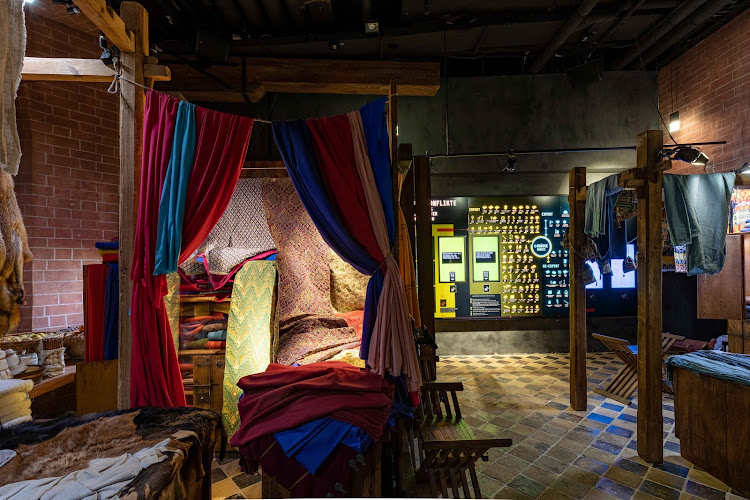
The European Hansemuseum excels at making complex history accessible. The exhibits trace centuries of trade, political alliances, legal innovation, and everyday life across Northern Europe. Key themes include maritime logistics, the role of guilds, legal frameworks that enabled long-distance trade, and the human stories behind commodity flows — pepper, herring, timber, cloth. Many exhibits are staged scenes: a merchant’s counting house, a ship’s hold, a medieval market square. These are complemented by objects, archaeological finds, and explanatory media. Visitors who like context will leave with a surprisingly modern insight: the Hanse was, in many ways, an early multinational business network.
For families, the museum is unusually welcoming. It curates child-friendly stations, historically themed activity trails, and live performances that make the past pop. The onsite restaurant provides a convenient pit stop for tired explorers, and there are quiet spaces for those who need a slower pace. Practicalities have been thought through: Wi-Fi, accessible restrooms, gender-neutral facilities, and wheelchair-accessible entrances and parking. Also worth noting — the museum identifies as women-owned and promotes inclusive programming; this translates into staff sensitivity and a generally open atmosphere for diverse visitors.
Some experiences inside are genuinely theatrical. Live performances and guided dramatizations appear periodically, adding soundtrack and life to the static displays. These events are often the surprise highlight for visitors who expected a more sedate museum day. And the interpretation is multilingual enough to serve international guests; English labels and audio guides are commonly available, though learning a handful of local words will win you smiles from staff and fellow visitors.
Accessibility extends beyond ramps and restrooms. The museum’s layout is thoughtful: clear sightlines, logical progression through eras and themes, and benching where people can pause. It’s designed so that a curious visitor can spend an hour skimming highlights or several hours diving into archives and temporary exhibitions. The exhibition design uses light, sound, and scale in ways that make the medieval negotiation between towns, merchants, and sea traffic feel immediate — not just an academic lecture but a lived ecosystem.
Behind the exhibits there is also scholarship. The museum collaborates with historians and archaeologists, which means that while the storytelling is cinematic, it is also grounded in primary sources and recent research. That combination — academic rigor plus immersive staging — is what makes the European Hansemuseum one of the most comprehensive places to learn about the Hanseatic League and its influence on Northern Europe’s trade networks, legal culture, and urban life.
Finally, the museum’s social and environmental conscience is evident. Programs aimed at schools make local history relevant for young minds. Events and temporary exhibitions often interrogate trade, migration, and cultural exchange in ways that connect past and present. Visitors who expect a museum to be only retrospective may be surprised at how much contemporary resonance the Hanseatic story has: it touches on globalization, city diplomacy, and economic networks that still matter today.
Key Features
- Interactive, staged scenes that recreate merchant houses, ship holds, and medieval marketplaces
- Multimedia exhibits with audio guides and English-language labels for international visitors
- Regular live performances and dramatizations that animate historical scenarios
- Designed by a noted architectural studio blending modern design with historic context
- Accessible facilities: wheelchair-accessible entrance, parking, and restrooms
- Amenity-rich: onsite restaurant, Wi-Fi, gender-neutral restroom, family facilities
- Family-friendly programming and hands-on activities for children
- LGBTQ+ friendly environment and inclusive staff training
- Women-owned identification and diverse programming perspectives
- Paid parking on site and clear signage for visitors arriving by car
Best Time to Visit
The best time to visit depends on what the visitor values. For quieter galleries and a calmer experience, weekdays outside school holidays are ideal. If someone is chasing live performances or special events, then a mid-season weekend is worth the trade-off; many of the museum’s theatrical and family events are scheduled during spring through early autumn. Summers can be busier — Lübeck attracts tourists for its Old Town atmosphere — but the museum’s layout helps manage crowds and there’s always a corner to retreat to. Autumn and early spring are underrated: cooler weather, fewer tourists, and a mellow local rhythm make museum visits more relaxed.
Weather matters less than one might think because much of the experience is indoors, but pairing a museum visit with a walk along the riverside or through the Old Town works best on clear days. For photographers who love golden light, late afternoon walks around the museum’s exterior and the nearby quays provide excellent opportunities. And if the visitor is planning to combine museum time with other Lübeck attractions, allot at least 2–3 hours to the Hansemuseum to truly savor the staged scenes and the temporary exhibitions.
How to Get There
The museum is easy to reach from Lübeck’s central transport hubs. Visitors arriving by train will find a short tram, bus, or taxi ride into the central area where the museum is located. Driving is straightforward and there is paid parking on site, which is helpful for families or travelers with a schedule to keep. For those who prefer cycling, Lübeck is bike-friendly and there are convenient bike parking options nearby.
From the Old Town and riverside promenades, the museum is a pleasant walk; the city’s scale makes it possible to move between key sites without long transit times. Bus lines and local public transport connect the museum to outlying neighborhoods and nearby towns. Taxi ranks near the main station are plentiful. And for the traveler who enjoys local flavor, a short ferry or river-side stroll can be an atmospheric way to approach the building, placing the museum in the context of the waterways that shaped Lübeck’s Hanseatic commerce.
Tips for Visiting
Plan for at least two hours. The staged scenes are tempting to linger in — there’s detail everywhere. If the visitor has limited time, prioritize the main permanent exhibition first and leave temporary shows or the café for after. Audio guides add a lot: pick one up if interpretation and nuance matter to you. They often contain little anecdotes and source references that deepen the experience.
The museum is family-friendly but also welcoming to solitary explorers who want a slower, reflective visit. Parents should ask at the ticket desk about activity trails and family packs; these change seasonally and can turn an ordinary museum stop into a memorable day for kids. For visitors with mobility needs, the museum’s accessible entrance and restrooms are practical and well signposted. Still, if someone depends on close assistance, sending an email ahead of time to check specifics is a good move — staff are generally helpful and accommodating.
Expect occasional live performances and actor-led tours. Those are often the surprising highlight; attendees should check the program calendar on the day of the visit or ask the front desk. For photographers: interior lighting is designed for atmosphere, not for long-exposure photography. Casual snapshots are fine, but more ambitious shoots require permission. Also, the museum respects object preservation — flash photography is typically not allowed near delicate artifacts.
Food and drink are available onsite, but exploring local cafes in the surrounding neighborhood is a rewarding option. The Old Town has bakeries and coffee shops where one can linger and digest the museum’s stories. If a visitor tends to get sensory-overloaded, the museum provides quieter rooms and places to sit. Take advantage. Walk slowly through the merchant rooms. Read a single label in depth rather than skimming a dozen.
A little curiosity pays off. The European Hansemuseum packs nuance into small exhibits: a ledger here, a trading contract there. Those tiny artifacts often reveal the most about the way trade and law intersected in Hanseatic life. Visitors who enjoy comparing the medieval world to today’s global networks will find the parallels both surprising and thought-provoking.
And a final, slightly personal tip: the author remembers a rainy afternoon spent leaning on a museum bench, listening to a dramatized market scene while sipping a mediocre museum coffee, and being unexpectedly moved by how connected everything felt — merchants, sailors, townsfolk — all of them caught in a system that shaped entire regions. It’s cheesy to say it changed how the author thinks about trade, but it did. That’s the museum’s small superpower: it takes an old story and makes it matter again.
Key Features
- Large thematic exhibition covering Hanseatic trade, law and urban life
- Immersive reconstructions of merchant houses, docks and workshops
- Extensive collection of original documents, seals and weights
- Multimedia presentations and interactive displays for all ages
- Research library and resources from the Forschungsstelle für die Geschichte der Hanse
More Details
Updated August 30, 2025
Table of Contents
Description
The European Hansemuseum in Lübeck presents history with a wink and a shove: it refuses to be dusty. Visitors will encounter a museum that stages the Hanseatic League not as a dry list of dates but as living urban life — merchants trading furs and salt, shipyards clanking, guilds arguing over rules. The museum concentrates on the Hanse, the powerful network of northern European trading cities that shaped commerce, law, and culture across the Baltic and North Seas for centuries. The narrative is focused, rich in detail, and built around immersive, interactive scenes that help people actually feel the movement of goods and ideas through medieval Europe.
The building itself is a conversation starter. Designed with contemporary lines and careful nods to historical materials by a respected architect studio, the museum balances modern exhibition technology with the brick-and-timber ethos of a Hanseatic town. And yes, the location close to Lübeck’s waterways matters — the museum looks both ways: toward cooler, contemporary design and back toward the river-based trade routes that made the city famous. There is a pleasing contrast between multimedia displays and reconstructed merchant rooms where scale models, maps, and tactile exhibits invite touch and curiosity.
The European Hansemuseum excels at making complex history accessible. The exhibits trace centuries of trade, political alliances, legal innovation, and everyday life across Northern Europe. Key themes include maritime logistics, the role of guilds, legal frameworks that enabled long-distance trade, and the human stories behind commodity flows — pepper, herring, timber, cloth. Many exhibits are staged scenes: a merchant’s counting house, a ship’s hold, a medieval market square. These are complemented by objects, archaeological finds, and explanatory media. Visitors who like context will leave with a surprisingly modern insight: the Hanse was, in many ways, an early multinational business network.
For families, the museum is unusually welcoming. It curates child-friendly stations, historically themed activity trails, and live performances that make the past pop. The onsite restaurant provides a convenient pit stop for tired explorers, and there are quiet spaces for those who need a slower pace. Practicalities have been thought through: Wi-Fi, accessible restrooms, gender-neutral facilities, and wheelchair-accessible entrances and parking. Also worth noting — the museum identifies as women-owned and promotes inclusive programming; this translates into staff sensitivity and a generally open atmosphere for diverse visitors.
Some experiences inside are genuinely theatrical. Live performances and guided dramatizations appear periodically, adding soundtrack and life to the static displays. These events are often the surprise highlight for visitors who expected a more sedate museum day. And the interpretation is multilingual enough to serve international guests; English labels and audio guides are commonly available, though learning a handful of local words will win you smiles from staff and fellow visitors.
Accessibility extends beyond ramps and restrooms. The museum’s layout is thoughtful: clear sightlines, logical progression through eras and themes, and benching where people can pause. It’s designed so that a curious visitor can spend an hour skimming highlights or several hours diving into archives and temporary exhibitions. The exhibition design uses light, sound, and scale in ways that make the medieval negotiation between towns, merchants, and sea traffic feel immediate — not just an academic lecture but a lived ecosystem.
Behind the exhibits there is also scholarship. The museum collaborates with historians and archaeologists, which means that while the storytelling is cinematic, it is also grounded in primary sources and recent research. That combination — academic rigor plus immersive staging — is what makes the European Hansemuseum one of the most comprehensive places to learn about the Hanseatic League and its influence on Northern Europe’s trade networks, legal culture, and urban life.
Finally, the museum’s social and environmental conscience is evident. Programs aimed at schools make local history relevant for young minds. Events and temporary exhibitions often interrogate trade, migration, and cultural exchange in ways that connect past and present. Visitors who expect a museum to be only retrospective may be surprised at how much contemporary resonance the Hanseatic story has: it touches on globalization, city diplomacy, and economic networks that still matter today.
Key Features
- Interactive, staged scenes that recreate merchant houses, ship holds, and medieval marketplaces
- Multimedia exhibits with audio guides and English-language labels for international visitors
- Regular live performances and dramatizations that animate historical scenarios
- Designed by a noted architectural studio blending modern design with historic context
- Accessible facilities: wheelchair-accessible entrance, parking, and restrooms
- Amenity-rich: onsite restaurant, Wi-Fi, gender-neutral restroom, family facilities
- Family-friendly programming and hands-on activities for children
- LGBTQ+ friendly environment and inclusive staff training
- Women-owned identification and diverse programming perspectives
- Paid parking on site and clear signage for visitors arriving by car
Best Time to Visit
The best time to visit depends on what the visitor values. For quieter galleries and a calmer experience, weekdays outside school holidays are ideal. If someone is chasing live performances or special events, then a mid-season weekend is worth the trade-off; many of the museum’s theatrical and family events are scheduled during spring through early autumn. Summers can be busier — Lübeck attracts tourists for its Old Town atmosphere — but the museum’s layout helps manage crowds and there’s always a corner to retreat to. Autumn and early spring are underrated: cooler weather, fewer tourists, and a mellow local rhythm make museum visits more relaxed.
Weather matters less than one might think because much of the experience is indoors, but pairing a museum visit with a walk along the riverside or through the Old Town works best on clear days. For photographers who love golden light, late afternoon walks around the museum’s exterior and the nearby quays provide excellent opportunities. And if the visitor is planning to combine museum time with other Lübeck attractions, allot at least 2–3 hours to the Hansemuseum to truly savor the staged scenes and the temporary exhibitions.
How to Get There
The museum is easy to reach from Lübeck’s central transport hubs. Visitors arriving by train will find a short tram, bus, or taxi ride into the central area where the museum is located. Driving is straightforward and there is paid parking on site, which is helpful for families or travelers with a schedule to keep. For those who prefer cycling, Lübeck is bike-friendly and there are convenient bike parking options nearby.
From the Old Town and riverside promenades, the museum is a pleasant walk; the city’s scale makes it possible to move between key sites without long transit times. Bus lines and local public transport connect the museum to outlying neighborhoods and nearby towns. Taxi ranks near the main station are plentiful. And for the traveler who enjoys local flavor, a short ferry or river-side stroll can be an atmospheric way to approach the building, placing the museum in the context of the waterways that shaped Lübeck’s Hanseatic commerce.
Tips for Visiting
Plan for at least two hours. The staged scenes are tempting to linger in — there’s detail everywhere. If the visitor has limited time, prioritize the main permanent exhibition first and leave temporary shows or the café for after. Audio guides add a lot: pick one up if interpretation and nuance matter to you. They often contain little anecdotes and source references that deepen the experience.
The museum is family-friendly but also welcoming to solitary explorers who want a slower, reflective visit. Parents should ask at the ticket desk about activity trails and family packs; these change seasonally and can turn an ordinary museum stop into a memorable day for kids. For visitors with mobility needs, the museum’s accessible entrance and restrooms are practical and well signposted. Still, if someone depends on close assistance, sending an email ahead of time to check specifics is a good move — staff are generally helpful and accommodating.
Expect occasional live performances and actor-led tours. Those are often the surprising highlight; attendees should check the program calendar on the day of the visit or ask the front desk. For photographers: interior lighting is designed for atmosphere, not for long-exposure photography. Casual snapshots are fine, but more ambitious shoots require permission. Also, the museum respects object preservation — flash photography is typically not allowed near delicate artifacts.
Food and drink are available onsite, but exploring local cafes in the surrounding neighborhood is a rewarding option. The Old Town has bakeries and coffee shops where one can linger and digest the museum’s stories. If a visitor tends to get sensory-overloaded, the museum provides quieter rooms and places to sit. Take advantage. Walk slowly through the merchant rooms. Read a single label in depth rather than skimming a dozen.
A little curiosity pays off. The European Hansemuseum packs nuance into small exhibits: a ledger here, a trading contract there. Those tiny artifacts often reveal the most about the way trade and law intersected in Hanseatic life. Visitors who enjoy comparing the medieval world to today’s global networks will find the parallels both surprising and thought-provoking.
And a final, slightly personal tip: the author remembers a rainy afternoon spent leaning on a museum bench, listening to a dramatized market scene while sipping a mediocre museum coffee, and being unexpectedly moved by how connected everything felt — merchants, sailors, townsfolk — all of them caught in a system that shaped entire regions. It’s cheesy to say it changed how the author thinks about trade, but it did. That’s the museum’s small superpower: it takes an old story and makes it matter again.
Key Highlights
- Large thematic exhibition covering Hanseatic trade, law and urban life
- Immersive reconstructions of merchant houses, docks and workshops
- Extensive collection of original documents, seals and weights
- Multimedia presentations and interactive displays for all ages
- Research library and resources from the Forschungsstelle für die Geschichte der Hanse
Location
Places to Stay Near European Hansemuseum
Find and Book a Tour
Explore More Travel Guides
No reviews found! Be the first to review!
Traveler Reviews for European Hansemuseum
There are no reviews yet. Be the first one to write one.
Have you visited European Hansemuseum? Help other travelers by sharing your review.
Nearby Attractions
You Might Also Like

Museumsquartier St. Annen
Füchtingshof
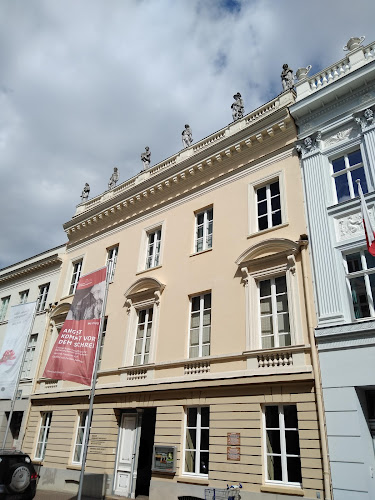
Museum Behnhaus Drägerhaus
Find Accommodations Nearby
Recommended Tours & Activities
Visitor Reviews
There are no reviews yet. Be the first one to write one.
Share Your Experience
Have you visited European Hansemuseum? Help other travelers by leaving a review.