
Église Notre-Dame d’Espérance
About Église Notre-Dame d’Espérance
Description
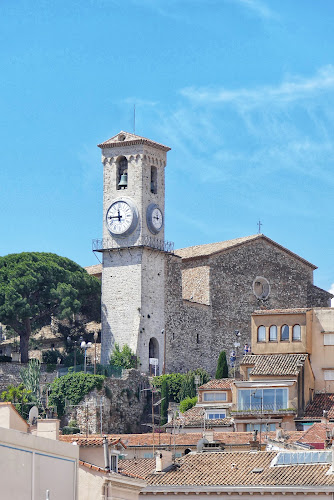
Let me tell you, one trip up to the Église Notre-Dame d’Espérance, and you just might forget for a moment that you’re knee-deep in the glitz and glamour of Cannes. This church, perched kind of smugly atop Le Suquet—the old quarter—feels like stepping into a peaceful time warp. Picture a weathered Gothic stone facade, warm sun-dappled steps, and that irresistible hush you only find in places with a history thick as old velvet curtains.
I’ve seen my fair share of European churches, from sun-baked Andalusia to cool Vienna. But there’s something unusually approachable about this one. Finished up in the early 1600s, the Église Notre-Dame d’Espérance doesn’t shout for your attention with gold or ostentation. Instead, it sort of hooks you quietly—with sturdy stone walls, pointed arches, and a slightly creaky but deeply inviting interior. For me? The uneven stones inside (watch your step!) whisper stories with every footfall.
But what really makes it memorable, beyond the quick brush with medieval ambiance, is the musical crèche they install for display. Now, I’m not the world’s biggest crèche enthusiast, but the one here genuinely surprised me—figurines with a touch of local charm, all moving to a gentle, tinkling melody. There’s a kind of magic in that. Maybe it's because this church stands watch high above Cannes, offering a view that sweeps all the way from the terracotta rooftops to the sparkly mess of the city and that deep, endless blue of the Mediterranean.
Folks rave about the views, and for good reason. Even if you’re not wild about church architecture, you’d be hard pressed to skip the lookout at sunset—if you catch it on a clear day, the sky turns into this painter’s palette of pinks and oranges. Easy on the eyes and surprisingly easy on the nerves, too. The one thing I’ll say is: some people expect a classic French over-the-top church with stain glass that out-glows Vegas, but what you get here is honest, old-stone comfort, punctuated by a real sense of community (sometimes there’s a guitarist plucking away by the gate).
Whether you breeze through as part of a group or linger quietly in a pew, you’ll notice it isn’t flawless—bits of the paint are chipped, the stone is a little worn, and the organ can sound slightly wobbly on the occasional note. Personally, that’s a part of the appeal. It’s history, lived-in. The wheelchair-accessible entrance is a very welcome surprise—too many old churches forget about visitors who need that. In all, the Église Notre-Dame d’Espérance is not just a stop for magnificent city views, but a solid slice of Cannes’ soul—a bit somber, a bit aged, but all the more authentic for it.
Key Features
- Striking hilltop location with panoramic views over Cannes, the harbor, and the distant sea.
- Authentic 17th-century Gothic architecture in stone—arched ceilings, decorative woodwork, and a cozy, time-worn nave.
- Seasonal musical crèche display—a mechanical nativity scene, delighting both adults and kids (don’t overlook it if visiting in winter).
- Wheelchair accessible entrance—rare for historic sites in this hilly part of town.
- Peaceful ambiance—a place to escape the Cannes bustle for reflection or just to sip the atmosphere (figuratively; no food allowed inside!).
- Notable annual events, like concerts during the summer Festival de Cannes—the acoustics inside the stone are something else, I promise.
- Historic significance—local epicenter during 16th-century plagues and religious wars; you can almost feel the centuries in the masonry.
- Watchtower bell tower you can climb for an elevated vantage point (if it’s open; ask a volunteer sometimes for access).
- Charming, unevenly worn stairs and tiny hidden art pieces—kind of a scavenger hunt for detail lovers.
Best Time to Visit
So, when should you go? Honestly, Cannes can be absolutely crawling with tourists during high festival season in May (think: shoulder-to-shoulder selfie sticks), but I recommend arriving on a weekday morning or late afternoon. Spring (April–June) is my sweet spot—still warm but not scorching, and the crowds haven’t blotted out all the character yet. Autumn, say late September, can be golden for fewer crowds and that gorgeous French Riviera light softening every photo you snap.
If catching that musical crèche is a must for your itinerary (it is a quirky highlight, especially for families), plan for December through early January. Locals flock here in the lead-up to Christmas, and it feels festive but not overblown. On Sundays, choral music sometimes echoes through the nave—utter goosebumps!
Should you be a hopeless romantic chasing that Instagram gold, a sunset visit gives an entirely different mood to the experience—rosy light and, sometimes, musicians playing by the towers. Word to the wise: bring a light jacket. The hill gets breezy even in summer and, trust me, the chill can sneak up out of nowhere.
How to Get There
The route’s half the adventure. Most of Cannes is pretty walkable, if you’re okay with some huff-and-puff up cobblestone lanes—not gonna lie, the incline up Le Suquet is real. I’ve clocked it at about 10 minutes from the central market area if you don’t stop for pastries (which is a tough ask, given the smells wafting from boulangeries nearby). The steps are a bit uneven, so wear decent shoes, not those posh sandals you want to show off on the Croisette.
Public buses can drop you close (check for Le Suquet stops), but you’ll still have a pleasant little climb up winding medieval streets. If mobility is an issue, taxis or rideshares can take you nearly to the entrance. Really though, part of the magic is weaving through the ochre-colored houses, so I’d say resist the urge to drive the whole way unless you absolutely have to. The area right around the church is tight, with minimal parking—best saved for locals or folks with permits.
And here’s a hot tip I learned after my second visit: the path around the western slope is less steep and offers some sweet photo ops over Cannes. Even if you’re not a “walker,” give it a try—totally worth it for the perspective shift alone.
Tips for Visiting
- Don’t rush—the Église Notre-Dame d’Espérance rewards lingering. Linger in the pews, peek into alcoves, and soak up the silence (sometimes interrupted by distant street musicians).
- If you’re traveling with someone who needs step-free access, look for the ramped entrance—staff and volunteers are often glad to help if you ask.
- Check local listings for concert dates or special services; catching live music here is something special. Acoustics in this church? Oh, chef’s kiss.
- Bring a light scarf or jacket—the stone interior keeps things cool, even on sultry Riviera days.
- Respect is key: modest attire is appreciated. It’s an active place of worship, so maybe save the beachwear for after your visit.
- Photography is fine, but flash is a no-no inside. The light streaming through those plain but lovely windows makes for natural, moody shots anyway.
- Hunt for hidden details: small statues, elaborate woodwork, and little inscriptions—there’s more than meets the eye at first glance.
- If you’re lucky, catch a local crafts market or food stall outside the church on certain weekends. Amazing spot for fresh socca or homemade Provençal sweets. (I still dream of those lemon tarts.)
- Plan your route for early morning or twilight to skip the worst of the hill climb’s heat.
- And—if you’ve come all this way, take a minute on the terrace to just gaze and breathe. Not every day do you get to see all of Cannes laid out in front of you, the Mediterranean glimmering behind. Soak it up, and grab that mental snapshot—it’ll be worth it on the plane ride home.
Key Features
- Peaceful ambiance—a place to escape the Cannes bustle for reflection or just to sip the atmosphere (figuratively; no food allowed inside!).
- Notable annual events, like concerts during the summer Festival de Cannes—the acoustics inside the stone are something else, I promise.
- Historic significance—local epicenter during 16th-century plagues and religious wars; you can almost feel the centuries in the masonry.
- Watchtower bell tower you can climb for an elevated vantage point (if it’s open; ask a volunteer sometimes for access).
- Charming, unevenly worn stairs and tiny hidden art pieces—kind of a scavenger hunt for detail lovers.
- Don’t rush—the Église Notre-Dame d’Espérance rewards lingering. Linger in the pews, peek into alcoves, and soak up the silence (sometimes interrupted by distant street musicians).
- If you’re traveling with someone who needs step-free access, look for the ramped entrance—staff and volunteers are often glad to help if you ask.
- Check local listings for concert dates or special services; catching live music here is something special. Acoustics in this church? Oh, chef’s kiss.
More Details
Updated June 30, 2025
Table of Contents
Description
Let me tell you, one trip up to the Église Notre-Dame d’Espérance, and you just might forget for a moment that you’re knee-deep in the glitz and glamour of Cannes. This church, perched kind of smugly atop Le Suquet—the old quarter—feels like stepping into a peaceful time warp. Picture a weathered Gothic stone facade, warm sun-dappled steps, and that irresistible hush you only find in places with a history thick as old velvet curtains.
I’ve seen my fair share of European churches, from sun-baked Andalusia to cool Vienna. But there’s something unusually approachable about this one. Finished up in the early 1600s, the Église Notre-Dame d’Espérance doesn’t shout for your attention with gold or ostentation. Instead, it sort of hooks you quietly—with sturdy stone walls, pointed arches, and a slightly creaky but deeply inviting interior. For me? The uneven stones inside (watch your step!) whisper stories with every footfall.
But what really makes it memorable, beyond the quick brush with medieval ambiance, is the musical crèche they install for display. Now, I’m not the world’s biggest crèche enthusiast, but the one here genuinely surprised me—figurines with a touch of local charm, all moving to a gentle, tinkling melody. There’s a kind of magic in that. Maybe it’s because this church stands watch high above Cannes, offering a view that sweeps all the way from the terracotta rooftops to the sparkly mess of the city and that deep, endless blue of the Mediterranean.
Folks rave about the views, and for good reason. Even if you’re not wild about church architecture, you’d be hard pressed to skip the lookout at sunset—if you catch it on a clear day, the sky turns into this painter’s palette of pinks and oranges. Easy on the eyes and surprisingly easy on the nerves, too. The one thing I’ll say is: some people expect a classic French over-the-top church with stain glass that out-glows Vegas, but what you get here is honest, old-stone comfort, punctuated by a real sense of community (sometimes there’s a guitarist plucking away by the gate).
Whether you breeze through as part of a group or linger quietly in a pew, you’ll notice it isn’t flawless—bits of the paint are chipped, the stone is a little worn, and the organ can sound slightly wobbly on the occasional note. Personally, that’s a part of the appeal. It’s history, lived-in. The wheelchair-accessible entrance is a very welcome surprise—too many old churches forget about visitors who need that. In all, the Église Notre-Dame d’Espérance is not just a stop for magnificent city views, but a solid slice of Cannes’ soul—a bit somber, a bit aged, but all the more authentic for it.
Key Features
- Striking hilltop location with panoramic views over Cannes, the harbor, and the distant sea.
- Authentic 17th-century Gothic architecture in stone—arched ceilings, decorative woodwork, and a cozy, time-worn nave.
- Seasonal musical crèche display—a mechanical nativity scene, delighting both adults and kids (don’t overlook it if visiting in winter).
- Wheelchair accessible entrance—rare for historic sites in this hilly part of town.
- Peaceful ambiance—a place to escape the Cannes bustle for reflection or just to sip the atmosphere (figuratively; no food allowed inside!).
- Notable annual events, like concerts during the summer Festival de Cannes—the acoustics inside the stone are something else, I promise.
- Historic significance—local epicenter during 16th-century plagues and religious wars; you can almost feel the centuries in the masonry.
- Watchtower bell tower you can climb for an elevated vantage point (if it’s open; ask a volunteer sometimes for access).
- Charming, unevenly worn stairs and tiny hidden art pieces—kind of a scavenger hunt for detail lovers.
Best Time to Visit
So, when should you go? Honestly, Cannes can be absolutely crawling with tourists during high festival season in May (think: shoulder-to-shoulder selfie sticks), but I recommend arriving on a weekday morning or late afternoon. Spring (April–June) is my sweet spot—still warm but not scorching, and the crowds haven’t blotted out all the character yet. Autumn, say late September, can be golden for fewer crowds and that gorgeous French Riviera light softening every photo you snap.
If catching that musical crèche is a must for your itinerary (it is a quirky highlight, especially for families), plan for December through early January. Locals flock here in the lead-up to Christmas, and it feels festive but not overblown. On Sundays, choral music sometimes echoes through the nave—utter goosebumps!
Should you be a hopeless romantic chasing that Instagram gold, a sunset visit gives an entirely different mood to the experience—rosy light and, sometimes, musicians playing by the towers. Word to the wise: bring a light jacket. The hill gets breezy even in summer and, trust me, the chill can sneak up out of nowhere.
How to Get There
The route’s half the adventure. Most of Cannes is pretty walkable, if you’re okay with some huff-and-puff up cobblestone lanes—not gonna lie, the incline up Le Suquet is real. I’ve clocked it at about 10 minutes from the central market area if you don’t stop for pastries (which is a tough ask, given the smells wafting from boulangeries nearby). The steps are a bit uneven, so wear decent shoes, not those posh sandals you want to show off on the Croisette.
Public buses can drop you close (check for Le Suquet stops), but you’ll still have a pleasant little climb up winding medieval streets. If mobility is an issue, taxis or rideshares can take you nearly to the entrance. Really though, part of the magic is weaving through the ochre-colored houses, so I’d say resist the urge to drive the whole way unless you absolutely have to. The area right around the church is tight, with minimal parking—best saved for locals or folks with permits.
And here’s a hot tip I learned after my second visit: the path around the western slope is less steep and offers some sweet photo ops over Cannes. Even if you’re not a “walker,” give it a try—totally worth it for the perspective shift alone.
Tips for Visiting
- Don’t rush—the Église Notre-Dame d’Espérance rewards lingering. Linger in the pews, peek into alcoves, and soak up the silence (sometimes interrupted by distant street musicians).
- If you’re traveling with someone who needs step-free access, look for the ramped entrance—staff and volunteers are often glad to help if you ask.
- Check local listings for concert dates or special services; catching live music here is something special. Acoustics in this church? Oh, chef’s kiss.
- Bring a light scarf or jacket—the stone interior keeps things cool, even on sultry Riviera days.
- Respect is key: modest attire is appreciated. It’s an active place of worship, so maybe save the beachwear for after your visit.
- Photography is fine, but flash is a no-no inside. The light streaming through those plain but lovely windows makes for natural, moody shots anyway.
- Hunt for hidden details: small statues, elaborate woodwork, and little inscriptions—there’s more than meets the eye at first glance.
- If you’re lucky, catch a local crafts market or food stall outside the church on certain weekends. Amazing spot for fresh socca or homemade Provençal sweets. (I still dream of those lemon tarts.)
- Plan your route for early morning or twilight to skip the worst of the hill climb’s heat.
- And—if you’ve come all this way, take a minute on the terrace to just gaze and breathe. Not every day do you get to see all of Cannes laid out in front of you, the Mediterranean glimmering behind. Soak it up, and grab that mental snapshot—it’ll be worth it on the plane ride home.
Key Highlights
- Peaceful ambiance—a place to escape the Cannes bustle for reflection or just to sip the atmosphere (figuratively; no food allowed inside!).
- Notable annual events, like concerts during the summer Festival de Cannes—the acoustics inside the stone are something else, I promise.
- Historic significance—local epicenter during 16th-century plagues and religious wars; you can almost feel the centuries in the masonry.
- Watchtower bell tower you can climb for an elevated vantage point (if it’s open; ask a volunteer sometimes for access).
- Charming, unevenly worn stairs and tiny hidden art pieces—kind of a scavenger hunt for detail lovers.
- Don’t rush—the Église Notre-Dame d’Espérance rewards lingering. Linger in the pews, peek into alcoves, and soak up the silence (sometimes interrupted by distant street musicians).
- If you’re traveling with someone who needs step-free access, look for the ramped entrance—staff and volunteers are often glad to help if you ask.
- Check local listings for concert dates or special services; catching live music here is something special. Acoustics in this church? Oh, chef’s kiss.
Location
Places to Stay Near Église Notre-Dame d'Espérance
Find and Book a Tour
Explore More Travel Guides
No reviews found! Be the first to review!
Traveler Reviews for Église Notre-Dame d’Espérance
There are no reviews yet. Be the first one to write one.
Have you visited Église Notre-Dame d’Espérance? Help other travelers by sharing your review.
You Might Also Like
Cannes

Memorial to the Armenian genocide (architect Albert Mkhitarian)

Palace of Festivals and Congresses of Cannes
Find Accommodations Nearby
Recommended Tours & Activities
Visitor Reviews
There are no reviews yet. Be the first one to write one.
Share Your Experience
Have you visited Église Notre-Dame d’Espérance? Help other travelers by leaving a review.