
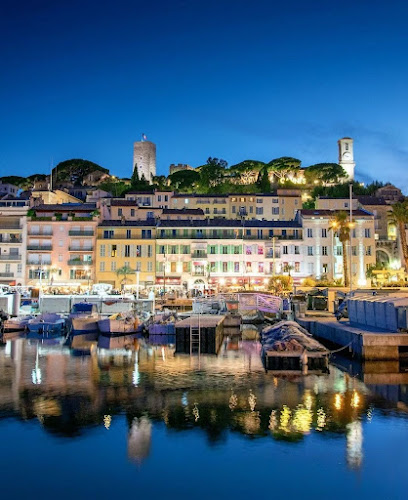
Cannes
About Cannes
Cannes really is one of those places you imagine while sipping a coffee in your kitchen and gazing longingly at the fridge magnets of Europe. Beyond the glitter and glamour that has made its name ring around the world, Cannes has this pretty addictive, almost untouchable Mediterranean ease about it. Sure, it’s got its red carpets, paparazzi moments, and the kind of hotels where even the doorknobs look expensive, but look closer, and there are sweet, scruffy alleys, boisterous morning markets, and that salt-in-the-air feeling you just can’t buy anywhere else.
When I first roamed the streets here (confession: I pretended I was late to a movie premiere, camera-bag slung over my shoulder), I noticed how much more is happening under the surface—a kind of slow-paced, daily theater. There’s the Boulevard de la Croisette, yes, with its glamour-infused promenade, but duck behind and you’ll find cafes where actual locals gather, markets buzzing with Provençal banter, and pockets of the city that don’t make it to Instagram feeds.
Cannes’ image might be built on its festival—and yes, catching sight of a movie star in dark shades (possibly hiding from the sun, possibly hiding from the crowds) is a rush—but even after the limousines and flashbulbs are packed away, the town hums along. The sand is surprisingly soft, the sea is as blue as they say, and every evening feels like a holiday you’ve managed to sneak away to. If you ask me, Cannes is less about being exclusive, and more about soaking up a bit of the Riviera lifestyle—iced espresso, sun hats, the works—even for just a weekend.
Key Features
- The Legendary Boulevard de la Croisette: A magnetic curve along the Mediterranean coast, it’s perfect for people-watching and, yes, scouting for celebrities (though you’ll spot just as many joggers and dog-walkers). The palm trees are real, the sea views even better in person.
- Palais des Festivals et des Congrès: Home of the Cannes Film Festival—imposing, modern, its red carpet always ready for the next photo op. Even when the festival isn’t on, you’ll be amazed at how many people pause here to soak up their own “main character” moment.
- Allée des Étoiles: Think of it as France’s take on the Hollywood Walk of Fame; celebrity handprints, signature tiles, and that little thrill of finding someone you actually recognize.
- Soft, Sandy Beaches: Most visitors are shocked to learn Cannes’ beaches are not all private—public stretches are lively, with gentle waves and warm sand. Hotel beach clubs are, well, spectacular (if you’re ever up for a splurge).
- Bustling Marché Forville: Provençal market mornings here are a sensory rollercoaster: local cheeses, juicy stone fruit, and that magical smell only fresh bread has.
- Historic Le Suquet: The old quarter rises gently above the bay—a tangle of pretty, narrow streets, with views that honestly feel like postcards.
- World-Class Shopping: If you love designer boutiques or collecting just-the-right scarf for your travels, the city center is lined with everything from classic French design houses to quirky concept shops.
- Cultural Events Year-Round: It’s not just the film fest—Cannes hosts fireworks competitions, dance, music, and even food-focused festivals. Locals love to point you to the next hidden gem on the calendar.
- Easy Day Trips: Cannes is a perfect jumping-off point for excursions to the Lérins Islands, Antibes, or rural Provençal villages. Ferries leave right from the town’s harbor.
Best Time to Visit
This is always the million-Euro question. I’ll be honest—Cannes feels like a different world depending on when you show up. The famous film festival (usually May) transforms it into a glitzy hive. Hotel prices rocket, streets fill up, and you might spot someone famous puzzling over a gelato menu. If you’re in it for that vibe—urban safari with designer sunglasses—May’s your month.
But, if you want to relax by the sea without feeling like you’re gatecrashing a movie set, late spring (late April and early June) or the early fall (September into October) are magic. The weather is still kind, crowds are thinner, and the locals seem a bit more relaxed. July and August? It’s hot (like, bring a hat and wear a loose dress hot) and busy, but there’s a contagious beach energy. The Mediterranean never really goes out of style, even in winter—the light is beautiful and everything is quieter, though some places close for a seasonal nap. Personally, I adore Cannes in late September. The water is still warm, the sunsets linger, and you have just enough space to make the city your own.
How to Get There
Cannes is that sweet spot—not remote, but just far enough that you’ll feel like you’ve made a real journey. Most folks arrive via Nice Côte d’Azur Airport, which is an easy 30-minute drive. There’s a direct airport bus (number 210, for the detail-lovers) that heads straight to Cannes, and the train line hugs the coast, dropping you practically in the center of the action.
If you’re the train type (I am—nothing beats those glimpses of the sea out the window), the TGV and regional TER trains connect to almost every big city in France, and even over the border to Italy. There’s also driving—though, and let me warn you as someone who has wrestled with Mediterranean parking, in high season it can be a challenge. Arriving by ferry or private yacht? Well, then, Cannes’ old port is as picture-perfect as they come.
Once you’re in town, walking is honestly your best bet. But, for beach-hopping or a quick trip across to the Lérins Islands, the local ferries are a treat and give you a whole new perspective on those famous blue waters.
Tips for Visiting
After a couple of trips to Cannes, I can say a few things have saved me from rookie mistakes—and made my visits double the fun. First, if you want to actually sit on the beach without paying a fortune, head early to one of the public plages. They fill up fast, especially in summer, and the sand closest to the water is prime territory.
Don’t be afraid to duck into the old town. Le Suquet is walkable and built for wandering (yep, even if you get lost, you’ll find your way back via the smell of pizza or the sound of laughter from a hillside café). Comfortable shoes, always—cobblestones here can make you feel like you’re starring in your own slapstick comedy if you wear heels.
Market mornings are absolutely worth an early alarm. Marché Forville is the spot for fresh fruit, olives, and people-watching—I once chatted with a local chef about cheese and learned more in five minutes than in three years of supermarket shopping.
And here’s a secret: if you’re on a budget but want the festival experience, visit just after the film fest when the city (and hotel rates) calm down but the energy still hums. Off the main drag, you’ll find tiny bakeries and corner shops where you get that “real” Riviera magic—cheaper, tastier, and shared with people who live here year-round.
Oh, and sun protection. Even in shoulder season, the sun can be sneaky. Take breaks, hydrate (the rosé here goes down dangerously easy), and plan a shady lunch. Also—don’t skip the nearby islands. Sainte-Marguerite is only a short boat trip away and, honestly, the salty wind and pine-scented trails are something every traveler should experience at least once.
Most importantly, leave a little room in your plans for serendipity. The best things here aren’t always in the guidebooks—it might be a jazz trio in a square, a sunset from a side street, or a festival you stumble on. That, to me, is the real Cannes.
You Might Also Like
06400 Cannes
8 Av. Val Vert

Abbaye de Lérins
Tours & Activities
GetYourGuide provides this tour inventory. We may earn a commission if you book through it; verify current availability, prices, and terms with the provider.
Visitor Reviews
There are no reviews yet. Be the first one to write one.
Share Your Experience
Have you visited Cannes? Help other travelers by leaving a review.