

Cra. 1c #20-134 20 a
About Cra. 1c #20-134 20 a
Description
Travelers searching for authentic rural Colombia often overlook the remarkable countryside roads that wind through lesser-known regions, and Cra. 1c #20-134 20 a represents one of those hidden routes that locals know well but guidebooks rarely mention. This roadway cuts through terrain that showcases the real Colombia – the one that exists beyond tourist brochures and Instagram hotspots. What makes this particular route interesting isn't necessarily grand monuments or flashy attractions. Instead, it's the raw, unfiltered glimpse into daily Colombian life that you'll experience along the way. I remember my first time navigating similar rural roads in South America, feeling completely lost but somehow more connected to the place than I'd ever felt in major cities. There's something about these quieter paths that strips away the performance of tourism and lets you see things as they actually are. The landscape here shifts between agricultural zones and small residential pockets, where the rhythm of life moves according to seasons and harvests rather than tourist seasons. You'll spot farmers tending their land, children walking to school in the morning hours, and neighbors chatting across fences in that unhurried way that's become rare in our hyperconnected world. This isn't a destination in the traditional sense – it's more of a journey through genuine Colombian rural character.Key Features
The area surrounding this route offers several noteworthy characteristics that travelers should know about:- Authentic rural Colombian scenery without commercial tourist development
- Agricultural landscapes that change appearance throughout different growing seasons
- Opportunities to observe daily life in Colombian countryside communities
- Access to local farms and potentially fresh produce markets depending on timing
- Quieter roads compared to main highways, ideal for cycling enthusiasts or motorcycle tours
- Traditional Colombian architecture in surrounding residential areas
- Genuine interactions with locals who aren't accustomed to heavy tourist traffic
- Photography opportunities that capture real Colombia rather than staged tourist scenes
- Potential connections to nearby trails or natural areas depending on exact location
- Lower costs compared to tourist-heavy zones for any services or goods
Best Time to Visit
Timing your visit to rural Colombian routes requires thinking differently than you would for beach resorts or mountain lodges. The dry season generally runs from December through March and again from July through August, which makes these months ideal for exploring countryside roads. During these periods, you won't be dealing with muddy conditions or unexpected rain showers that can turn dirt portions of rural roads into challenging terrain. But here's where it gets interesting – and where I'd encourage you to think beyond just weather patterns. If you're genuinely interested in seeing agricultural life, visiting during planting or harvest seasons offers a completely different experience. You'll see the land being worked, crops at various stages, and communities actively engaged in the agricultural cycle that defines their livelihoods. That might mean tolerating slightly less perfect weather conditions, but the cultural payoff is worth it. Early mornings around 6-8 AM provide the most activity in rural areas. People are starting their workdays, markets are opening, and there's an energy you simply won't find if you roll through at noon when everyone's taking shelter from the midday heat. I've learned this the hard way after showing up to rural communities during siesta hours and finding them practically deserted. Weekends can be hit or miss. Saturdays often feature local markets and more social activity, making them excellent for cultural immersion. Sundays tend toward family gatherings and religious observances, which means quieter roads but potentially fewer opportunities for interaction. Avoid major holiday periods unless you're specifically interested in festival observations. Colombian holidays bring increased traffic as city dwellers head to countryside family homes, and what's normally a peaceful rural route can become surprisingly congested.How to Get There
Getting to rural Colombian roads requires more planning than simply punching coordinates into your GPS and hoping for the best. First, you'll need to identify the nearest major town or city that serves as your jumping-off point. From there, your transportation options vary considerably based on your comfort level and budget. Renting a vehicle provides maximum flexibility for exploring countryside routes. However – and this is important – not all rental cars are created equal for rural Colombian roads. You'll want something with decent ground clearance because even numbered roads can have rough patches, potholes, or unpaved sections. I've seen too many travelers bottom out sedans on roads they assumed would be fully paved. Local buses do serve many rural areas, though schedules can be informal and stops aren't always clearly marked. Ask locals rather than relying solely on official schedules, which may be outdated or optimistic. The upside? Buses are incredibly affordable and you'll be traveling alongside locals, which creates natural opportunities for conversation and recommendations. Motorcycle rental has become increasingly popular among adventurous travelers exploring Colombian countryside. The maneuverability helps with rougher road sections, and you'll have an easier time pulling over for photos or spontaneous detours. Just make sure you're actually comfortable with motorcycle riding – rural Colombian roads aren't the place to learn. Hiring a local driver or guide makes sense if you're uncomfortable navigating independently or don't speak Spanish. This costs more but eliminates stress around directions, road conditions, and communication barriers. Plus, a knowledgeable local can point out things you'd otherwise miss completely.Tips for Visiting
Let me share some practical advice that goes beyond the obvious "bring water and sunscreen" recommendations you'll find everywhere. Language matters significantly in rural Colombia. English proficiency drops dramatically outside tourist zones, so having at least basic Spanish phrases will transform your experience. Download offline translation apps before you lose cell service, which happens more frequently than you'd expect once you leave main highways. Cash is king in countryside areas. Don't assume you'll find ATMs easily, and certainly don't count on credit card acceptance at small shops or roadside stands. Carry smaller bills too – trying to break a 50,000 peso note at a tiny tienda often creates awkward situations. Your phone's GPS might work, but don't bet your entire navigation strategy on it. Cell coverage can be spotty, and even when you have signal, rural roads aren't always accurately mapped. Old-fashioned paper maps or downloaded offline maps provide essential backup. And honestly? Asking directions from locals works remarkably well. Colombians are generally helpful and patient with travelers, even when your Spanish is terrible. Dress practically rather than fashionably. Rural areas mean dust, potential rain, and walking on uneven surfaces. Sturdy shoes matter more than you think. I learned this after showing up to a farm visit in completely inappropriate footwear and spending the entire afternoon uncomfortable and self-conscious. Respect local customs and privacy. Just because you're traveling through rural areas doesn't mean you have permission to photograph everything and everyone. Ask before taking pictures of people or their property. This isn't just politeness – it's basic respect for communities allowing you into their spaces. Timing bathroom stops requires strategy in areas without public facilities. Restaurants and cafes usually allow bathroom use if you're a customer, so buying a drink or snack serves double purpose. Gas stations work too, though cleanliness standards vary widely. Food safety deserves attention without becoming paranoid. Street food and small local eateries can be perfectly safe, but use common sense. If something looks or smells off, trust your instincts. That said, being overly cautious means missing some of the best authentic Colombian food experiences. Consider your vehicle's fuel range carefully. Gas stations appear less frequently along rural routes, and running on fumes creates unnecessary stress. Fill up when you see stations rather than waiting until you're nearly empty. Weather changes quickly in Colombian countryside, particularly in areas with elevation variation. Carrying a light rain jacket takes minimal space but solves major problems when unexpected showers appear. Finally, embrace flexibility. Rural travel rarely goes exactly according to plan, and that's actually part of what makes it memorable. The unexpected detours, unplanned conversations, and spontaneous discoveries often become the highlight stories you'll tell for years afterward.Key Features
- Authentic rural Colombian scenery without commercial tourist development
- Agricultural landscapes that change appearance throughout different growing seasons
- Opportunities to observe daily life in Colombian countryside communities
- Access to local farms and potentially fresh produce markets depending on timing
- Quieter roads compared to main highways, ideal for cycling enthusiasts or motorcycle tours
- Traditional Colombian architecture in surrounding residential areas
- Genuine interactions with locals who aren't accustomed to heavy tourist traffic
- Photography opportunities that capture real Colombia rather than staged tourist scenes
More Details
Updated March 30, 2026
Table of Contents
Description
Travelers searching for authentic rural Colombia often overlook the remarkable countryside roads that wind through lesser-known regions, and Cra. 1c #20-134 20 a represents one of those hidden routes that locals know well but guidebooks rarely mention. This roadway cuts through terrain that showcases the real Colombia – the one that exists beyond tourist brochures and Instagram hotspots.
What makes this particular route interesting isn’t necessarily grand monuments or flashy attractions. Instead, it’s the raw, unfiltered glimpse into daily Colombian life that you’ll experience along the way. I remember my first time navigating similar rural roads in South America, feeling completely lost but somehow more connected to the place than I’d ever felt in major cities. There’s something about these quieter paths that strips away the performance of tourism and lets you see things as they actually are.
The landscape here shifts between agricultural zones and small residential pockets, where the rhythm of life moves according to seasons and harvests rather than tourist seasons. You’ll spot farmers tending their land, children walking to school in the morning hours, and neighbors chatting across fences in that unhurried way that’s become rare in our hyperconnected world. This isn’t a destination in the traditional sense – it’s more of a journey through genuine Colombian rural character.
Key Features
The area surrounding this route offers several noteworthy characteristics that travelers should know about:
- Authentic rural Colombian scenery without commercial tourist development
- Agricultural landscapes that change appearance throughout different growing seasons
- Opportunities to observe daily life in Colombian countryside communities
- Access to local farms and potentially fresh produce markets depending on timing
- Quieter roads compared to main highways, ideal for cycling enthusiasts or motorcycle tours
- Traditional Colombian architecture in surrounding residential areas
- Genuine interactions with locals who aren’t accustomed to heavy tourist traffic
- Photography opportunities that capture real Colombia rather than staged tourist scenes
- Potential connections to nearby trails or natural areas depending on exact location
- Lower costs compared to tourist-heavy zones for any services or goods
Best Time to Visit
Timing your visit to rural Colombian routes requires thinking differently than you would for beach resorts or mountain lodges. The dry season generally runs from December through March and again from July through August, which makes these months ideal for exploring countryside roads. During these periods, you won’t be dealing with muddy conditions or unexpected rain showers that can turn dirt portions of rural roads into challenging terrain.
But here’s where it gets interesting – and where I’d encourage you to think beyond just weather patterns. If you’re genuinely interested in seeing agricultural life, visiting during planting or harvest seasons offers a completely different experience. You’ll see the land being worked, crops at various stages, and communities actively engaged in the agricultural cycle that defines their livelihoods. That might mean tolerating slightly less perfect weather conditions, but the cultural payoff is worth it.
Early mornings around 6-8 AM provide the most activity in rural areas. People are starting their workdays, markets are opening, and there’s an energy you simply won’t find if you roll through at noon when everyone’s taking shelter from the midday heat. I’ve learned this the hard way after showing up to rural communities during siesta hours and finding them practically deserted.
Weekends can be hit or miss. Saturdays often feature local markets and more social activity, making them excellent for cultural immersion. Sundays tend toward family gatherings and religious observances, which means quieter roads but potentially fewer opportunities for interaction.
Avoid major holiday periods unless you’re specifically interested in festival observations. Colombian holidays bring increased traffic as city dwellers head to countryside family homes, and what’s normally a peaceful rural route can become surprisingly congested.
How to Get There
Getting to rural Colombian roads requires more planning than simply punching coordinates into your GPS and hoping for the best. First, you’ll need to identify the nearest major town or city that serves as your jumping-off point. From there, your transportation options vary considerably based on your comfort level and budget.
Renting a vehicle provides maximum flexibility for exploring countryside routes. However – and this is important – not all rental cars are created equal for rural Colombian roads. You’ll want something with decent ground clearance because even numbered roads can have rough patches, potholes, or unpaved sections. I’ve seen too many travelers bottom out sedans on roads they assumed would be fully paved.
Local buses do serve many rural areas, though schedules can be informal and stops aren’t always clearly marked. Ask locals rather than relying solely on official schedules, which may be outdated or optimistic. The upside? Buses are incredibly affordable and you’ll be traveling alongside locals, which creates natural opportunities for conversation and recommendations.
Motorcycle rental has become increasingly popular among adventurous travelers exploring Colombian countryside. The maneuverability helps with rougher road sections, and you’ll have an easier time pulling over for photos or spontaneous detours. Just make sure you’re actually comfortable with motorcycle riding – rural Colombian roads aren’t the place to learn.
Hiring a local driver or guide makes sense if you’re uncomfortable navigating independently or don’t speak Spanish. This costs more but eliminates stress around directions, road conditions, and communication barriers. Plus, a knowledgeable local can point out things you’d otherwise miss completely.
Tips for Visiting
Let me share some practical advice that goes beyond the obvious “bring water and sunscreen” recommendations you’ll find everywhere.
Language matters significantly in rural Colombia. English proficiency drops dramatically outside tourist zones, so having at least basic Spanish phrases will transform your experience. Download offline translation apps before you lose cell service, which happens more frequently than you’d expect once you leave main highways.
Cash is king in countryside areas. Don’t assume you’ll find ATMs easily, and certainly don’t count on credit card acceptance at small shops or roadside stands. Carry smaller bills too – trying to break a 50,000 peso note at a tiny tienda often creates awkward situations.
Your phone’s GPS might work, but don’t bet your entire navigation strategy on it. Cell coverage can be spotty, and even when you have signal, rural roads aren’t always accurately mapped. Old-fashioned paper maps or downloaded offline maps provide essential backup. And honestly? Asking directions from locals works remarkably well. Colombians are generally helpful and patient with travelers, even when your Spanish is terrible.
Dress practically rather than fashionably. Rural areas mean dust, potential rain, and walking on uneven surfaces. Sturdy shoes matter more than you think. I learned this after showing up to a farm visit in completely inappropriate footwear and spending the entire afternoon uncomfortable and self-conscious.
Respect local customs and privacy. Just because you’re traveling through rural areas doesn’t mean you have permission to photograph everything and everyone. Ask before taking pictures of people or their property. This isn’t just politeness – it’s basic respect for communities allowing you into their spaces.
Timing bathroom stops requires strategy in areas without public facilities. Restaurants and cafes usually allow bathroom use if you’re a customer, so buying a drink or snack serves double purpose. Gas stations work too, though cleanliness standards vary widely.
Food safety deserves attention without becoming paranoid. Street food and small local eateries can be perfectly safe, but use common sense. If something looks or smells off, trust your instincts. That said, being overly cautious means missing some of the best authentic Colombian food experiences.
Consider your vehicle’s fuel range carefully. Gas stations appear less frequently along rural routes, and running on fumes creates unnecessary stress. Fill up when you see stations rather than waiting until you’re nearly empty.
Weather changes quickly in Colombian countryside, particularly in areas with elevation variation. Carrying a light rain jacket takes minimal space but solves major problems when unexpected showers appear.
Finally, embrace flexibility. Rural travel rarely goes exactly according to plan, and that’s actually part of what makes it memorable. The unexpected detours, unplanned conversations, and spontaneous discoveries often become the highlight stories you’ll tell for years afterward.
Key Highlights
- Authentic rural Colombian scenery without commercial tourist development
- Agricultural landscapes that change appearance throughout different growing seasons
- Opportunities to observe daily life in Colombian countryside communities
- Access to local farms and potentially fresh produce markets depending on timing
- Quieter roads compared to main highways, ideal for cycling enthusiasts or motorcycle tours
- Traditional Colombian architecture in surrounding residential areas
- Genuine interactions with locals who aren't accustomed to heavy tourist traffic
- Photography opportunities that capture real Colombia rather than staged tourist scenes
Location
Places to Stay Near Cra. 1c #20-134 20 a
Find and Book a Tour
Explore More Travel Guides
No reviews found! Be the first to review!
Cra. 1c #20-134 20 a is a prominent Attractions located in Santa Marta.
Visit us at: Cra. 1c #20-134 #20- a, Comuna 2, Santa Marta, Magdalena, Kolombia.
Traveler Reviews for Cra. 1c #20-134 20 a
There are no reviews yet. Be the first one to write one.
Have you visited Cra. 1c #20-134 20 a? Help other travelers by sharing your review.
You Might Also Like
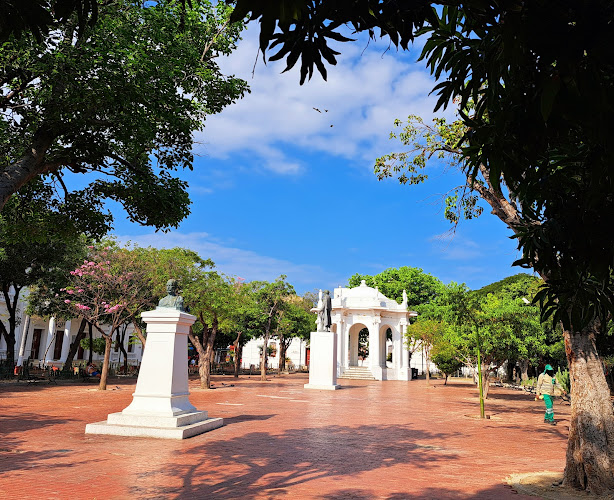
Parque de los Novios
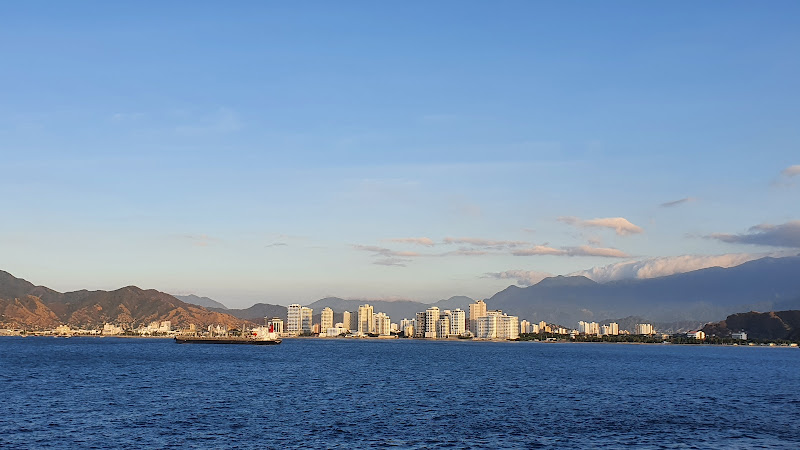
Santa Marta view at sea
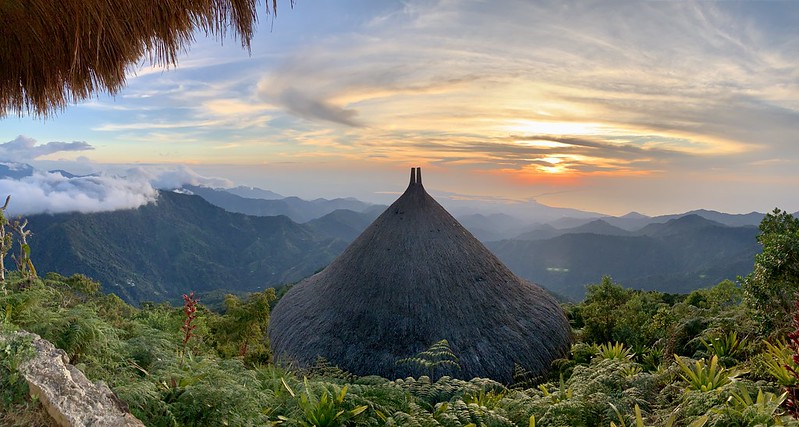
Reserva Natural El Dorado
Find Accommodations Nearby
Recommended Tours & Activities
Visitor Reviews
There are no reviews yet. Be the first one to write one.
Share Your Experience
Have you visited Cra. 1c #20-134 20 a? Help other travelers by leaving a review.