Basilica 4.6 Santa Marta, ColombiaCommunity Guide

Catedral Basílica de Santa Marta

Plaza de La Catedral, Cra. 4, Comuna 2, Santa Marta, Magdalena, Colombia

Catedral Basílica de Santa Marta
8,887 Photos

About & Overview

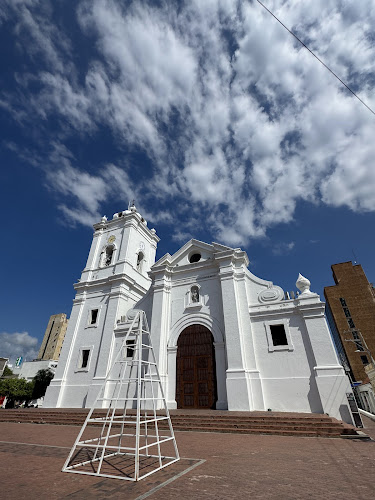
The Catedral Basílica de Santa Marta stands as one of Colombia’s Caribbean coast’s most significant religious landmarks, and honestly, it’s one of those places that catches you off guard with its quiet dignity.

Highlights & Key Features

  • The commanding bell tower that serves as a navigational landmark throughout the historic district and offers a striking silhouette against Caribbean sunsets
  • An extensive collection of religious artwork including paintings depicting biblical scenes and local saints, many dating back to the colonial period
  • Statues and sculptures positioned throughout the interior that showcase various artistic periods and religious traditions
  • Full wheelchair accessibility with both an accessible entrance and designated parking, making it one of the more inclusive historical sites in the area
  • A location right in the heart of Santa Marta's historic center, placing you within easy walking distance of other colonial-era buildings and plazas
  • Active worship services that allow visitors to experience the cathedral as a living place of faith rather than just a museum piece
  • Architectural details that reflect the adaptation of European religious design to Caribbean climate and materials
  • Historical significance connected to Colombia's independence era and the city's founding as one of South America's oldest colonial settlements

Visitor Guide & Information

Description

The Catedral Basílica de Santa Marta stands as one of Colombia’s Caribbean coast’s most significant religious landmarks, and honestly, it’s one of those places that catches you off guard with its quiet dignity. I’ve always found that coastal cathedrals have this particular quality about them—maybe it’s the way the tropical light filters through their windows or how the sea breeze seems to make even stone buildings feel alive. This Catholic church doesn’t scream for attention like some of the grander colonial cathedrals you’ll find elsewhere in South America, but that’s precisely what makes it special.

What strikes most travelers first is the bell tower that punctuates the Santa Marta skyline, visible from various points around the historic center. The cathedral itself dates back centuries and carries with it the weight of Colombian history in ways that go beyond just architecture. Inside, you’ll discover an interior that’s been carefully adorned with religious paintings and statues that tell stories of faith, colonialism, and the blending of cultures that defines this region. The artworks aren’t necessarily world-famous masterpieces, but they possess an authenticity that you don’t always find in more touristy churches.

And here’s something most guidebooks gloss over—this basilica has witnessed centuries of Santa Marta’s evolution from a colonial outpost to the vibrant coastal city it is today. The walls have seen pirates, independence fighters, and countless ordinary people seeking solace. When you step inside, especially during the quieter hours, there’s this palpable sense of continuity that connects you to all those who’ve passed through before.

Key Features

The Catedral Basílica de Santa Marta offers several distinctive elements that make it worth adding to your Santa Marta itinerary:

  • The commanding bell tower that serves as a navigational landmark throughout the historic district and offers a striking silhouette against Caribbean sunsets
  • An extensive collection of religious artwork including paintings depicting biblical scenes and local saints, many dating back to the colonial period
  • Statues and sculptures positioned throughout the interior that showcase various artistic periods and religious traditions
  • Full wheelchair accessibility with both an accessible entrance and designated parking, making it one of the more inclusive historical sites in the area
  • A location right in the heart of Santa Marta’s historic center, placing you within easy walking distance of other colonial-era buildings and plazas
  • Active worship services that allow visitors to experience the cathedral as a living place of faith rather than just a museum piece
  • Architectural details that reflect the adaptation of European religious design to Caribbean climate and materials
  • Historical significance connected to Colombia’s independence era and the city’s founding as one of South America’s oldest colonial settlements
  • Relatively peaceful atmosphere compared to some of the more crowded tourist churches in larger Colombian cities

Best Time to Visit

Timing your visit to the Catedral Basílica de Santa Marta really depends on what kind of experience you’re after, and I’ll be straight with you—there’s no single “perfect” time that works for everyone.

If you want to appreciate the interior artwork and architecture without dealing with crowds, weekday mornings between 9 AM and 11 AM tend to be your sweet spot. You’ll find fewer tour groups, and the morning light has this particular quality as it comes through the windows that photographers absolutely love. I’ve found that Tuesday and Wednesday mornings are especially quiet, probably because most weekend travelers have already left town and new arrivals haven’t quite gotten their bearings yet.

But here’s the thing—visiting during an actual service gives you a completely different perspective. Sunday masses draw locals and create an atmosphere that’s genuinely moving, even if you’re not religious yourself. Just be respectful with photography and noise if you choose this option.

Weather-wise, Santa Marta’s dry season runs roughly from December through April, and these months bring the most tourists to the city. The cathedral sees increased foot traffic during this period, particularly around Christmas and Easter when religious observances intensify. The wet season from May to November means fewer crowds but also the possibility of afternoon downpours that might cut your walking tour short.

Early morning visits also help you avoid the Caribbean heat, which can be brutal between noon and 3 PM. The cathedral’s thick walls provide some relief, but walking to and from your accommodation in midday sun isn’t exactly pleasant.

One insider tip: try to avoid visiting right when cruise ships are in port. Santa Marta receives regular cruise traffic, and when ships dock, organized tour groups flood the historic center including the cathedral. A quick check of the cruise ship schedule can save you from battling through tour groups with matching hats and selfie sticks.

How to Get There

Getting to the Catedral Basílica de Santa Marta is refreshingly straightforward, especially compared to reaching some of Colombia’s more remote attractions. The cathedral sits in the historic center of Santa Marta, which means most travelers can actually walk there from their accommodations if they’re staying anywhere in the central district.

From the main tourist areas near Parque de los Novios or Parque Bolivar, you’re looking at maybe a 10-15 minute walk maximum. The historic center isn’t particularly large, and the bell tower serves as an excellent visual reference point. Just head toward the tower and you’ll find yourself there—it’s almost impossible to get lost.

If you’re staying in the Rodadero beach area, which is where many hotels cluster, you’ll need different transportation. Taxis are abundant and relatively inexpensive for the roughly 15-minute journey to the historic center. Just make sure to agree on a fare before getting in or insist the driver uses the meter. Local buses also run between Rodadero and downtown, though they can be crowded and confusing if you don’t speak Spanish.

The cathedral’s wheelchair-accessible entrance and parking lot make it genuinely approachable for visitors with mobility challenges, which unfortunately isn’t something you can say about every historic site in Colombia. The accessible parking is located nearby, though you might need to ask locals for specific directions as signage isn’t always clear.

Walking around Santa Marta’s historic center is generally safe during daylight hours, but use common sense. Keep valuables secure and stay aware of your surroundings. The streets immediately around the cathedral see regular police presence because of tourist traffic.

For those arriving in Santa Marta by bus from other Colombian cities, the main bus terminal is about 20-30 minutes from the historic center by taxi. If you’re flying into Simón Bolívar International Airport, budget about 30-40 minutes and negotiate your taxi fare beforehand—airport taxi drivers are notorious for overcharging tourists.

Tips for Visiting

Visiting the Catedral Basílica de Santa Marta requires a bit of cultural sensitivity and practical preparation that’ll make your experience significantly better. Let me share some things I’ve learned through experience and occasional mistakes.

Dress appropriately. This is an active place of worship, not just a tourist attraction. That means shoulders covered, no short shorts, and generally modest clothing. I’ve seen tourists turned away at the entrance for wearing beach attire, and it’s awkward for everyone involved. A lightweight scarf in your day bag can solve coverage problems quickly.

Photography is generally permitted, but flash photography often isn’t, especially during services. And honestly, your photos will look better without flash anyway. The natural light creates much more atmospheric images. Be mindful about photographing people who are actually praying—they didn’t come to church to end up in your Instagram feed.

Don’t expect extensive English signage or explanations. This cathedral serves primarily local worshippers, so information is predominantly in Spanish. Consider hiring a local guide or downloading translation apps beforehand if you want deeper historical context. Sometimes you can find knowledgeable guides hanging around the entrance who work for tips.

Bring small bills if you plan to light candles or make donations. The cathedral operates partly on visitor contributions, and breaking large bills can be problematic.

The floors can be slippery, particularly if it’s rained recently and people have tracked in water. Watch your step, especially if you’re wearing sandals.

Visiting during the cooler parts of the day makes sense not just for the cathedral itself but for exploring the surrounding historic district. The streets around the basilica contain interesting colonial buildings, small museums, and local eateries that deserve exploration. Plan to spend a couple hours in the general area rather than rushing in and out.

Security around the cathedral is reasonably good, but pickpocketing does happen in crowded tourist areas throughout Colombia. Keep bags zipped and phones secured. Leave expensive jewelry at your accommodation.

If you’re sensitive to incense or strong scents, be prepared—Catholic services involve quite a bit of incense, and the smell lingers in the building.

Consider visiting twice if you have time—once for quiet contemplation and photography, and once during a service to experience the cathedral as it’s meant to be experienced. The difference in atmosphere is remarkable.

Restroom facilities near the cathedral are limited. Use facilities at a nearby cafe before visiting, and purchase something to support local businesses while you’re at it.

Finally, manage your expectations. This isn’t the Sistine Chapel or Notre Dame. It’s a working church in a medium-sized Colombian coastal city with genuine historical significance but without the polish of major European cathedrals. Appreciate it for what it is—an authentic window into Colombia’s religious heritage and colonial past—rather than what glossy photos might promise.

Community & Insider Notes

Last modified August 17, 2026

Description

The Catedral Basílica de Santa Marta stands as one of Colombia’s Caribbean coast’s most significant religious landmarks, and honestly, it’s one of those places that catches you off guard with its quiet dignity. I’ve always found that coastal cathedrals have this particular quality about them—maybe it’s the way the tropical light filters through their windows or how the sea breeze seems to make even stone buildings feel alive. This Catholic church doesn’t scream for attention like some of the grander colonial cathedrals you’ll find elsewhere in South America, but that’s precisely what makes it special.

What strikes most travelers first is the bell tower that punctuates the Santa Marta skyline, visible from various points around the historic center. The cathedral itself dates back centuries and carries with it the weight of Colombian history in ways that go beyond just architecture. Inside, you’ll discover an interior that’s been carefully adorned with religious paintings and statues that tell stories of faith, colonialism, and the blending of cultures that defines this region. The artworks aren’t necessarily world-famous masterpieces, but they possess an authenticity that you don’t always find in more touristy churches.

And here’s something most guidebooks gloss over—this basilica has witnessed centuries of Santa Marta’s evolution from a colonial outpost to the vibrant coastal city it is today. The walls have seen pirates, independence fighters, and countless ordinary people seeking solace. When you step inside, especially during the quieter hours, there’s this palpable sense of continuity that connects you to all those who’ve passed through before.

Key Features

The Catedral Basílica de Santa Marta offers several distinctive elements that make it worth adding to your Santa Marta itinerary:

  • The commanding bell tower that serves as a navigational landmark throughout the historic district and offers a striking silhouette against Caribbean sunsets
  • An extensive collection of religious artwork including paintings depicting biblical scenes and local saints, many dating back to the colonial period
  • Statues and sculptures positioned throughout the interior that showcase various artistic periods and religious traditions
  • Full wheelchair accessibility with both an accessible entrance and designated parking, making it one of the more inclusive historical sites in the area
  • A location right in the heart of Santa Marta’s historic center, placing you within easy walking distance of other colonial-era buildings and plazas
  • Active worship services that allow visitors to experience the cathedral as a living place of faith rather than just a museum piece
  • Architectural details that reflect the adaptation of European religious design to Caribbean climate and materials
  • Historical significance connected to Colombia’s independence era and the city’s founding as one of South America’s oldest colonial settlements
  • Relatively peaceful atmosphere compared to some of the more crowded tourist churches in larger Colombian cities

Best Time to Visit

Timing your visit to the Catedral Basílica de Santa Marta really depends on what kind of experience you’re after, and I’ll be straight with you—there’s no single “perfect” time that works for everyone.

If you want to appreciate the interior artwork and architecture without dealing with crowds, weekday mornings between 9 AM and 11 AM tend to be your sweet spot. You’ll find fewer tour groups, and the morning light has this particular quality as it comes through the windows that photographers absolutely love. I’ve found that Tuesday and Wednesday mornings are especially quiet, probably because most weekend travelers have already left town and new arrivals haven’t quite gotten their bearings yet.

But here’s the thing—visiting during an actual service gives you a completely different perspective. Sunday masses draw locals and create an atmosphere that’s genuinely moving, even if you’re not religious yourself. Just be respectful with photography and noise if you choose this option.

Weather-wise, Santa Marta’s dry season runs roughly from December through April, and these months bring the most tourists to the city. The cathedral sees increased foot traffic during this period, particularly around Christmas and Easter when religious observances intensify. The wet season from May to November means fewer crowds but also the possibility of afternoon downpours that might cut your walking tour short.

Early morning visits also help you avoid the Caribbean heat, which can be brutal between noon and 3 PM. The cathedral’s thick walls provide some relief, but walking to and from your accommodation in midday sun isn’t exactly pleasant.

One insider tip: try to avoid visiting right when cruise ships are in port. Santa Marta receives regular cruise traffic, and when ships dock, organized tour groups flood the historic center including the cathedral. A quick check of the cruise ship schedule can save you from battling through tour groups with matching hats and selfie sticks.

How to Get There

Getting to the Catedral Basílica de Santa Marta is refreshingly straightforward, especially compared to reaching some of Colombia’s more remote attractions. The cathedral sits in the historic center of Santa Marta, which means most travelers can actually walk there from their accommodations if they’re staying anywhere in the central district.

From the main tourist areas near Parque de los Novios or Parque Bolivar, you’re looking at maybe a 10-15 minute walk maximum. The historic center isn’t particularly large, and the bell tower serves as an excellent visual reference point. Just head toward the tower and you’ll find yourself there—it’s almost impossible to get lost.

If you’re staying in the Rodadero beach area, which is where many hotels cluster, you’ll need different transportation. Taxis are abundant and relatively inexpensive for the roughly 15-minute journey to the historic center. Just make sure to agree on a fare before getting in or insist the driver uses the meter. Local buses also run between Rodadero and downtown, though they can be crowded and confusing if you don’t speak Spanish.

The cathedral’s wheelchair-accessible entrance and parking lot make it genuinely approachable for visitors with mobility challenges, which unfortunately isn’t something you can say about every historic site in Colombia. The accessible parking is located nearby, though you might need to ask locals for specific directions as signage isn’t always clear.

Walking around Santa Marta’s historic center is generally safe during daylight hours, but use common sense. Keep valuables secure and stay aware of your surroundings. The streets immediately around the cathedral see regular police presence because of tourist traffic.

For those arriving in Santa Marta by bus from other Colombian cities, the main bus terminal is about 20-30 minutes from the historic center by taxi. If you’re flying into Simón Bolívar International Airport, budget about 30-40 minutes and negotiate your taxi fare beforehand—airport taxi drivers are notorious for overcharging tourists.

Tips for Visiting

Visiting the Catedral Basílica de Santa Marta requires a bit of cultural sensitivity and practical preparation that’ll make your experience significantly better. Let me share some things I’ve learned through experience and occasional mistakes.

Dress appropriately. This is an active place of worship, not just a tourist attraction. That means shoulders covered, no short shorts, and generally modest clothing. I’ve seen tourists turned away at the entrance for wearing beach attire, and it’s awkward for everyone involved. A lightweight scarf in your day bag can solve coverage problems quickly.

Photography is generally permitted, but flash photography often isn’t, especially during services. And honestly, your photos will look better without flash anyway. The natural light creates much more atmospheric images. Be mindful about photographing people who are actually praying—they didn’t come to church to end up in your Instagram feed.

Don’t expect extensive English signage or explanations. This cathedral serves primarily local worshippers, so information is predominantly in Spanish. Consider hiring a local guide or downloading translation apps beforehand if you want deeper historical context. Sometimes you can find knowledgeable guides hanging around the entrance who work for tips.

Bring small bills if you plan to light candles or make donations. The cathedral operates partly on visitor contributions, and breaking large bills can be problematic.

The floors can be slippery, particularly if it’s rained recently and people have tracked in water. Watch your step, especially if you’re wearing sandals.

Visiting during the cooler parts of the day makes sense not just for the cathedral itself but for exploring the surrounding historic district. The streets around the basilica contain interesting colonial buildings, small museums, and local eateries that deserve exploration. Plan to spend a couple hours in the general area rather than rushing in and out.

Security around the cathedral is reasonably good, but pickpocketing does happen in crowded tourist areas throughout Colombia. Keep bags zipped and phones secured. Leave expensive jewelry at your accommodation.

If you’re sensitive to incense or strong scents, be prepared—Catholic services involve quite a bit of incense, and the smell lingers in the building.

Consider visiting twice if you have time—once for quiet contemplation and photography, and once during a service to experience the cathedral as it’s meant to be experienced. The difference in atmosphere is remarkable.

Restroom facilities near the cathedral are limited. Use facilities at a nearby cafe before visiting, and purchase something to support local businesses while you’re at it.

Finally, manage your expectations. This isn’t the Sistine Chapel or Notre Dame. It’s a working church in a medium-sized Colombian coastal city with genuine historical significance but without the polish of major European cathedrals. Appreciate it for what it is—an authentic window into Colombia’s religious heritage and colonial past—rather than what glossy photos might promise.

Key Highlights

  • The commanding bell tower that serves as a navigational landmark throughout the historic district and offers a striking silhouette against Caribbean sunsets
  • An extensive collection of religious artwork including paintings depicting biblical scenes and local saints, many dating back to the colonial period
  • Statues and sculptures positioned throughout the interior that showcase various artistic periods and religious traditions
  • Full wheelchair accessibility with both an accessible entrance and designated parking, making it one of the more inclusive historical sites in the area
  • A location right in the heart of Santa Marta's historic center, placing you within easy walking distance of other colonial-era buildings and plazas
  • Active worship services that allow visitors to experience the cathedral as a living place of faith rather than just a museum piece
  • Architectural details that reflect the adaptation of European religious design to Caribbean climate and materials
  • Historical significance connected to Colombia's independence era and the city's founding as one of South America's oldest colonial settlements

Location

Places to Stay Near Catedral Basílica de Santa Marta

Find and Book a Tour

Explore More Travel Guides

No reviews found! Be the first to review!

Select a Rating5 Stars4 Stars3 Stars2 Stars1 Star

Catedral Basílica de Santa Marta is a prominent attractions located in Santa Marta.

Visit us at: Plaza de La Catedral, Cra. 4, Comuna 2, Santa Marta, Magdalena, Colombia.

Nearby Attractions (Within 5 km)

Explore verified points of interest within walking or short transit distance.

No neighboring places mapped within 5 km yet.

Find Places to Stay Nearby

Stay22 provides this accommodation search. We may earn a commission if you book through it; verify current prices and terms with the provider.

Recommended Experiences & Activities

GetYourGuide provides this tour inventory. We may earn a commission if you book through it; verify current availability, prices, and terms with the provider.

Top Viator Experiences & Guided Tours in Santa Marta

We may earn a commission if you book through links on this page at no extra cost to you. All tours feature verified customer reviews and flexible cancellation options.

Traveler Reviews & Community Q&A

No traveler reviews yet. Share your experience below!

No traveler questions yet. Be the first to ask a local!

Real Journey Travels Community

Reset your password · Create an account