Guided Sightseeing Tours & Activities in Pereira
- Browse sightseeing excursions and activities in Pereira
- Check live availability, rates & traveler reviews on Viator
- Secure online booking with flexible options

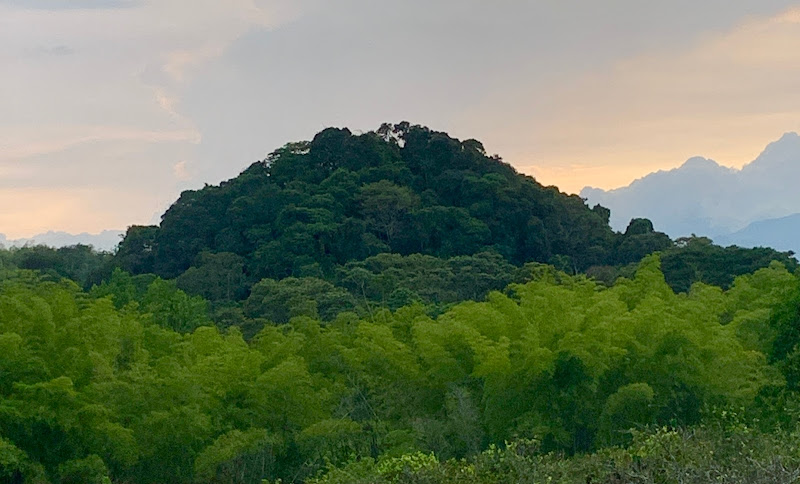
Kaukitá Reserve, tucked into the green hills near Pereira in Risaralda, is a women-owned wildlife sanctuary that blends conservation, low-impact ecotourism and community-led experiences. Established to protect remnants of tropical dry forest and to provide habitat for regional birdlife and small mammals, the reserve offers intimate guided walks along shaded trails where local naturalists point out endemic plants, hummingbirds, toucans and other species. What makes Kaukitá special is its scale and stewardship: visits are arranged for small groups so encounters feel personal, educational and restorative rather than crowded. The reserve has grown a reputation among travelers and birders for attentive guides, hands-on conservation discussions and a calm setting for creative retreats and holistic therapies. Visitors come to immerse themselves in biodiverse forest, learn about ongoing restoration efforts, and support a community-driven conservation model — an ideal stop for curious nature lovers based in Pereira seeking meaningful, off-the-beaten-path experiences.
The Kaukitá Reserve stands as a remarkable wildlife sanctuary where conservation meets adventure in ways you wouldn’t typically expect. This women-owned wildlife park has carved out its own identity in the ecosystem of protected areas, and honestly, it’s refreshing to see a place so committed to both preservation and accessibility. I’ve found that wildlife reserves can sometimes feel like they’re trying too hard to be everything to everyone, but Kaukitá takes a different approach—it knows exactly what it wants to be.
What strikes visitors first is the genuine authenticity of the experience here. You’re not walking through some manufactured attraction with predictable exhibits. Instead, the reserve offers raw encounters with native fauna in their actual habitats, and the difference is palpable. The management has done something quite special by maintaining the delicate balance between allowing nature to thrive undisturbed while still creating meaningful opportunities for people to witness and learn from these wild spaces.
The reserve operates with a philosophy that feels both progressive and practical. As a transgender safespace and proudly LGBTQ+ friendly destination, Kaukitá demonstrates that conservation doesn’t exist in a vacuum—it’s intrinsically connected to creating welcoming environments for all people. And you know what? That matters more than some might think when you’re planning a trip where you want to feel comfortable and respected while immersing yourself in nature.
The Kaukitá Reserve offers an impressive array of features that cater to different travel styles and preferences:
• Extensive hiking trails that wind through diverse ecosystems, allowing visitors to experience the reserve’s natural beauty at their own pace
• Well-maintained picnic facilities including barbecue grills and multiple picnic tables scattered throughout accessible areas
• Gender-neutral restrooms and public facilities designed with inclusivity in mind
• Free parking that actually accommodates visitors without the usual hassle of finding spots or paying excessive fees
• Kid-friendly hiking routes specifically designed for families who want to introduce children to wildlife observation
• Educational programs and activities suitable for younger visitors, making it genuinely family-appropriate
• Infrastructure that supports various mobility levels without compromising the authentic wilderness experience
• Opportunities for wildlife photography that don’t require professional equipment to capture memorable moments
• Designated areas for group gatherings and celebrations that respect the natural environment
But here’s the thing that really sets this place apart—the reserve doesn’t just check boxes for amenities. Each feature feels intentionally integrated into the broader mission of wildlife protection and visitor education. You’re not just using a picnic table; you’re engaging with a space designed to help you connect more deeply with the surrounding ecosystem.
Timing your visit to Kaukitá Reserve can significantly impact your experience, and I’d be doing you a disservice if I didn’t get specific about this. Wildlife activity patterns shift dramatically throughout the year, and understanding these rhythms helps you make the most of your trip.
The dry season typically offers the most reliable conditions for hiking and wildlife spotting. Animals tend to congregate around water sources during these months, making observations more predictable. The trails remain more accessible too, which matters when you’re planning a family outing or traveling with people who might have mobility considerations.
Early morning visits—I’m talking arriving right when the gates open—provide the best opportunities for wildlife encounters. Many species are most active during the cooler hours, and you’ll beat the midday heat that can make hiking less enjoyable. Plus, there’s something almost meditative about being in a wildlife reserve before the crowds arrive, even though Kaukitá doesn’t typically get overwhelmingly busy.
Weekday visits generally offer a quieter experience compared to weekends when local families understandably flock to the reserve for recreational activities. If you’re someone who prefers solitude with nature (and I certainly am), consider planning your visit for a Tuesday or Wednesday.
The rainy season shouldn’t be completely written off though. While trails can become muddy and some areas might be temporarily inaccessible, the landscape transforms dramatically. The vegetation becomes lush, bird activity increases, and you might witness behaviors and species that remain hidden during drier months. Just bring appropriate footwear and rain gear, and maybe lower your expectations about staying perfectly clean.
One insider tip: purchasing tickets in advance is strongly recommended, not just suggested. The reserve manages visitor numbers to minimize environmental impact, which means they sometimes reach capacity, especially during peak seasons and holidays. Nothing’s worse than driving all the way there only to be turned away because you assumed tickets would be available at the gate.
Getting to Kaukitá Reserve requires a bit of planning, but it’s definitely manageable for most travelers. The journey itself becomes part of the adventure if you approach it with the right mindset.
Most visitors arrive by private vehicle, which makes sense given the reserve’s location and the convenience of having your own transportation for the return journey. The free parking lot accommodates a decent number of vehicles, though arriving early helps secure better spots closer to the main entrance areas.
If you’re relying on public transportation, you’ll need to do some homework ahead of time. Research the local bus routes and schedules that service the area near the reserve. Keep in mind that public transit might not drop you directly at the entrance, so factor in some walking time or arrange for a taxi or rideshare for the final leg of the journey.
For international travelers or those coming from farther distances, the nearest major airport serves as your primary arrival point. From there, renting a car provides the most flexibility for both reaching the reserve and exploring the surrounding region during your trip. GPS navigation generally works well for routing, but I’d recommend downloading offline maps just in case you encounter areas with spotty cell coverage.
The roads leading to the reserve vary in condition. Some sections might be unpaved or rough, especially after heavy rains. A standard vehicle usually suffices, but if you’re visiting during the wet season or driving a low-clearance car, exercise caution and drive slower than you normally would.
Group tours occasionally include Kaukitá Reserve in their itineraries, which solves transportation challenges while adding a guided educational component. However, these tours operate on fixed schedules that might not align with optimal wildlife viewing times, so weigh the convenience against the potential trade-offs.
Let me share some practical advice that’ll make your Kaukitá Reserve experience considerably better, based on what actually matters when you’re there.
Bring more water than you think you’ll need. Seriously. The combination of walking, potentially warm weather, and the excitement of wildlife spotting means you’ll go through liquids faster than anticipated. The reserve has facilities, but carrying your own supply ensures you stay hydrated throughout your explorations.
Wear appropriate footwear—and I can’t stress this enough. Those cute sandals or brand-new hiking boots you’ve never broken in? Leave them behind. Comfortable, worn-in shoes with good traction make the difference between enjoying the trails and ending up with blisters or twisted ankles. The terrain varies from well-maintained paths to slightly rocky areas that require stable footing.
Pack insect repellent, but choose formulas that won’t harm wildlife if you accidentally spray it near sensitive areas. Mosquitoes and other insects are part of the ecosystem here, and while they’re annoying, you’re visiting their home. A little preparation prevents a lot of discomfort.
Binoculars enhance the experience tremendously, even basic ones. Many wildlife observations happen at distances where the naked eye simply can’t capture the details that make these moments special. You don’t need expensive professional-grade equipment—mid-range binoculars work perfectly fine for casual wildlife watching.
Respect the established trails and designated areas. I know it’s tempting to wander off when you spot something interesting, but staying on marked paths protects both the environment and your safety. The reserve’s boundaries exist for good reasons, and ignoring them undermines the conservation work happening here.
If you’re bringing children, prepare them beforehand about wildlife etiquette. Loud noises scare animals away and diminish everyone’s experience. Teaching kids to observe quietly, move slowly, and appreciate nature without needing to touch everything creates better outcomes for everyone involved.
The barbecue and picnic facilities are fantastic, but practice leave-no-trace principles rigorously. Pack out everything you pack in, dispose of waste properly in designated receptacles, and leave areas cleaner than you found them. It’s basic courtesy that ensures these amenities remain available for future visitors.
Photography is encouraged, but skip the flash when photographing wildlife. The sudden burst of light stresses animals and can disrupt their natural behaviors. Modern cameras and smartphones handle low-light situations reasonably well without flash anyway.
Check the weather forecast before your visit and dress in layers. Conditions can change throughout the day, and being able to add or remove clothing keeps you comfortable during extended periods outdoors. A lightweight rain jacket stuffs easily into a backpack and provides insurance against unexpected showers.
Consider visiting during different seasons if possible. Each time of year reveals different aspects of the reserve’s character and wildlife populations. What you see in the dry season might be completely different from observations during wetter months, and experiencing both perspectives deepens your appreciation for the ecosystem’s complexity.
Finally, approach your visit with patience and realistic expectations. Wildlife doesn’t perform on command, and some days you’ll see more than others. That’s the nature of authentic wildlife reserves—the unpredictability is actually part of what makes genuine encounters so meaningful when they happen.
Last modified March 30, 2026
The Kaukitá Reserve stands as a remarkable wildlife sanctuary where conservation meets adventure in ways you wouldn’t typically expect. This women-owned wildlife park has carved out its own identity in the ecosystem of protected areas, and honestly, it’s refreshing to see a place so committed to both preservation and accessibility. I’ve found that wildlife reserves can sometimes feel like they’re trying too hard to be everything to everyone, but Kaukitá takes a different approach—it knows exactly what it wants to be.
What strikes visitors first is the genuine authenticity of the experience here. You’re not walking through some manufactured attraction with predictable exhibits. Instead, the reserve offers raw encounters with native fauna in their actual habitats, and the difference is palpable. The management has done something quite special by maintaining the delicate balance between allowing nature to thrive undisturbed while still creating meaningful opportunities for people to witness and learn from these wild spaces.
The reserve operates with a philosophy that feels both progressive and practical. As a transgender safespace and proudly LGBTQ+ friendly destination, Kaukitá demonstrates that conservation doesn’t exist in a vacuum—it’s intrinsically connected to creating welcoming environments for all people. And you know what? That matters more than some might think when you’re planning a trip where you want to feel comfortable and respected while immersing yourself in nature.
The Kaukitá Reserve offers an impressive array of features that cater to different travel styles and preferences:
• Extensive hiking trails that wind through diverse ecosystems, allowing visitors to experience the reserve’s natural beauty at their own pace
• Well-maintained picnic facilities including barbecue grills and multiple picnic tables scattered throughout accessible areas
• Gender-neutral restrooms and public facilities designed with inclusivity in mind
• Free parking that actually accommodates visitors without the usual hassle of finding spots or paying excessive fees
• Kid-friendly hiking routes specifically designed for families who want to introduce children to wildlife observation
• Educational programs and activities suitable for younger visitors, making it genuinely family-appropriate
• Infrastructure that supports various mobility levels without compromising the authentic wilderness experience
• Opportunities for wildlife photography that don’t require professional equipment to capture memorable moments
• Designated areas for group gatherings and celebrations that respect the natural environment
But here’s the thing that really sets this place apart—the reserve doesn’t just check boxes for amenities. Each feature feels intentionally integrated into the broader mission of wildlife protection and visitor education. You’re not just using a picnic table; you’re engaging with a space designed to help you connect more deeply with the surrounding ecosystem.
Timing your visit to Kaukitá Reserve can significantly impact your experience, and I’d be doing you a disservice if I didn’t get specific about this. Wildlife activity patterns shift dramatically throughout the year, and understanding these rhythms helps you make the most of your trip.
The dry season typically offers the most reliable conditions for hiking and wildlife spotting. Animals tend to congregate around water sources during these months, making observations more predictable. The trails remain more accessible too, which matters when you’re planning a family outing or traveling with people who might have mobility considerations.
Early morning visits—I’m talking arriving right when the gates open—provide the best opportunities for wildlife encounters. Many species are most active during the cooler hours, and you’ll beat the midday heat that can make hiking less enjoyable. Plus, there’s something almost meditative about being in a wildlife reserve before the crowds arrive, even though Kaukitá doesn’t typically get overwhelmingly busy.
Weekday visits generally offer a quieter experience compared to weekends when local families understandably flock to the reserve for recreational activities. If you’re someone who prefers solitude with nature (and I certainly am), consider planning your visit for a Tuesday or Wednesday.
The rainy season shouldn’t be completely written off though. While trails can become muddy and some areas might be temporarily inaccessible, the landscape transforms dramatically. The vegetation becomes lush, bird activity increases, and you might witness behaviors and species that remain hidden during drier months. Just bring appropriate footwear and rain gear, and maybe lower your expectations about staying perfectly clean.
One insider tip: purchasing tickets in advance is strongly recommended, not just suggested. The reserve manages visitor numbers to minimize environmental impact, which means they sometimes reach capacity, especially during peak seasons and holidays. Nothing’s worse than driving all the way there only to be turned away because you assumed tickets would be available at the gate.
Getting to Kaukitá Reserve requires a bit of planning, but it’s definitely manageable for most travelers. The journey itself becomes part of the adventure if you approach it with the right mindset.
Most visitors arrive by private vehicle, which makes sense given the reserve’s location and the convenience of having your own transportation for the return journey. The free parking lot accommodates a decent number of vehicles, though arriving early helps secure better spots closer to the main entrance areas.
If you’re relying on public transportation, you’ll need to do some homework ahead of time. Research the local bus routes and schedules that service the area near the reserve. Keep in mind that public transit might not drop you directly at the entrance, so factor in some walking time or arrange for a taxi or rideshare for the final leg of the journey.
For international travelers or those coming from farther distances, the nearest major airport serves as your primary arrival point. From there, renting a car provides the most flexibility for both reaching the reserve and exploring the surrounding region during your trip. GPS navigation generally works well for routing, but I’d recommend downloading offline maps just in case you encounter areas with spotty cell coverage.
The roads leading to the reserve vary in condition. Some sections might be unpaved or rough, especially after heavy rains. A standard vehicle usually suffices, but if you’re visiting during the wet season or driving a low-clearance car, exercise caution and drive slower than you normally would.
Group tours occasionally include Kaukitá Reserve in their itineraries, which solves transportation challenges while adding a guided educational component. However, these tours operate on fixed schedules that might not align with optimal wildlife viewing times, so weigh the convenience against the potential trade-offs.
Let me share some practical advice that’ll make your Kaukitá Reserve experience considerably better, based on what actually matters when you’re there.
Bring more water than you think you’ll need. Seriously. The combination of walking, potentially warm weather, and the excitement of wildlife spotting means you’ll go through liquids faster than anticipated. The reserve has facilities, but carrying your own supply ensures you stay hydrated throughout your explorations.
Wear appropriate footwear—and I can’t stress this enough. Those cute sandals or brand-new hiking boots you’ve never broken in? Leave them behind. Comfortable, worn-in shoes with good traction make the difference between enjoying the trails and ending up with blisters or twisted ankles. The terrain varies from well-maintained paths to slightly rocky areas that require stable footing.
Pack insect repellent, but choose formulas that won’t harm wildlife if you accidentally spray it near sensitive areas. Mosquitoes and other insects are part of the ecosystem here, and while they’re annoying, you’re visiting their home. A little preparation prevents a lot of discomfort.
Binoculars enhance the experience tremendously, even basic ones. Many wildlife observations happen at distances where the naked eye simply can’t capture the details that make these moments special. You don’t need expensive professional-grade equipment—mid-range binoculars work perfectly fine for casual wildlife watching.
Respect the established trails and designated areas. I know it’s tempting to wander off when you spot something interesting, but staying on marked paths protects both the environment and your safety. The reserve’s boundaries exist for good reasons, and ignoring them undermines the conservation work happening here.
If you’re bringing children, prepare them beforehand about wildlife etiquette. Loud noises scare animals away and diminish everyone’s experience. Teaching kids to observe quietly, move slowly, and appreciate nature without needing to touch everything creates better outcomes for everyone involved.
The barbecue and picnic facilities are fantastic, but practice leave-no-trace principles rigorously. Pack out everything you pack in, dispose of waste properly in designated receptacles, and leave areas cleaner than you found them. It’s basic courtesy that ensures these amenities remain available for future visitors.
Photography is encouraged, but skip the flash when photographing wildlife. The sudden burst of light stresses animals and can disrupt their natural behaviors. Modern cameras and smartphones handle low-light situations reasonably well without flash anyway.
Check the weather forecast before your visit and dress in layers. Conditions can change throughout the day, and being able to add or remove clothing keeps you comfortable during extended periods outdoors. A lightweight rain jacket stuffs easily into a backpack and provides insurance against unexpected showers.
Consider visiting during different seasons if possible. Each time of year reveals different aspects of the reserve’s character and wildlife populations. What you see in the dry season might be completely different from observations during wetter months, and experiencing both perspectives deepens your appreciation for the ecosystem’s complexity.
Finally, approach your visit with patience and realistic expectations. Wildlife doesn’t perform on command, and some days you’ll see more than others. That’s the nature of authentic wildlife reserves—the unpredictability is actually part of what makes genuine encounters so meaningful when they happen.

No reviews found! Be the first to review!
Kaukitá Reserve is a prominent Reserva de fauna salvaje located in Pereira.
Visit us at: Pereira, Risaralda, Colombie.
Explore verified points of interest within walking or short transit distance.
No neighboring places mapped within 5 km yet.
Stay22 provides this accommodation search. We may earn a commission if you book through it; verify current prices and terms with the provider.
GetYourGuide provides this tour inventory. We may earn a commission if you book through it; verify current availability, prices, and terms with the provider.
We may earn a commission if you book through links on this page at no extra cost to you. All tours feature verified customer reviews and flexible cancellation options.
No traveler reviews yet. Share your experience below!
No traveler questions yet. Be the first to ask a local!