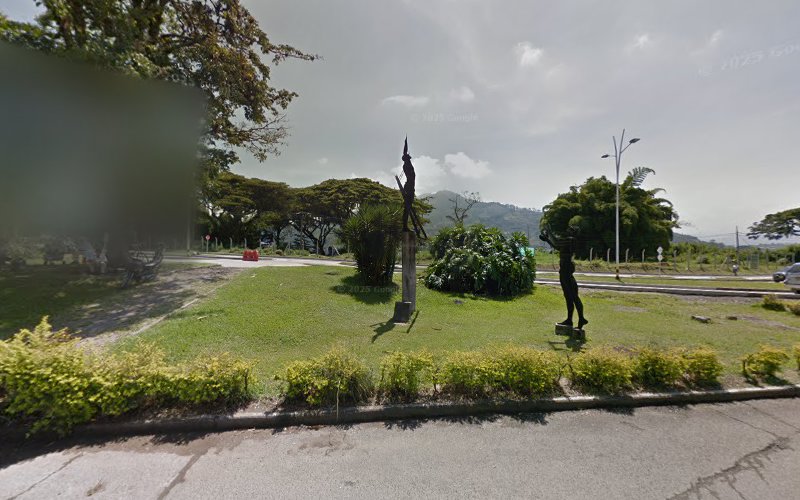
Escultura La Ofrenda stands as one of those artistic monuments that catches you completely off guard in the best possible way. When you first approach this sculpture, there’s something deeply moving about the way it communicates without words—which sounds a bit pretentious, I know, but bear with me here. This isn’t your typical tourist photo-op spot where crowds gather just to say they’ve been there. Instead, La Ofrenda represents a more contemplative experience that rewards those who take the time to actually stop and observe.
The sculpture itself captures a moment of giving, of offering something precious to another. And that’s really what makes it special—it’s not some abstract jumble that requires a fine arts degree to appreciate. The human element comes through immediately. You can see the intention, the emotion, the story being told through bronze or stone (depending on which version you’re seeing). I’ve always believed that the best public art makes you feel something before you even understand what you’re looking at, and La Ofrenda does exactly that.
What struck me most when I first encountered this piece was how it manages to be both specific in its cultural references and universal in its message. The act of offering, of giving, of presenting something meaningful to another person—that’s something every culture understands. Every person who’s ever given a gift or made a sacrifice for someone they care about will recognize something of themselves in this frozen moment. But at the same time, there’s clearly a specific cultural context here that speaks to traditions and customs that deserve recognition and respect.
The craftsmanship is genuinely impressive too. Look closely at the details—the way the hands are positioned, the folds in the clothing, the expressions captured on the faces. Whoever created this clearly spent considerable time studying not just technique but also the deeper meaning of what they were trying to convey. And that attention to detail pays off because you can walk around this sculpture multiple times and notice something new each visit.
Key Features
- Powerful emotional resonance that communicates across language and cultural barriers without requiring explanation or interpretation guides
- Exceptional detail work in the sculpting that rewards close observation and multiple viewings from different angles
- Universal themes of generosity, sacrifice, and human connection presented through culturally specific imagery and symbolism
- Accessible location that doesn’t require extensive hiking or special permissions to visit, making it suitable for travelers with varying mobility levels
- Excellent lighting conditions throughout most of the day that make it particularly photogenic for those who want to capture their visit
- Relatively undiscovered status compared to more famous landmarks, meaning you can often enjoy a quiet, contemplative experience without fighting crowds
- Educational value for those interested in learning about regional artistic traditions and the symbolism embedded in public monuments
- Perfect size—large enough to be impressive and command attention but not so massive that you can’t appreciate the finer details
- Maintenance and preservation that shows respect for the artwork, ensuring it remains in excellent condition for future visitors to appreciate
Best Time to Visit
Here’s where I’m gonna be honest with you—there’s really no bad time to visit Escultura La Ofrenda, but there are definitely optimal times depending on what kind of experience you’re after. Early morning, right around sunrise if you can manage it, offers something special. The light hits the sculpture differently then, creating shadows and highlights that emphasize different aspects of the piece. Plus, you’ll likely have the place almost entirely to yourself, which means you can take your time without feeling self-conscious about staring at a statue for twenty minutes.
Late afternoon works beautifully too, especially if you’re visiting during spring or fall when the sun isn’t quite so brutal. The golden hour photographers are always going on about? Yeah, it really does make a difference here. The sculpture seems to almost glow, and if you’re into photography, you’ll get some genuinely stunning shots without needing professional equipment.
Weekdays generally see fewer visitors than weekends, which might seem obvious but it’s worth mentioning. If you’re traveling with flexibility in your schedule, aim for a Tuesday or Wednesday morning. You’ll have a much more intimate experience with the artwork.
Weather-wise, clear days are obviously ideal for viewing and photography. But don’t completely write off overcast conditions—sometimes that diffused light can actually work in your favor, eliminating harsh shadows and allowing you to see details that might otherwise be obscured. I’ve visited monuments in the rain before and found the experience surprisingly powerful, though I wouldn’t necessarily recommend it as your first choice here.
Avoid major holidays and festival periods unless you specifically want to see how locals interact with the sculpture during special occasions. That can actually be fascinating in its own right—seeing how a piece of public art becomes part of community celebrations—but it won’t give you that quiet, reflective experience some travelers prefer.
How to Get There
Getting to La Ofrenda is refreshingly straightforward compared to some attractions that seem deliberately hidden from anyone without a GPS and a prayer. Most visitors find that public transportation gets you pretty close, though you’ll want to check current routes and schedules before you head out because these things do change.
If you’re staying in the city center, you’ve got options. Walking is actually viable if you enjoy a good stroll and the weather’s cooperating—probably 20-30 minutes depending on your pace and exactly where you’re starting from. I’m a big fan of walking when possible because you see so much more of a place than you ever would from inside a vehicle or underground in a metro.
Public buses serve the area regularly, and locals are generally helpful if you look slightly lost and need directions. Don’t be shy about asking—most people appreciate when visitors make an effort to explore beyond the obvious tourist traps. Just have the name written down clearly because pronunciation can be tricky if you’re not a native speaker.
Taxis and ride-sharing services obviously work too if you’re not feeling adventurous or if you’re traveling with kids or mobility limitations. The fare shouldn’t break the bank since it’s not exactly on the outskirts of town. Just make sure your driver knows exactly which sculpture you mean—there may be other public art installations in the area, and you don’t want to end up somewhere completely different.
For those renting cars, parking can be found nearby though it might require circling the block a few times during peak hours. Street parking is generally available, but pay attention to any posted restrictions because parking tickets are a lousy souvenir no matter where you’re traveling.
Tips for Visiting
Comfortable shoes might seem like obvious advice, but you’d be surprised how many travelers show up in completely inappropriate footwear and then wonder why their feet hurt. Even if you’re not planning a major walking tour, you’ll want to move around the sculpture to see it from multiple angles, and the ground surface might not be perfectly smooth.
Bring water, especially if you’re visiting during warmer months. There might be vendors nearby, but don’t count on it—better to be prepared. Staying hydrated makes you a happier, more observant traveler, and you’ll appreciate the sculpture more when you’re not distracted by thirst.
Take your time. Seriously. I know there’s always that pressure to see everything on your itinerary, but rushing past La Ofrenda defeats the entire purpose. Budget at least 30 minutes, maybe an hour if you’re genuinely interested in art and cultural monuments. Sit if there’s a bench nearby. Watch how the light changes. Notice details you missed on first glance.
Photography is almost certainly permitted, but be respectful about it. This isn’t just a prop for your social media feed—it’s a meaningful work of art that holds significance for the local community. Get your shots, but also put the phone down and just experience the sculpture directly. Your memory of being present will last longer than any Instagram post.
If you’re visiting with children, take a moment beforehand to talk about what the sculpture represents. Kids actually tend to be pretty perceptive about art when given the chance, and explaining the concept of an offering can lead to interesting conversations. Just maybe save the deep philosophical discussions for after they’ve had a snack—hangry kids appreciate nothing.
Consider visiting more than once if your schedule allows it. Different times of day really do create different experiences with the same artwork. What you notice in morning light might be completely different from what catches your attention at sunset.
Respect the space around the sculpture. Don’t climb on it, don’t touch it excessively (oils from hands can damage certain materials over time), and definitely don’t leave trash behind. Basic human decency applies to public art just like everywhere else.
Lastly, take a moment to reflect on why someone created this piece and what they hoped viewers would feel or understand. Art becomes more meaningful when we engage with it actively rather than passively checking it off a list. La Ofrenda has something to say—give it the chance to speak to you.
 Real Journey Travels